The M Factor Event Opens the Conversation on Perimenopause in Downtown Belleville, IL

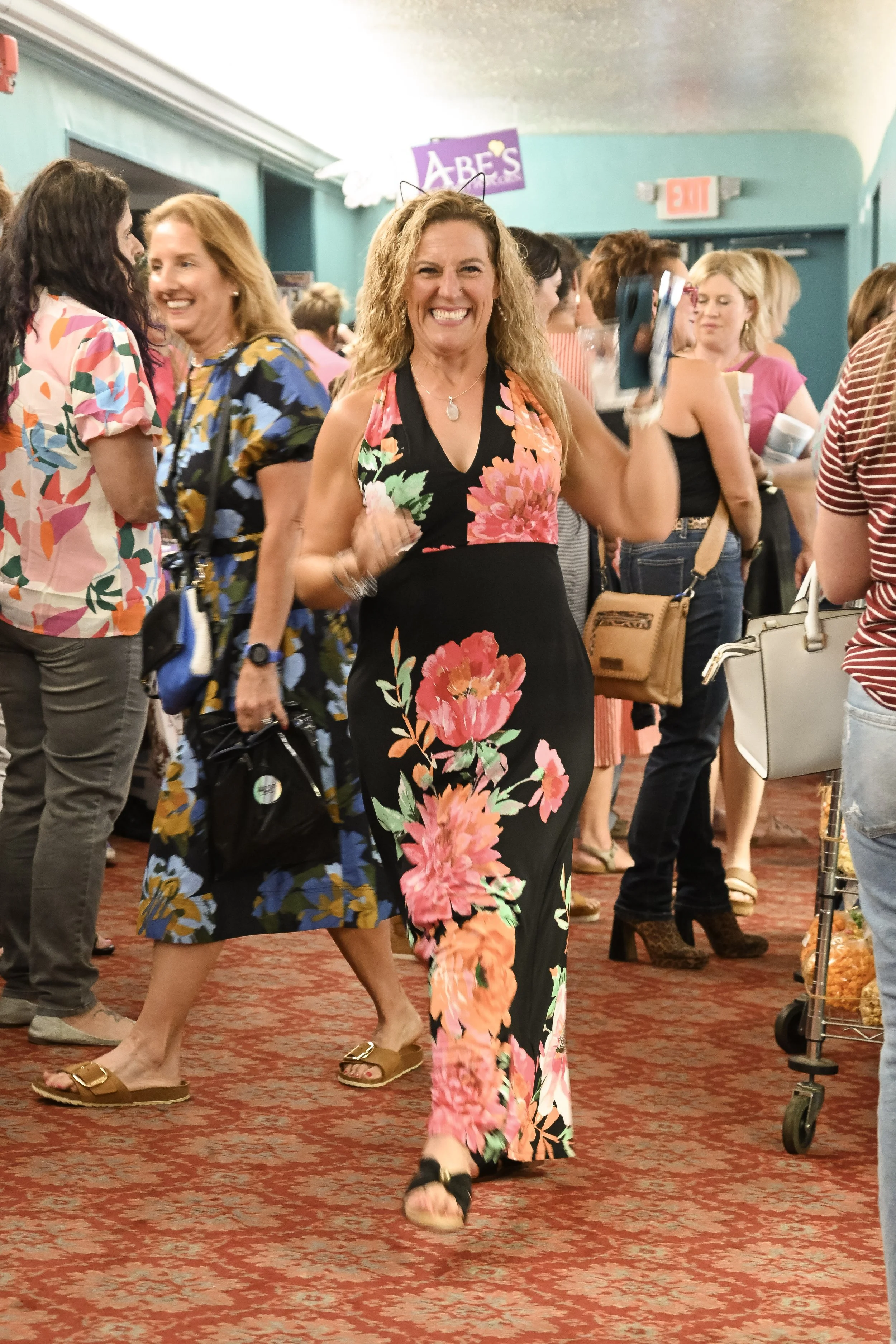


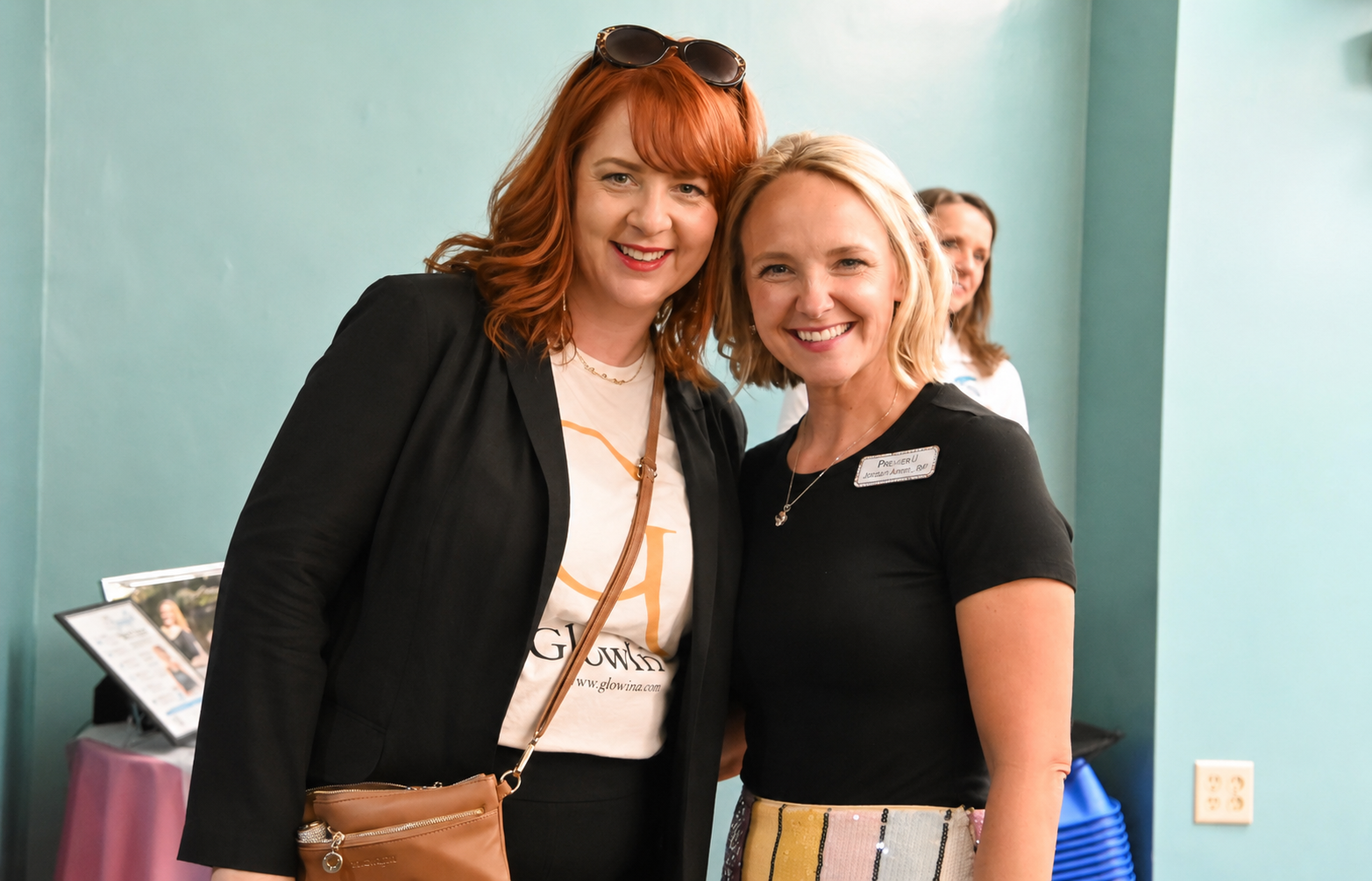
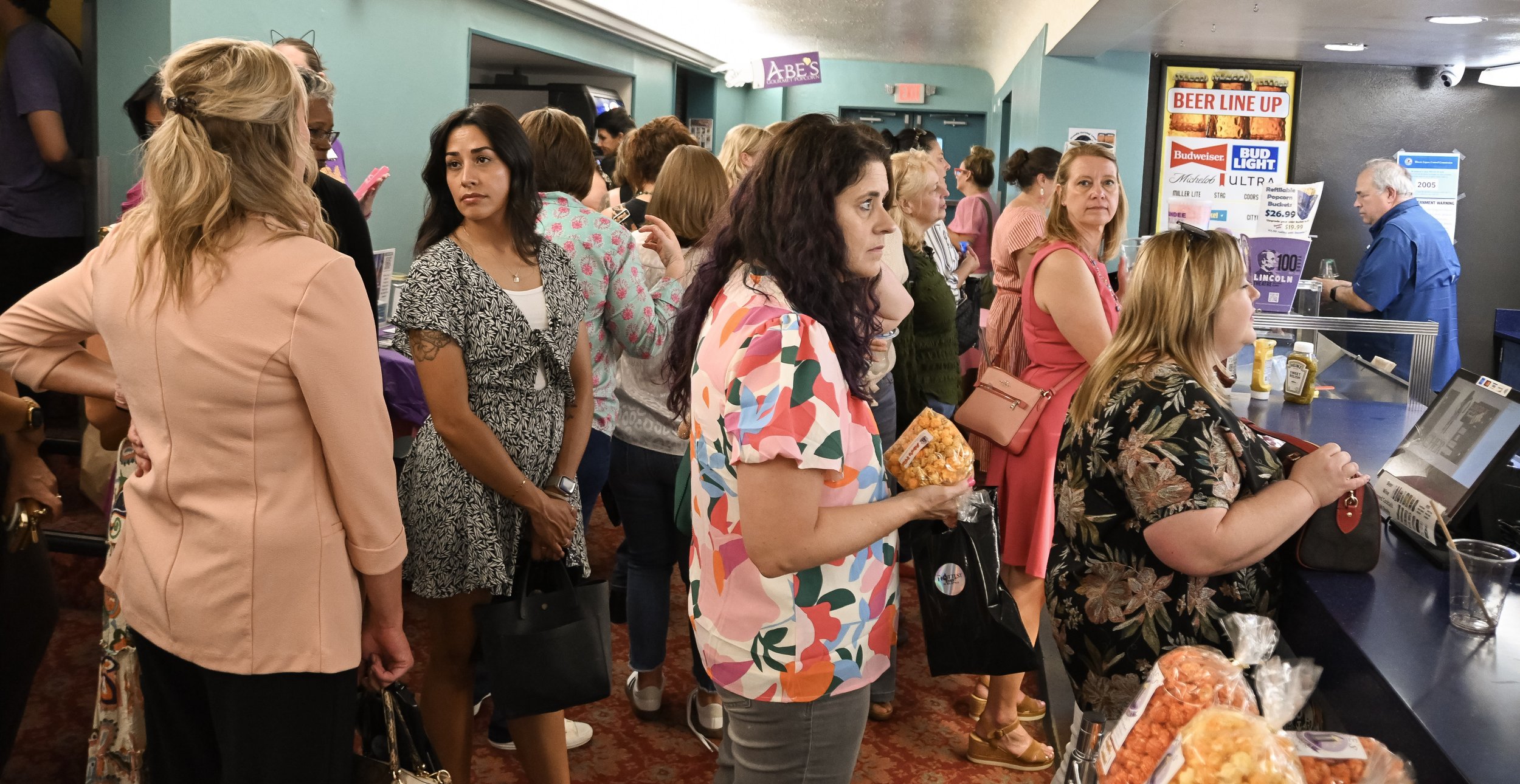
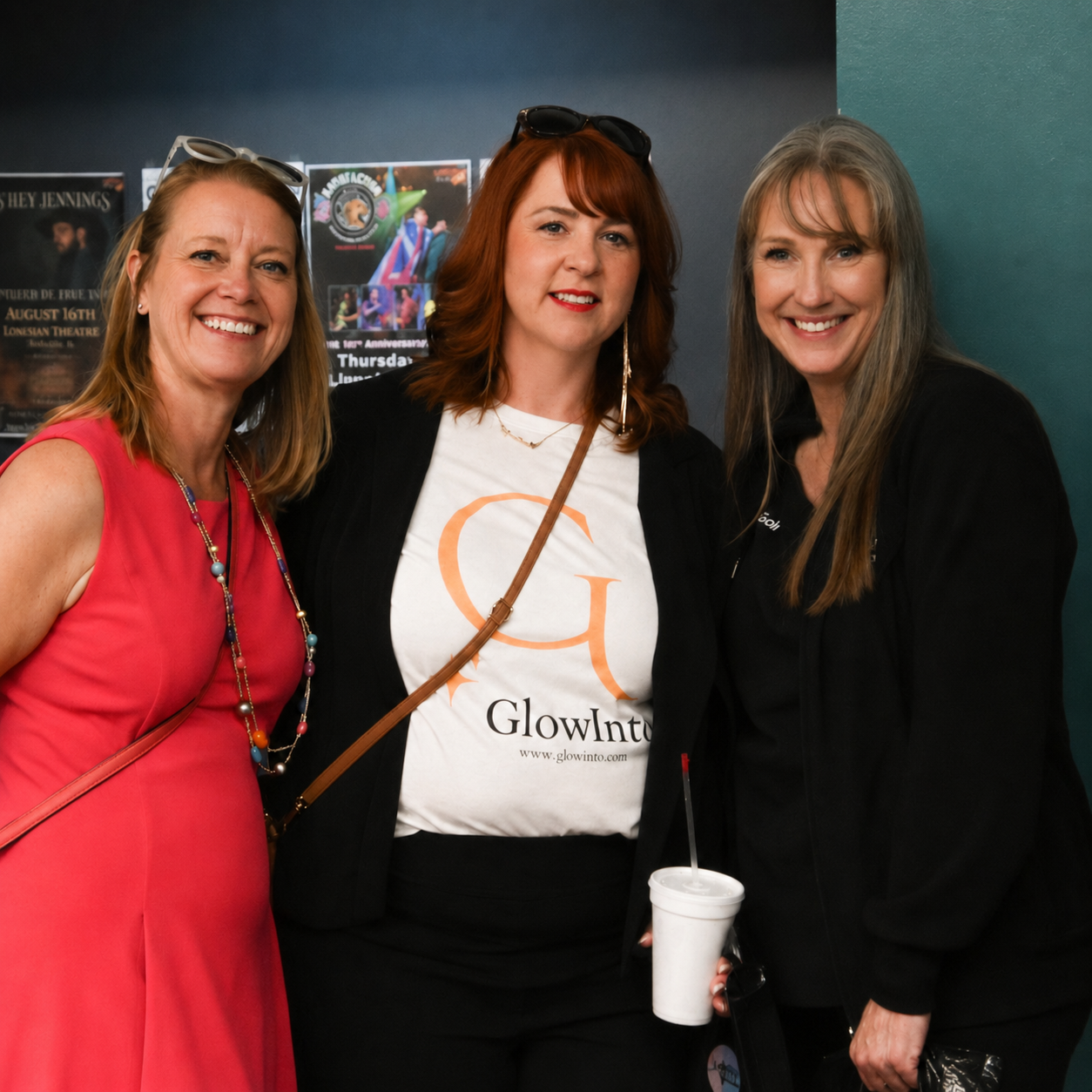
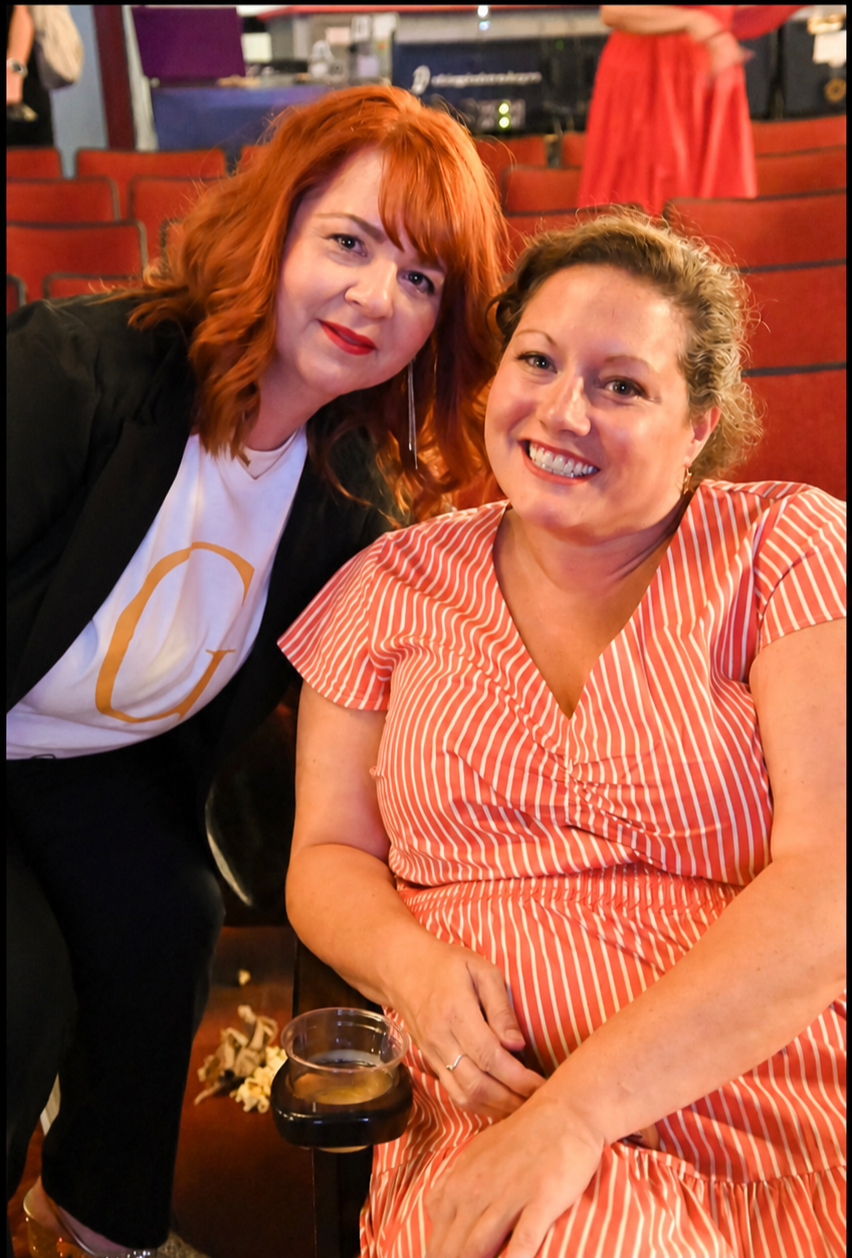
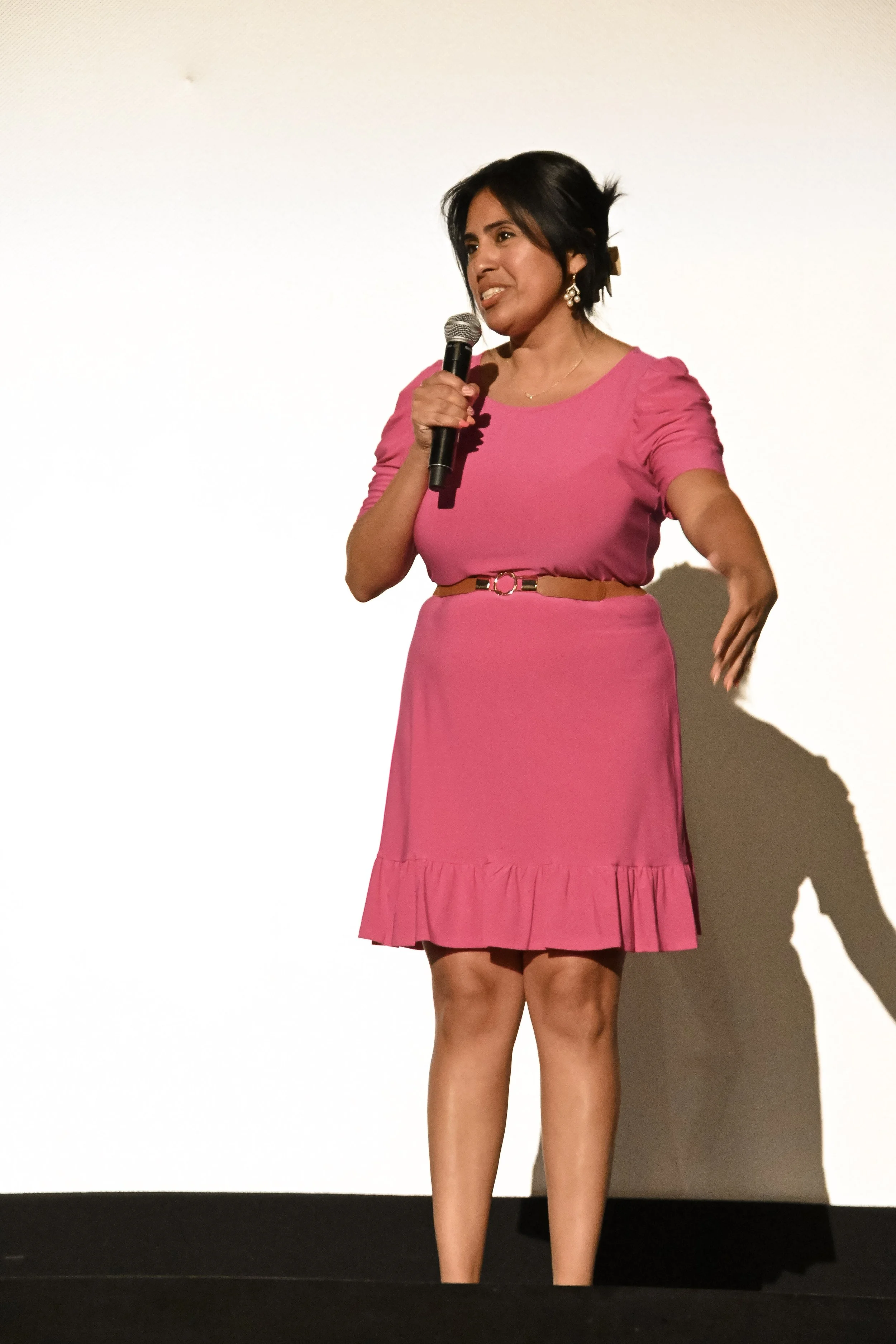
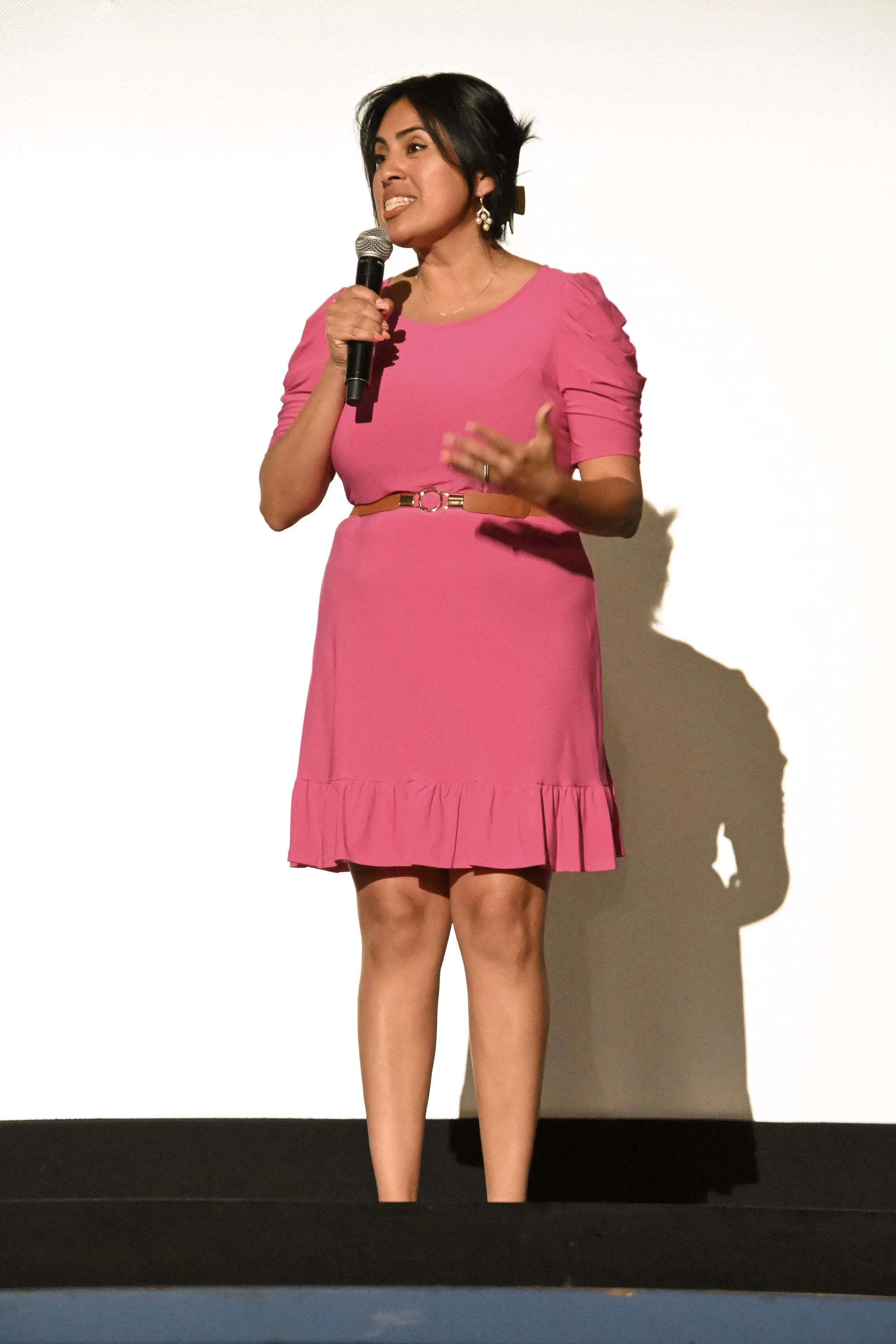

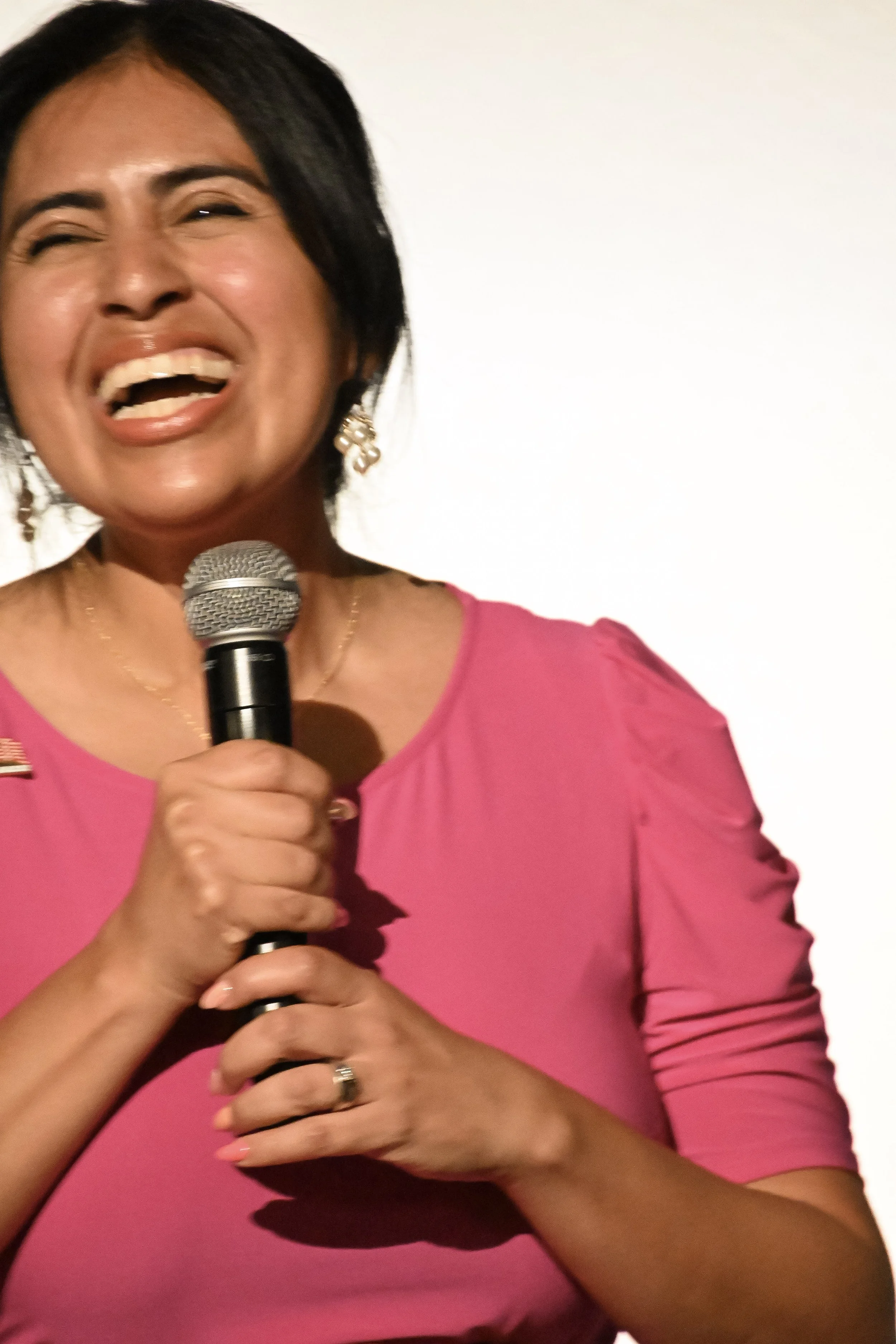
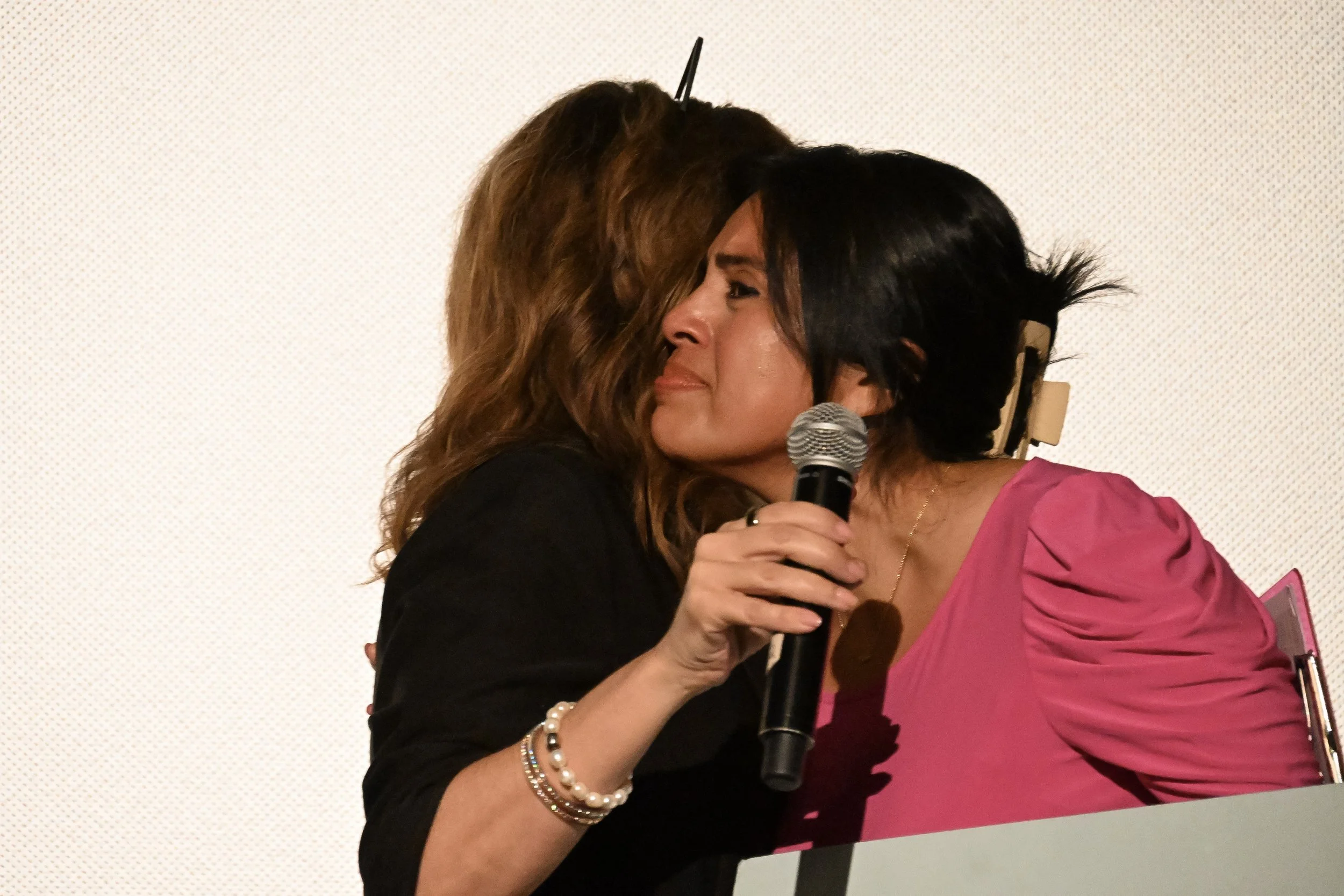
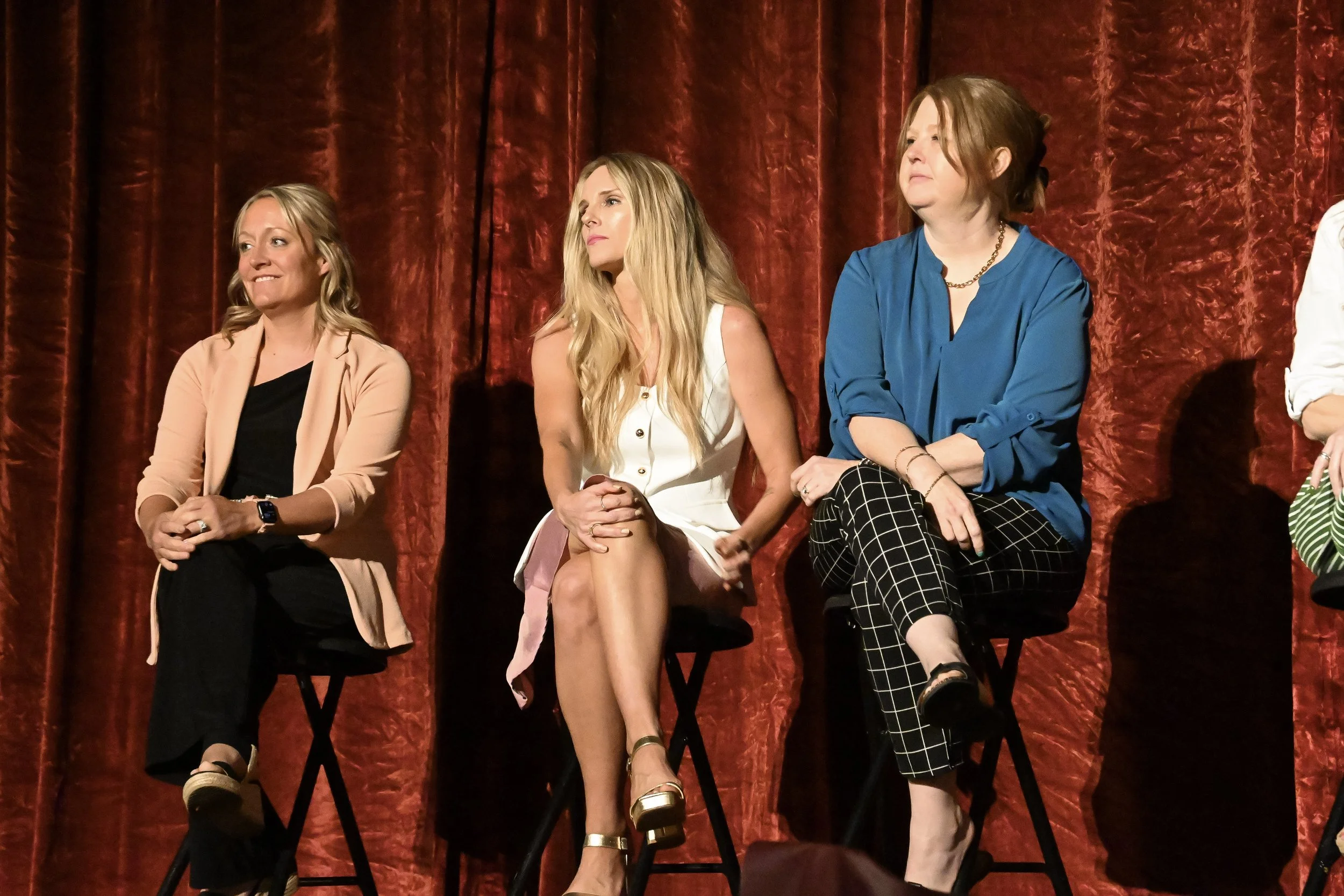
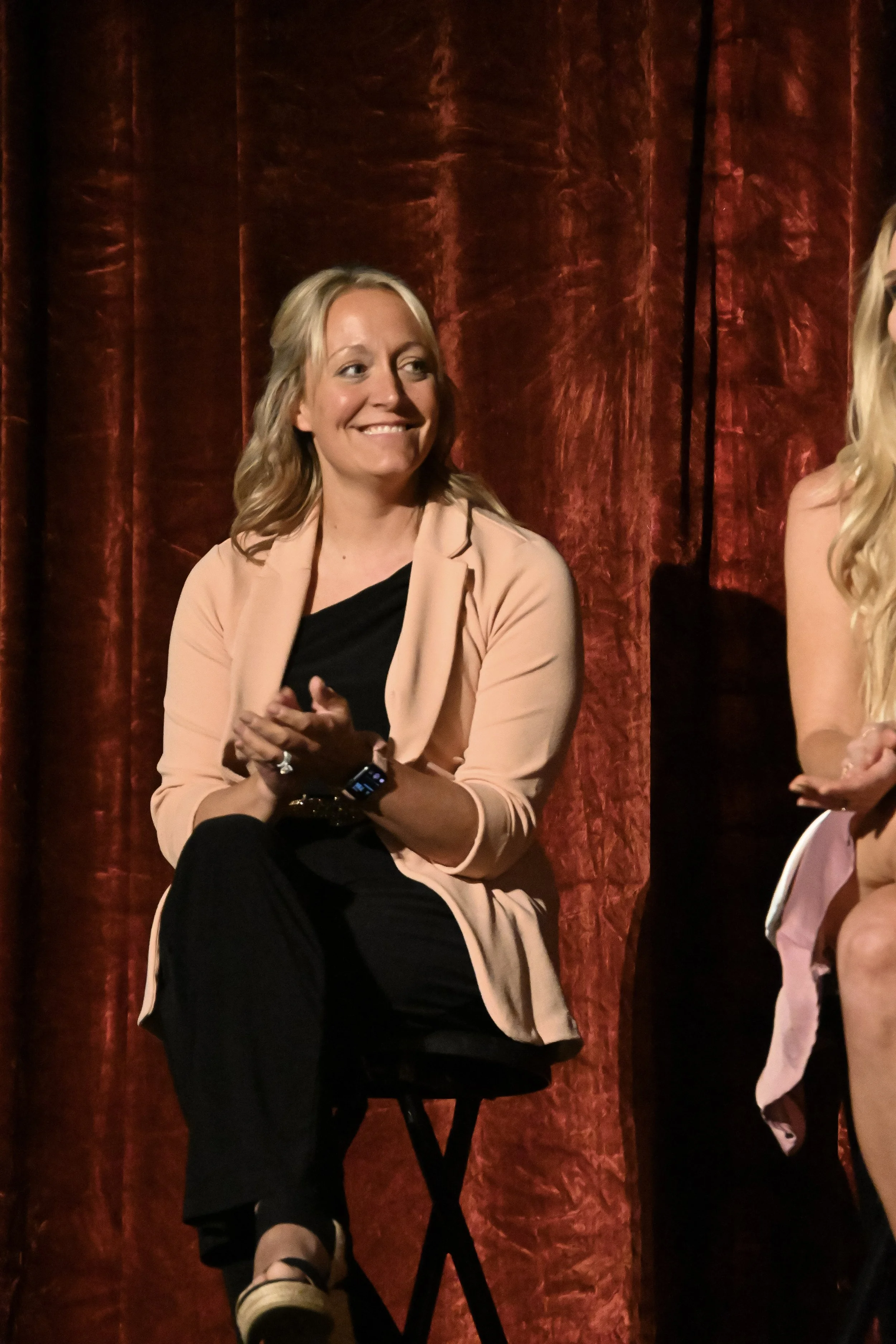
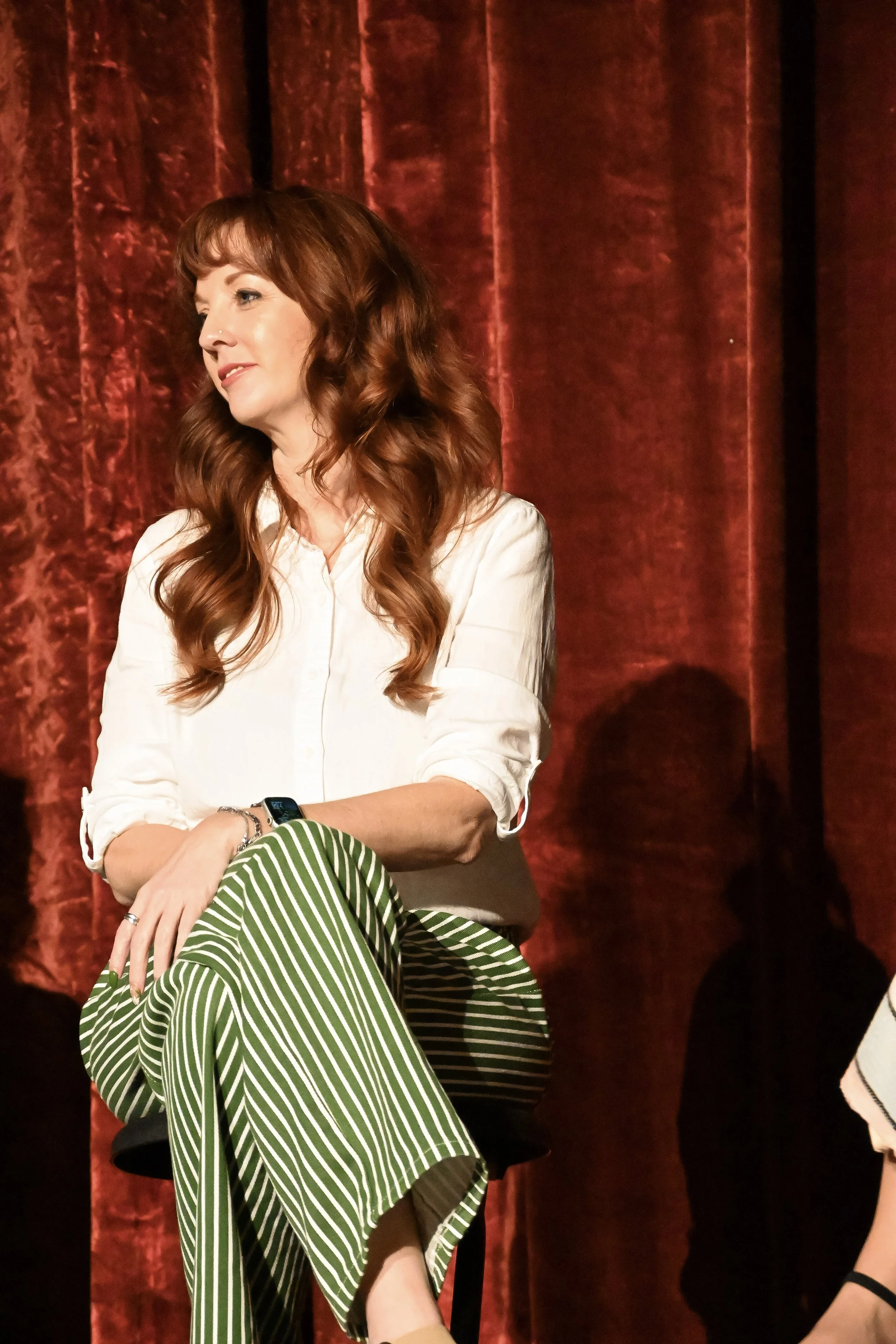
GlowInto x Meagan Meiers Photography
The Event
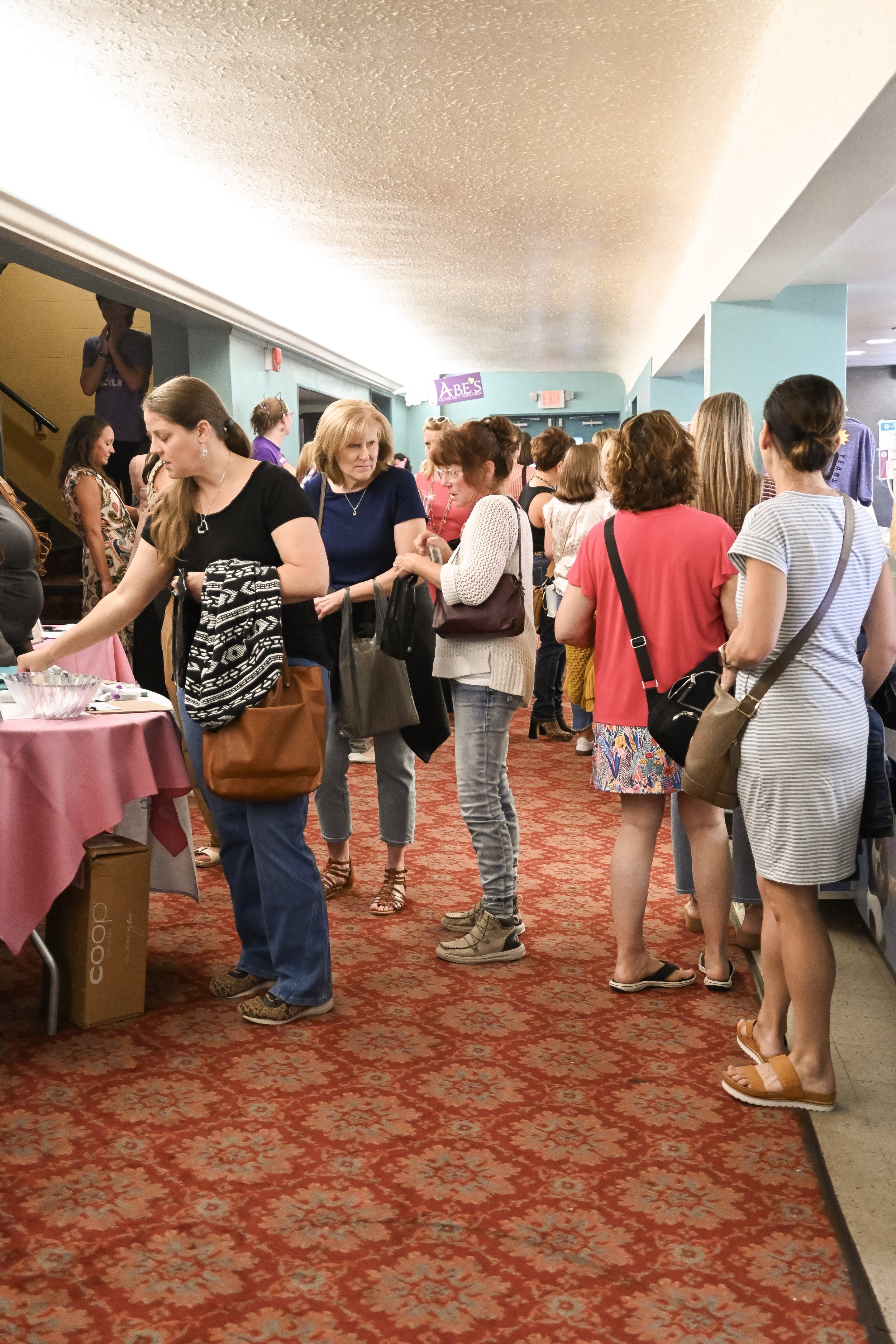
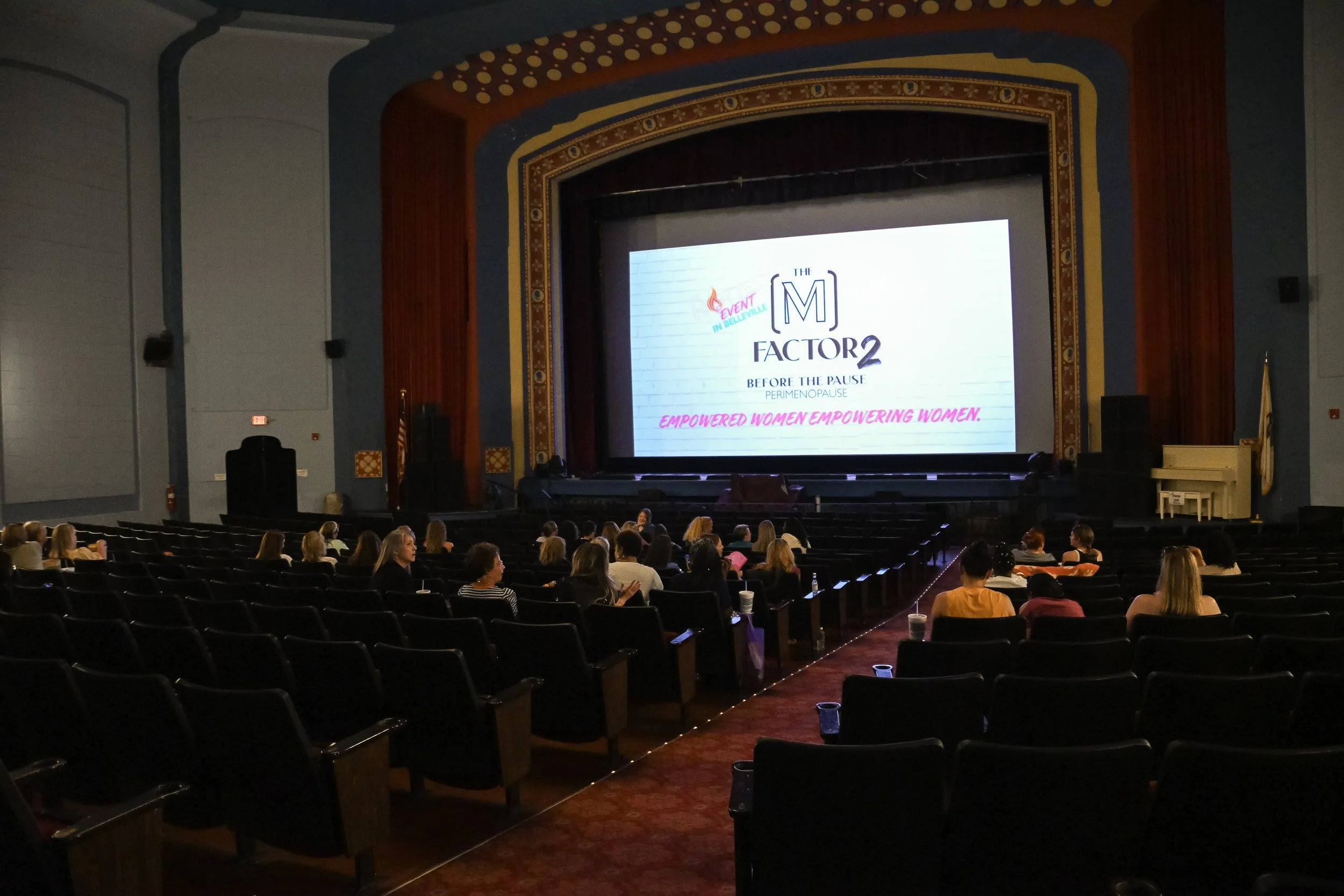
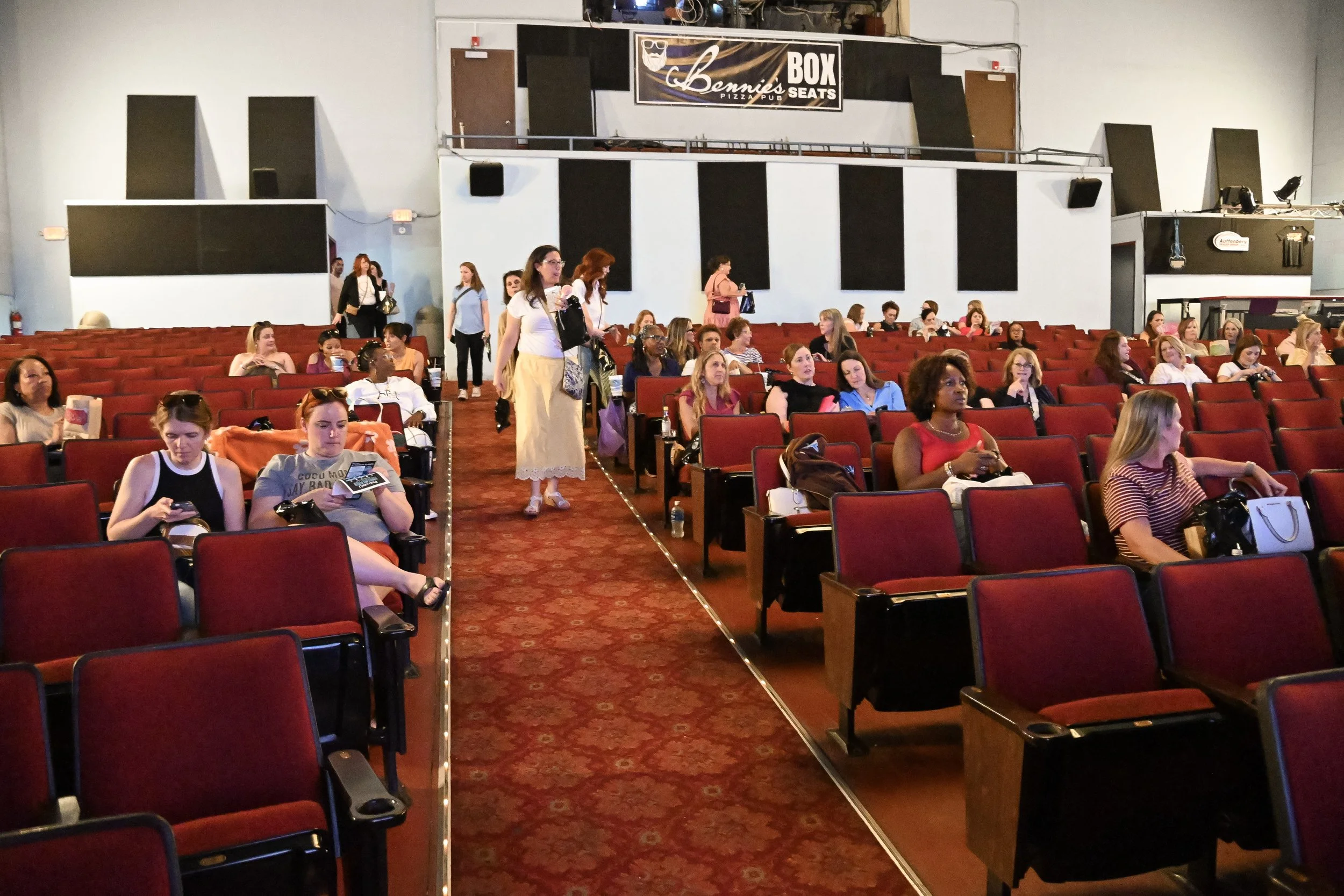
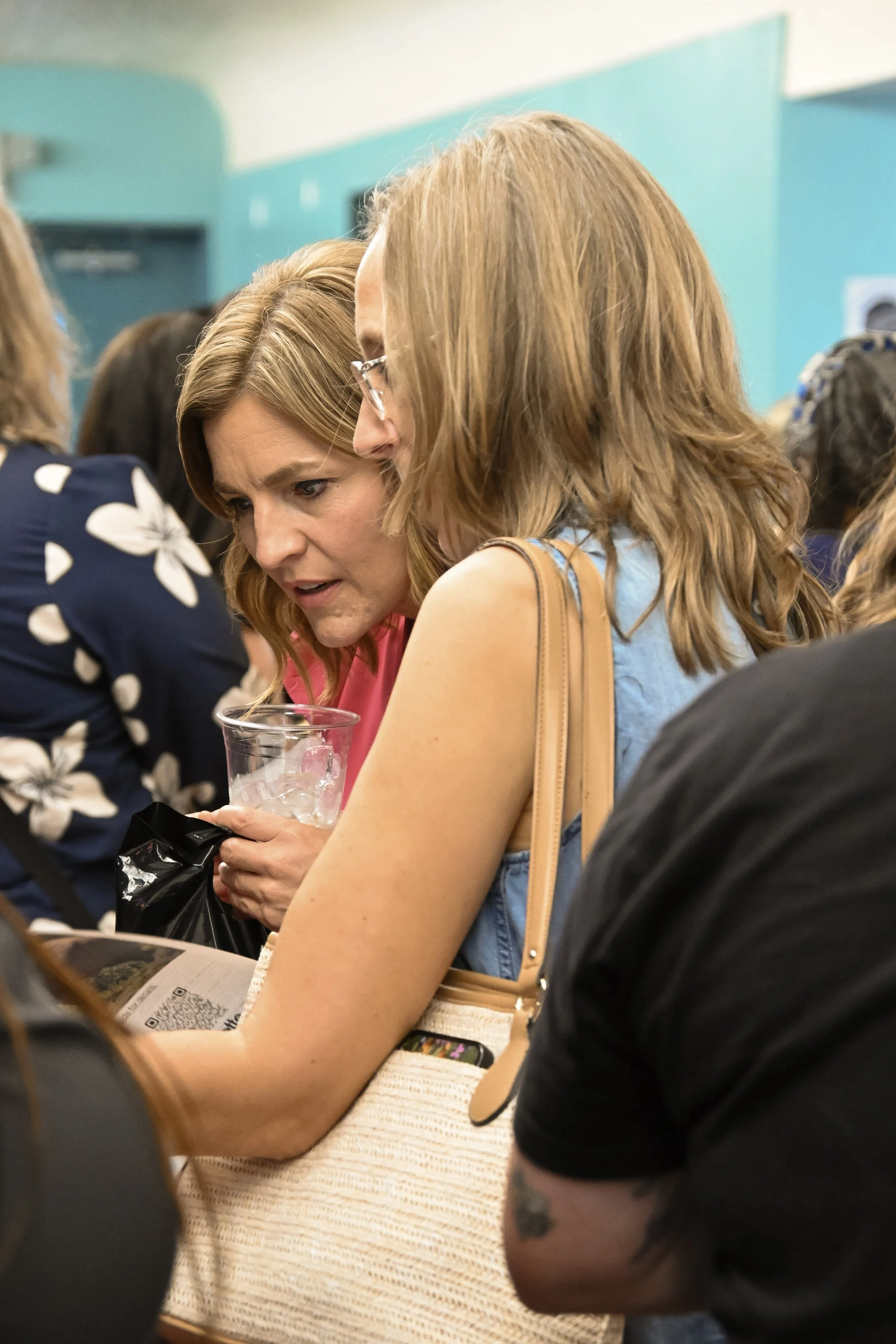
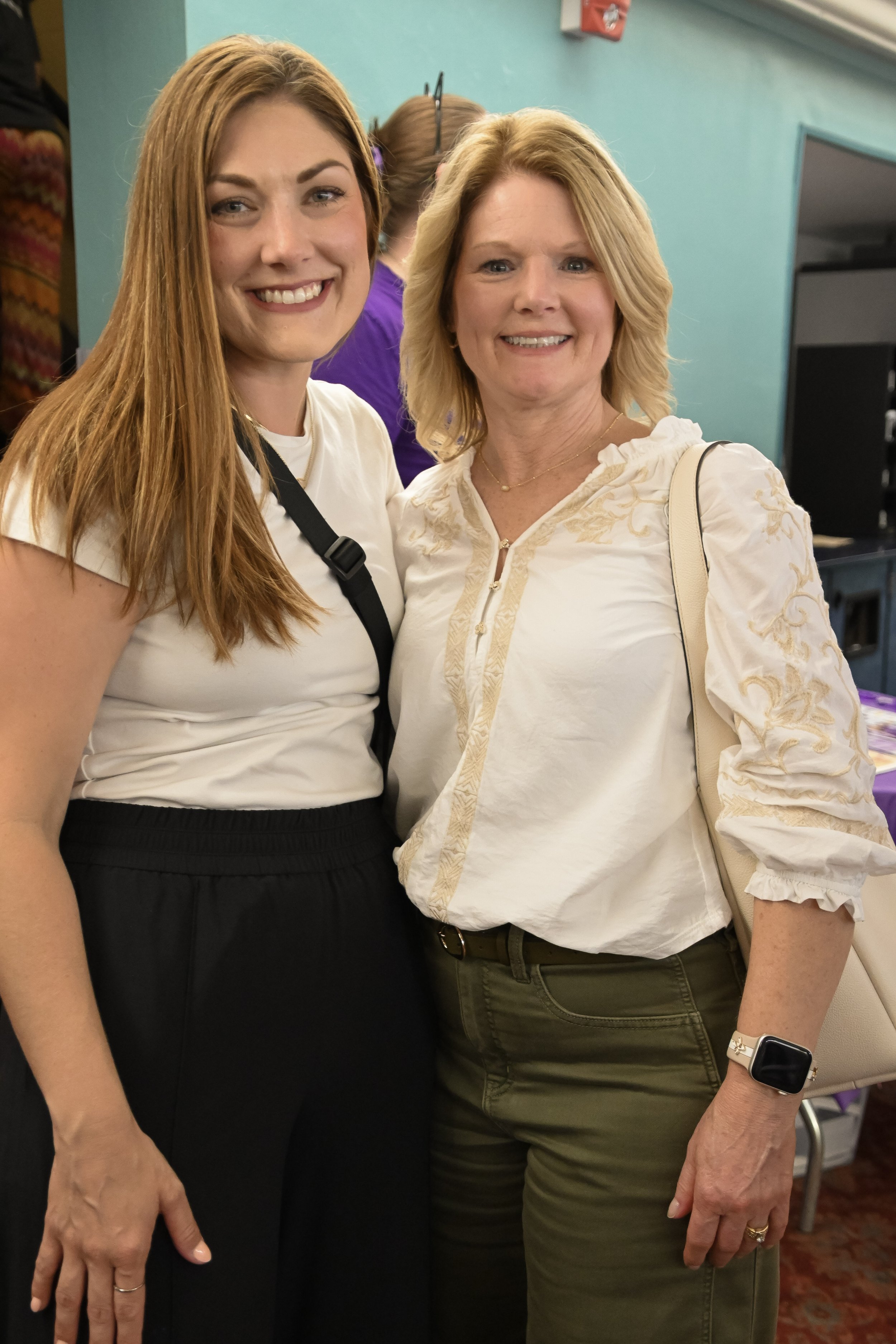
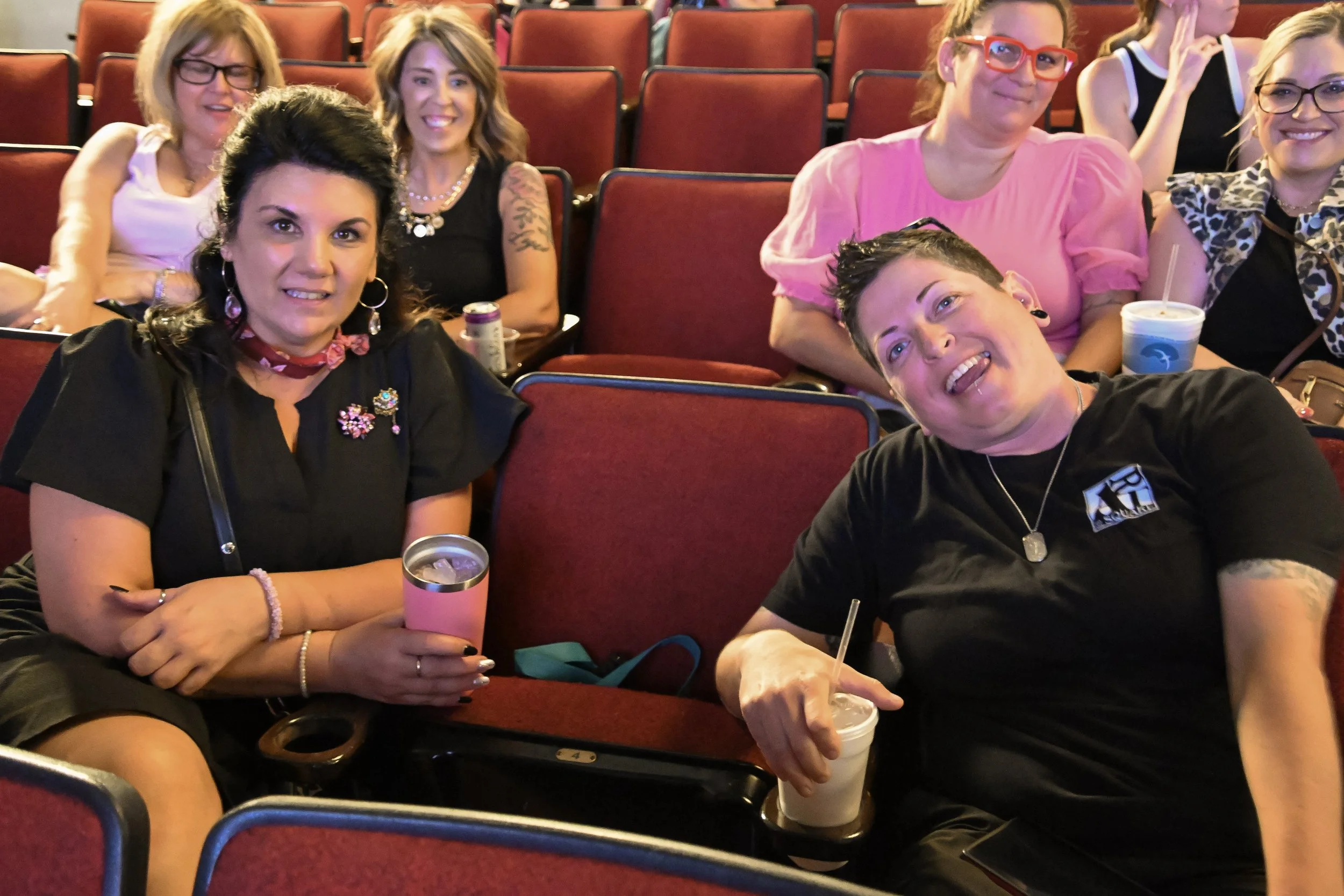
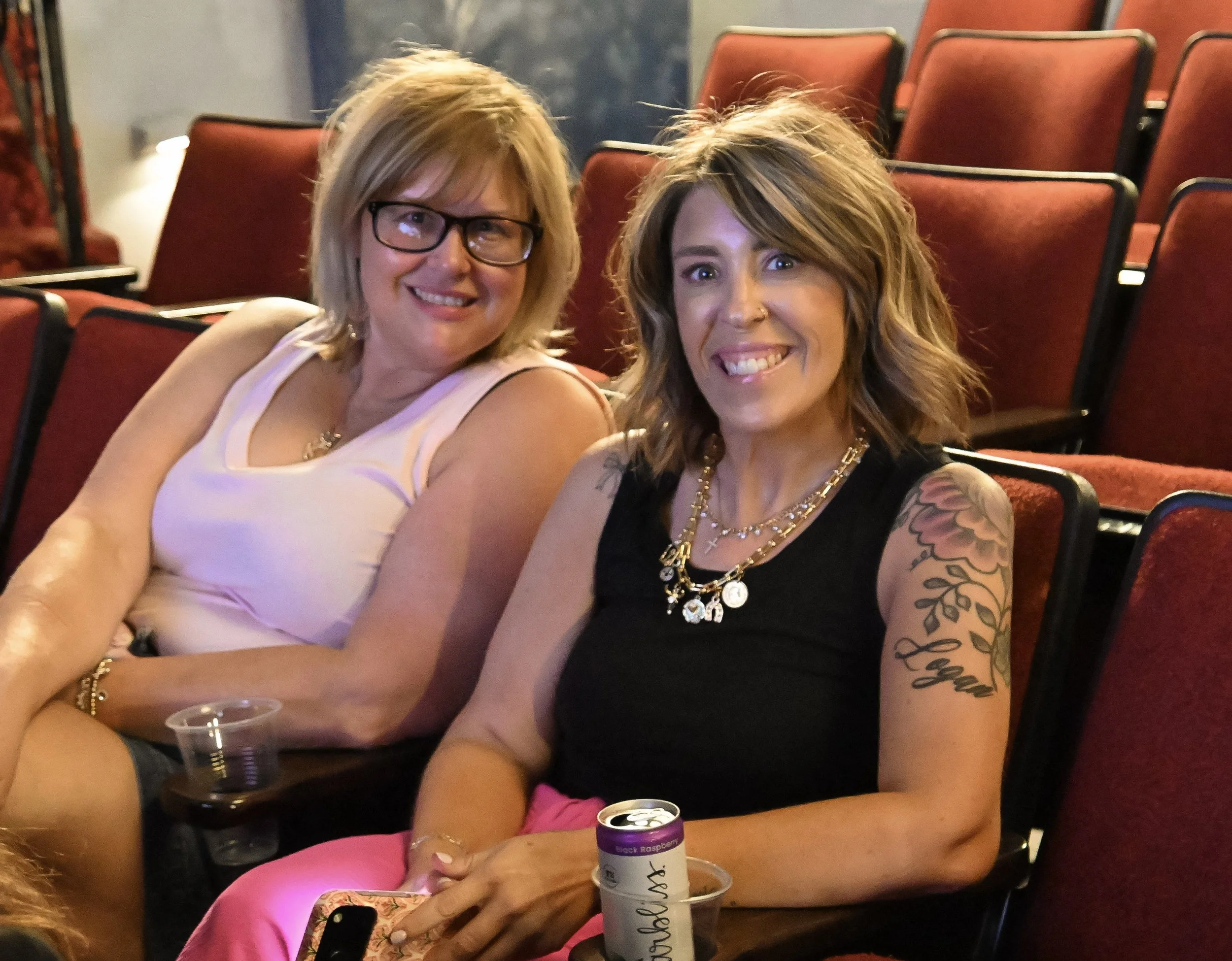
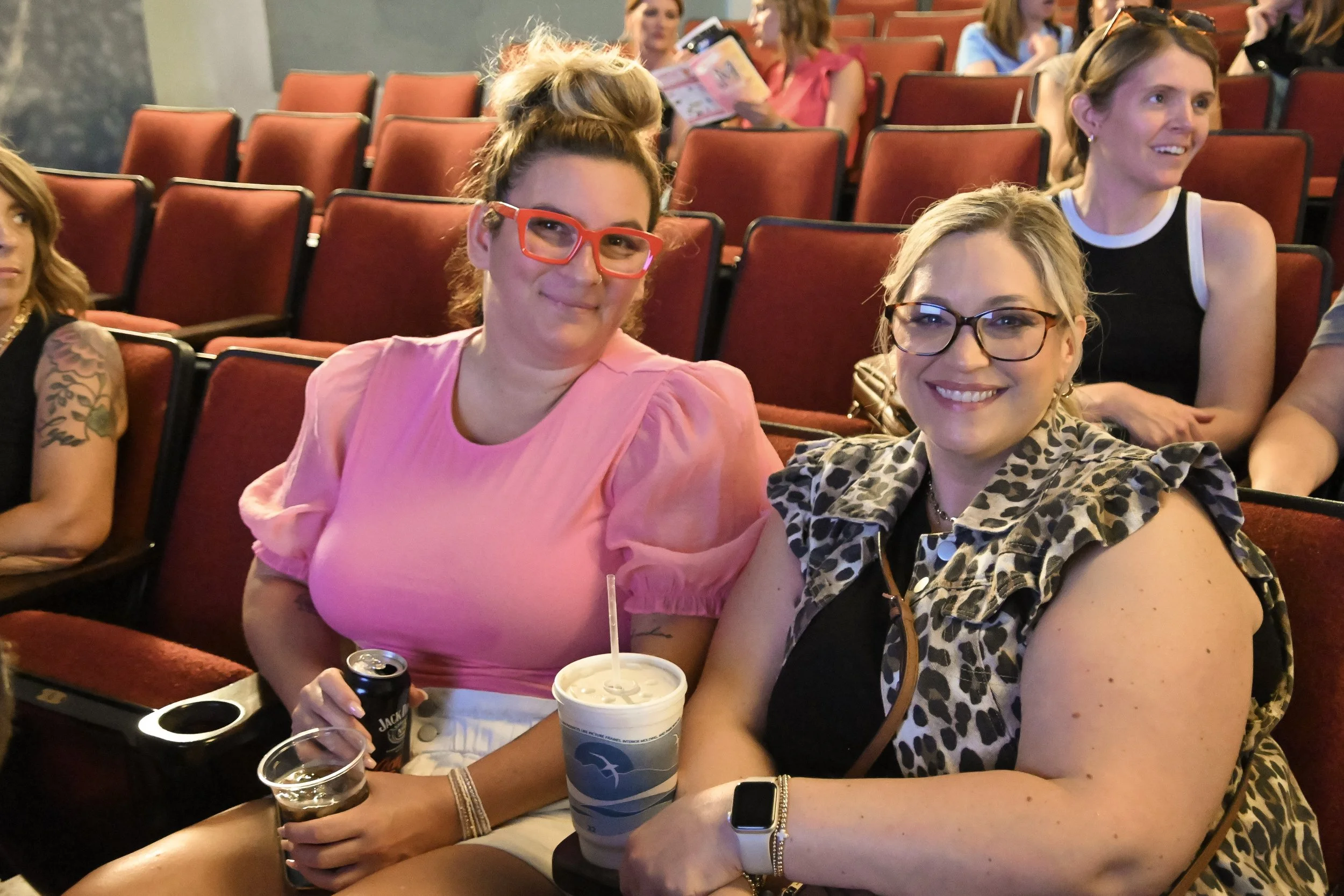
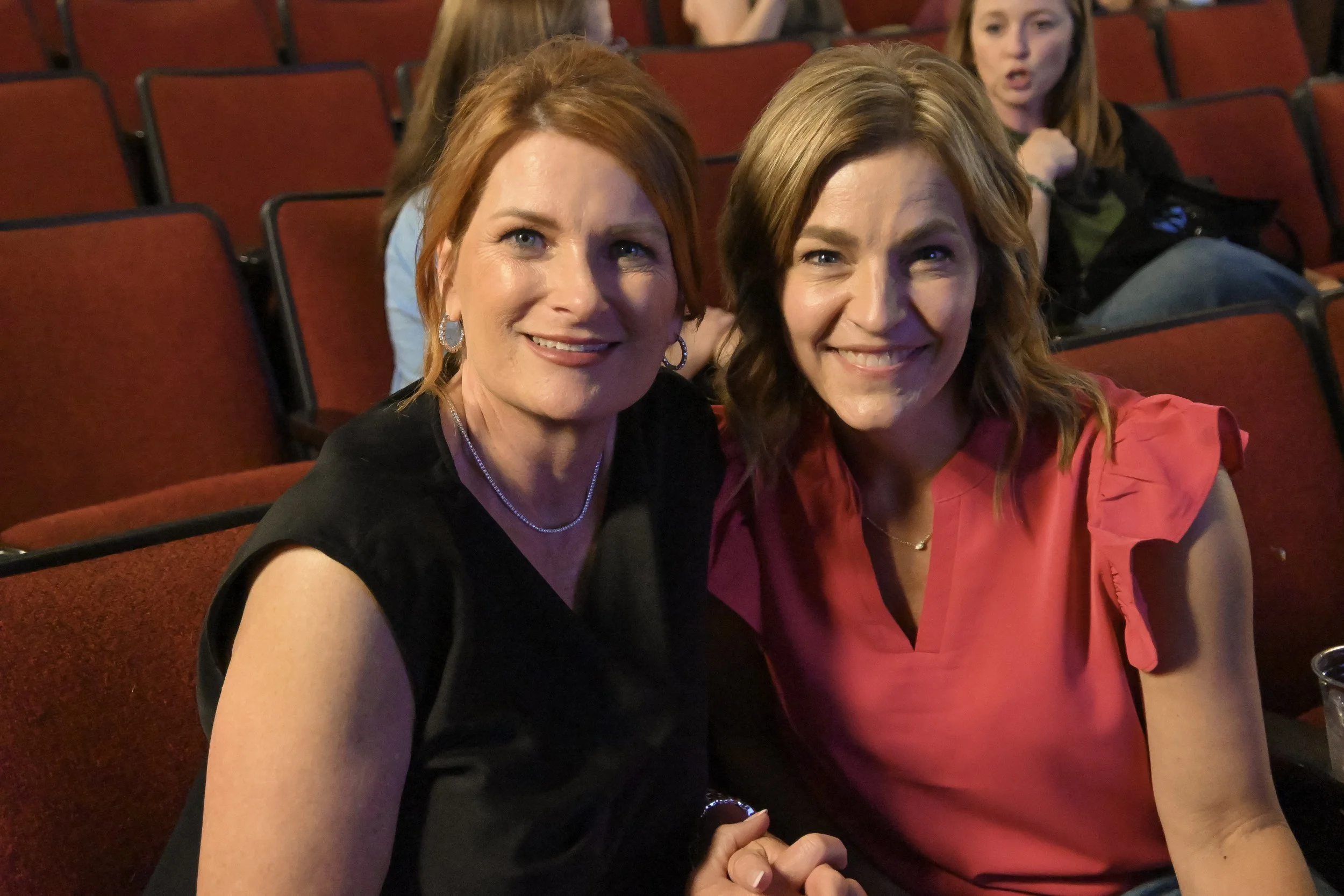
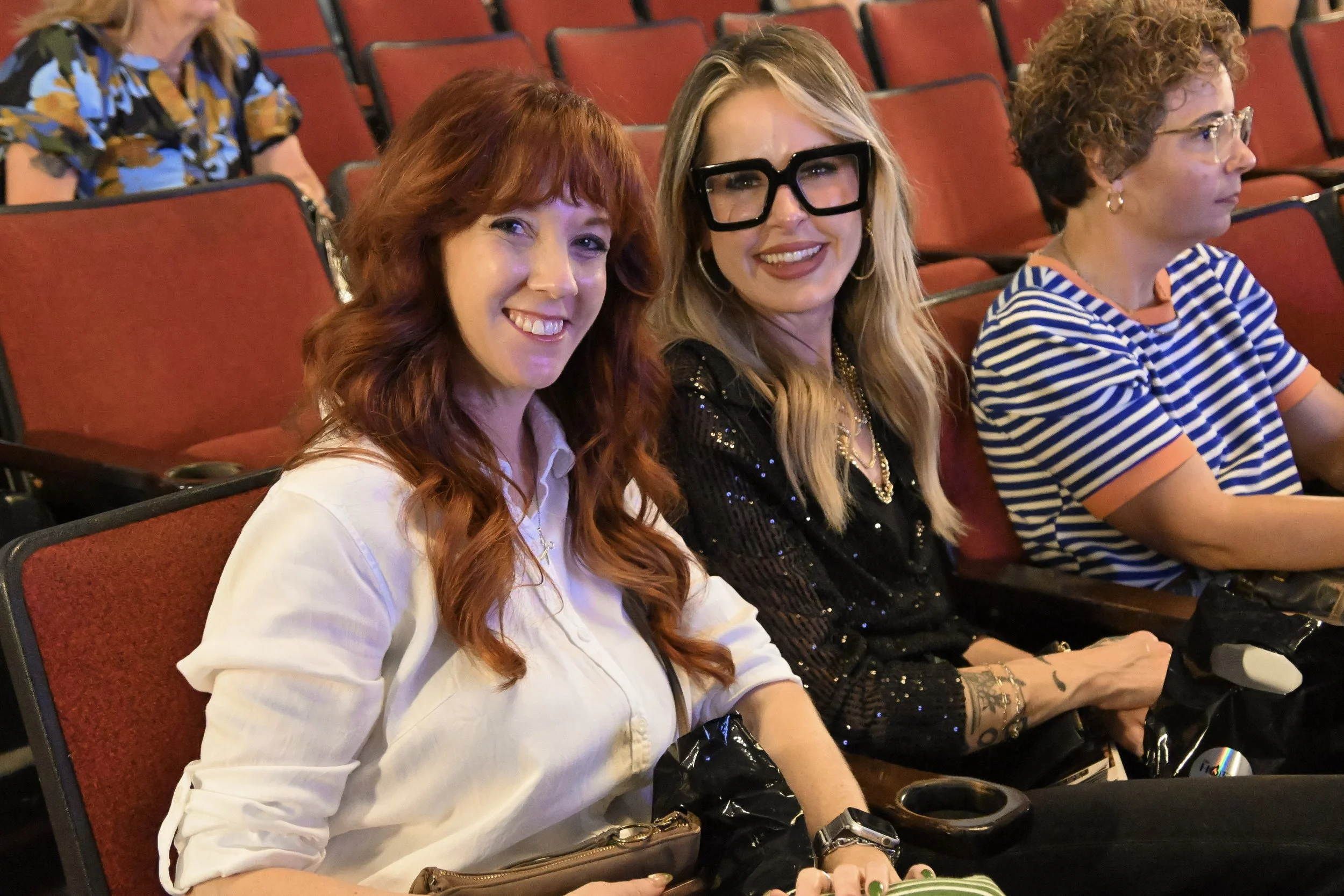
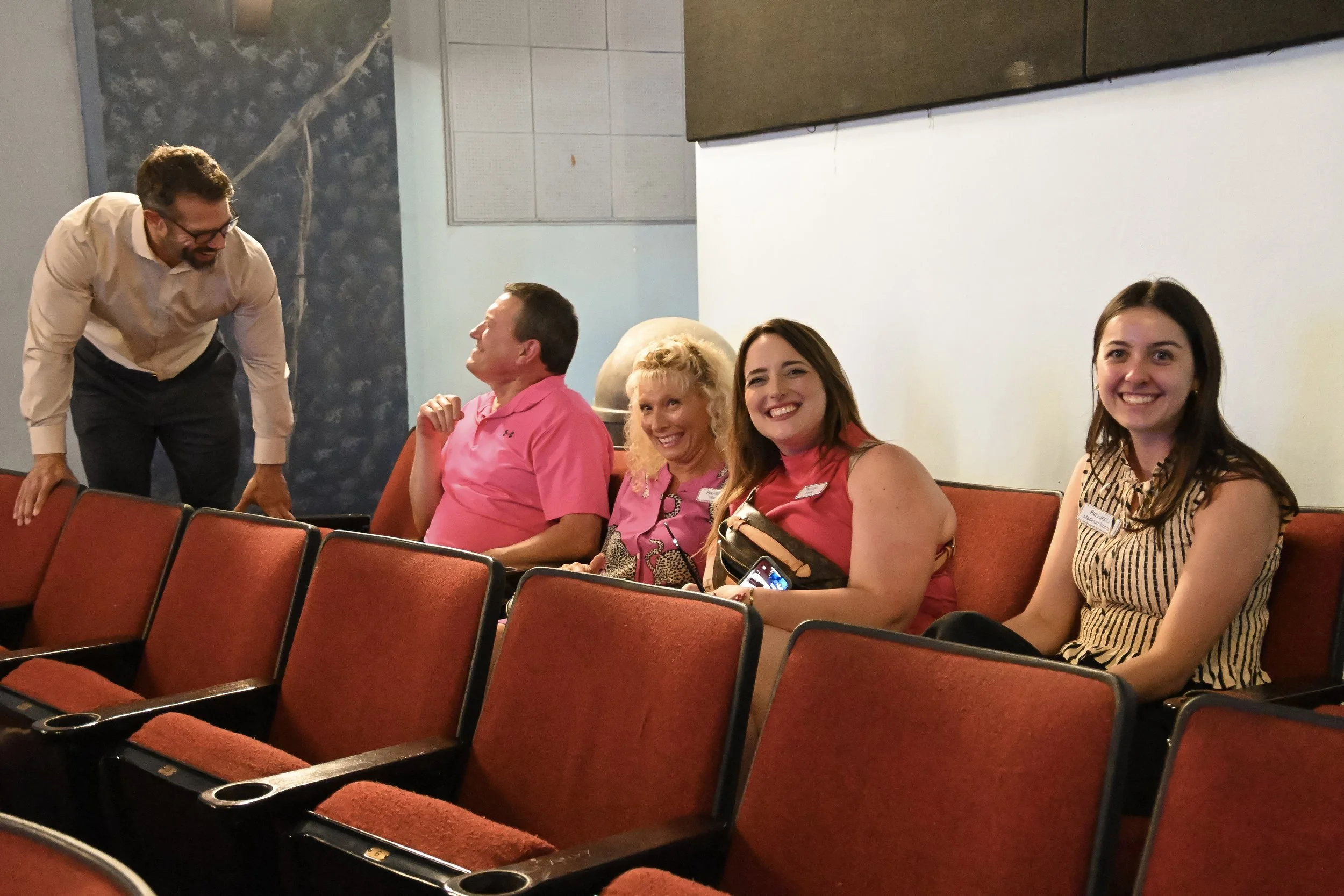
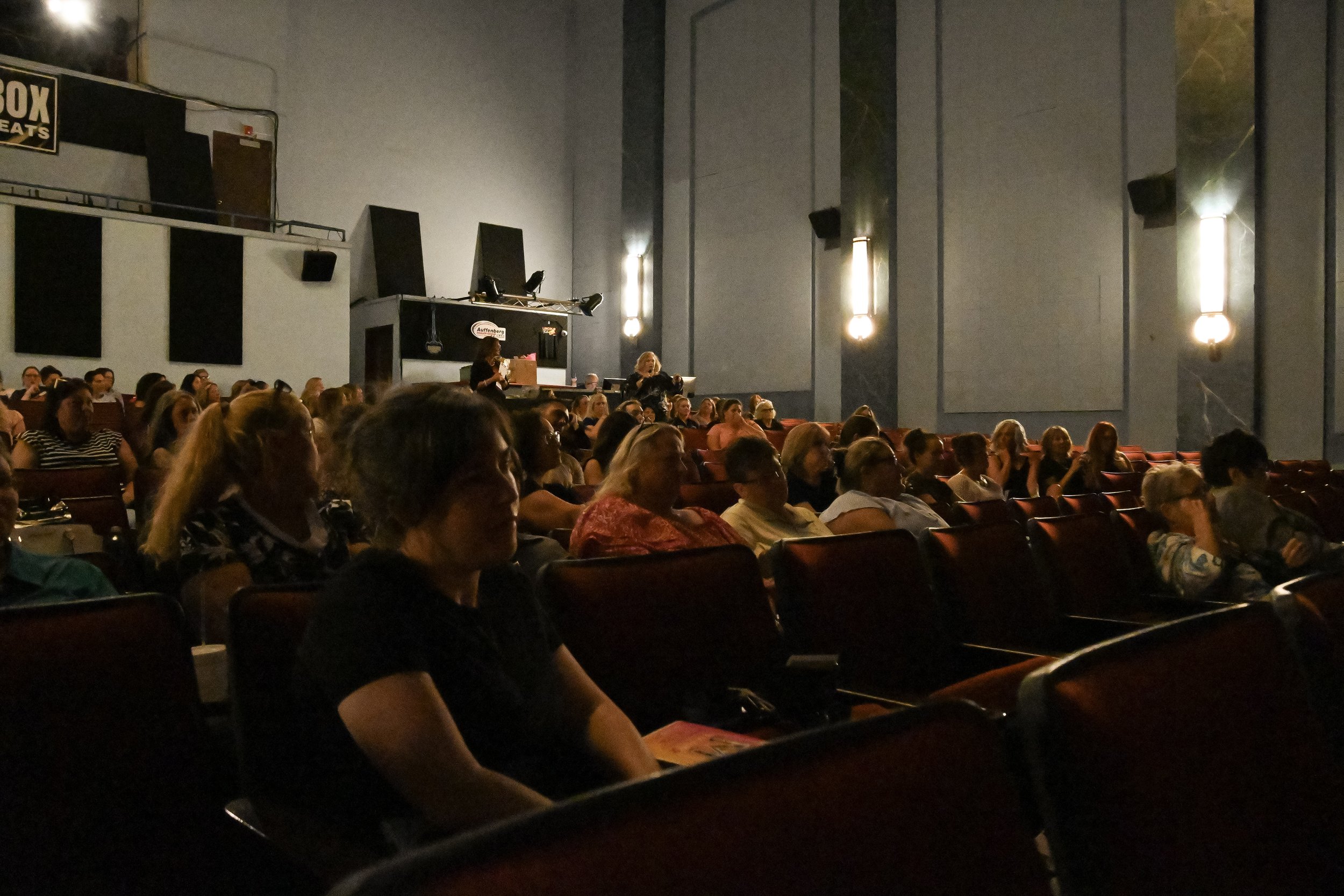
On Thursday, May 28, 2026, women gathered in Downtown Belleville, IL for an evening centered around awareness, education, and honest conversation about perimenopause.
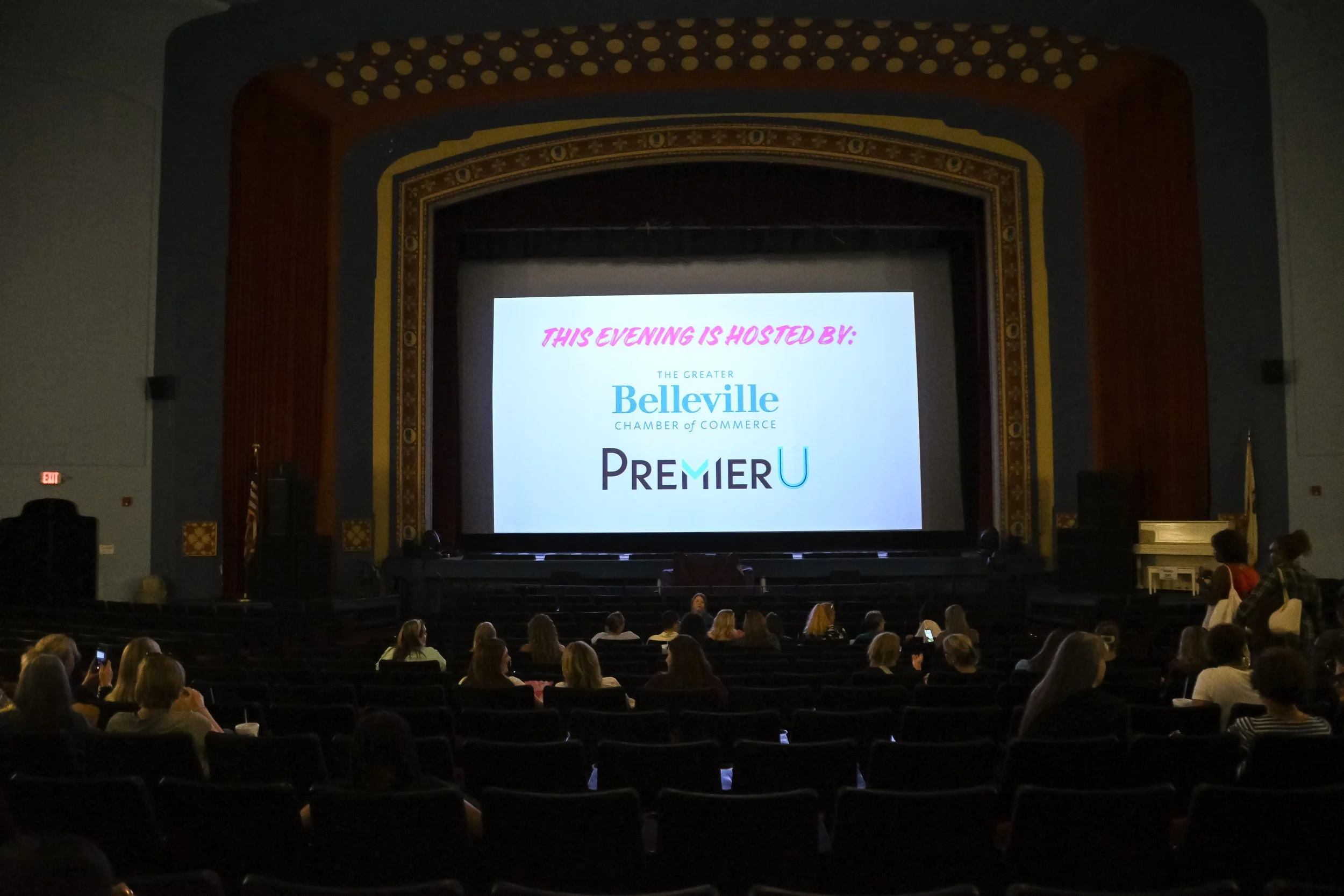
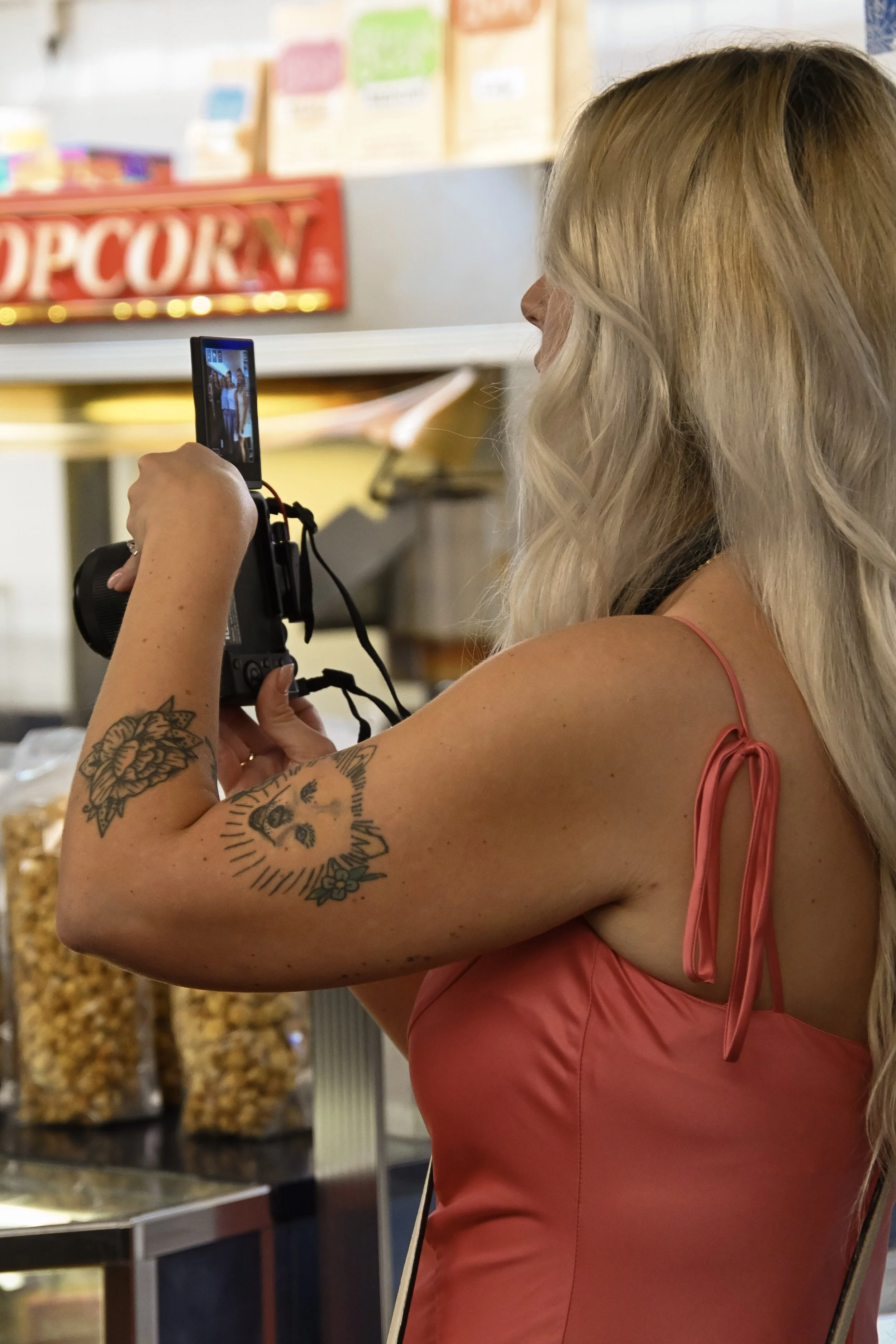
Hosted by the Belleville Chamber of Commerce and Premier U, the event began with a sip and shop from 4 to 6 p.m., giving attendees the opportunity to visit downtown boutiques and businesses including Blanquart’s Rusty Gem Vintage Market, Halo, Circa, Blush Home Decor, Saw Dust & Glitter, Abe’s Popcorn and more, before heading to the Lincoln Theater in Downtown Belleville for the main event.
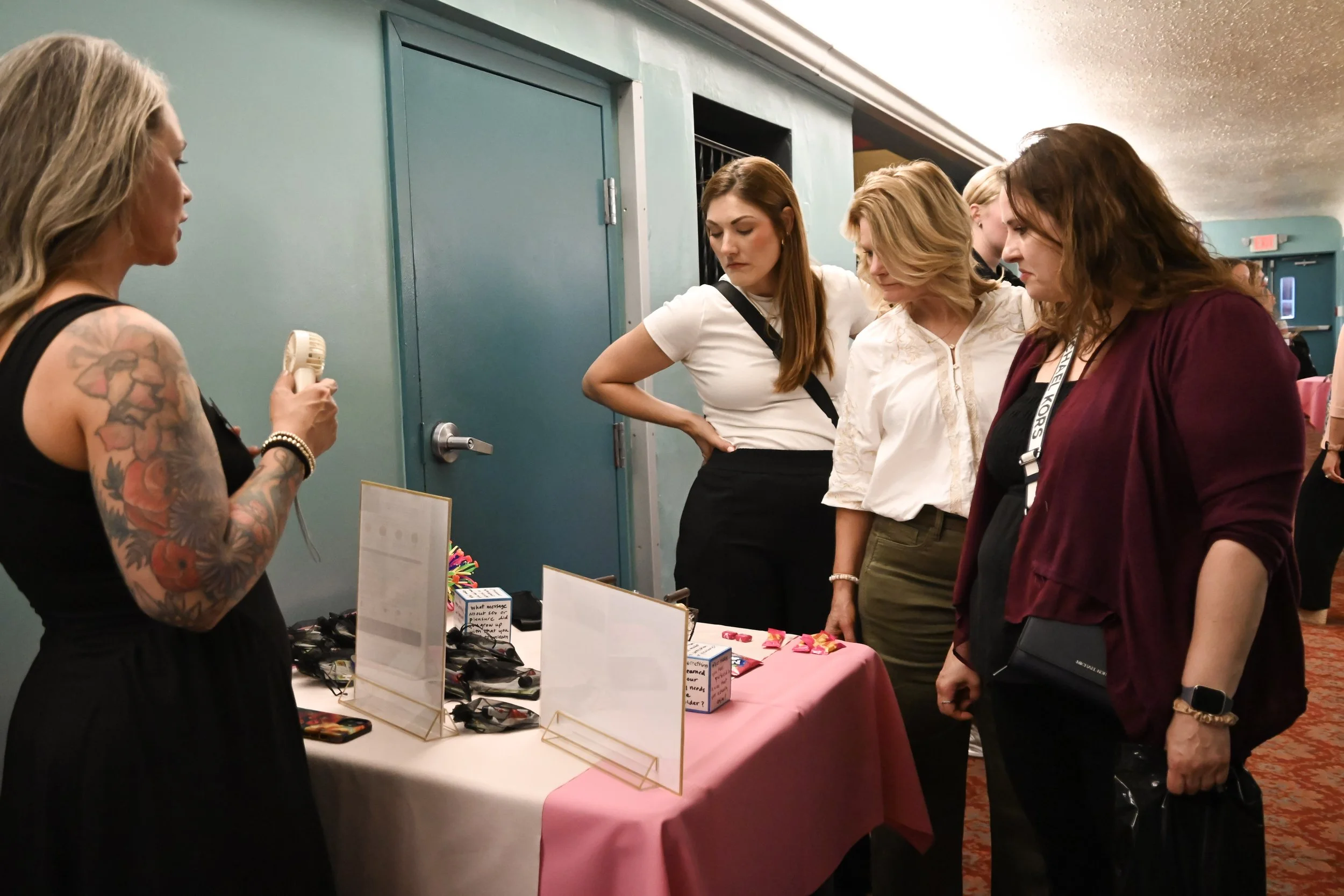
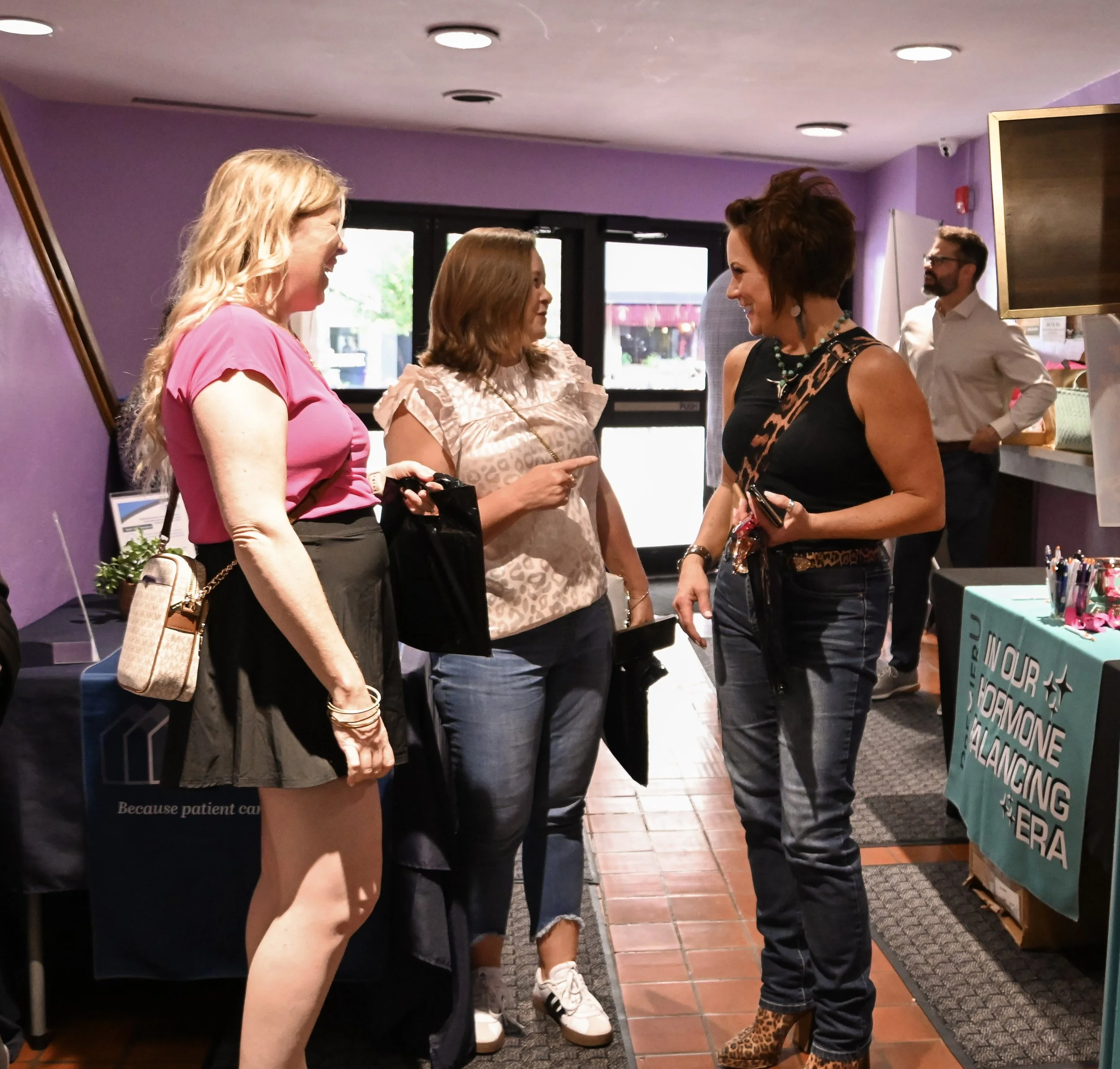
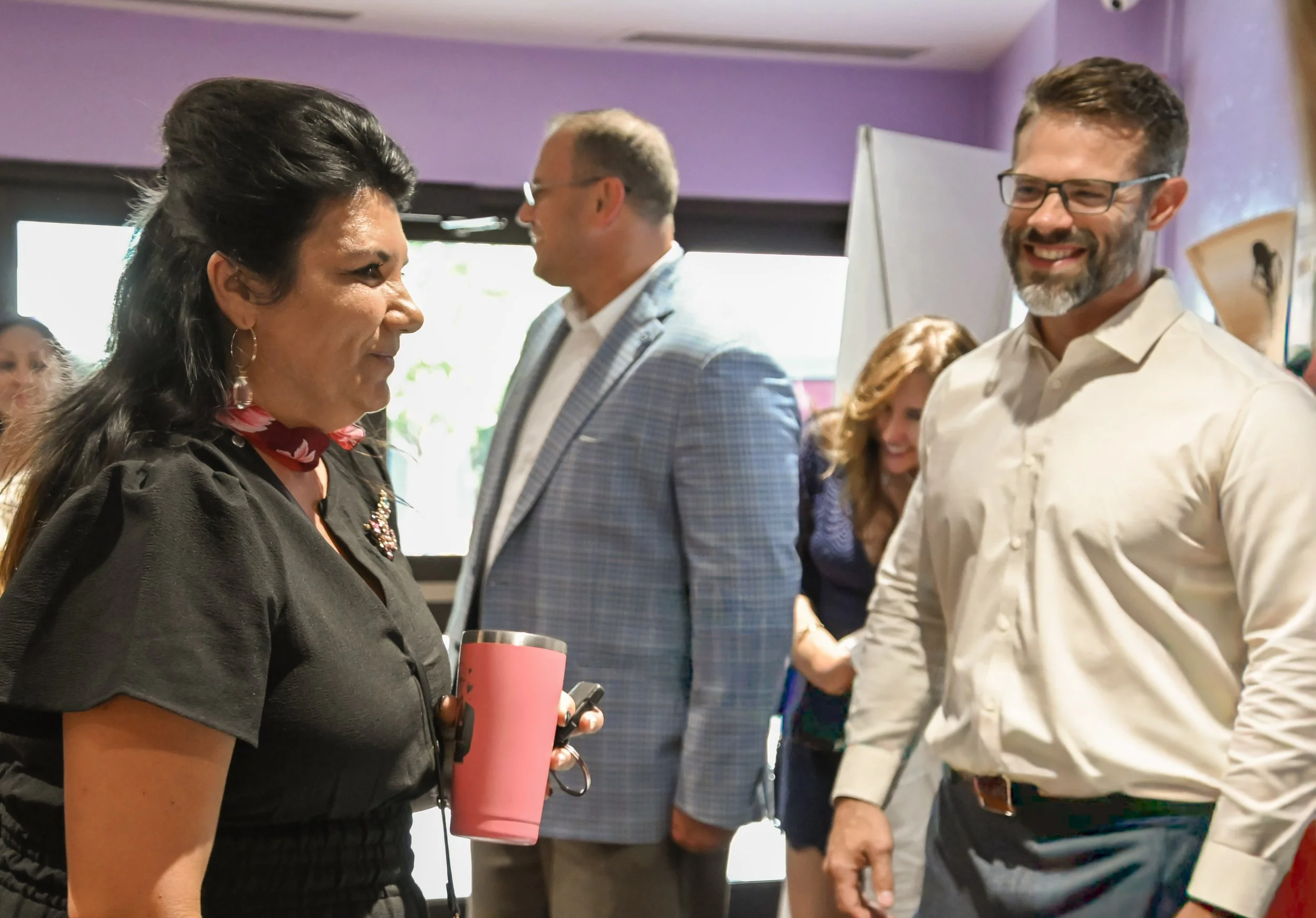
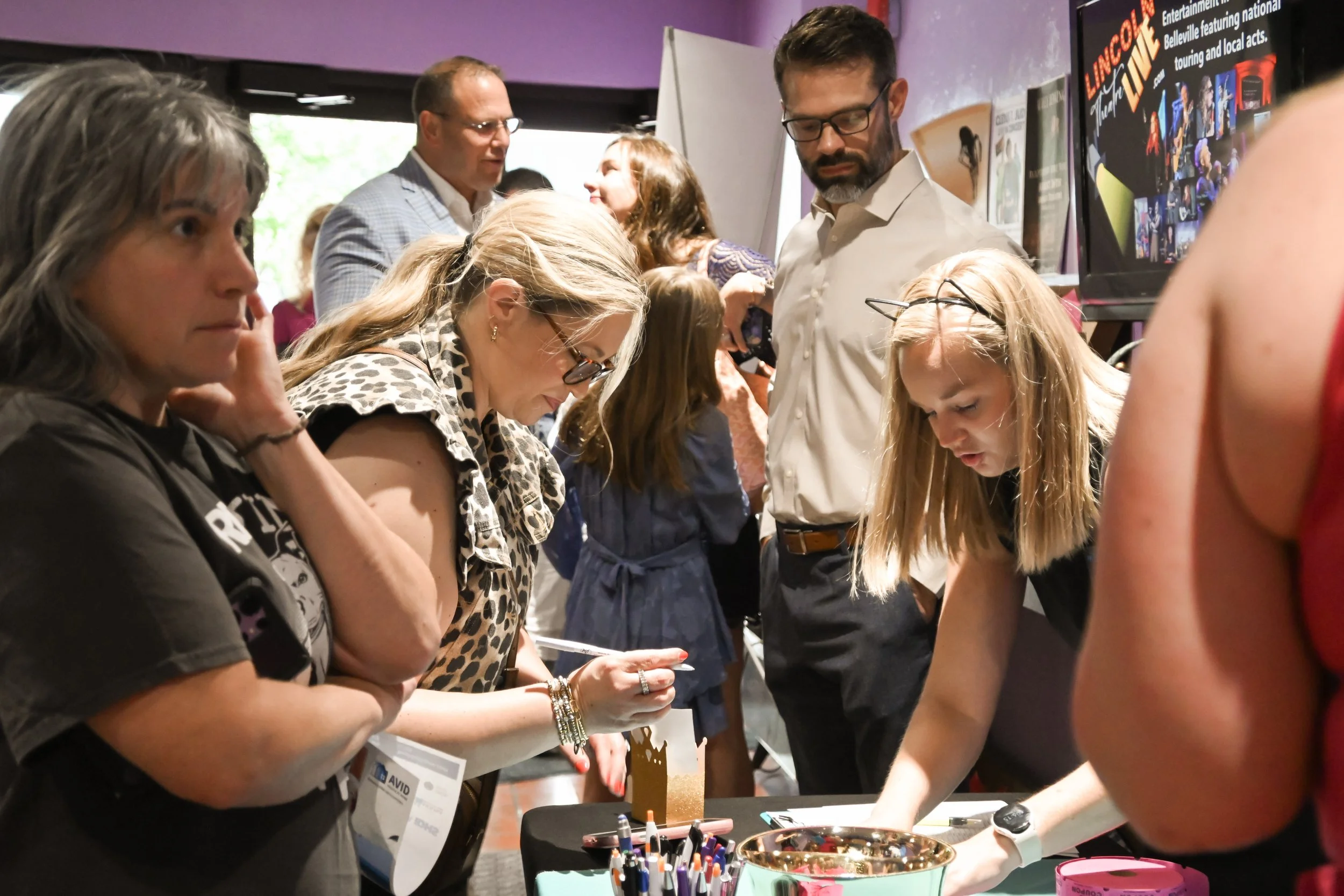
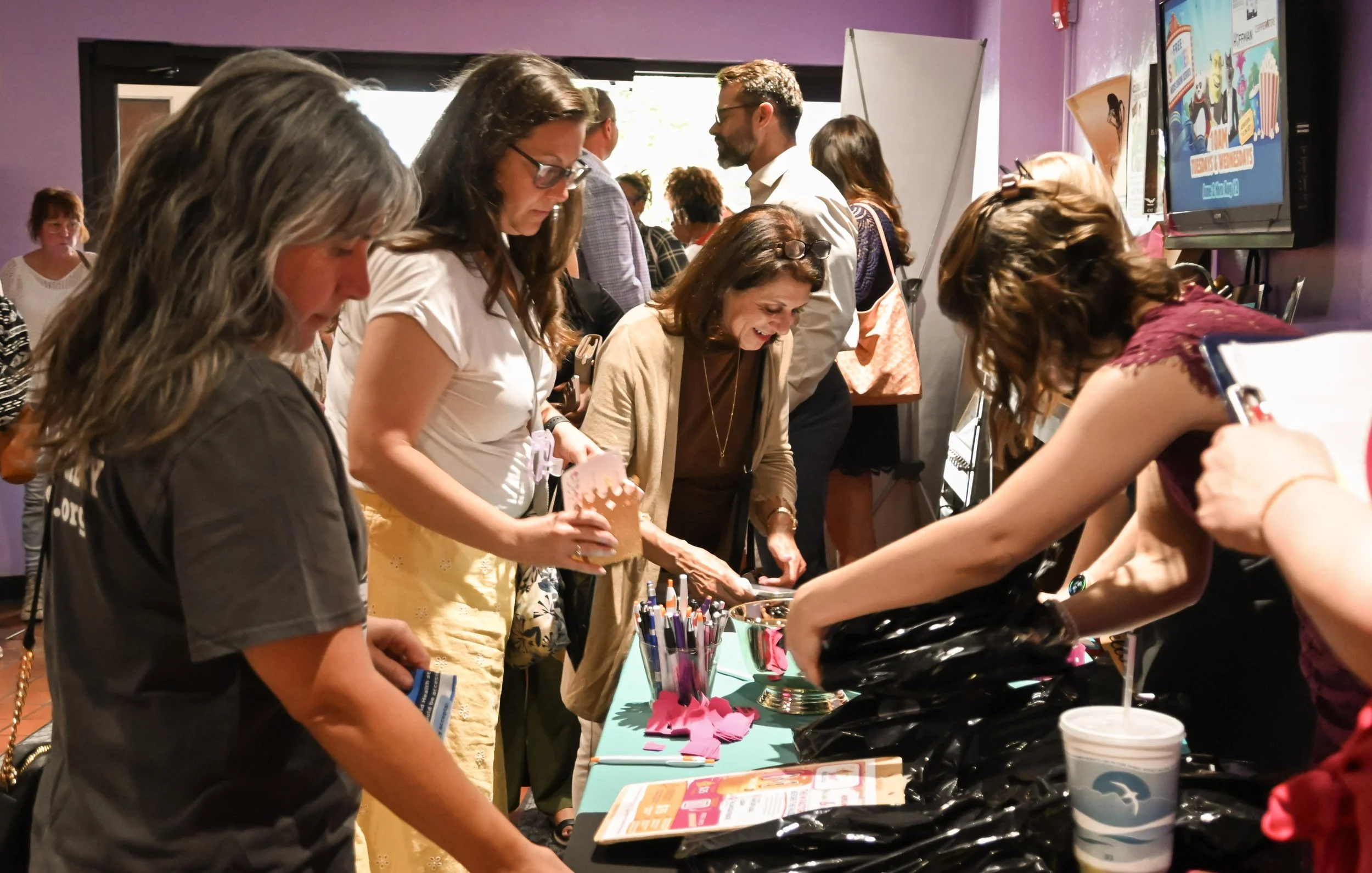
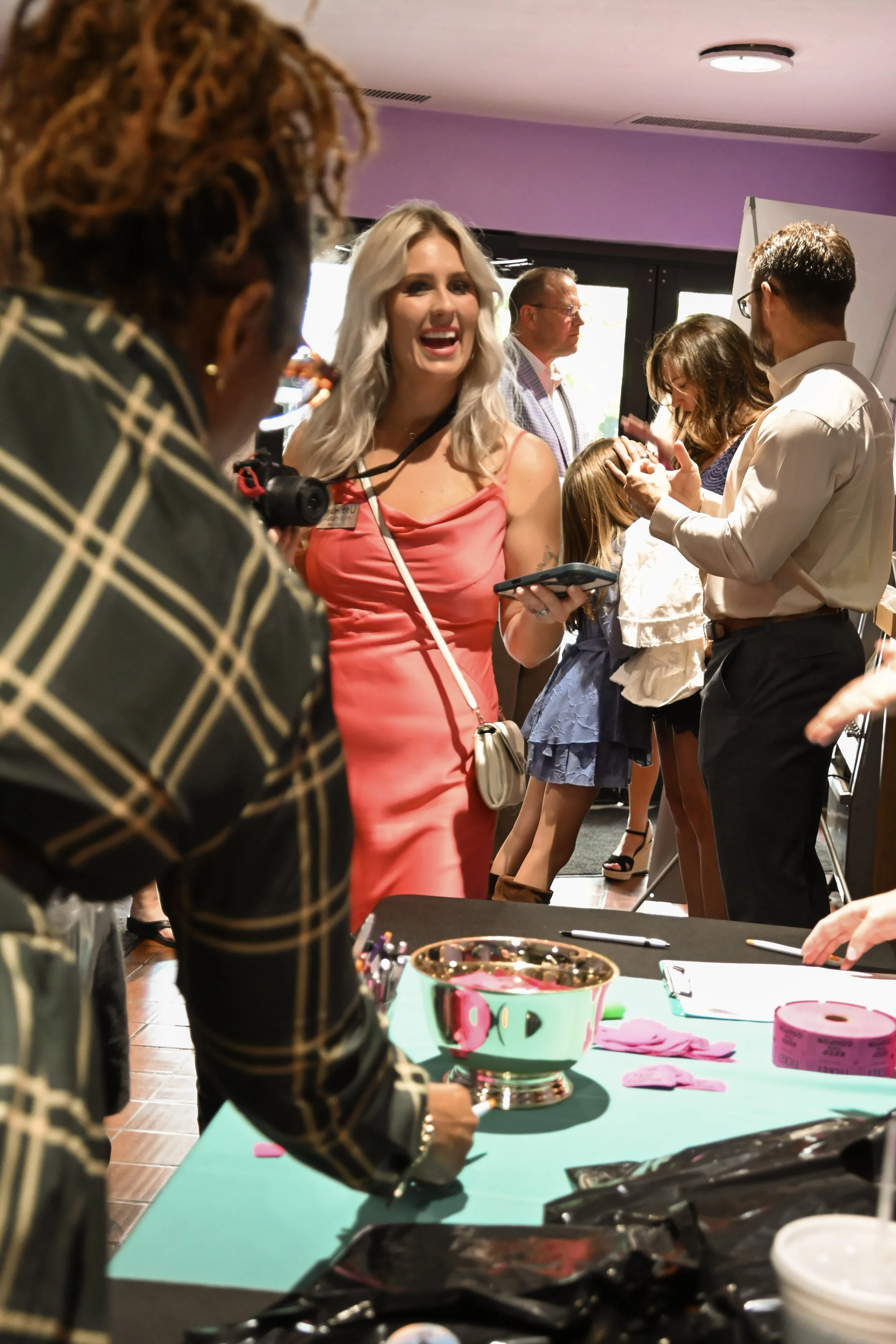
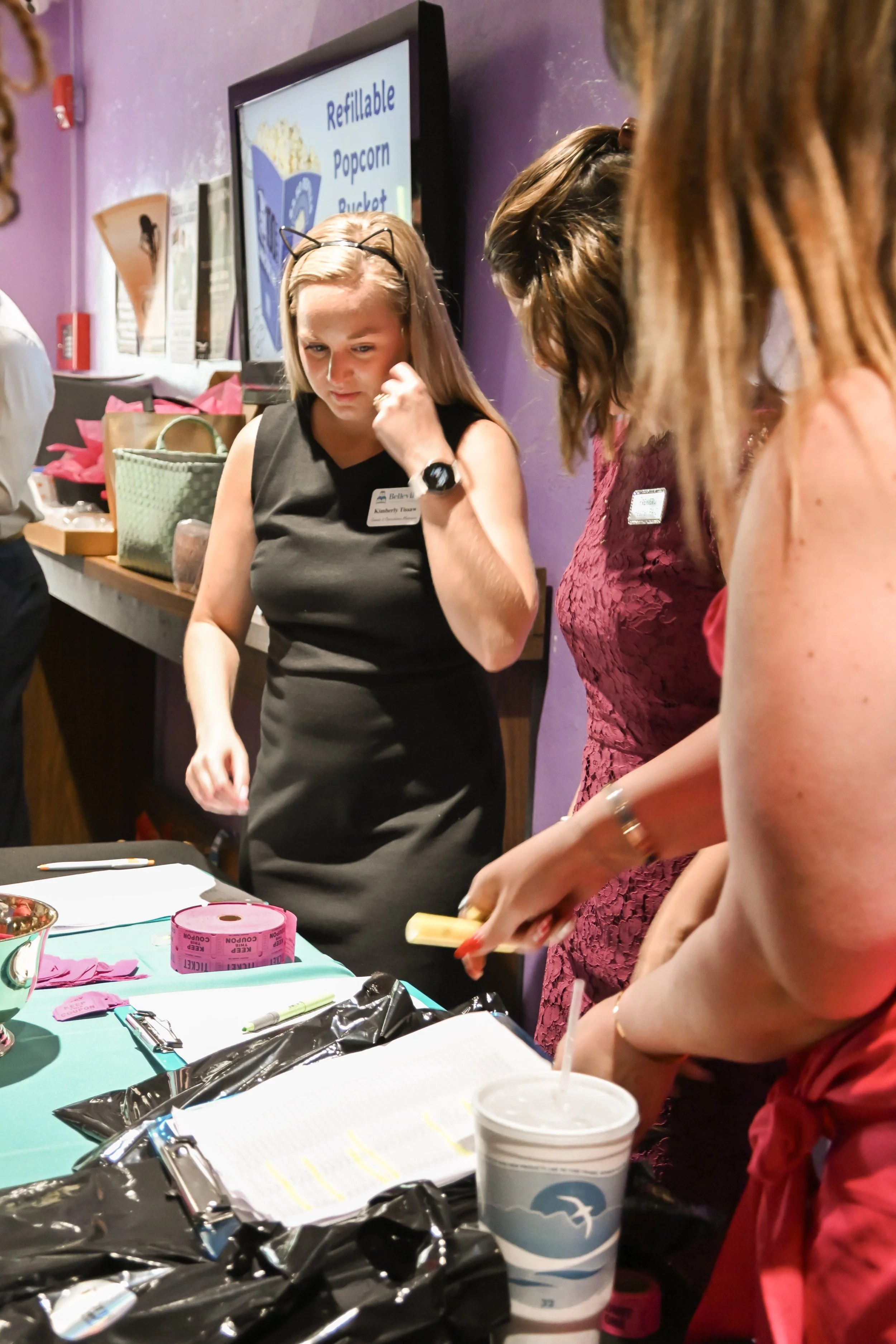
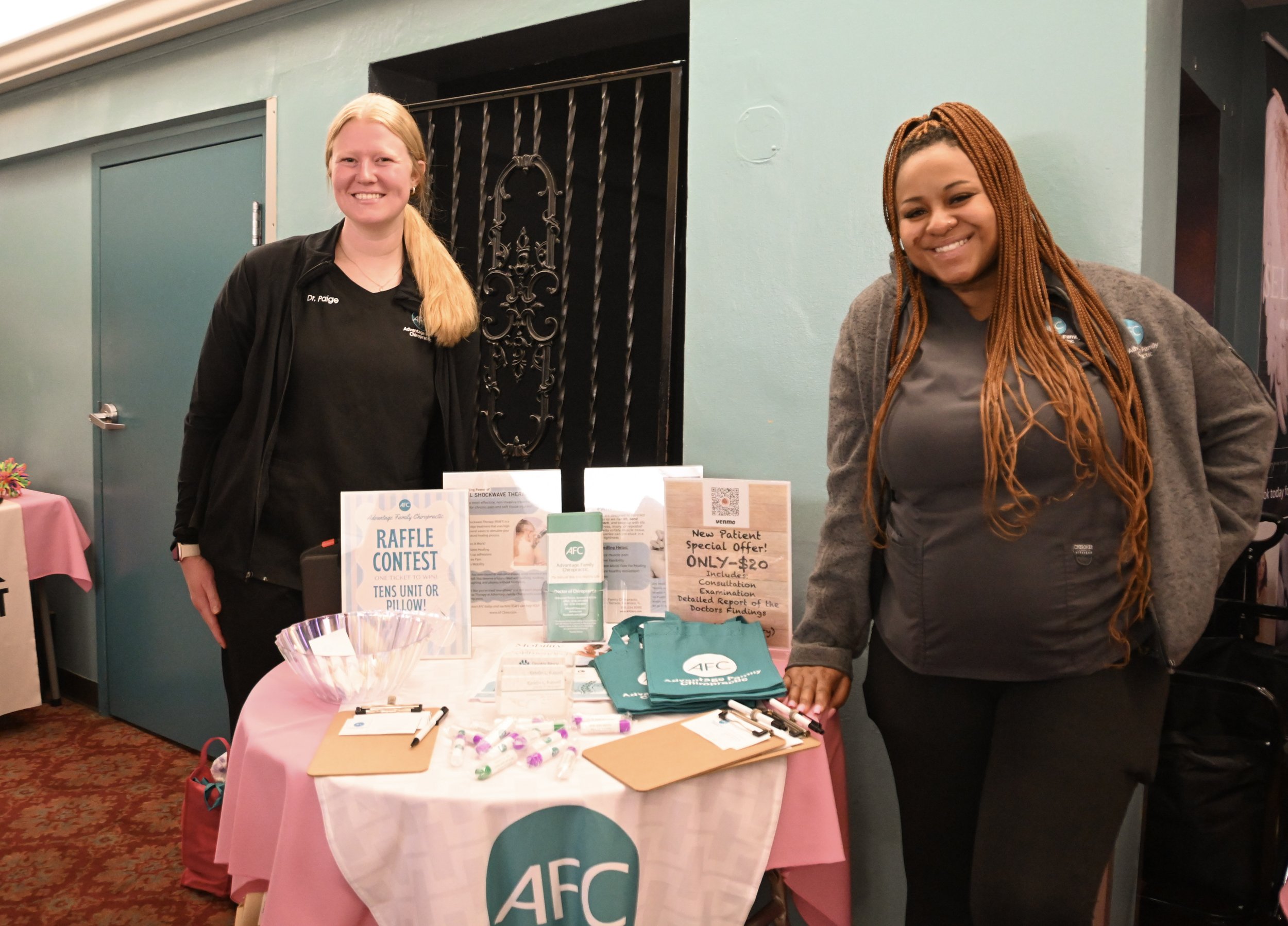
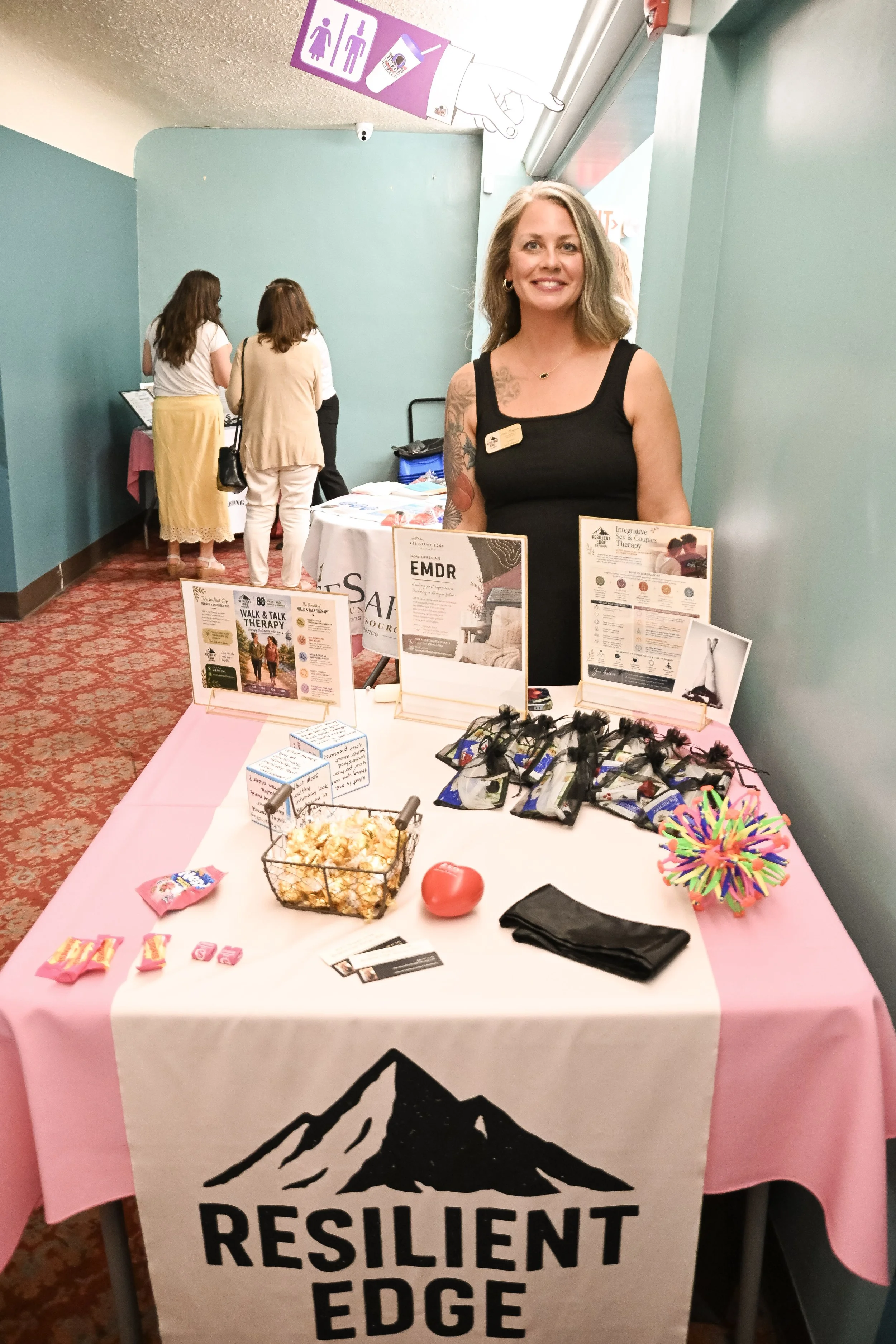
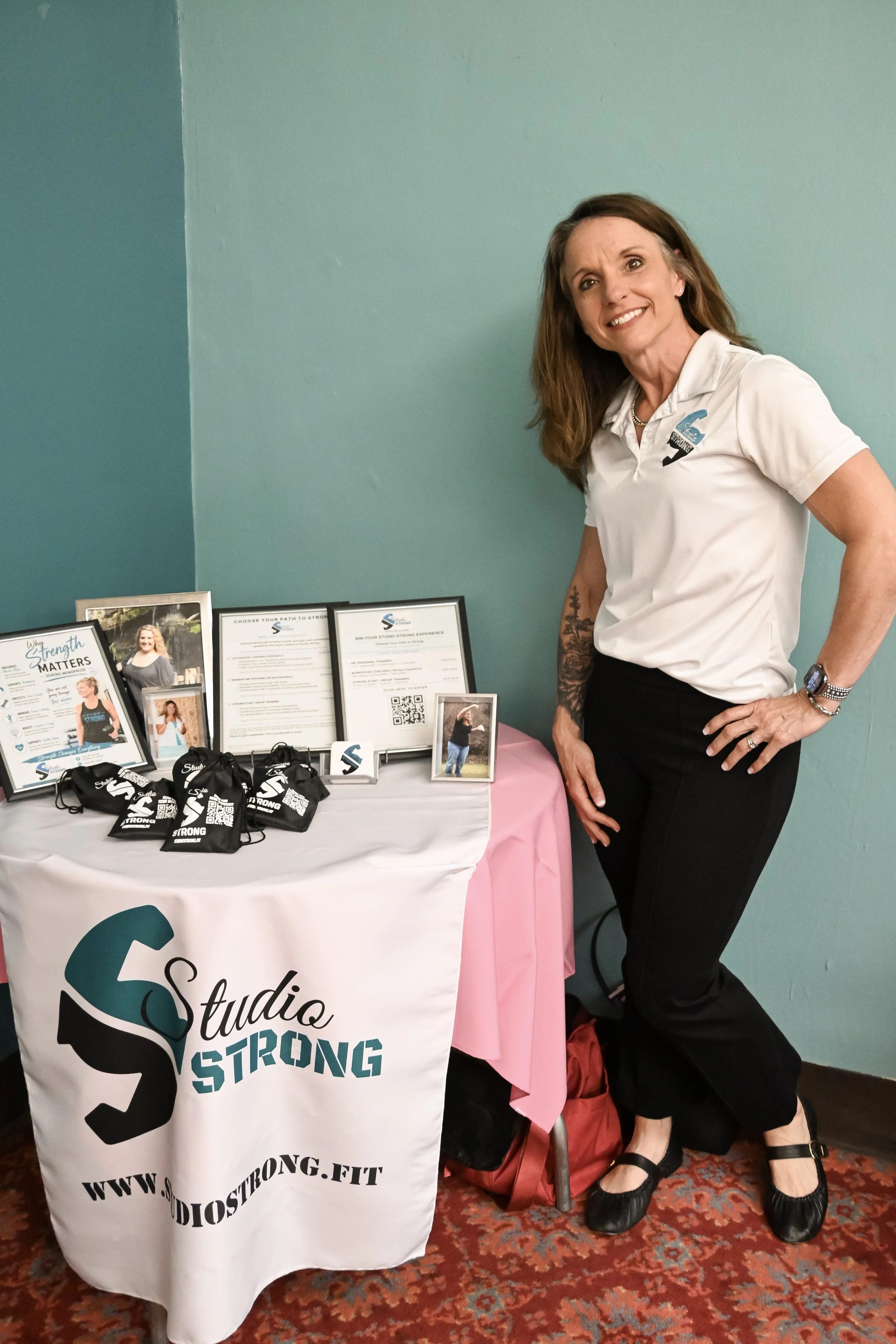
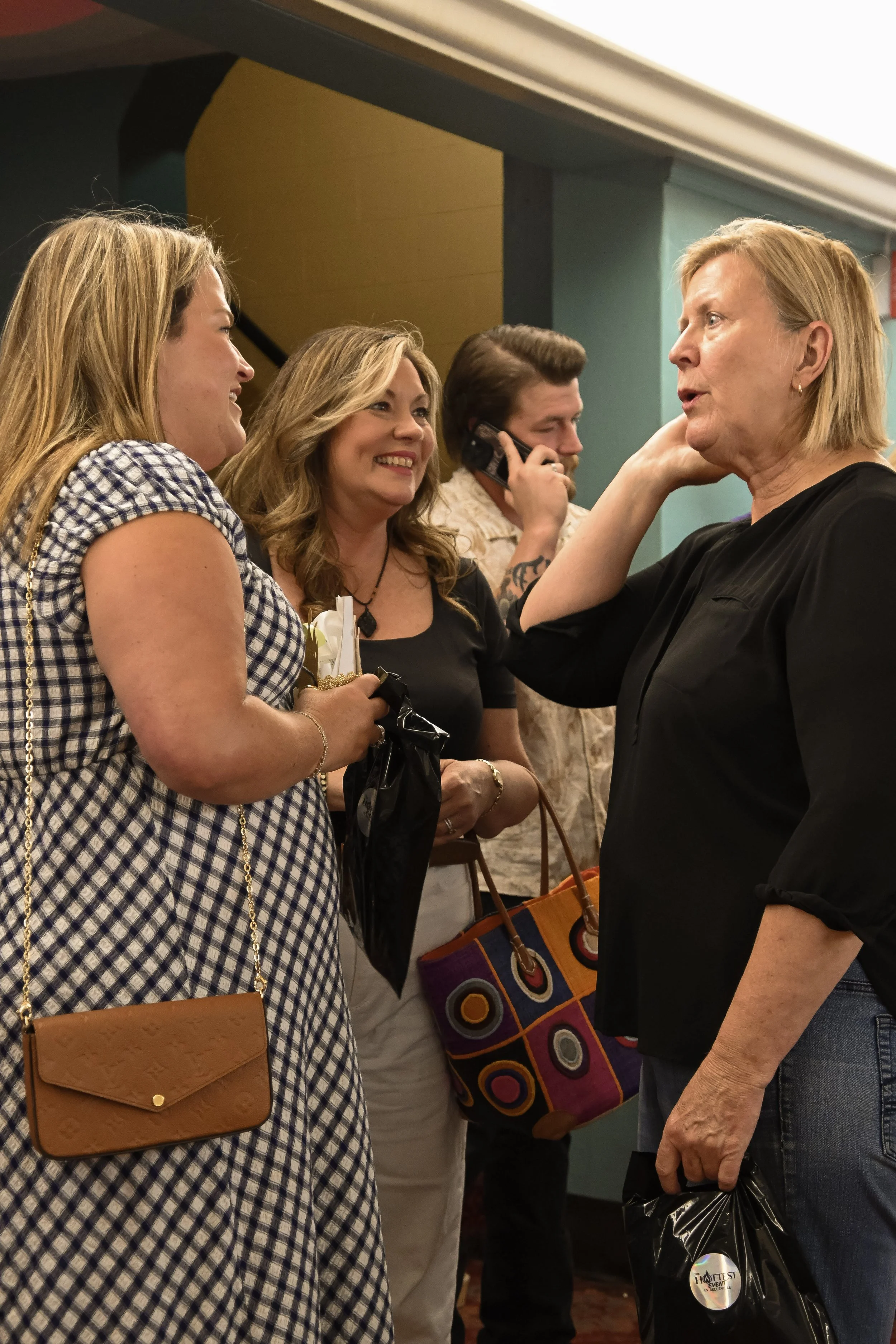
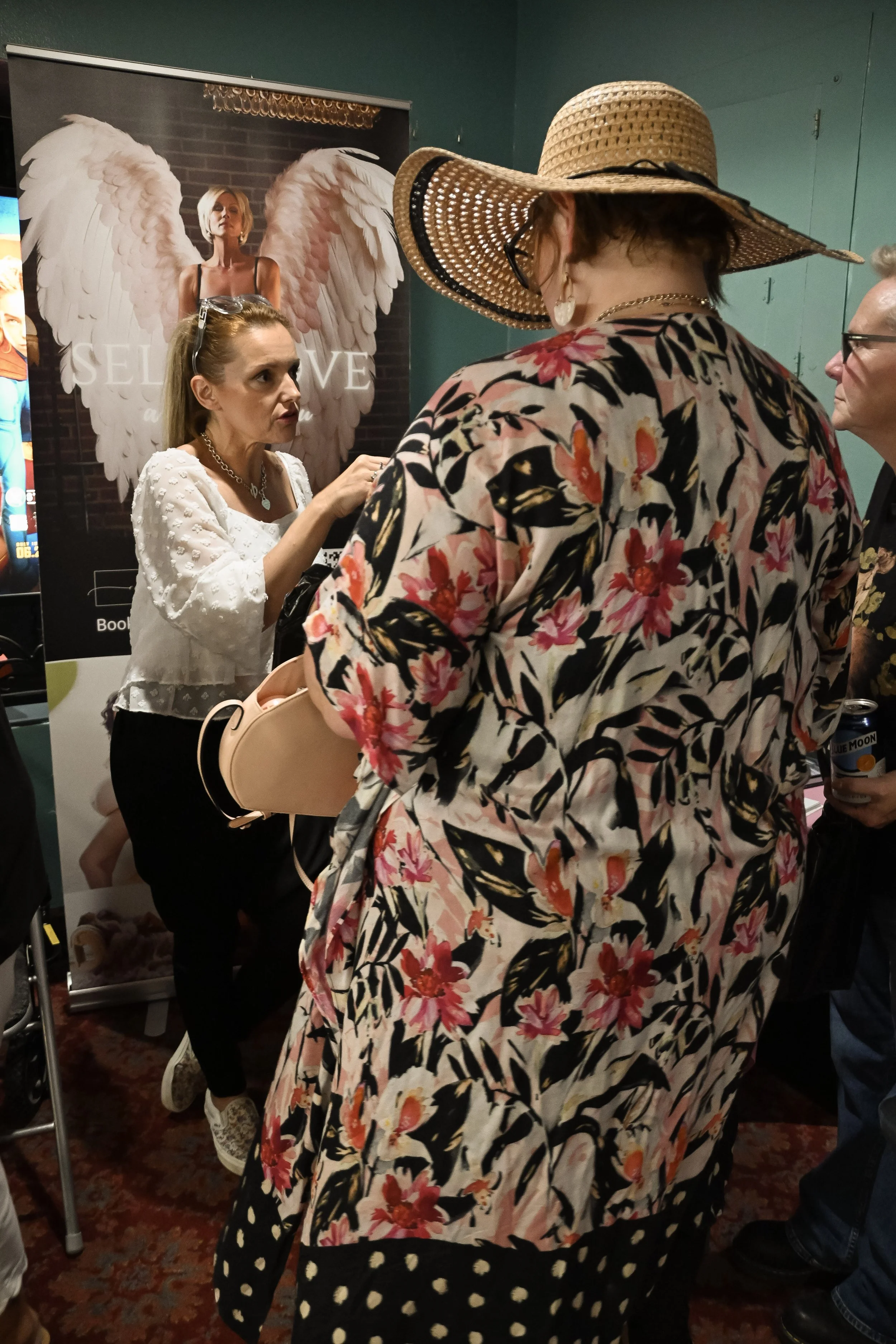
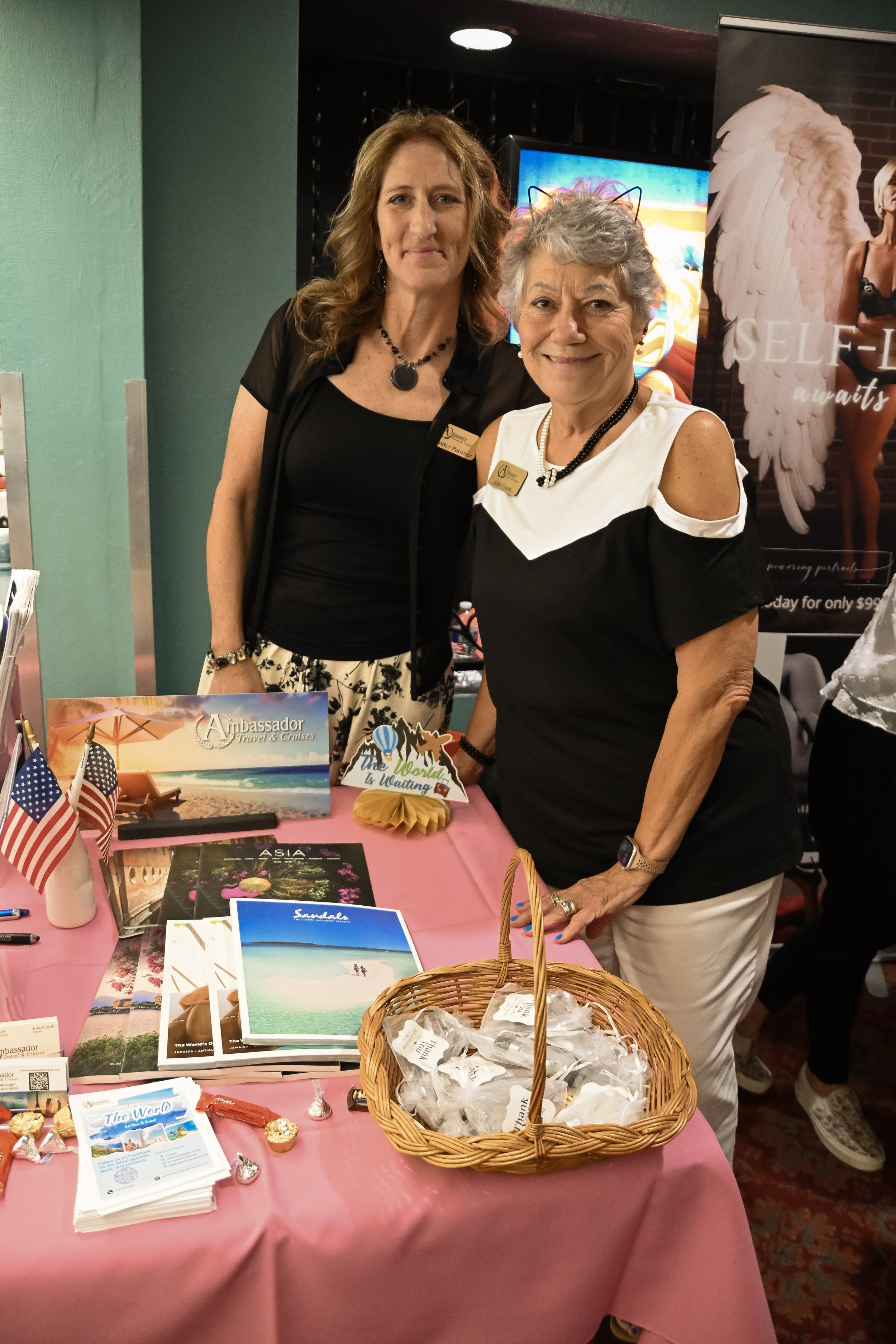
Prior to the showing, attendees registered for a free attendance prize that included gifts from McCullough’s Flooring, GlowInto, Beast Craft BBQ, Save the Girls Touchscreen Purses, and more. The conversations also began flowing through the lobby of the theater as guests were greeted by sponsors at tables for Studio Strong, AgeSmart Community Resources, Ambassador Travel, Resilient Edge Therapy, AFC, Walk To End Alzheimer’s,Empowering Portraits, and Busy Body Meals.
The evening featured a showing of The M Factor: The Pause Before the M, a documentary by content creator Tamsen Fadal. Held in the downstairs theater at the Lincoln Theater, the one-hour film opened the door to a topic many women experience but often do not fully understand until they are already in the middle of it.
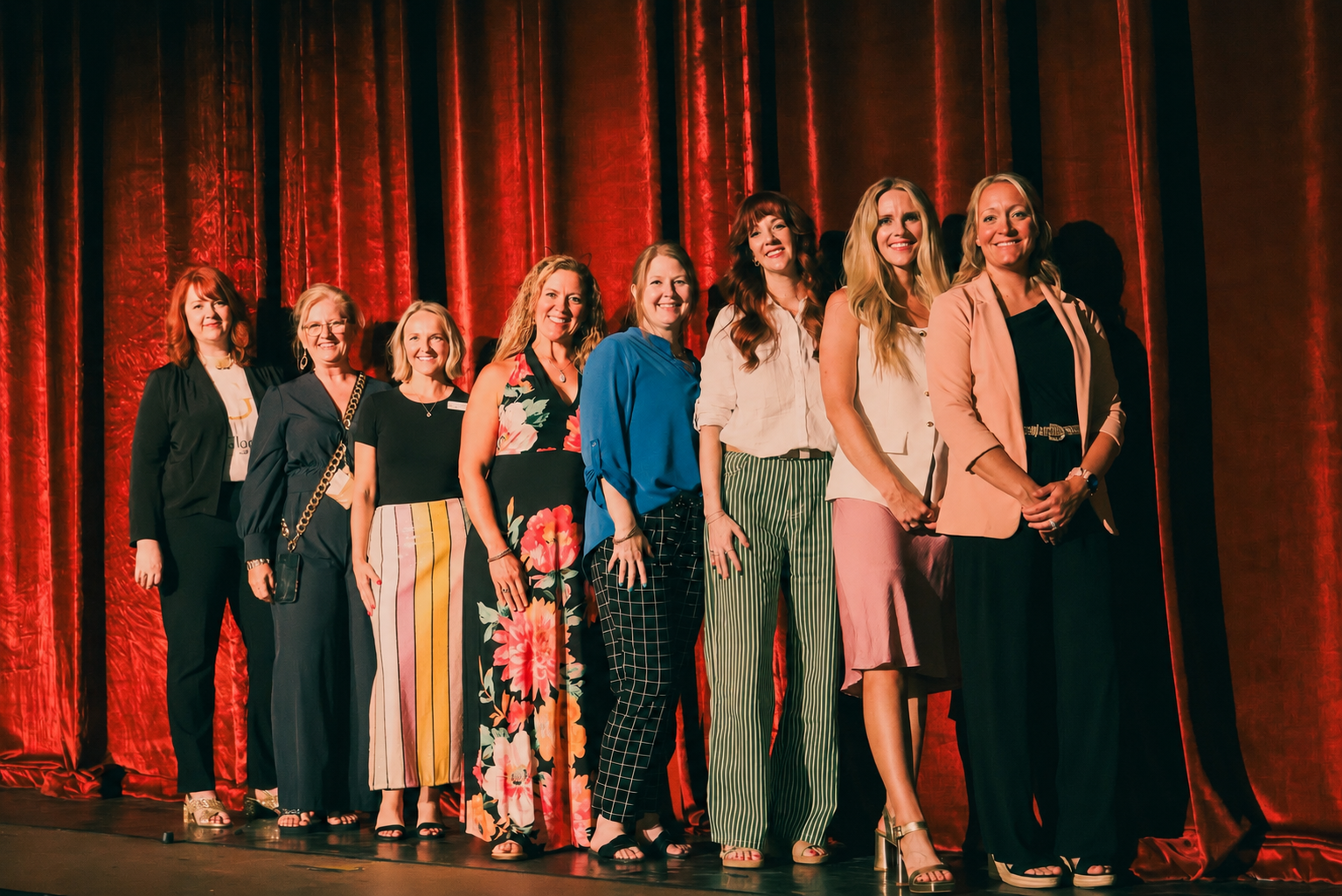
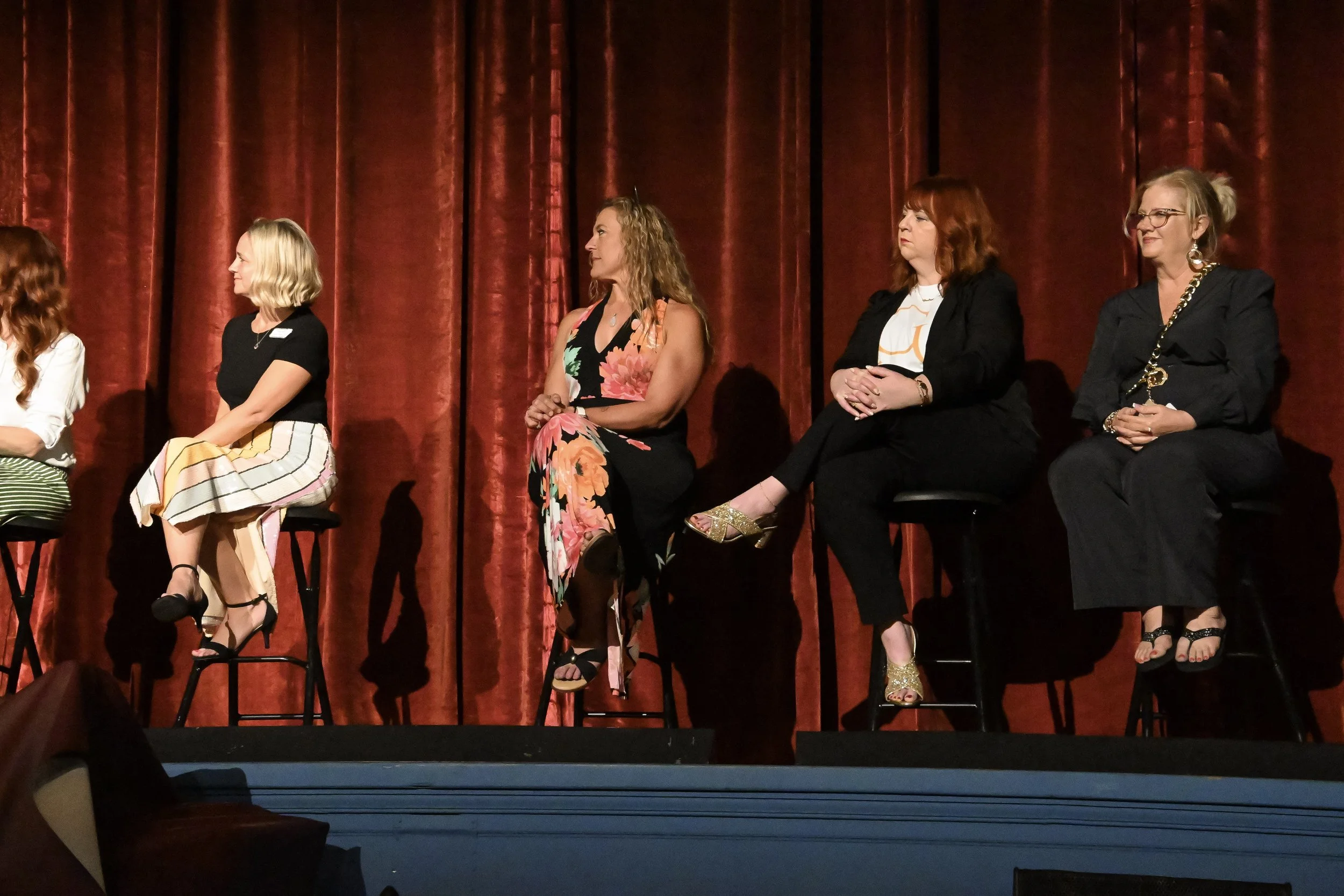
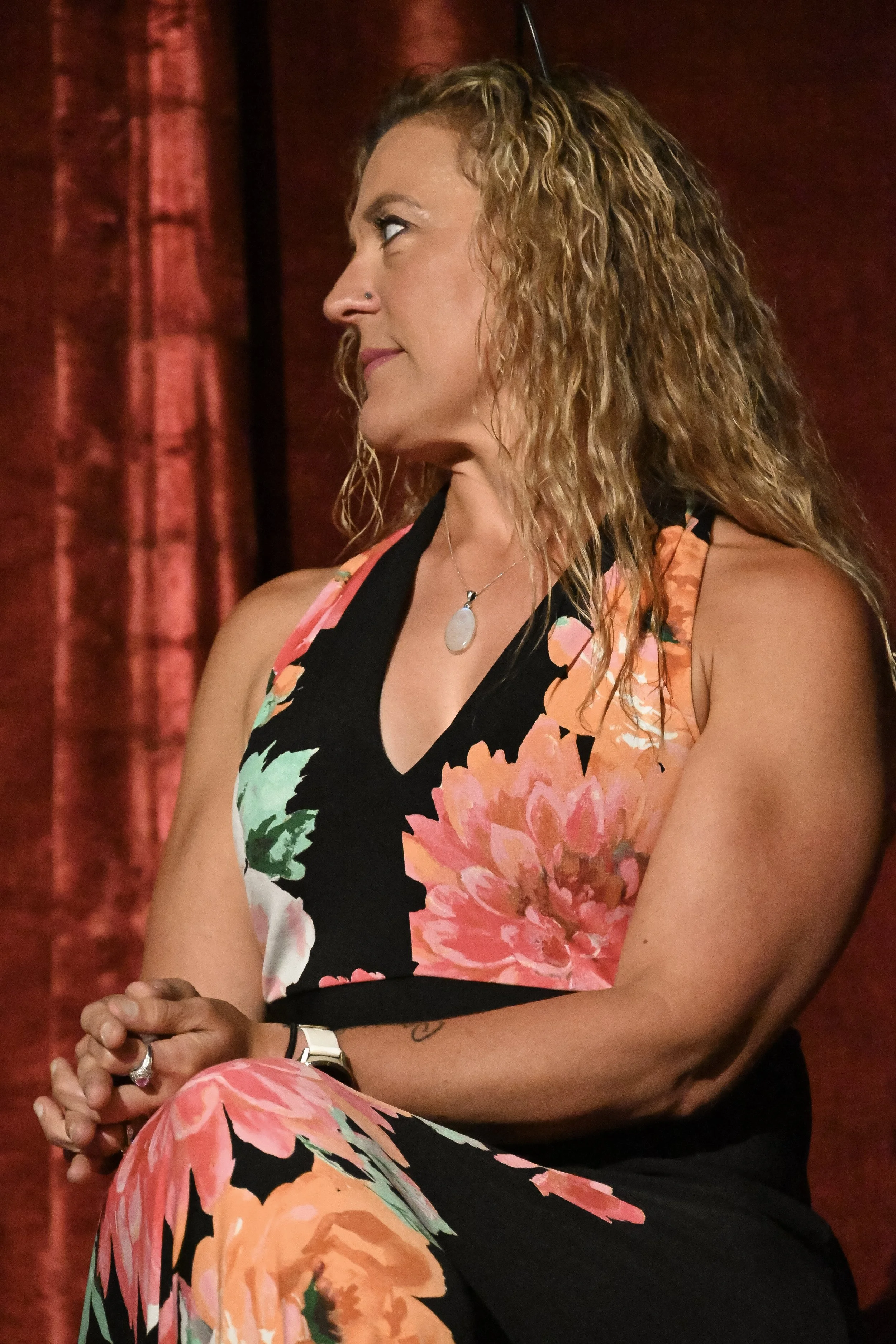
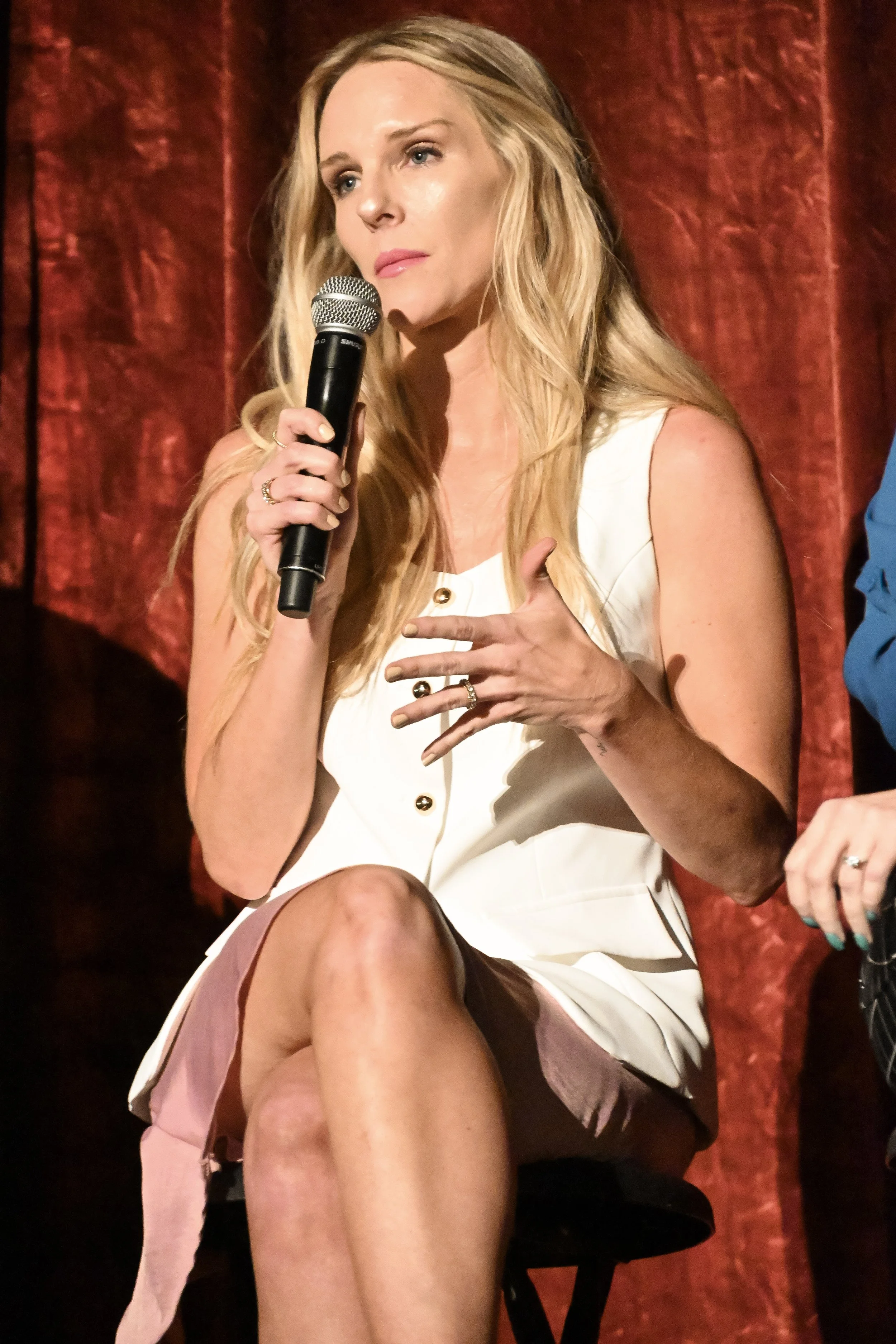
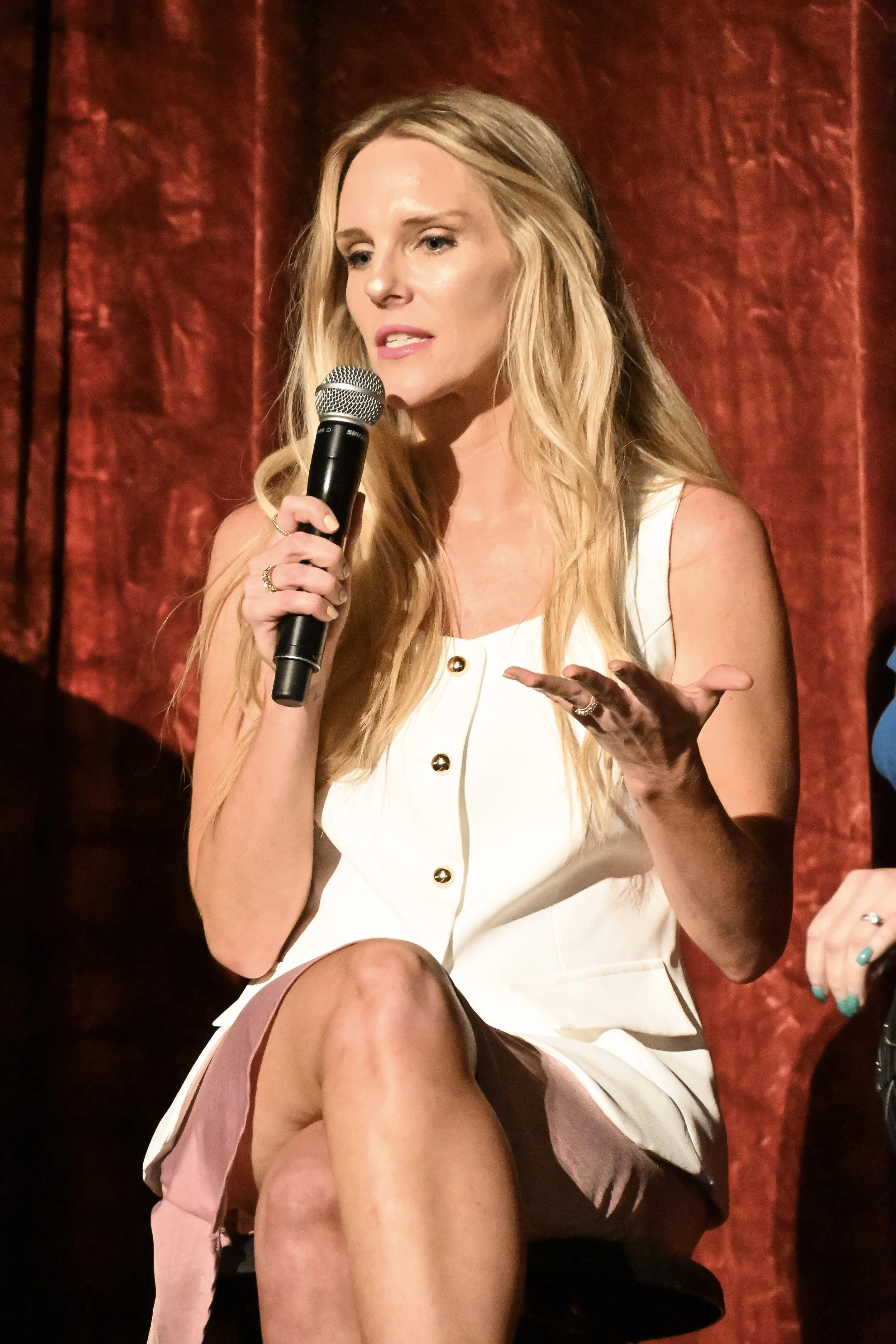
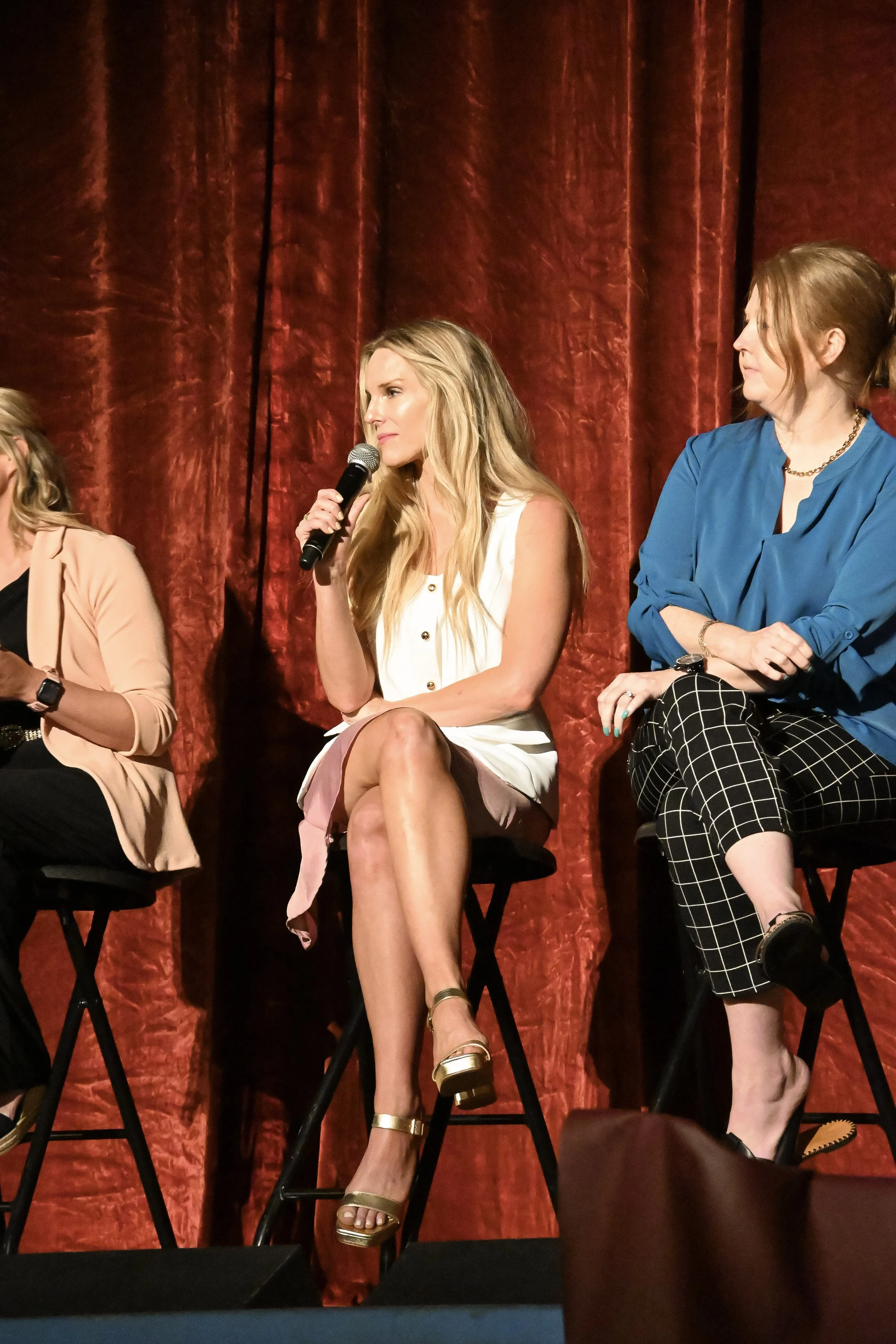
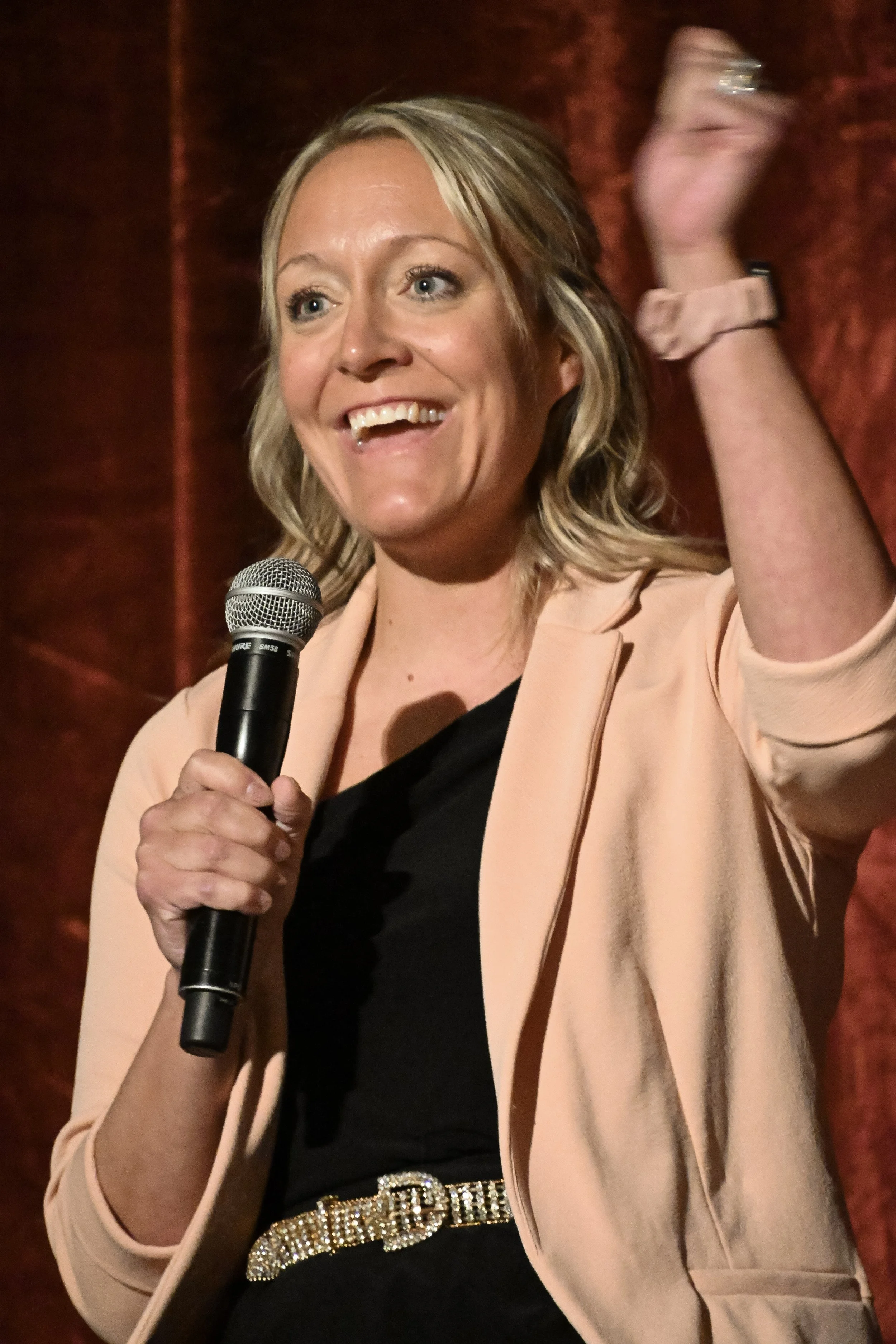
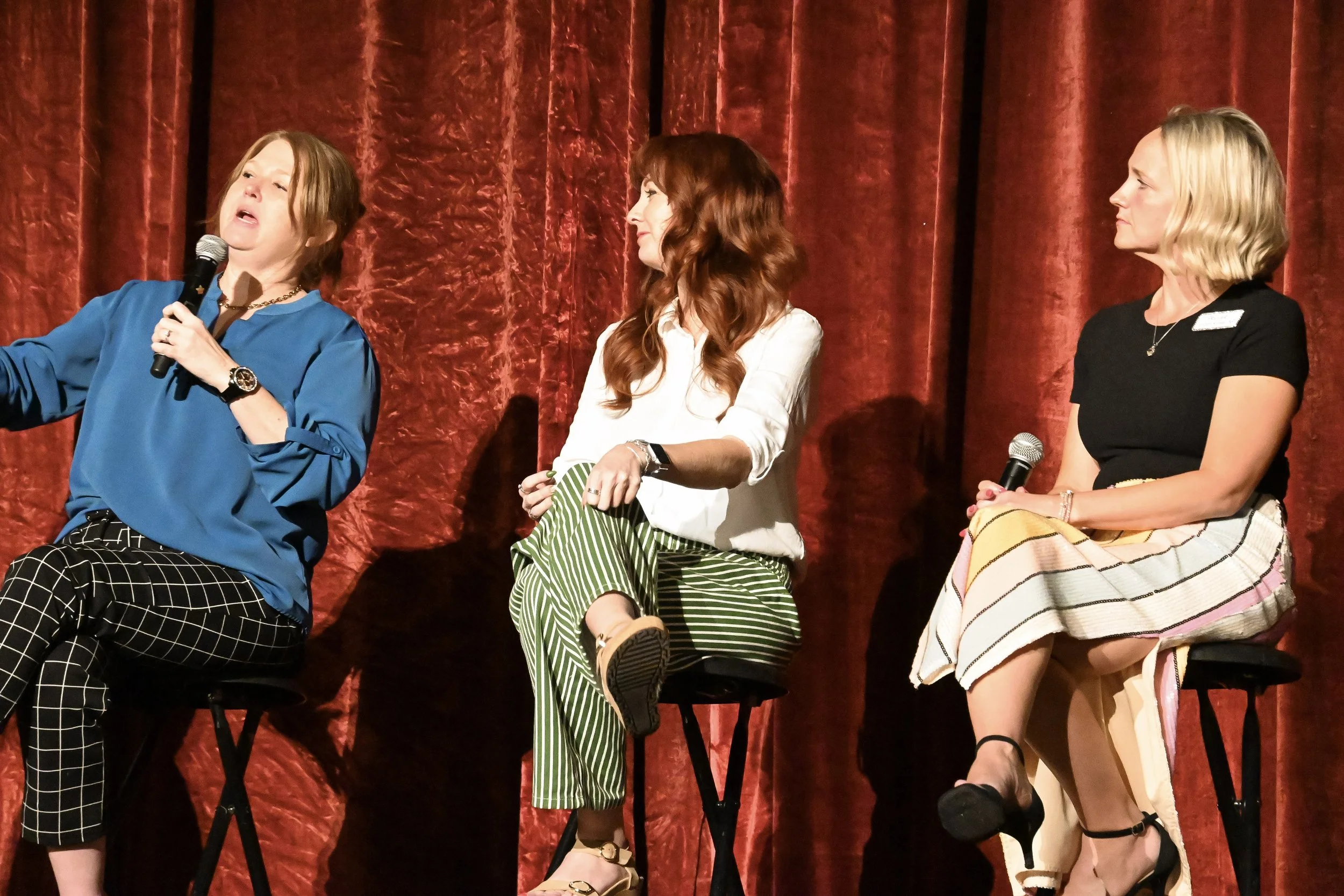
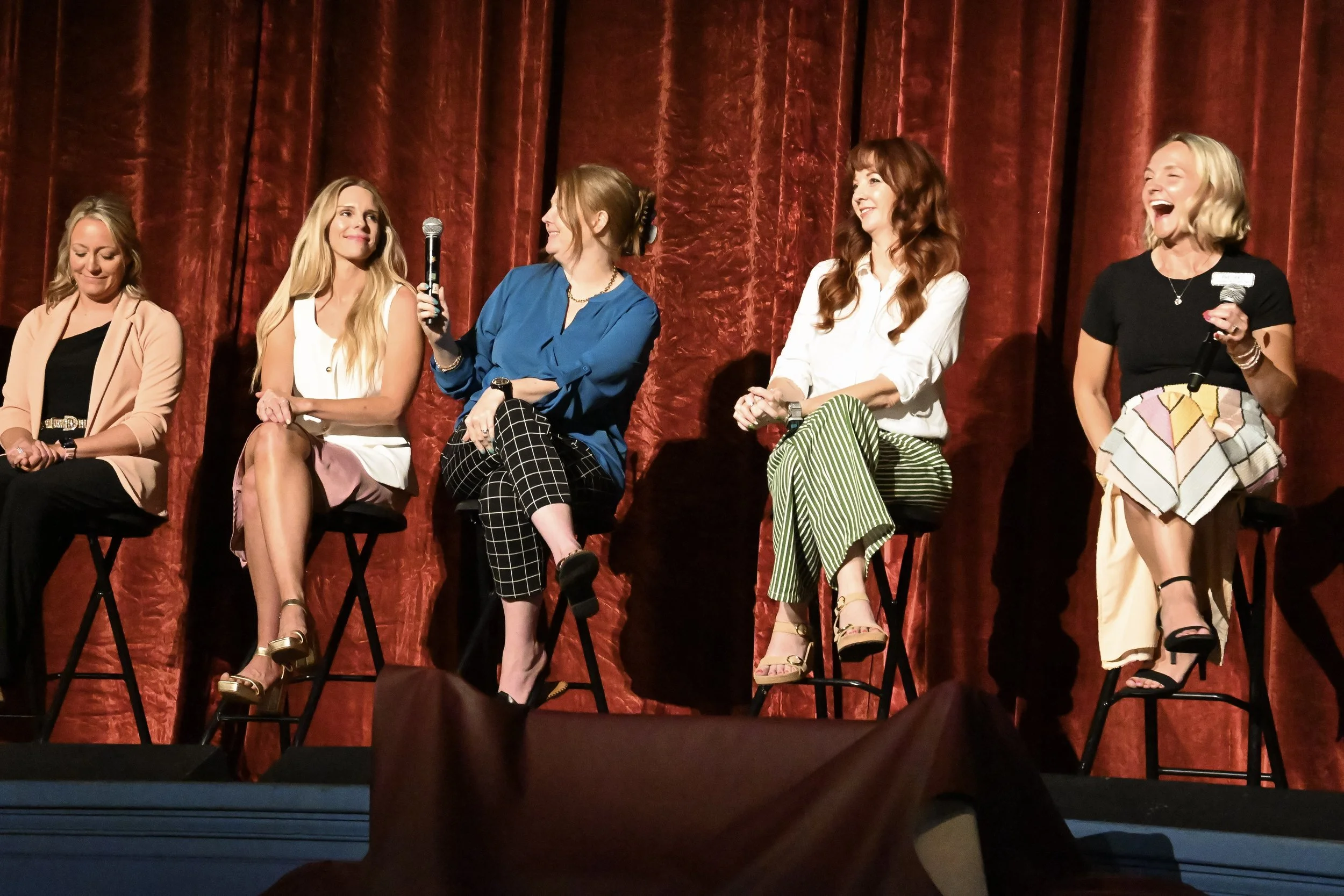
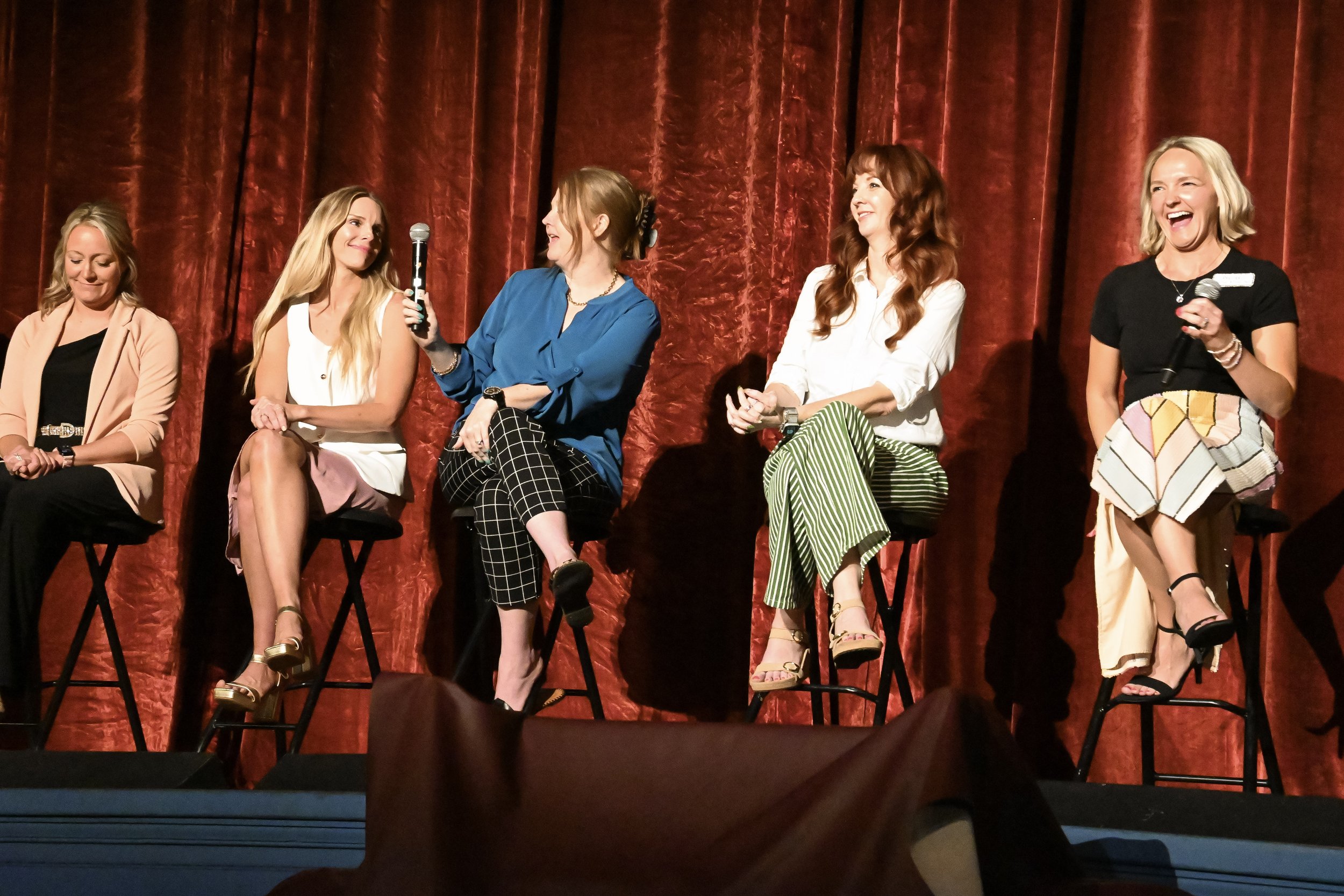
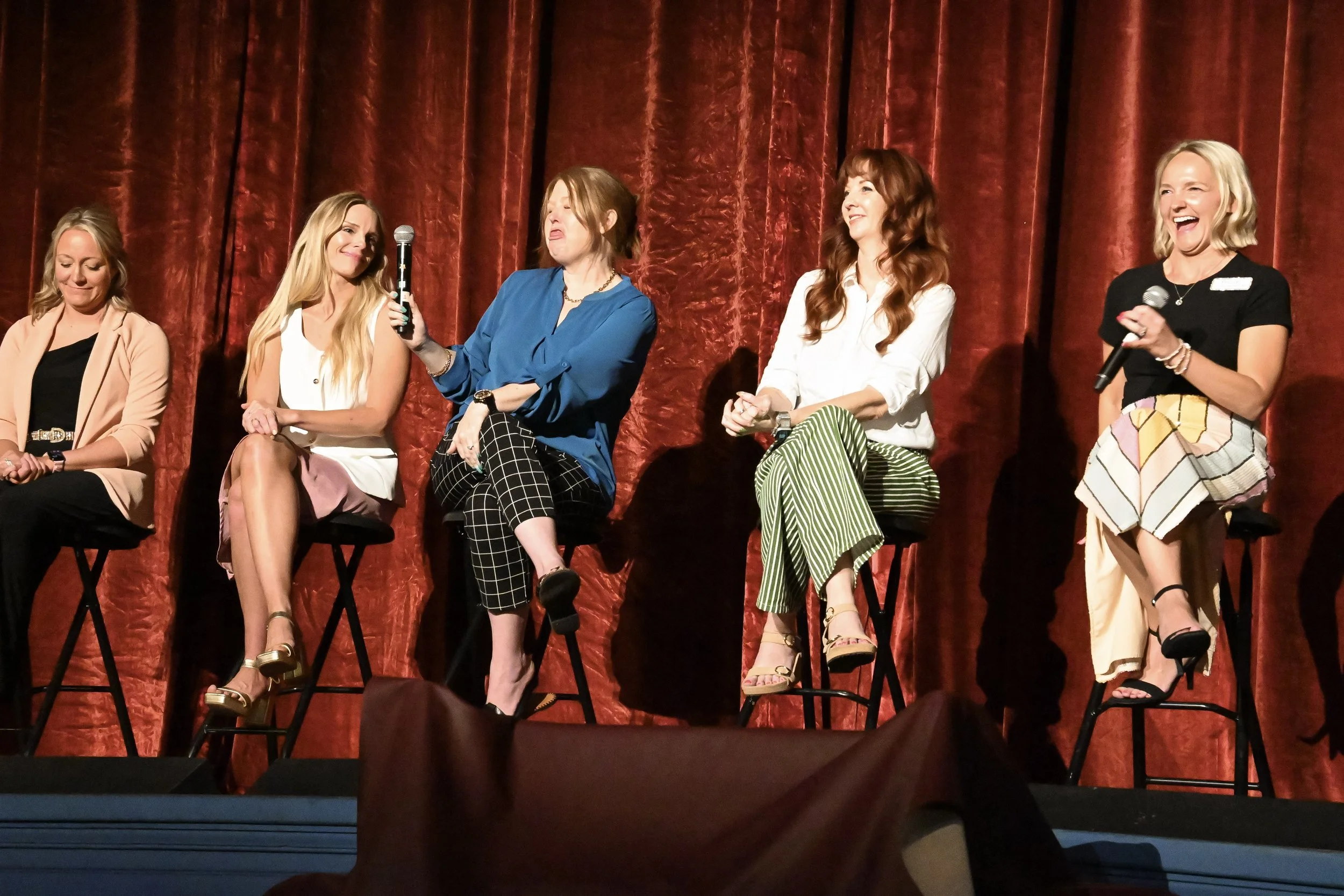
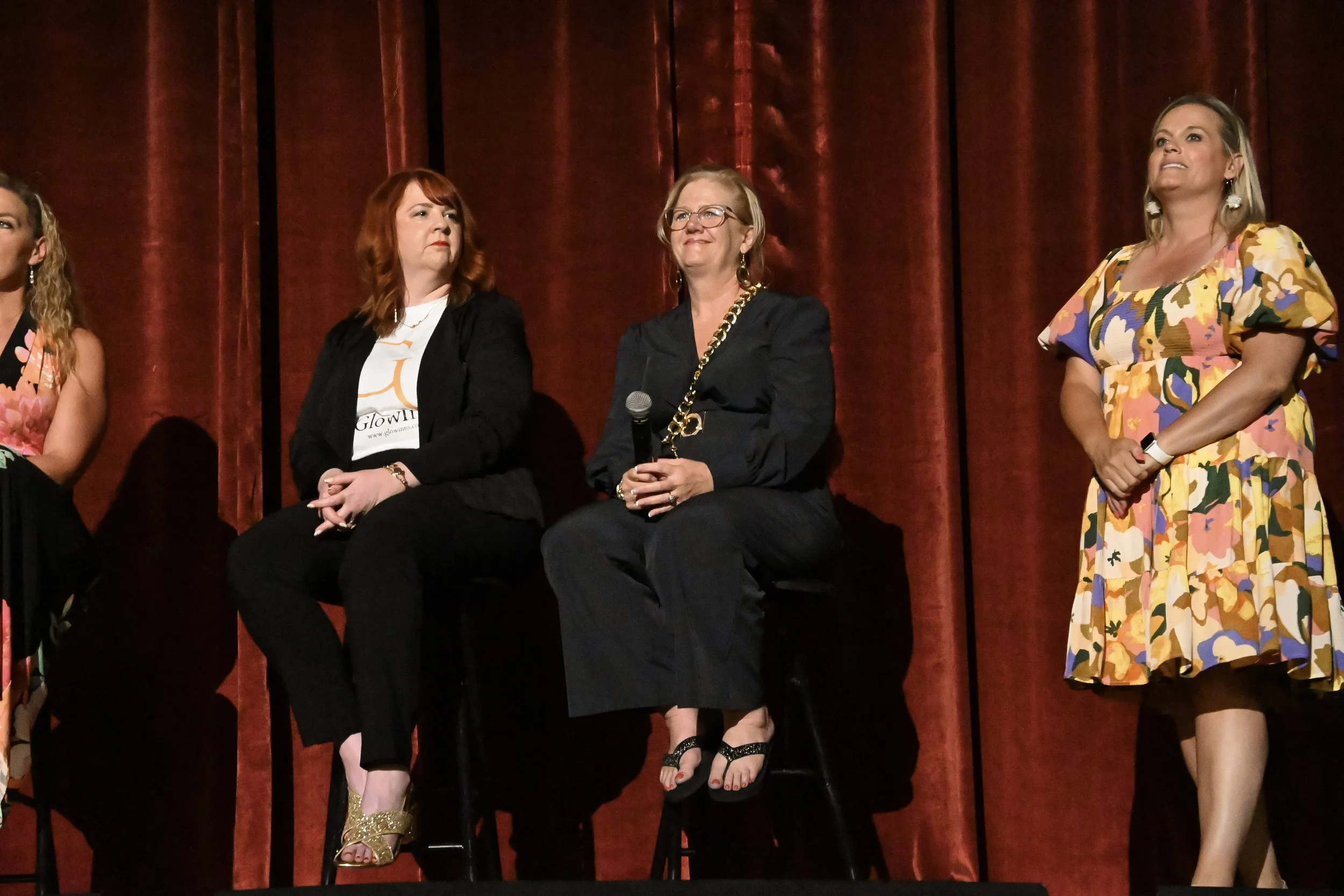
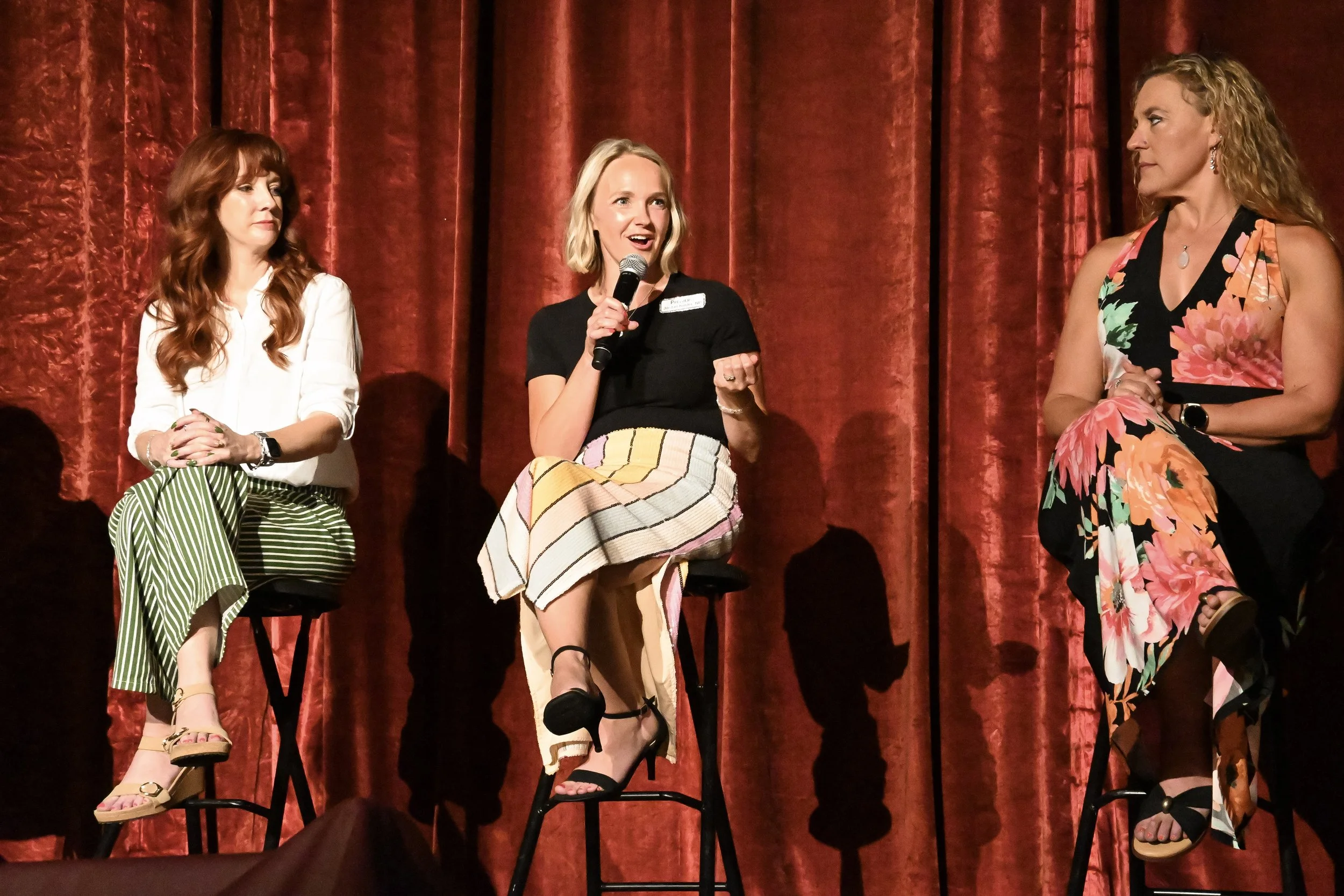
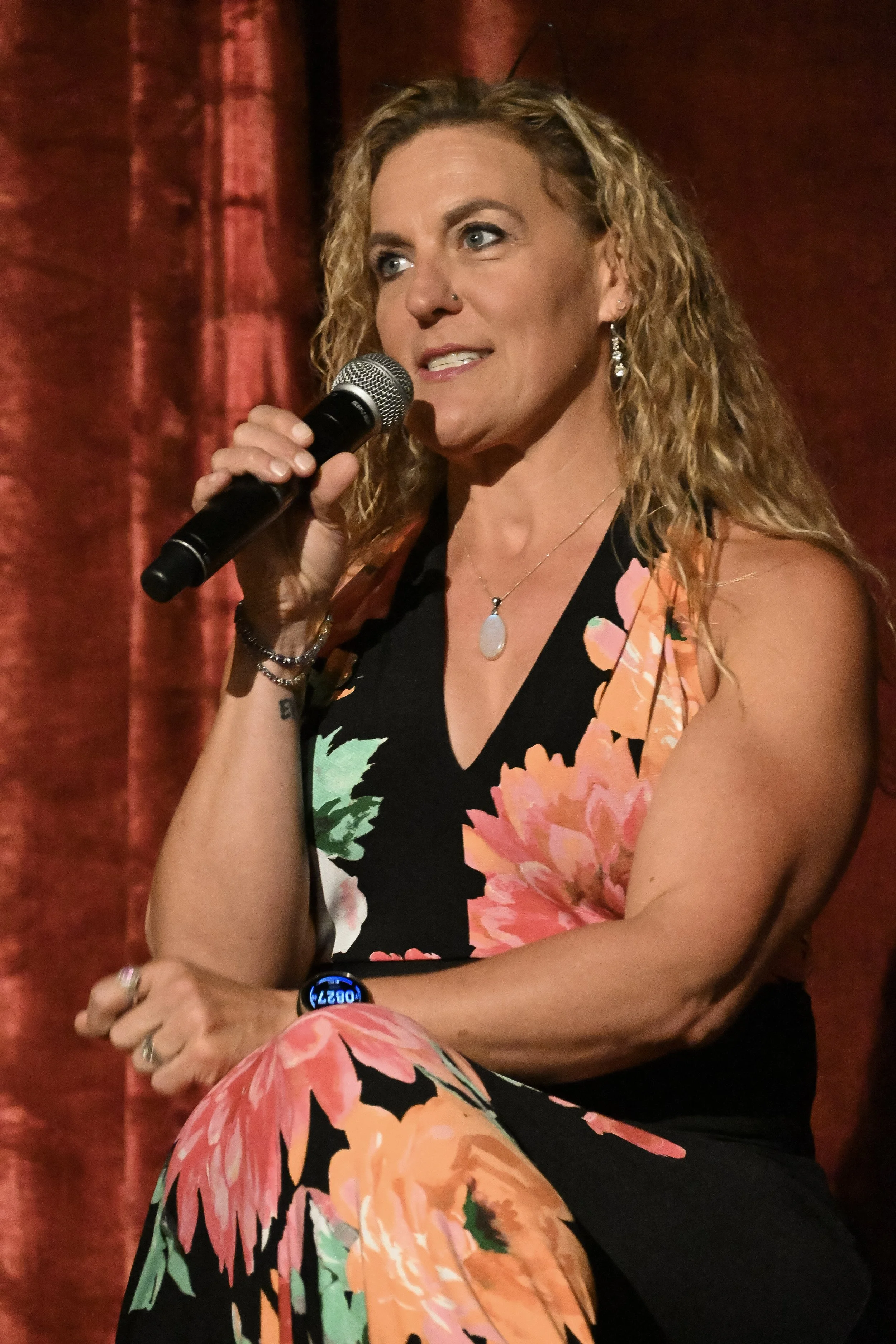
After the documentary, attendees heard from a panel of eight women who each brought a different perspective to women’s health, wellness, confidence, movement, mental health, hormones, lifestyle, and life transitions.
The Panel
Panelists included Shannon Smith of Hollywood Hair, who has 20 years of experience helping clients feel confident and beautiful through color, cuts, and extensions. Her passion has recently expanded into hair restoration and helping women navigate the emotional side of hair loss during hormonal change and menopause.
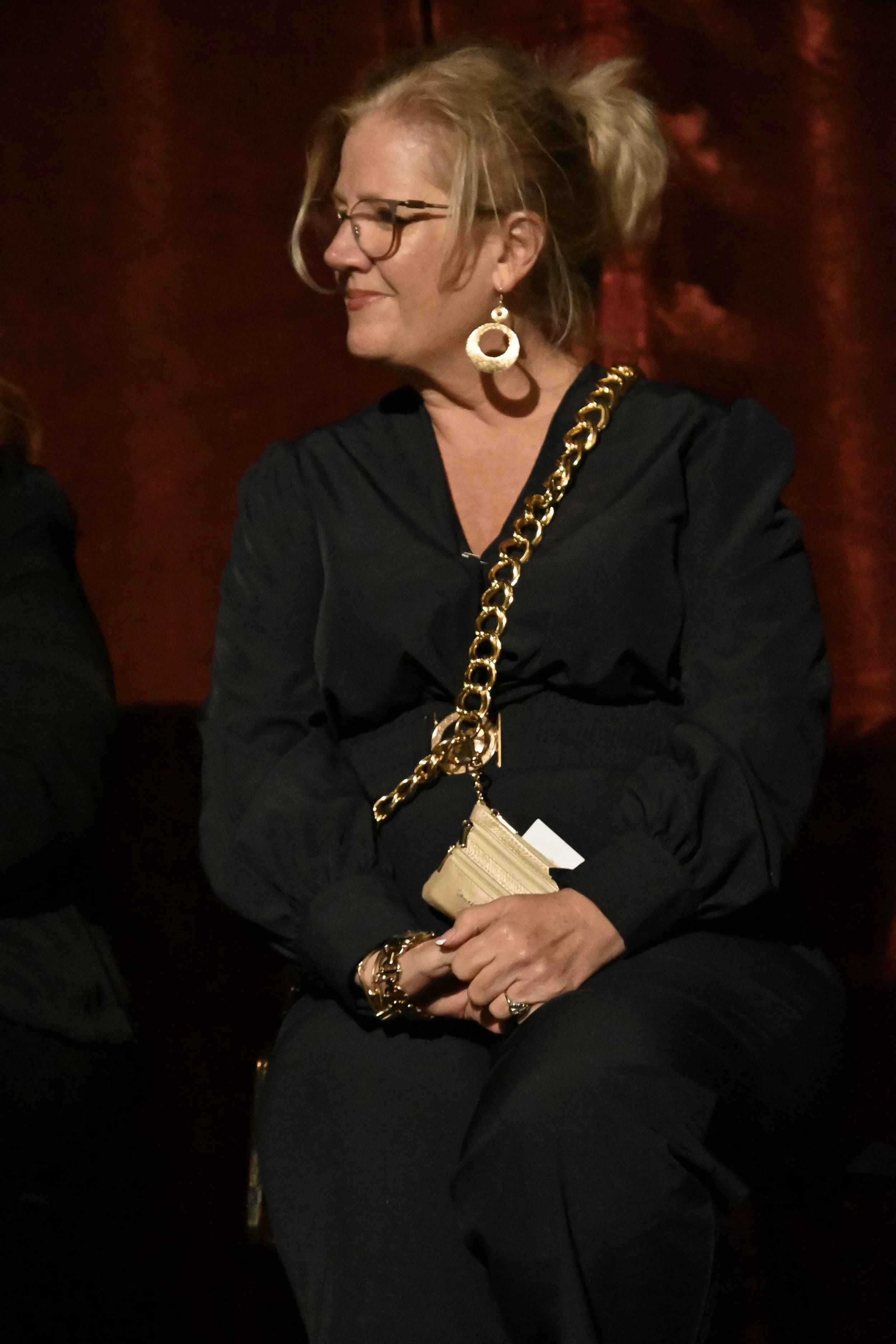
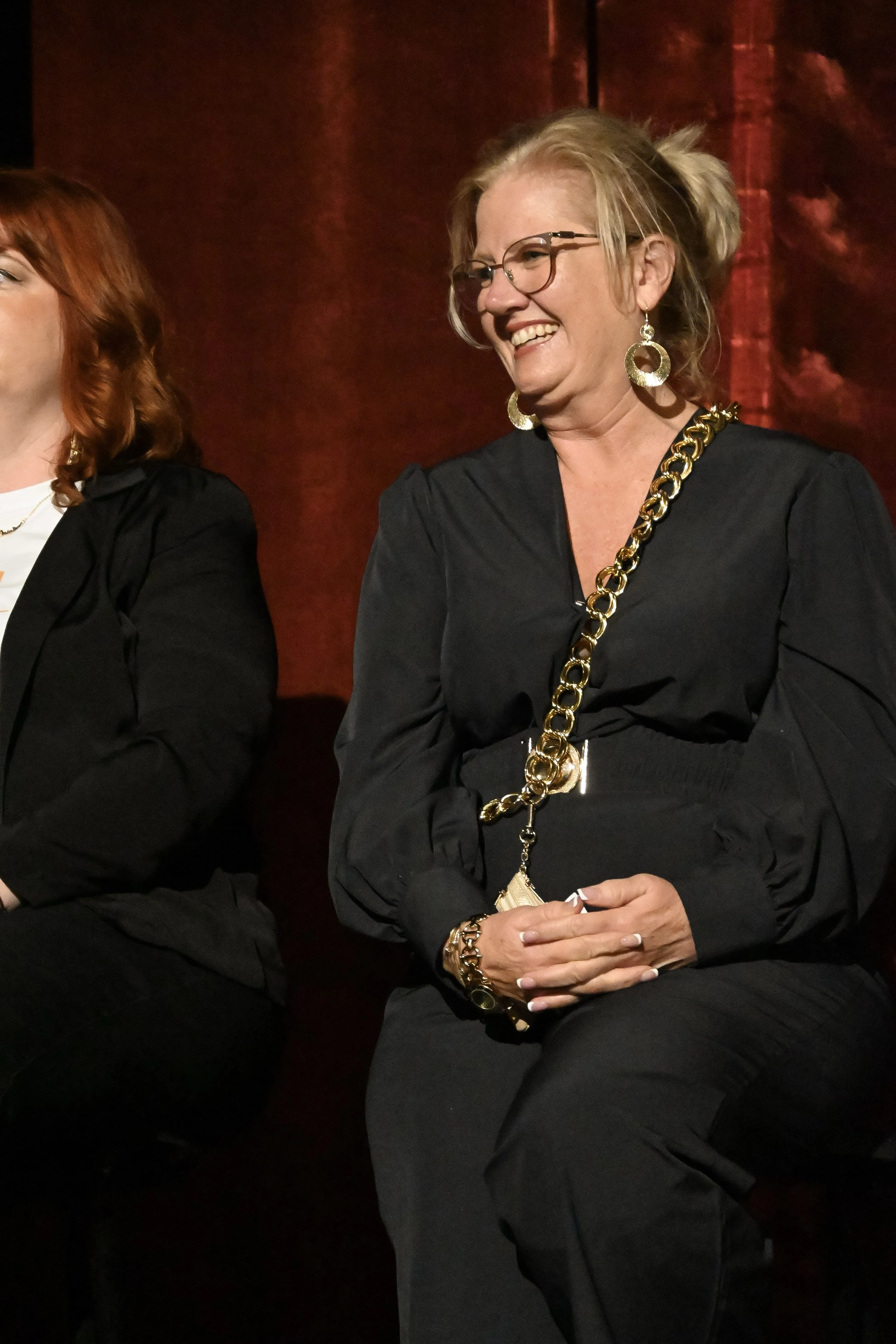
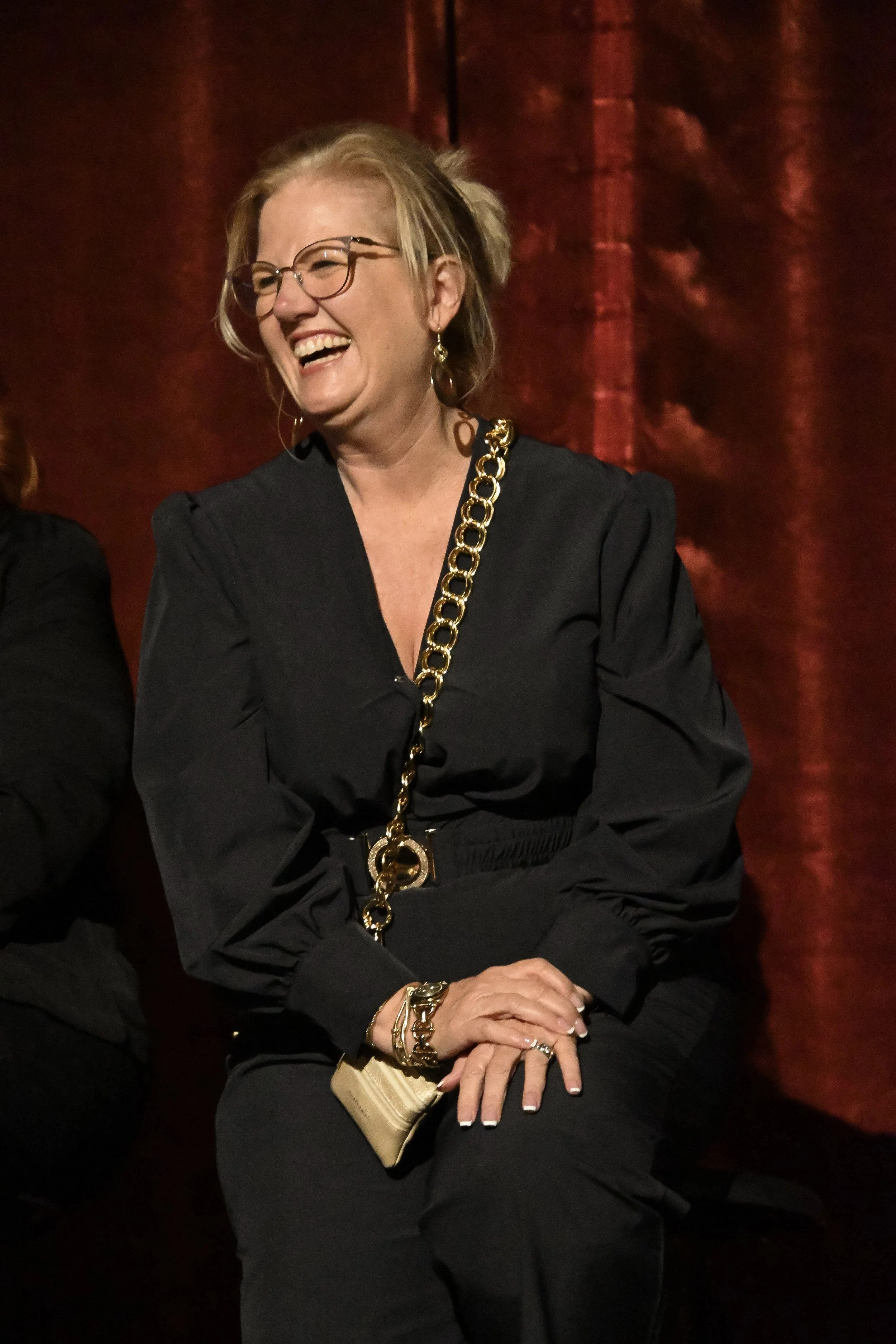
Tammi Lange, founder and CEO of Save the Girls Touchscreen Purses, shared the perspective of a woman who turned personal passion into purpose. Her innovative brand was created to help women stay hands-free while carrying their phones safely and confidently. Through Save the Girls, she has also donated more than $160,000 toward breast cancer research.
Becca Meredith of Enlightened Pelvic Health brought her expertise as a pelvic floor therapist and advocate for women’s health. For three years, she has helped women navigate some of life’s most vulnerable and transformative seasons with compassion, education, and support, including pregnancy, postpartum recovery, pelvic pain, prolapse symptoms, leaking, and reclaiming confidence in everyday life.
Dr. Jessica Ray, owner of ChiroMed in Belleville, has served the Belleville community as a chiropractor since 2018. A 2023 graduate of Leadership Belleville and an active member of the Belleville Chamber of Commerce since 2015, Dr. Ray is passionate about helping others live healthier, more active lives while staying deeply connected to the community.
Doreen Warfield, co-owner of Studio Strong, shared her background in functional movement and personalized training. Through Studio Strong, she helps create an approach focused on each client’s unique goals while fostering a supportive environment where clients feel empowered to grow stronger.
Dr. Jamie Benson, DMFT, MAMFT, M.Ed., LMFT, founder of Thrive Mental Health, brought insight into the conversation around women’s health, emotional wellness, stress, hormones, and the impact mental health can have during every stage of life. Known for her direct yet supportive approach, Jamie helps individuals, couples, children, and families move from feeling overwhelmed to feeling empowered through practical, real-life tools for managing emotions, stress, and relationships.
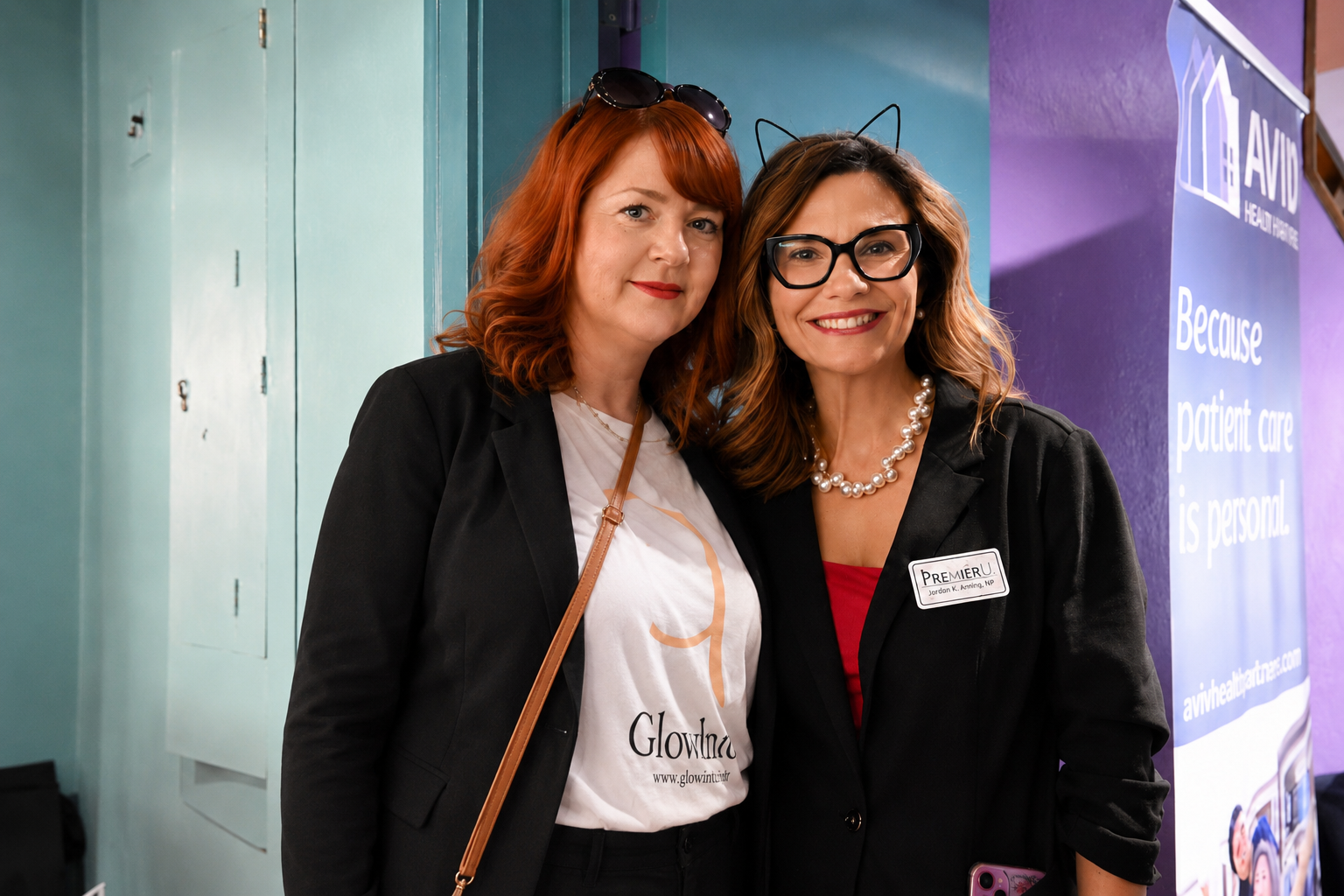
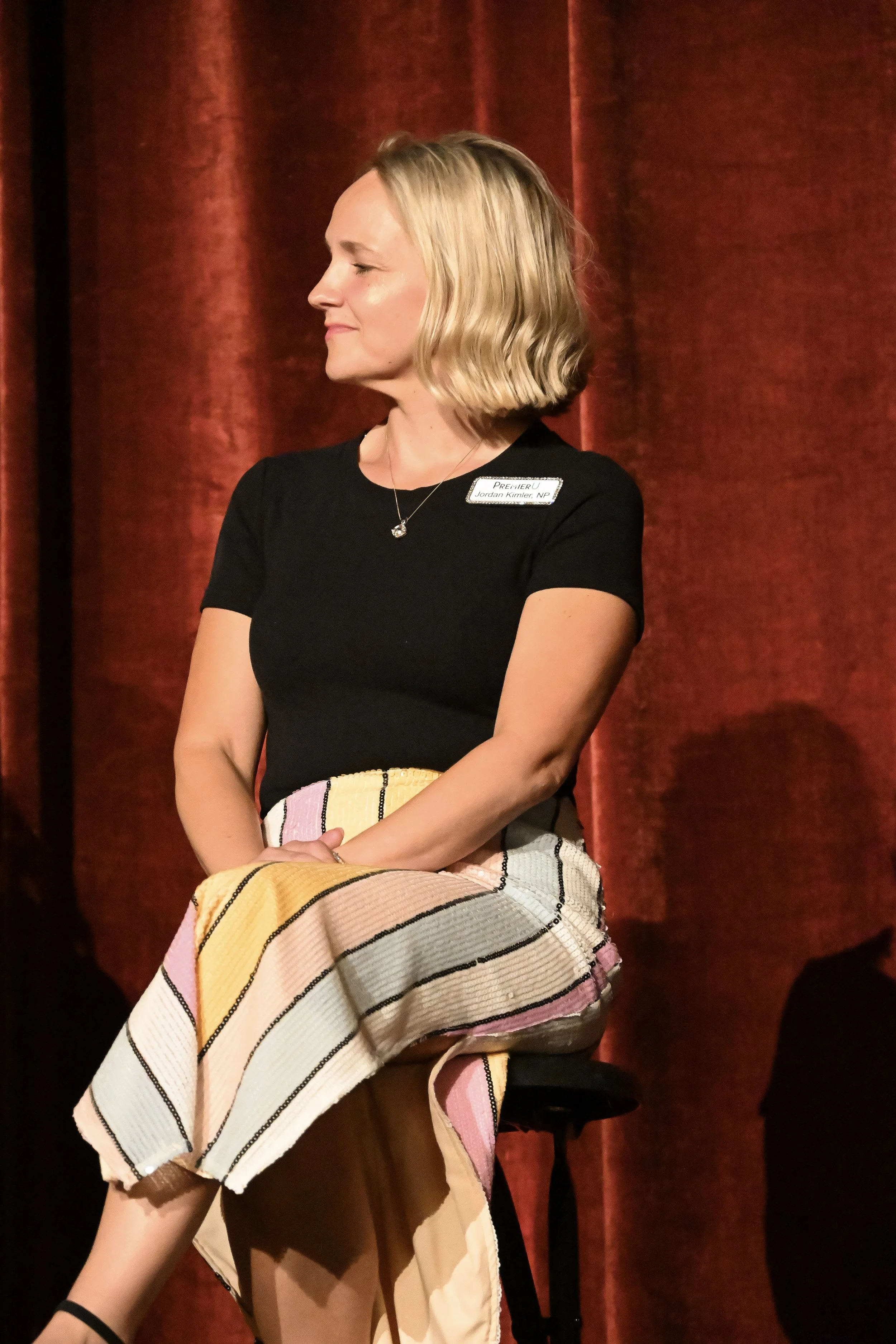
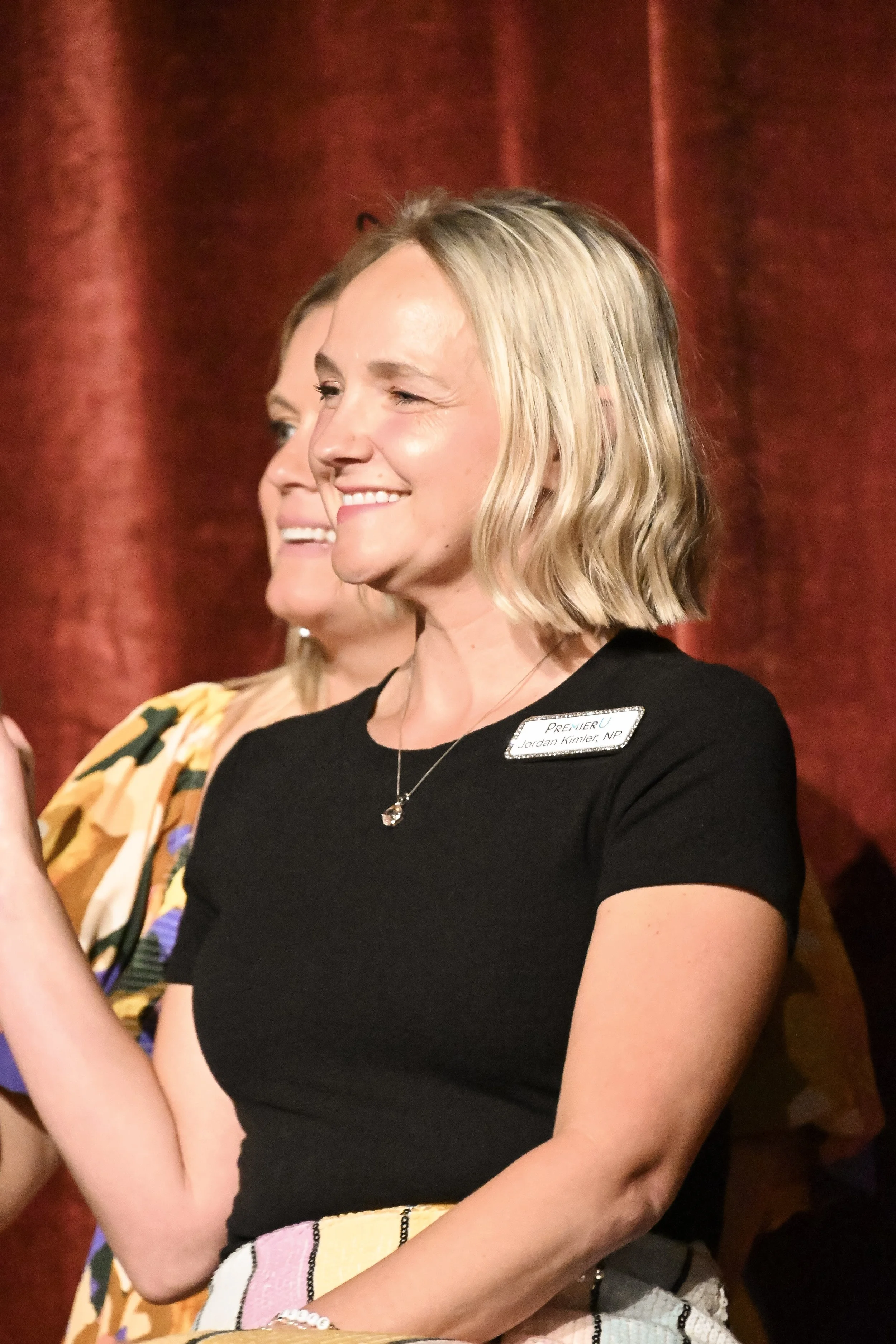
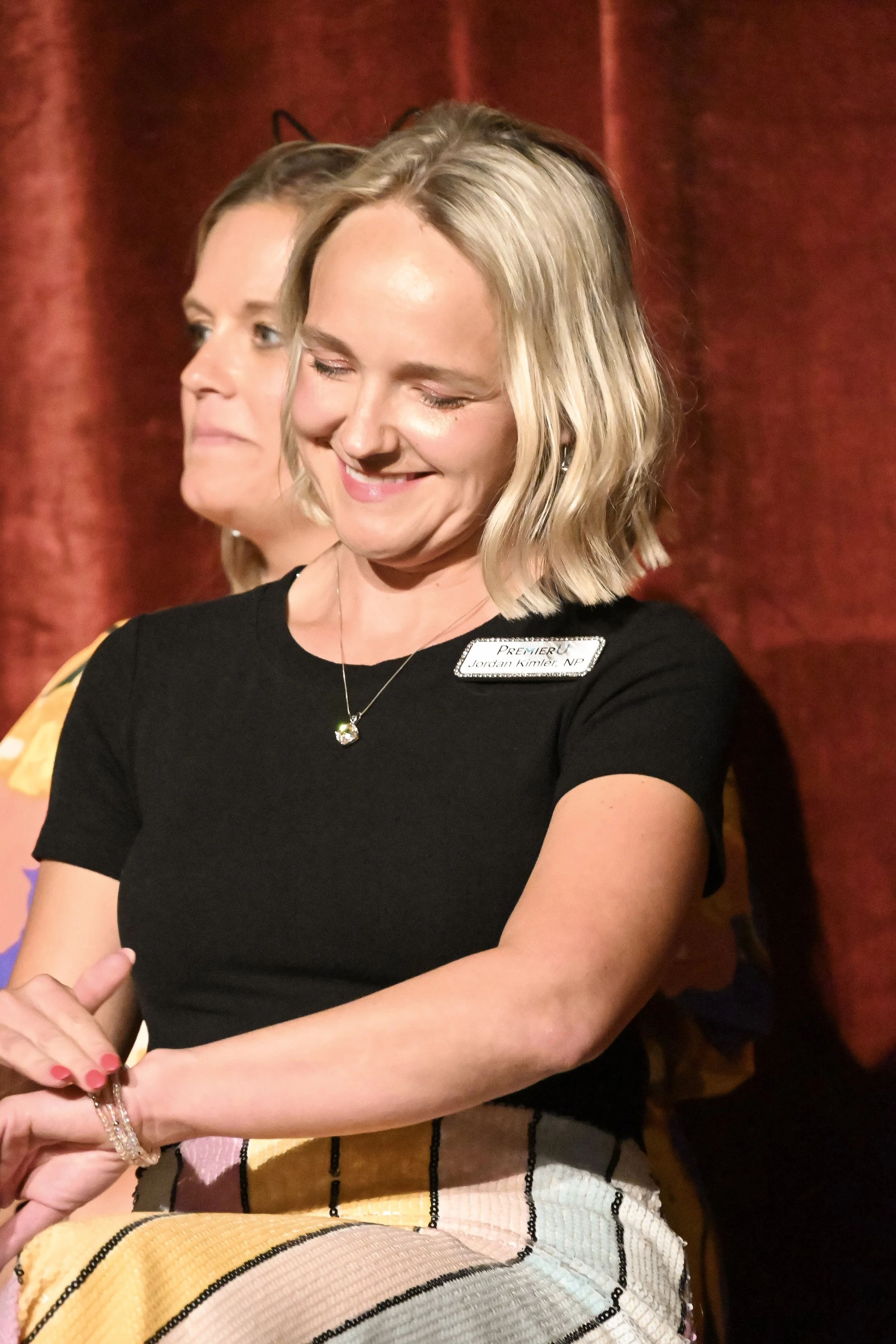
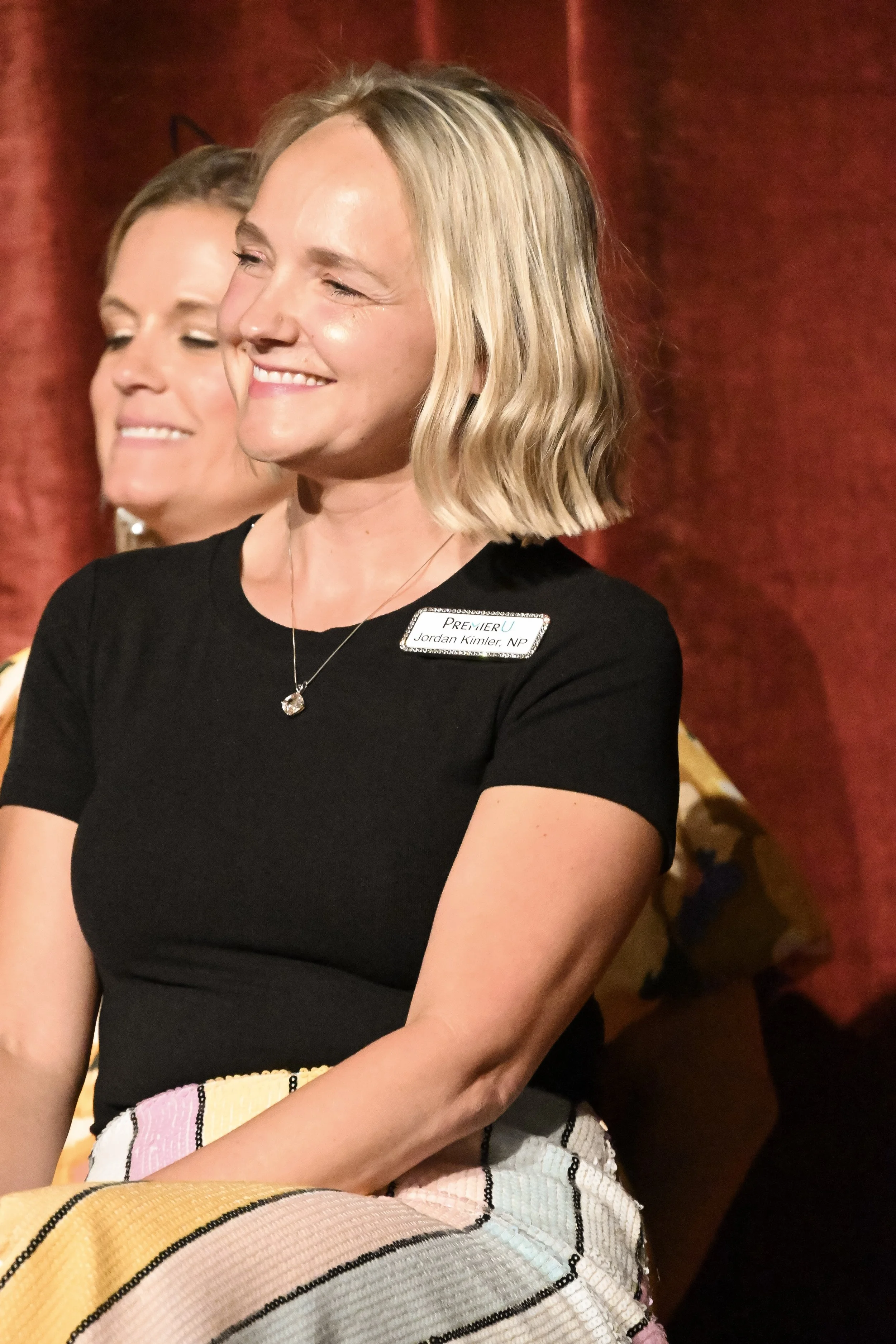
Jordan Kimler, NP, with Premier U, joined the panel to discuss everything from mood and energy changes to metabolic health and overall wellness. She is dedicated to helping women feel informed, supported, and heard throughout every stage of life.
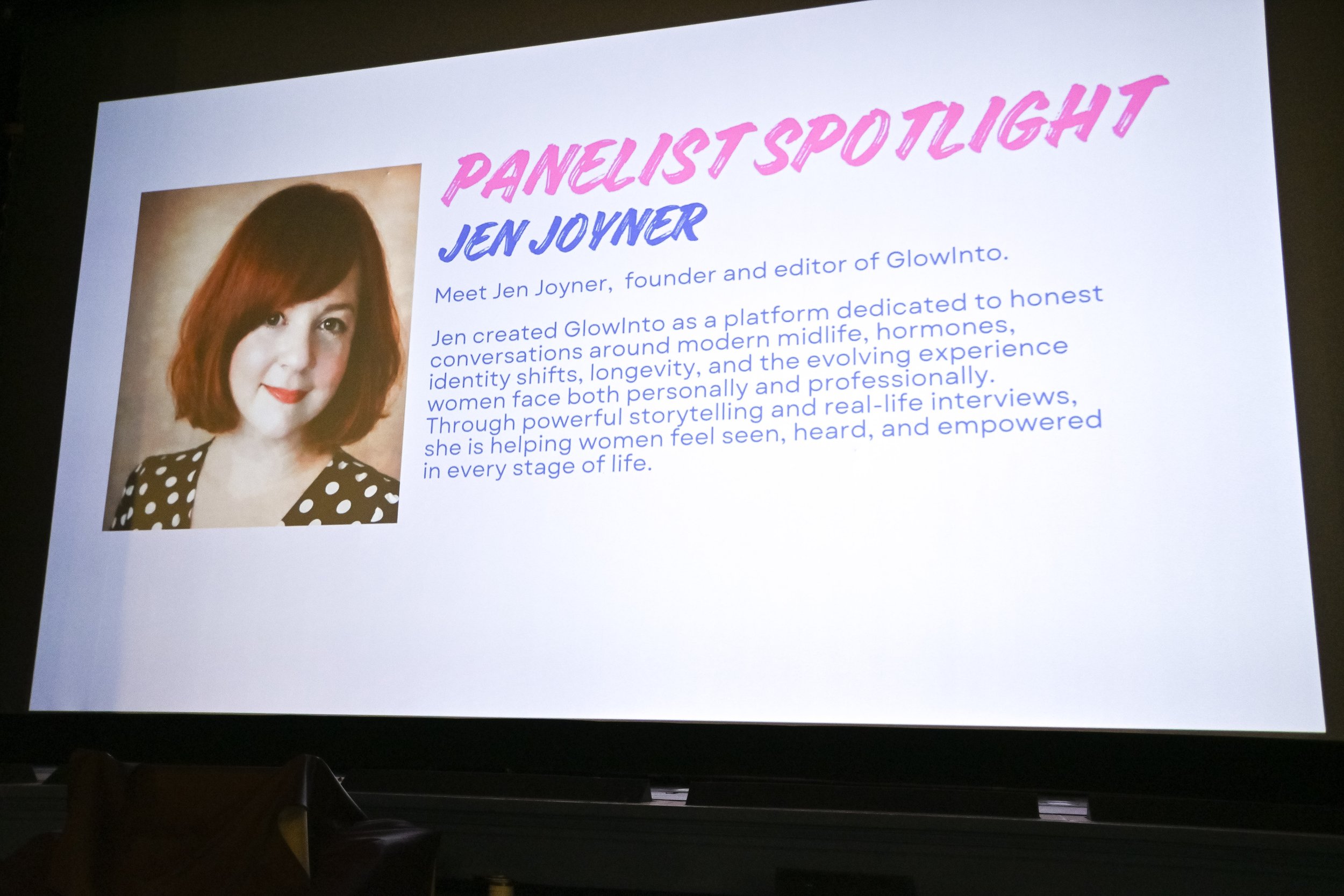
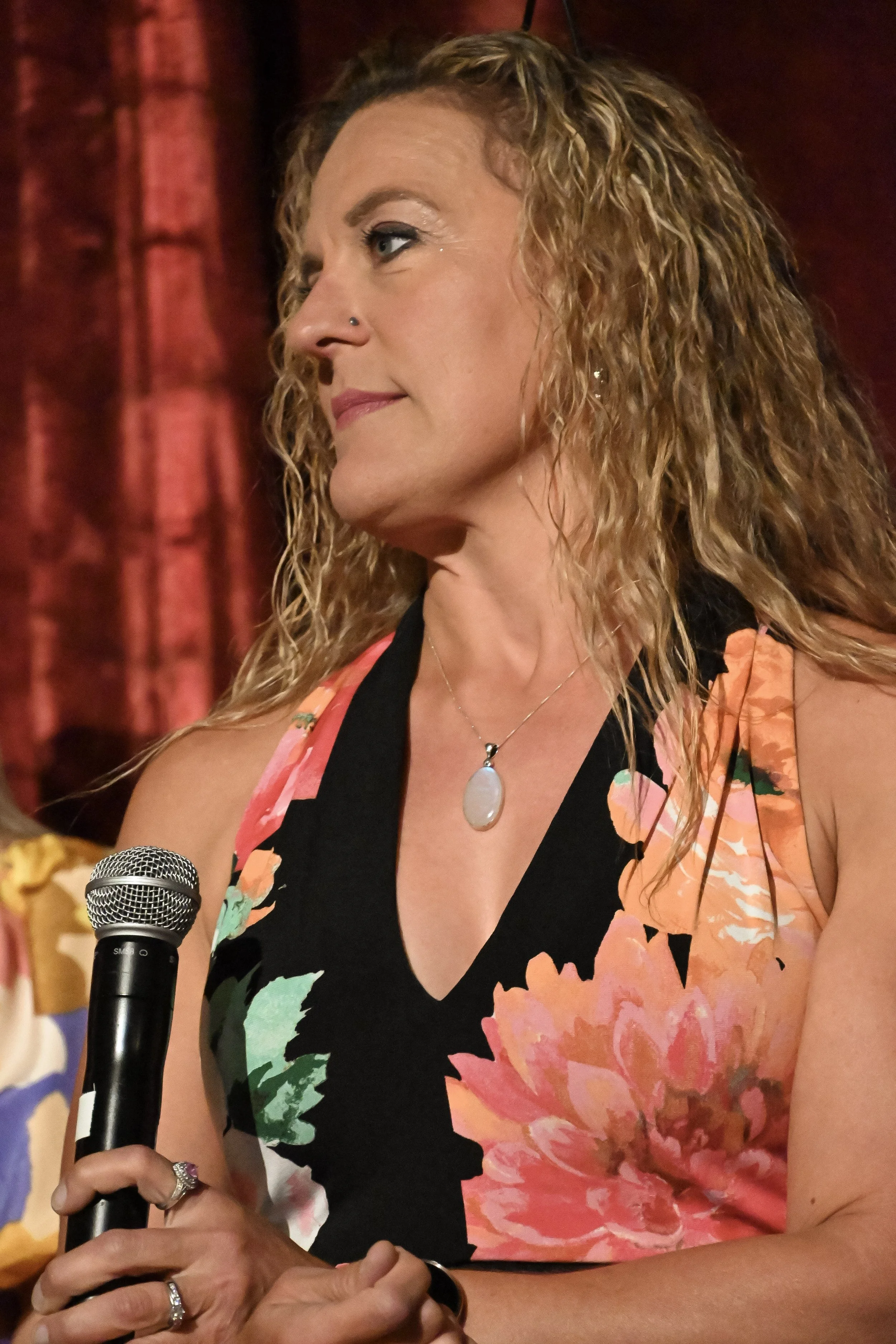
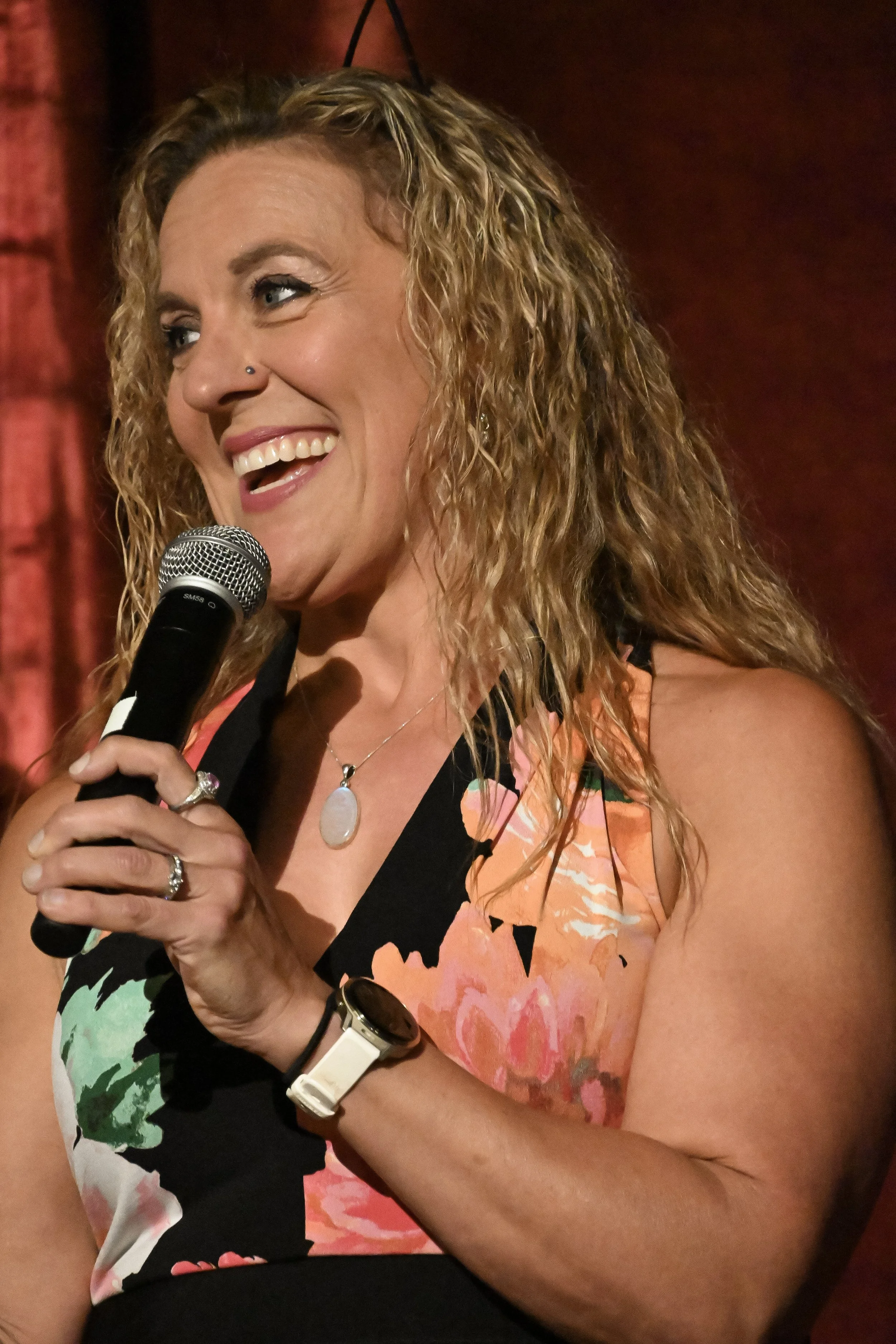
And I joined the panel as the founder of GlowInto, bringing the perspective of storytelling, women over 40, and the importance of creating space for honest conversations about the changes, questions, and transitions women experience as they move through different stages of life.
The Questions Women Are Asking
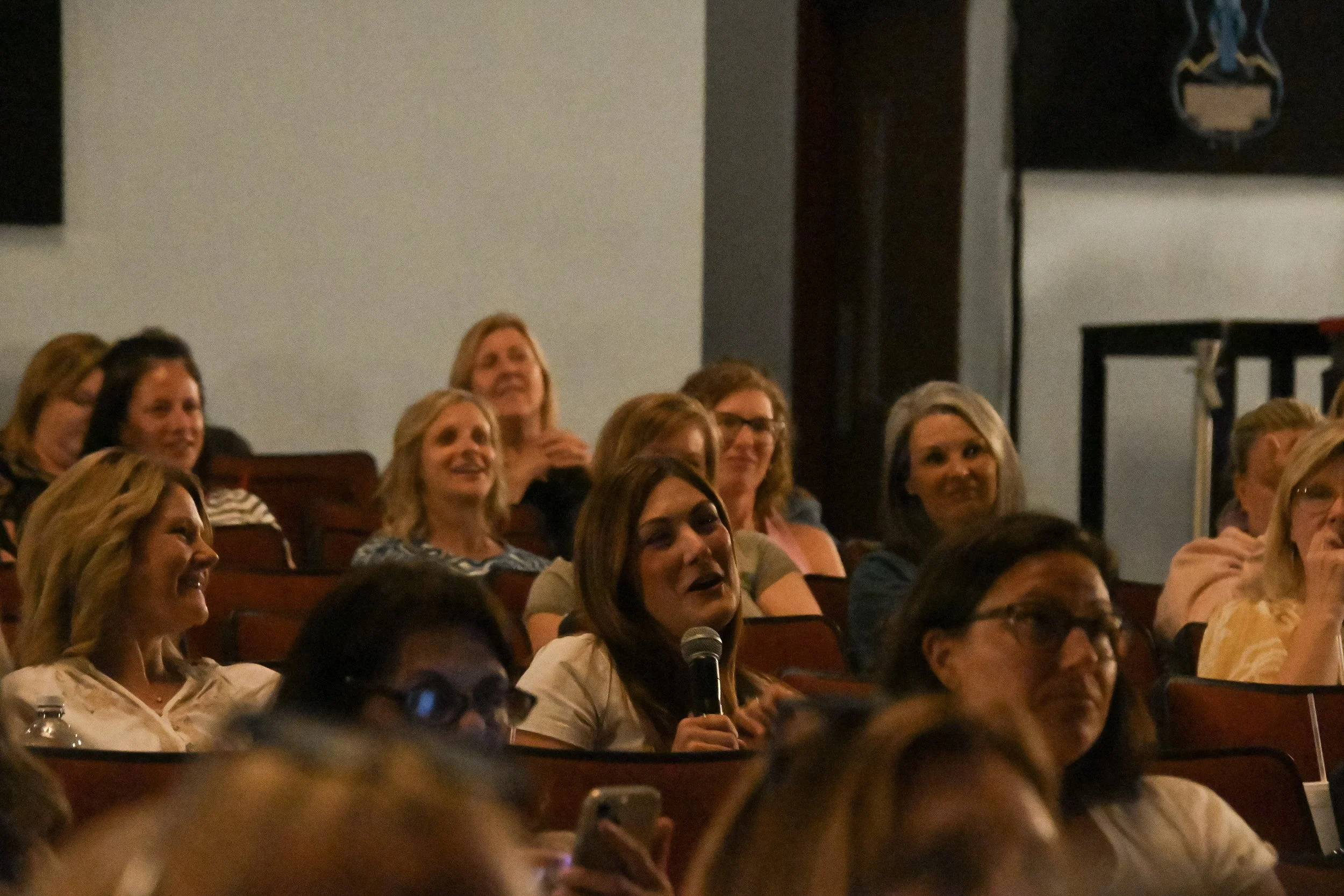
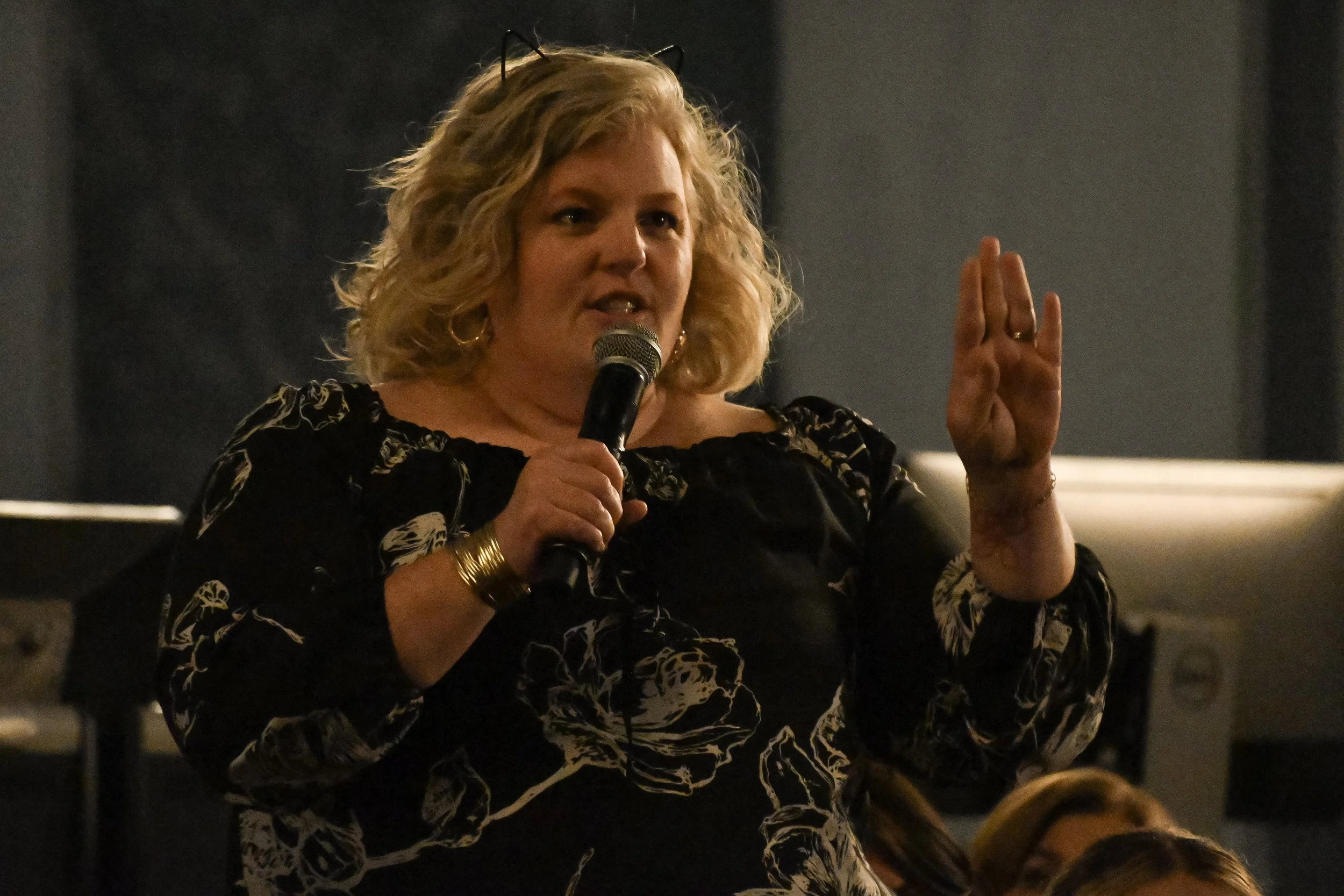
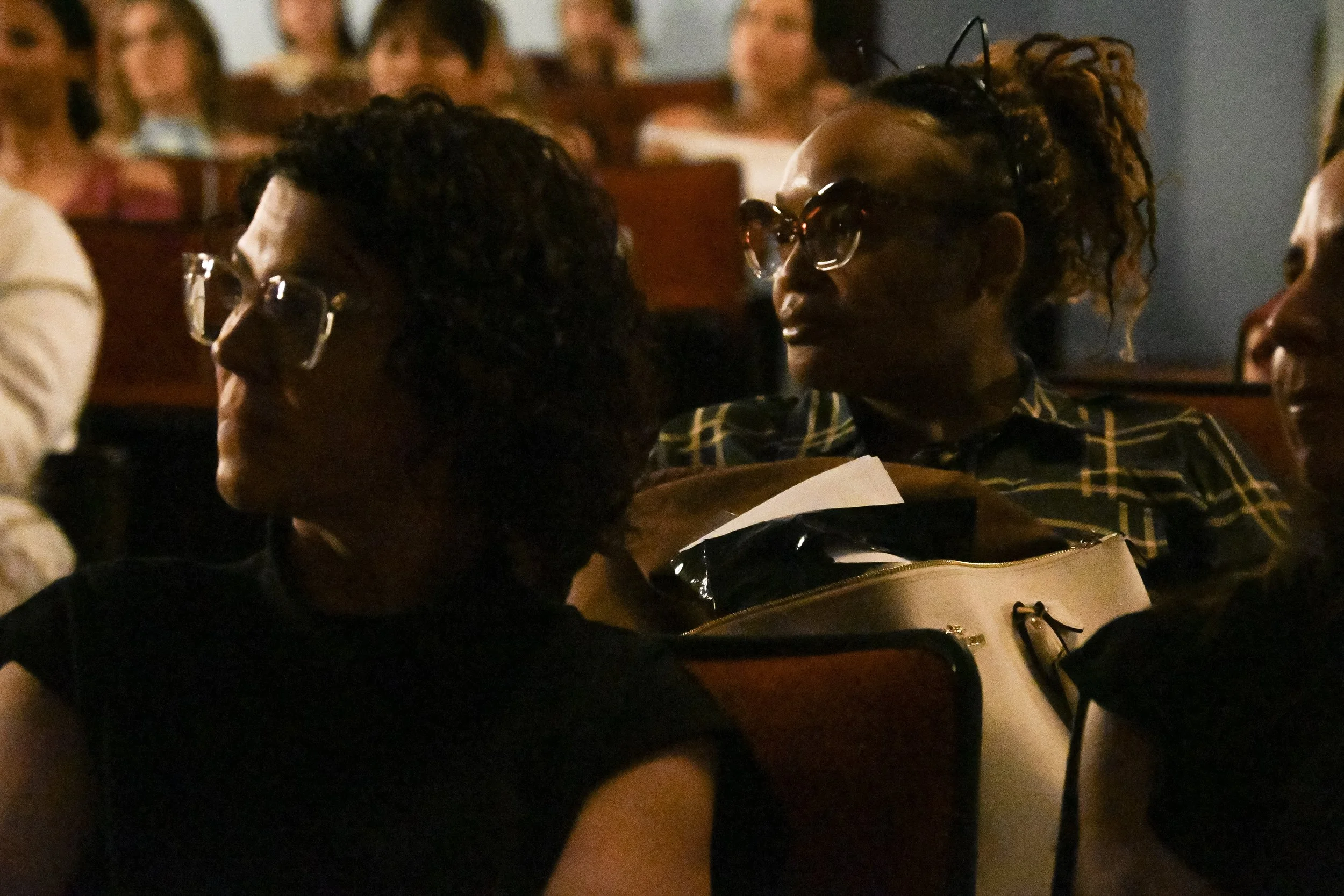
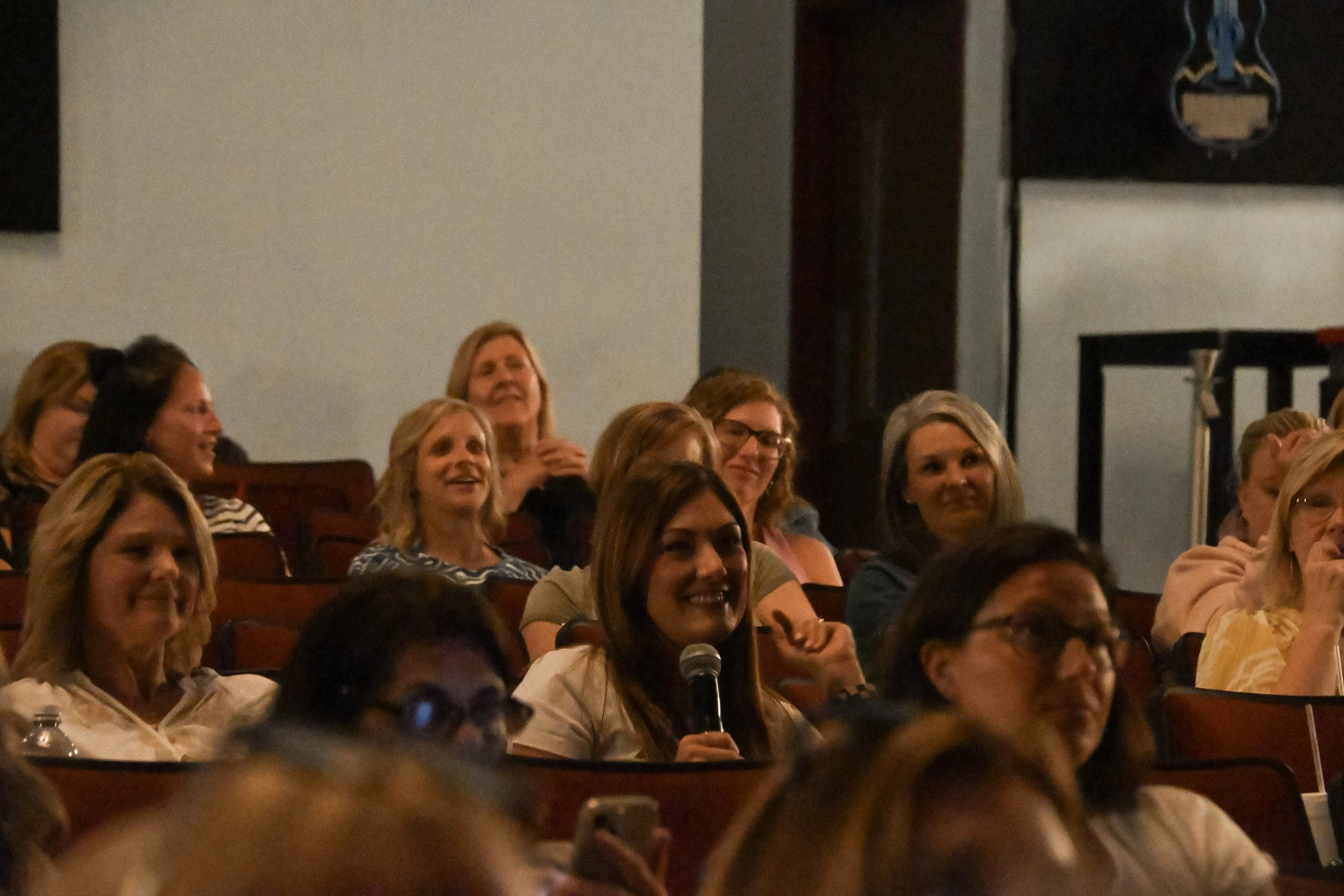
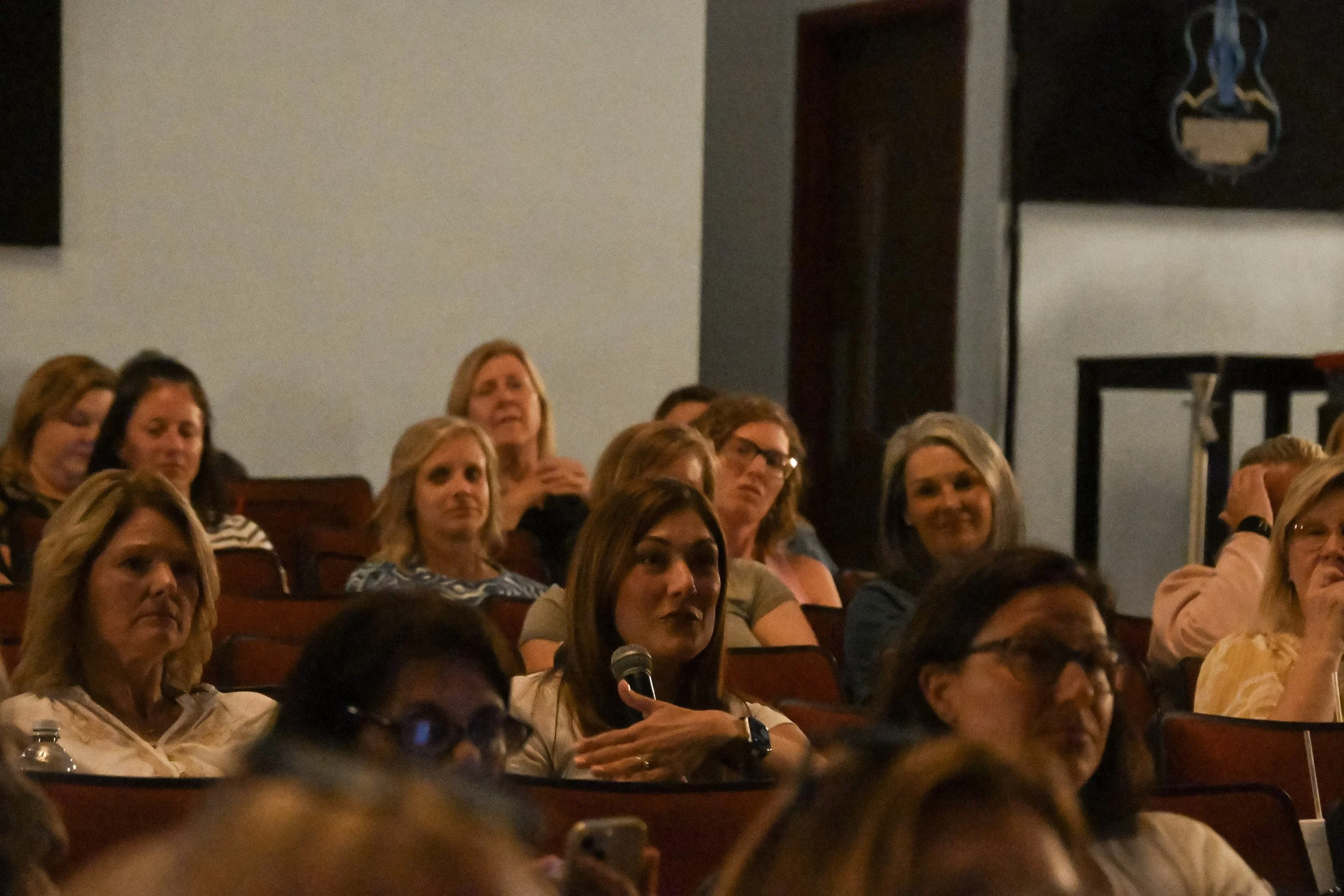
The audience had the opportunity to ask questions, creating a thoughtful and personal discussion around what women are navigating during this stage of life.
One attendee asked about the role of spirituality and how it can help guide or support women during perimenopause. Another woman, who shared that she was in her mid-thirties, asked what she could begin doing now and whether there were tests that could help her better prepare for the changes ahead.
The discussion also included questions about GLP-1 medications during perimenopause. Jordan Kimler explained that GLP-1s can be one tool in the toolbox, while also emphasizing that there are many other factors to consider when supporting women through this stage. She also provided insight into the testing, guidance, and options Premier U offers for women who are looking for more clarity around their hormones and overall health.
Throughout the evening, one theme kept coming through: women want real answers. They want to understand what is happening in their bodies, what options are available, and how to advocate for better care.
Why This Conversation Mattered
For event organizer Shannon Shores, the response confirmed just how deeply women needed this conversation.
“Honestly, I knew women needed this conversation, but I do not think any of us expected the overwhelming response we received,” Shores shared. “We had over 150 attendees, and the energy in the room was incredible. Women showed up for themselves, for their friends, for their mothers, daughters, and future selves. There was this collective feeling of ‘finally… someone is talking about this.’ That was powerful to witness.”
Shores said one of the most meaningful parts of the event was seeing women support the evening simply because they believed in the conversation. Attendees shared the event on social media, invited friends, purchased tickets for other women, and encouraged others to attend even without a direct connection to Premier U or the Chamber.
“To me, that showed women are truly hungry for this conversation and for a space where they can feel seen, heard, educated, and supported,” she said.
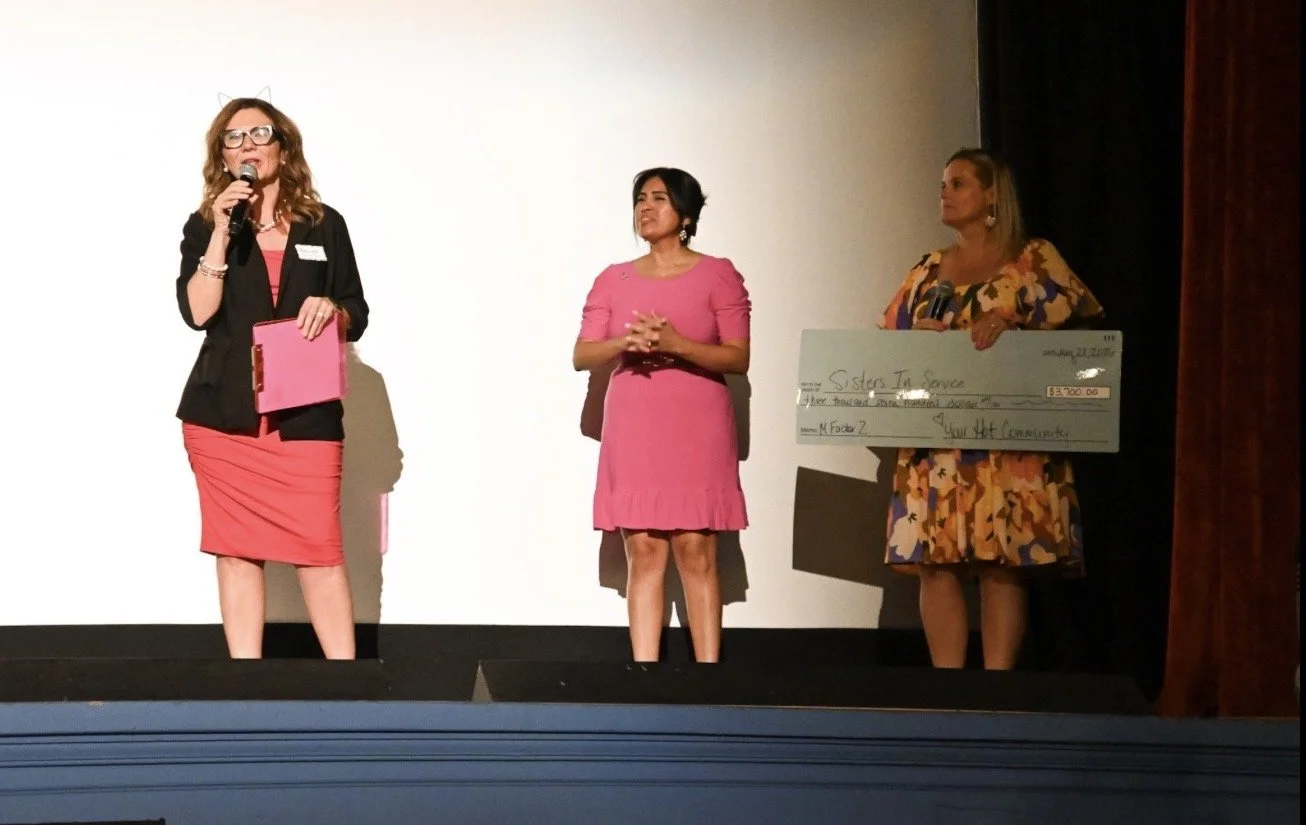
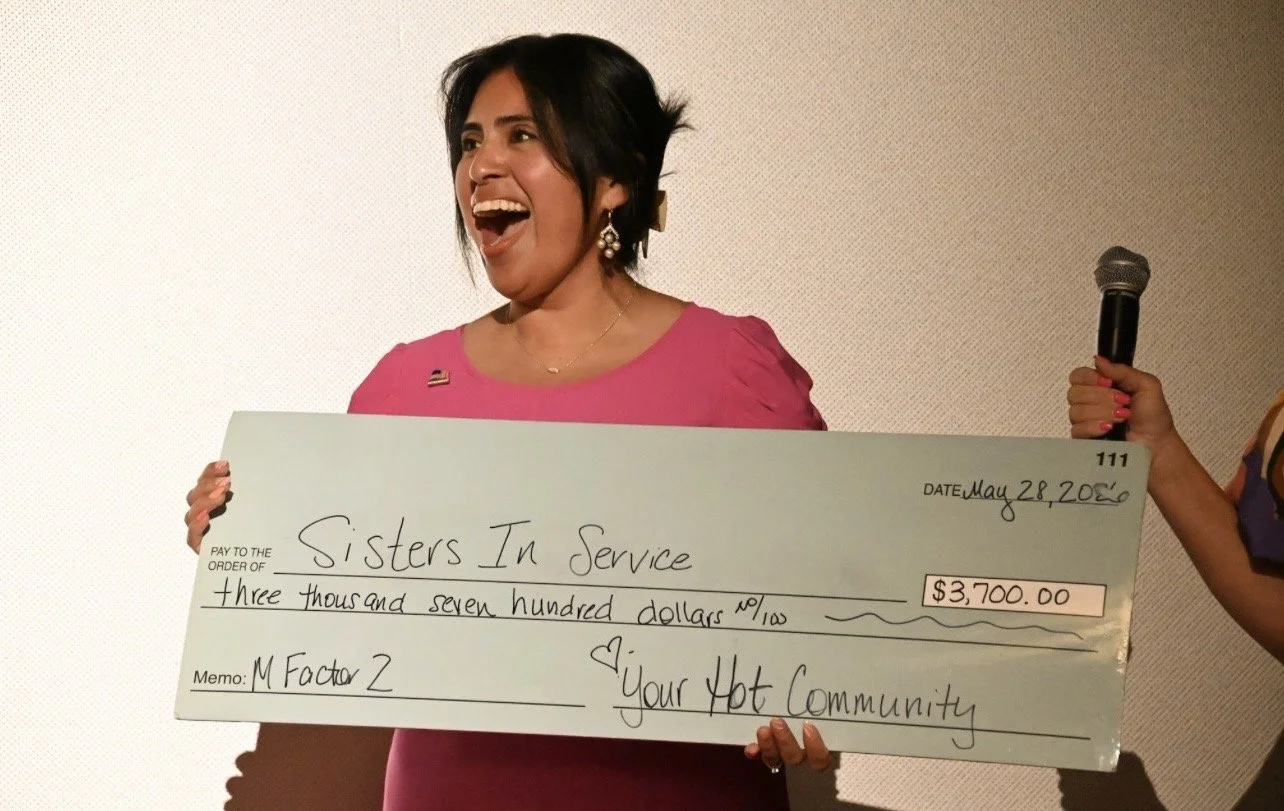
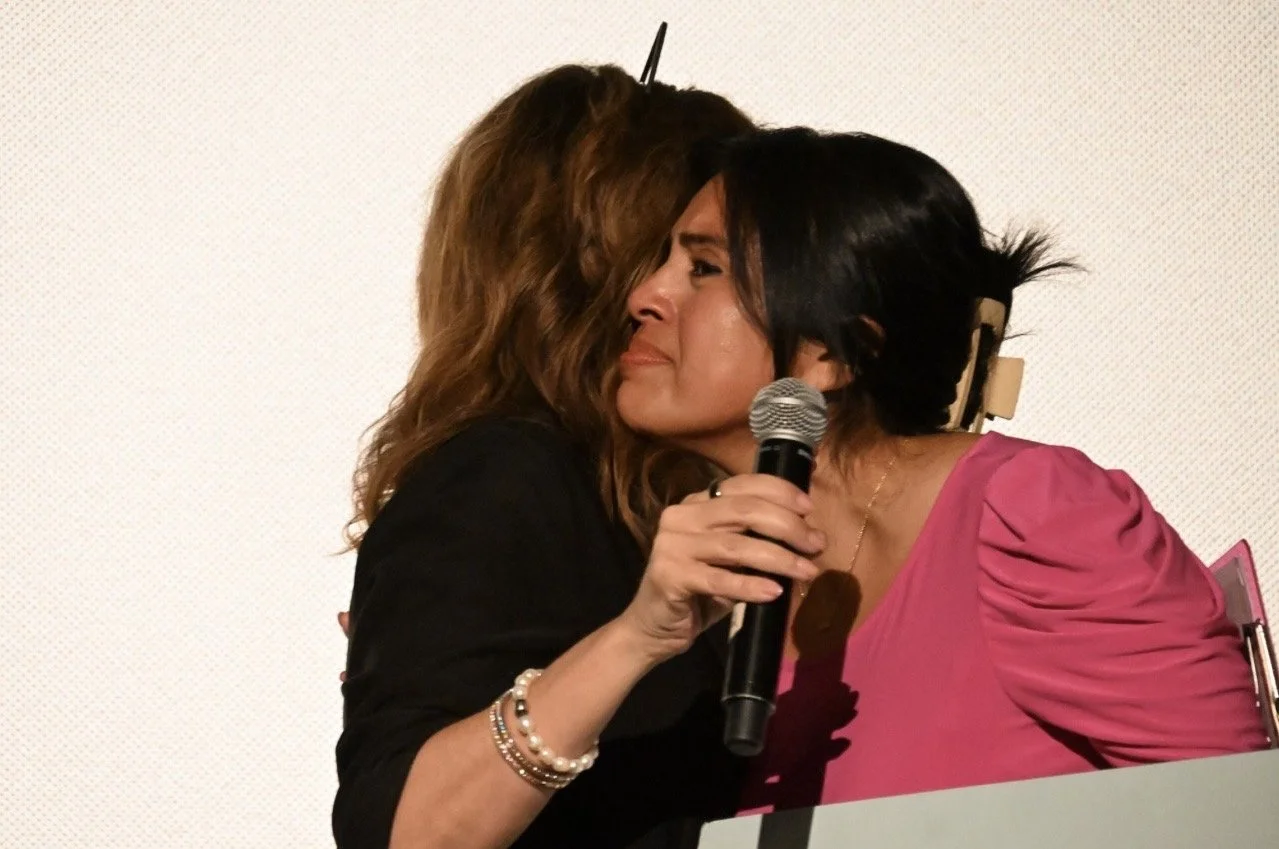
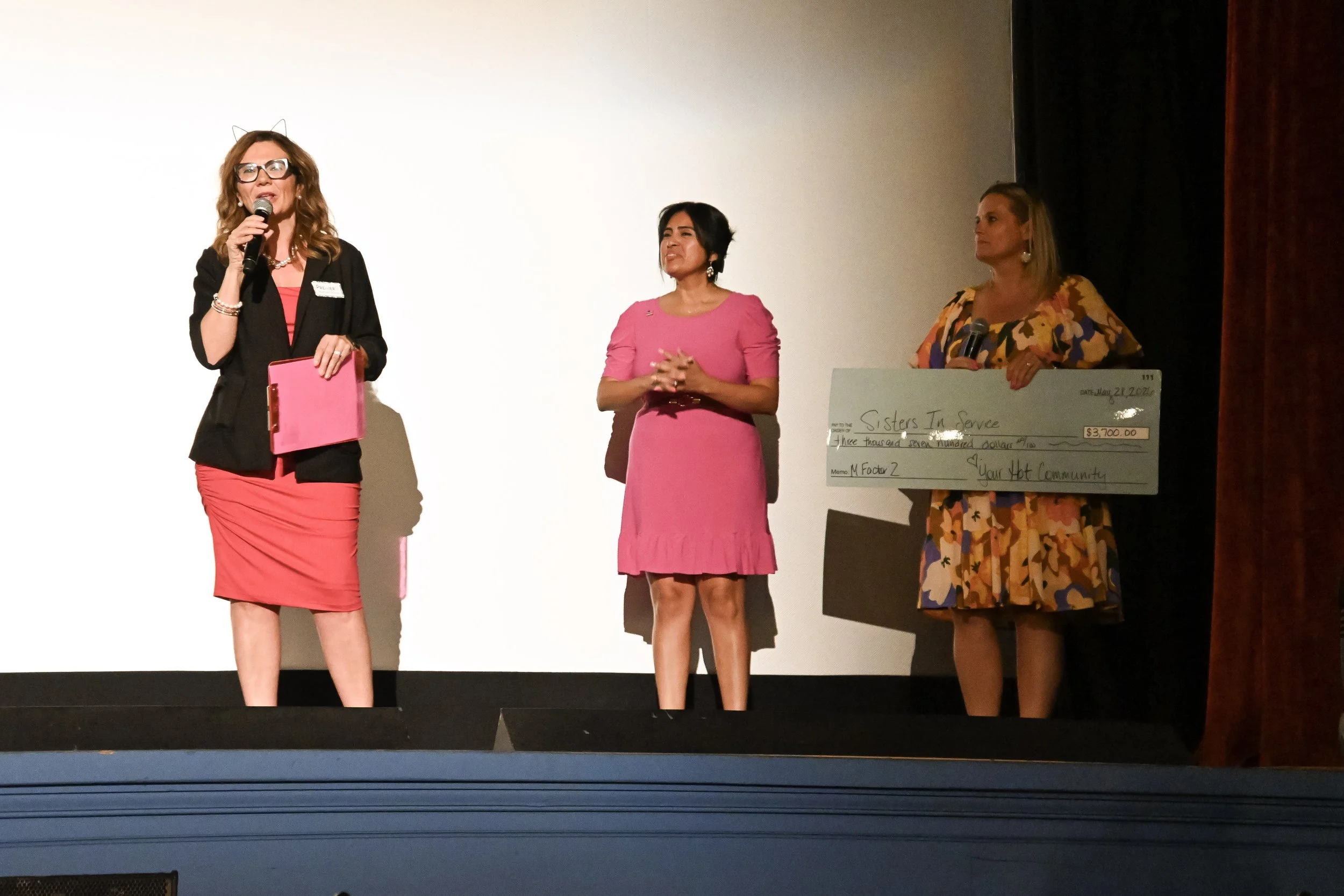
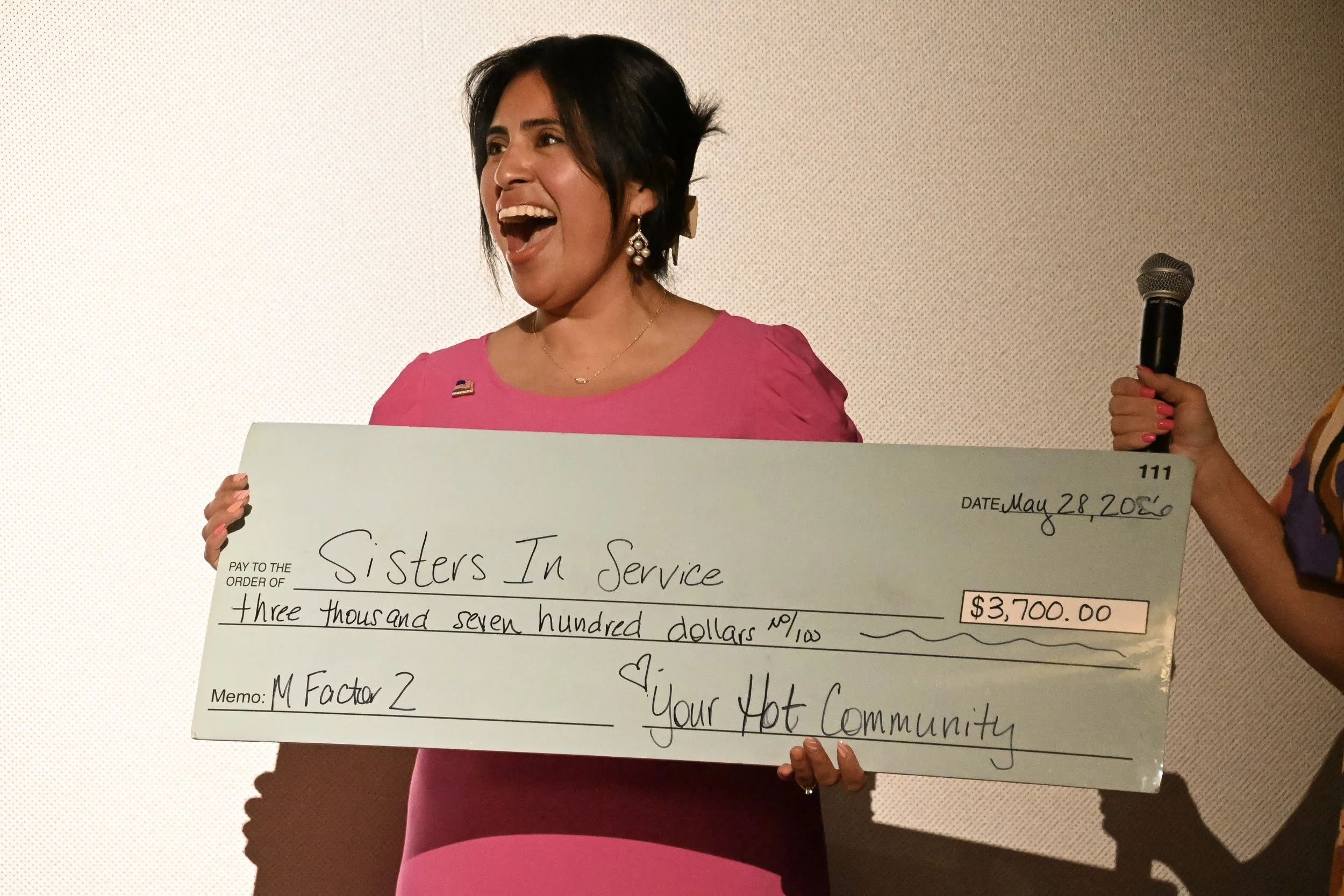
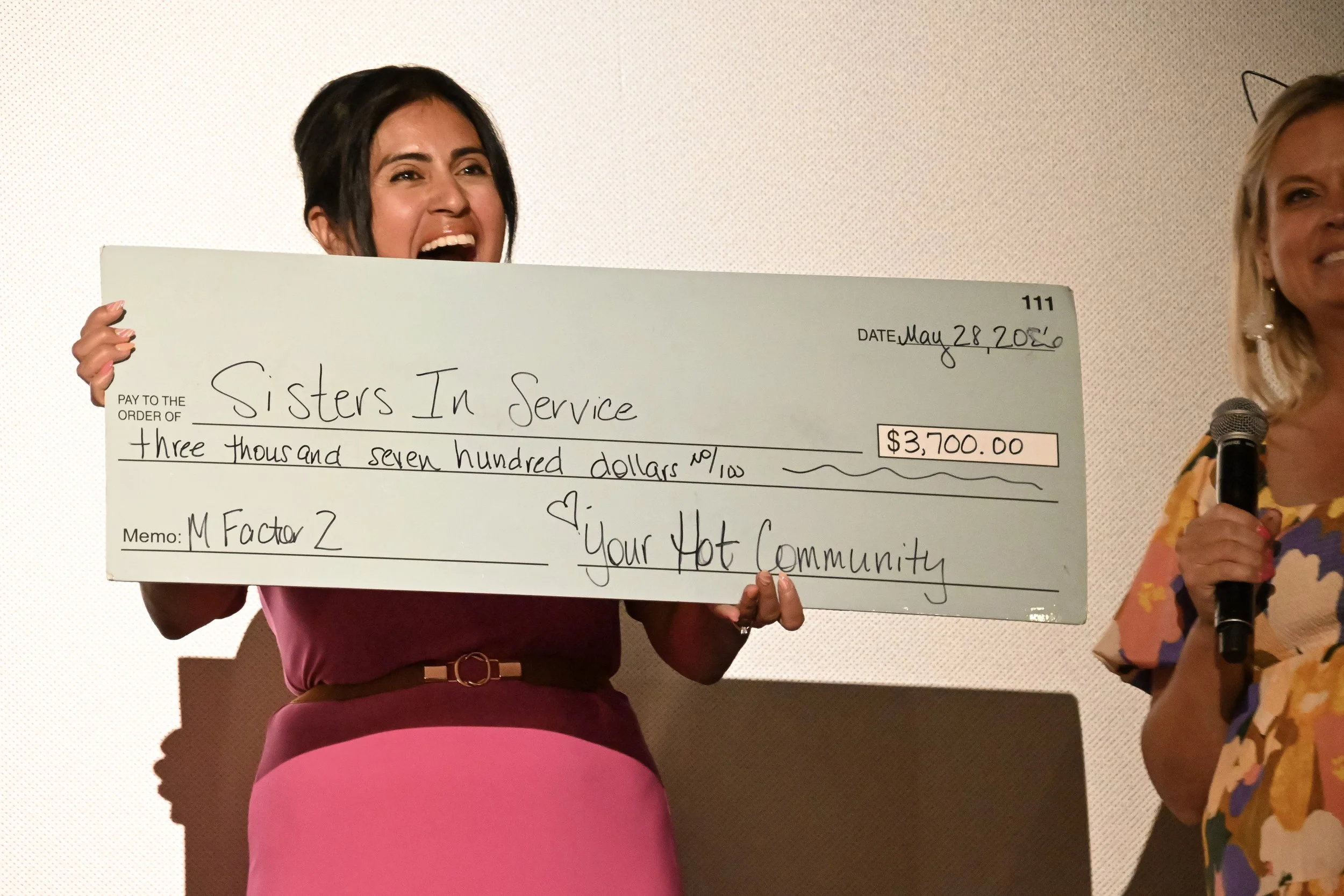
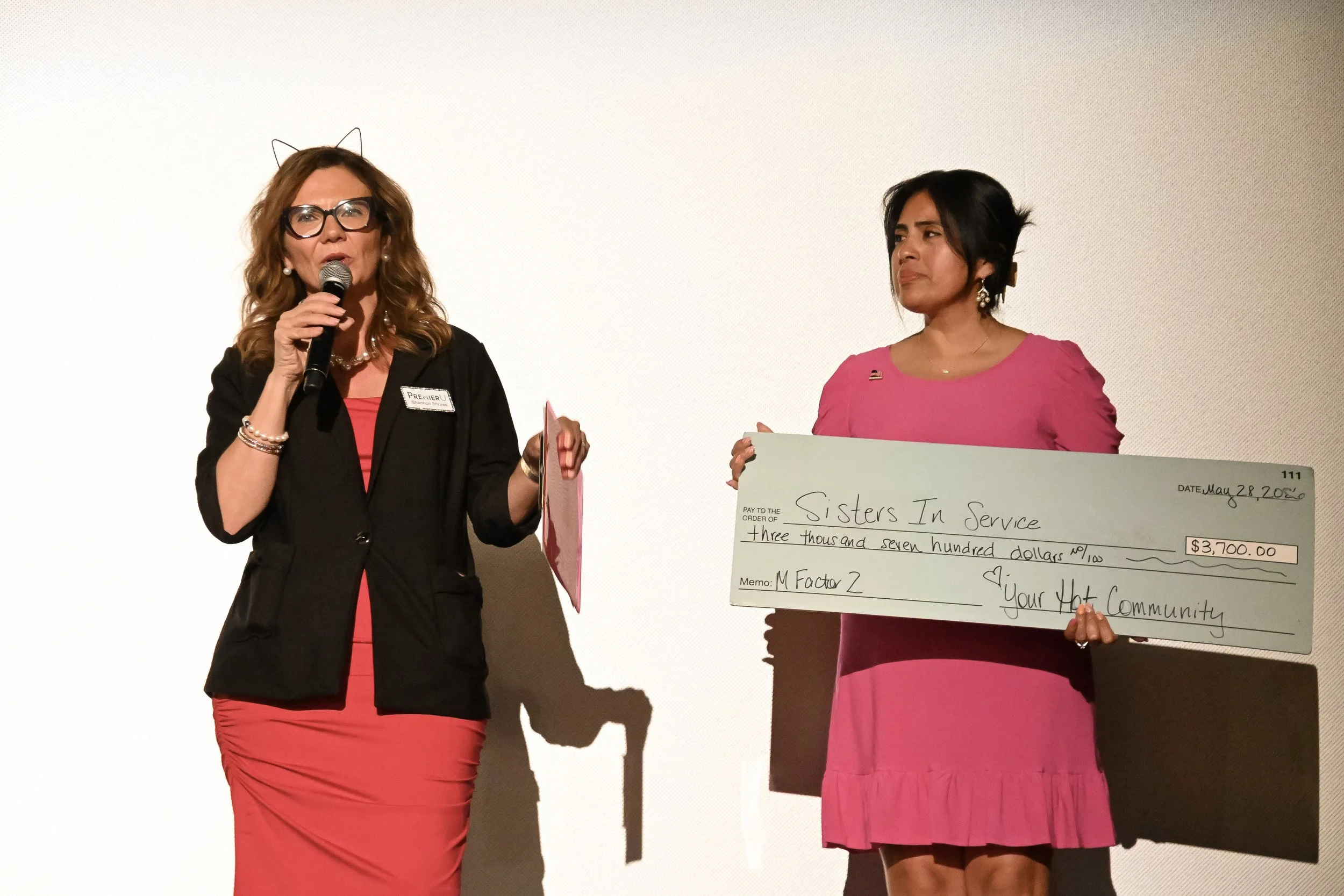
The event also raised more than $3,700 for Sisters In Service, a nonprofit organization founded by Leonor Branch that helps women veterans through connection, resources, and support. Shores said giving back to women in the community was an important part of the planning process.
“I actually heard Leonor Branch speak about the organization at a Little Black Book event, and I immediately knew this was who I wanted to support,” Shores said. “Their mission of helping women veterans through connection, resources, and support aligned so well with what this event represented… women showing up for women.”
Women Showing Up for Themselves
That sense of women showing up for themselves also stood out to Marjorie Moore, Chief Executive Officer of AgeSmart Community Resources, who attended the event and saw the conversation through the lens of the women her organization serves and supports.
“I was in awe of how many women showed up for this event and for themselves,” Moore shared. “At my job at AgeSmart, we see so many women 35 to 60 who are caring for their kids, their parents, their grandparents… everyone else, oh yeah, and they have a full-time job. And they’re burnt out. Tired. Unseen.”
For Moore, the room represented something powerful: women beginning to question what they had been told to simply accept.
“In that room, I saw women who were on fire — and not because of the warm lobby or a hot flash — questioning everything they’d learned,” Moore said. “It was magical, and I was so glad to be a part of it.”
A Movement Taking Shape
Shores noted that this event felt different from Premier U’s first documentary event. While the first focused primarily on this stage of life, this event centered more around perimenopause, a phase many women experience for years before later hormonal transitions without fully understanding what is happening in their bodies.
“This event felt bigger in every way… bigger attendance, bigger community involvement, bigger conversations, and honestly, bigger impact,” Shores said. “This time, there was more vulnerability in the room. Women were asking deeper questions, sharing personal experiences, and openly talking about struggles that so many have silently carried for years. It felt less like an event and more like a movement beginning to take shape.”
Partnering with the Greater Belleville Chamber was also an important part of bringing the evening to life. Shores said the partnership helped amplify the message and showed what can happen when healthcare, business leaders, community partners, and women from all walks of life come together.
She also gave special thanks to Maribeth Bendick, noting that Bendick immediately said yes to the event without hesitation.
“When women support bold ideas and important conversations without overcomplicating it, amazing things can happen,” Shores said. “Her support and partnership helped bring this vision to life in such a meaningful way.”
The feedback after the event reinforced the need for continued conversations around perimenopause. Shores said many women shared that they finally felt seen, validated, and understood.
“We heard things like, ‘I thought I was losing myself,’ ‘I thought this was just aging,’ and ‘I cannot believe no one talks about this more,’” Shores said. “That is exactly why events like this matter. Women do not just need information… they need hope, support, and to know they are not alone in this season of life.”
Many women also gained clarity around some of the fear and misinformation surrounding hormone therapy, including concerns shaped by the Women’s Health Initiative study. Shores said there was relief in understanding that the conversation around hormones has evolved, research has evolved, and care should be individualized.
Another important takeaway for many attendees was learning that even women who have had cancer may still have options and deserve conversations about support, symptom management, and quality of life rather than immediately assuming there are no options available to them.
Movement, Muscle, and Practical Steps
For Doreen Warfield, personal trainer and co-owner of Studio Strong, the evening showed how much women are looking for practical steps they can take in their daily lives.
“One of my biggest takeaways from the evening was how hungry women are for practical, actionable information,” Warfield shared. “There was a genuine curiosity about how to move their bodies better, preserve muscle, navigate hormonal changes, and understand what steps they can take right now to improve their health and quality of life.”
Warfield said she was encouraged by how naturally the conversations unfolded throughout the evening. Women were open, engaged, and willing to ask questions, creating a feeling of safety in the room that allowed people to be vulnerable about their struggles while still feeling hopeful about solutions.
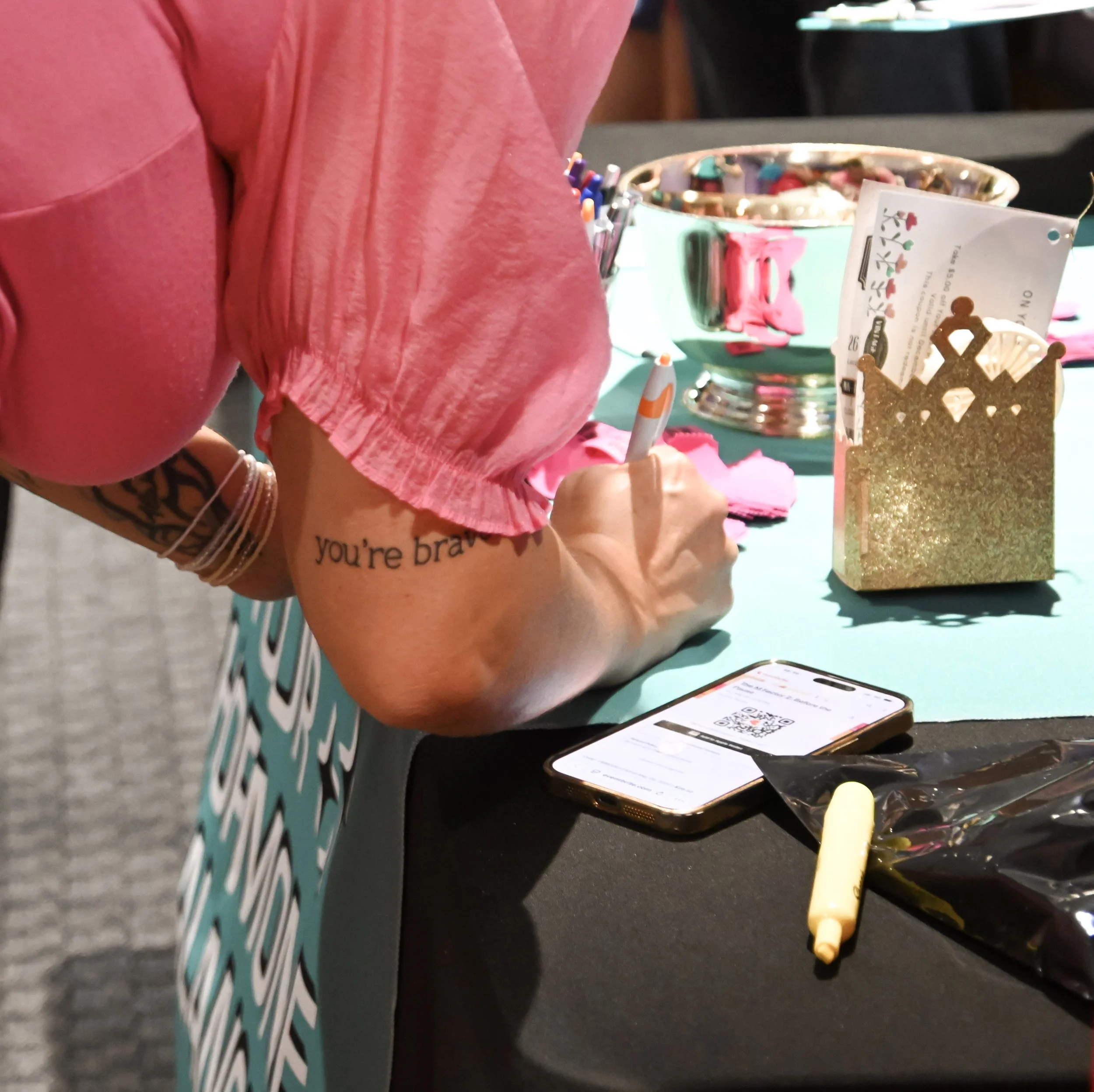
Her Workout in a Bag giveaway became a conversation starter. Women were excited to scan the QR code, receive free resistance bands, and begin the four-week program. For Warfield, the giveaway did more than offer a workout. It opened the door for one-on-one conversations where women could see that fitness does not have to be intimidating or complicated.
One moment that stood out during the panel came during a discussion about women’s relationship with food. Warfield shared something she had recently told a client: “You are not a dog. Do not reward yourself with food.”
“The reaction in the room was immediate,” Warfield said. “One woman actually stopped me and said, ‘You’re going to have to pause and let that sit for a minute so the rest of us can absorb that.’”
For Warfield, it was a reminder that sometimes the simplest statements create the biggest shifts in perspective.
She also had the opportunity to connect with a newer group fitness instructor who asked thoughtful questions about osteoporosis, muscle preservation, and programming for women in this season of life. As a fellow fitness professional, Warfield said she enjoys mentoring and sharing what she has learned, and that conversation became a highlight of the evening.
“Most of all, I loved seeing women move beyond frustration and into curiosity,” Warfield said. “Instead of feeling alone in their symptoms or challenges, they were asking questions, seeking answers, and learning from one another. There was a sense of empowerment in the room that was inspiring to witness.”
Warfield said she left the evening feeling hopeful about the future of women’s health education and believes conversations around hormones, perimenopause, muscle health, and women’s wellness are finally being brought into the open.
“I truly believe we are part of a movement,” she said. “My hope is that future generations of women will look back and appreciate how much progress was made because people were willing to start these conversations and create spaces like M Factor.”
Continuing the Conversation
After the panel discussion, attendees gathered at Bennie’s Pizza in Downtown Belleville for an after-party featuring a signature cocktail called the Hormone Hurricane. The gathering gave women a chance to continue the conversation, share their thoughts on the documentary, and talk about what they learned from the evening.
The after-party reflected something that had been building throughout the night. Women were not finished talking. They were processing what they heard, comparing experiences, asking more questions, and realizing how much of this conversation had been missing from their lives.
Another takeaway conversation came through Meagan Meier’s interview with Karlyn Slaydon at the after party.
Slaydon said she did not know exactly what to expect from the documentary, but quickly found herself relating to many of the women being interviewed.
“It was nice to know, hey, I’m not alone in this,” Slaydon shared.
One of the parts that stood out most to her was the section of the documentary that featured men discussing how to better support their wives and partners during perimenopause. For Slaydon, that conversation felt just as important as the women’s stories.
“I think it’s important for women to be in the room and to watch this, but I think it’s equally, if not more, important for men to be in the room and to be able to see this,” she said.
She acknowledged that many men may not fully understand what women are experiencing during this stage of life, while others may brush it off or avoid the conversation altogether. Slaydon said she feels fortunate that her husband is understanding, but she recognizes that may not be every woman’s experience.
She said one piece of feedback she would offer for future events would be to promote the conversation in a way that encourages more men to attend.
“I think that would be beneficial,” Slaydon said. “We’re going through it, but they are dealing with it with us.”
Slaydon spoke honestly about how quickly emotions can shift during this season of life, from mood changes and shorter patience to tears that seem to come out of nowhere. As a mother of an 8-year-old and an 11-year-old, she said those moments can require empathy and understanding from the entire family.
The mental health aspect of the conversation also resonated with her. Because she has navigated mental health challenges throughout her life, Slaydon said she has learned to recognize when she is feeling anxious, overwhelmed, or emotionally on edge.
She said her family jokes that she sometimes puts herself in “timeout,” but for her, it is a real coping tool. That might mean removing herself from the room, going to her bedroom, or taking a walk so she can reset.
For Slaydon, one of the biggest reminders from the event was that women need to speak up, pay attention to what they are feeling, and advocate for themselves if they feel dismissed.
“If your provider is just trying to brush it off, you’ve got to be your own advocate,” she said.
Her takeaway echoed one of the larger themes of the evening: perimenopause does not only affect the woman experiencing it. It can affect marriages, families, parenting, emotional health, and the way women move through daily life. Creating more understanding at home may be one of the most important parts of moving this conversation forward.
My Biggest Takeaway: We Cannot Accept Being Dismissed
As I listened to the documentary and the panel discussion that followed, one of my biggest personal takeaways was that we have to keep pushing for change in the way we talk about perimenopause. This is not a small side conversation in women’s lives. It affects how we move through our days, how we show up in our relationships, how we work, how we feel in our bodies, and even how we understand who we are becoming.
The film included medical experts as well as everyday women sharing real experiences, including memory loss, anxiety, mood changes, and the confusion that can come with not knowing what is happening in your own body. It also made clear that there is not one single way to move through perimenopause. Support can look different for each woman, from hormone replacement therapy to creams, pills, lifestyle changes, testing, nutrition, movement, mental health support, and other tools that may help.
That was an important reminder: perimenopause is not one-size-fits-all. While there may be common symptoms, every woman’s experience can look different. That is why it is so important to talk with a provider, ask questions, and pay attention to what is changing in your own body.
For me, the strongest message was that women have to remain their own health advocates. We cannot settle for being dismissed, brushed off, or told, “You are just in perimenopause, and this is how it is going to feel.” That answer is not enough. Women deserve to investigate, ask better questions, seek second opinions when needed, and keep looking for support that helps them feel informed and cared for.
That part felt personal to me. Looking back on my own health journey, I believe I began experiencing perimenopause symptoms around age 39, but many of those symptoms were masked for years by low dose birth control which wasn’t doing enough. I now realize I likely should have been asking different questions much earlier and exploring whether hormone support was something I needed before beginning HRT at 50.
The loss of estrogen can have a significant impact on women’s health, including bone health and heart health. With heart disease being the leading cause of death for women, conversations about estrogen, hormones, prevention, and long-term wellness matter. We should not accept the idea that there is nothing we can do.
Another powerful moment in the documentary featured a woman talking with her teenage daughter about how perimenopause affected her moods and daily functioning. What made that moment especially insightful was that the mother was also a medical professional, yet she still had to navigate this journey like every other woman. It was a reminder that education, awareness, and advocacy matter for all of us.
The M Factor event created an important space for awareness around perimenopause, a season of life that many women have described as confusing, frustrating, and isolating. By bringing women together for education, discussion, and connection, the evening helped shine a light on the need for better conversations and better support before menopause begins.
For many women, the event was a reminder that they are not alone — and that asking questions is often the first step toward understanding what is happening in their bodies and what support may be available.
The event reinforced something many women already know but may not always say out loud: we need more open conversations, better information, more compassionate providers, and more spaces where women can say, “This is what I am experiencing,” and be taken seriously.