
The Story of Regina Dockens: Building Before the Dream Arrives
After a lifetime of survival, service, leadership and caring for everyone else, Regina Dockens is building a new chapter around wellness, community and a dream that finally belongs to her.
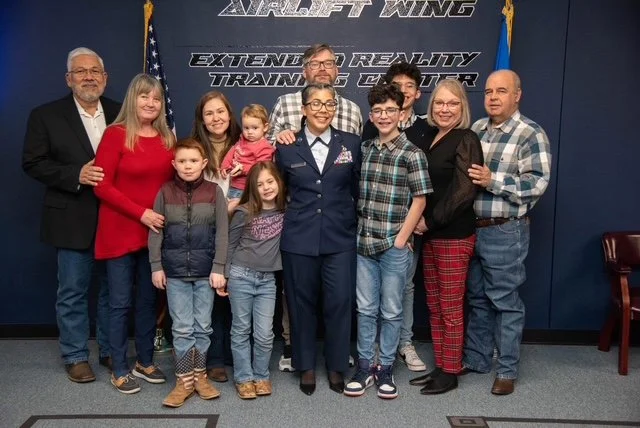
For most of Regina’s life, the question was never really, What do I want? There was always something, or someone requiring her attention first. As a teenager, much of her energy went toward survival and helping care for her younger sister. Then came more than 26 years in the United States Air Force, marriage, motherhood, deployments, leadership and the responsibility that comes with becoming the person other people depend on.
The military gave Regina structure, stability and eventually a deep sense of purpose. It also reinforced something that had begun much earlier in her life: her instinct to take care of the people around her. As a First Sergeant, that instinct became part of her work. She was there when people were struggling, when families were hurting and when service members needed someone to help them find their way forward.
Now, at almost 46 and newly retired from the military, she finds herself in unfamiliar territory. For the first time in decades, no institution is laying out the next assignment. Her sons are building lives of their own. Her husband, Tim, is already retired. The woman who spent most of her life helping other people reach their goals finally has space to consider her own.
Interestingly, it has been yoga—not the military—that has asked some of the hardest questions. Her teachers have challenged her to look inward and consider what she wants her next chapter to become. For someone who admits she spent much of her younger life operating from survival and scarcity, that kind of freedom can feel almost as intimidating as it is exciting.
“The military never asked me, ‘What do you want?’”
Regina is beginning to have an answer.
The Way Out
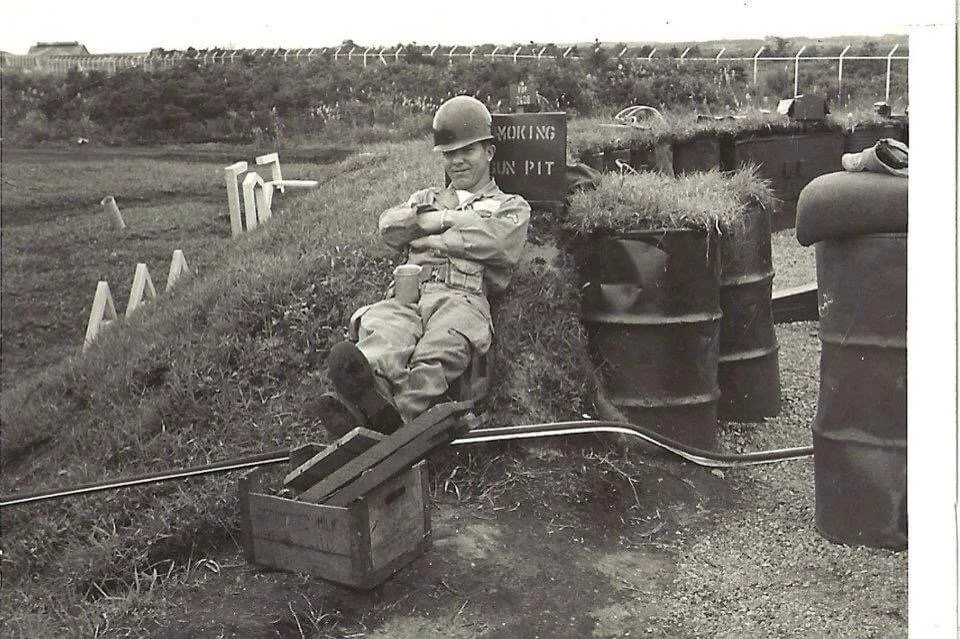
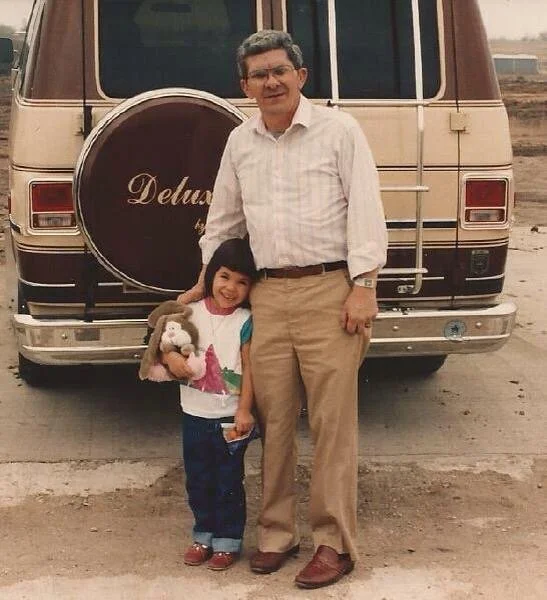
Regina grew up in Big Spring, Texas, in a military family. Her father served in the Air Force, her grandfather served, and military service was woven throughout her family. After her parents separated, however, childhood changed dramatically.
Her mother struggled with serious mental-health challenges, and home became unstable. There were frequent moves, stretches spent sleeping on other people’s couches and periods of deep financial hardship. Regina remembers living in a tiny house where her bedroom had carpet laid over a dirt floor. Mice in the house, food insecurity and uncertainty were not occasional disruptions. They were simply part of the environment she learned to function inside.
As the oldest child, Regina became a caretaker long before adulthood. She worked multiple jobs during high school, made sure there was food, did laundry, helped her younger sister bathe and tried to create order where very little existed. Her sister was eight years younger, and Regina carried a level of responsibility that came much earlier than it should have.
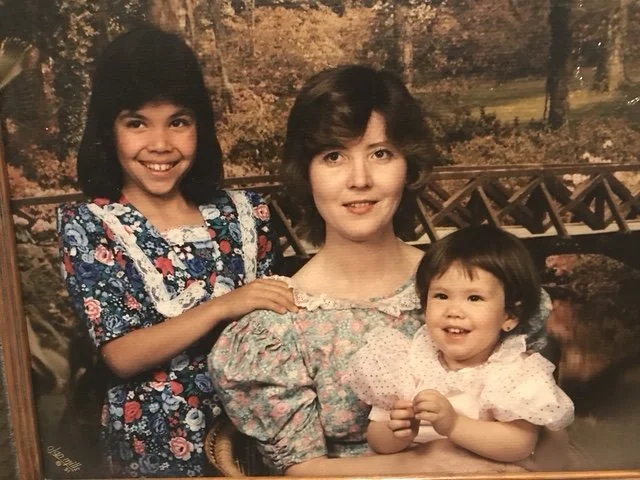
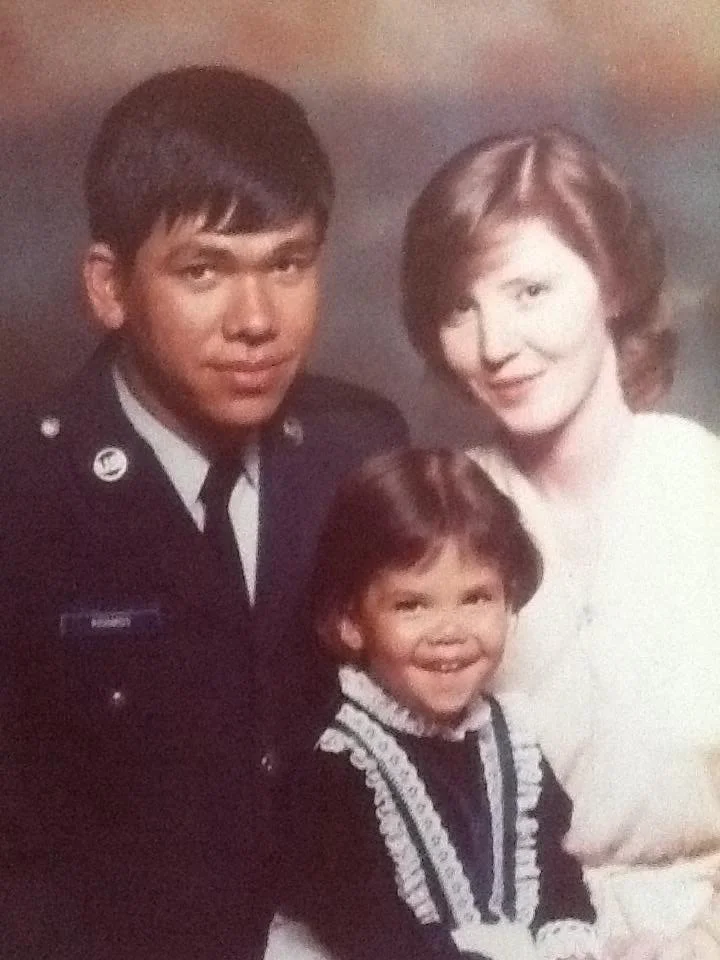
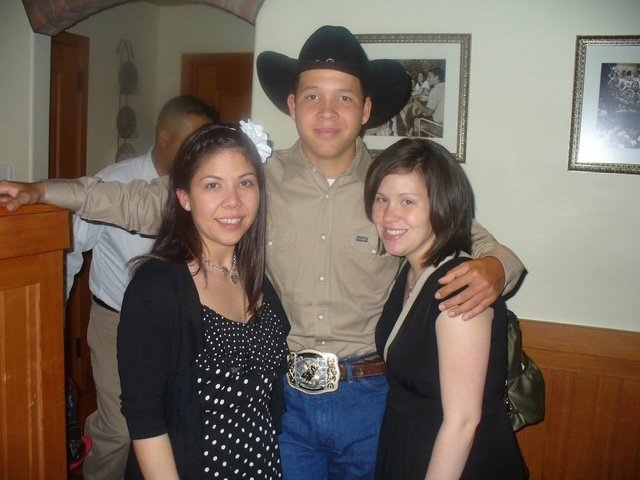
Her sister remembers parts of their childhood differently. Regina understands why. She spent years shielding her from as much as she could, often stepping into the role of protector.
That dynamic stayed with her. Regina learned very young how to anticipate what other people needed, how to function during chaos and how to keep moving even when life around her was unstable.
By the time high school graduation arrived, the military represented far more than a career.
It represented a way out.
“I knew I was going to have a roof over my head. I knew I was going to make my own money. I was going to have food on the table, a job and healthcare.”
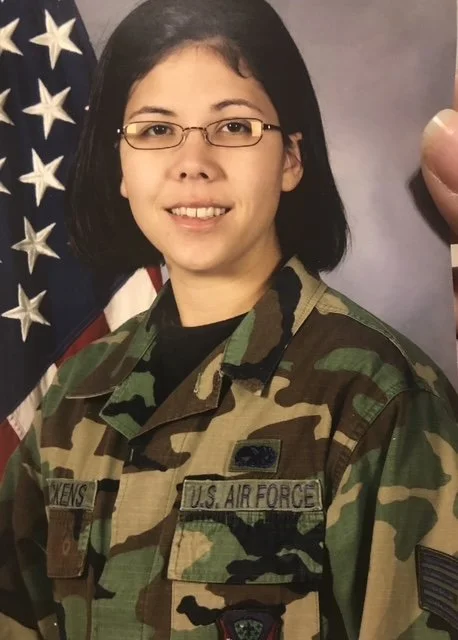
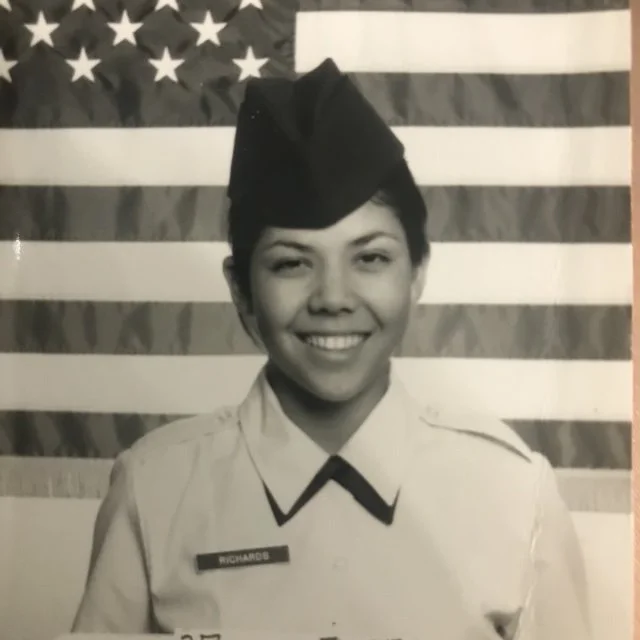
Regina entered the Air Force’s Delayed Enlistment Program at 17. She graduated from high school on May 21, 1999, and by June 2 she was at basic training.
“At 18, I really had no clue what I was doing.”
She did know one thing: she needed a way forward.
A Map to Somewhere New
After technical school, Regina received her first duty assignment at Mountain Home Air Force Base in Idaho. Before she left Texas, her grandfather pulled out a large paper road map and helped her chart the drive. They marked her route, discussed where she could safely stop and agreed she would call him from the hotel before dark.
Then Regina got into the car and drove.
More than two decades later, she still remembers that trip vividly. Every mile placed more distance between her and the instability she had known.
“There I was, Idaho from Texas. On my own. Doing my thing.”
She worked in aircraft maintenance operations, concentrating on databases, statistics and analysis of aircraft information, and discovered that she genuinely enjoyed the work. For a young woman who had grown up around unpredictability, the structure of military life offered something she had been missing.
The Air Force also brought her Tim.
They met while stationed at Mountain Home. Then September 11 changed military life for everyone. Stop-loss orders, shifting plans and reenlistment became part of their early story together. They married and eventually had two sons, while the Air Force took their family around the world.
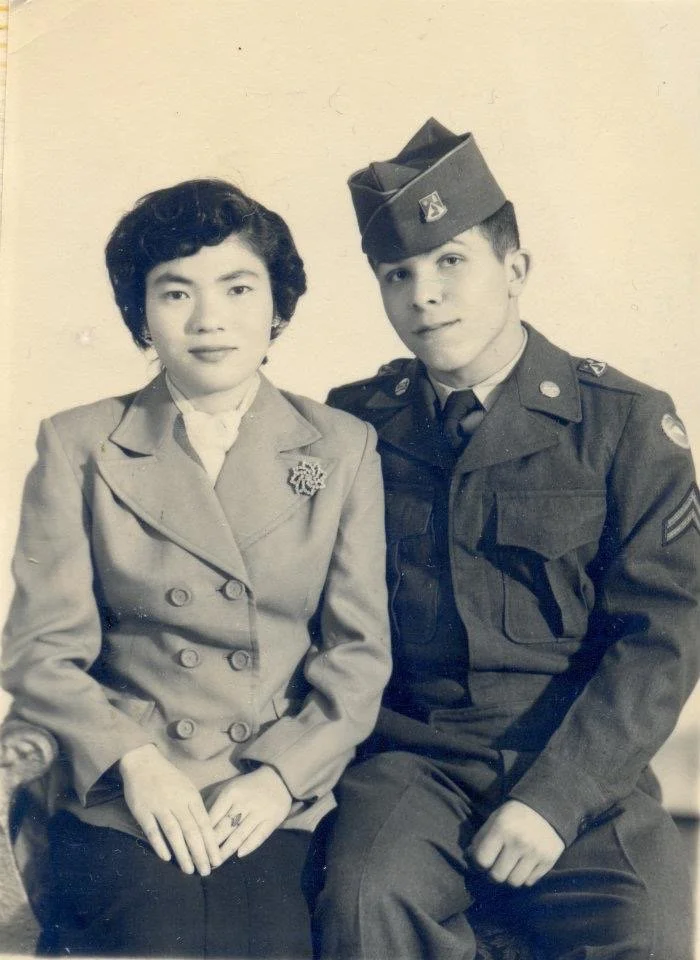
They spent nearly four years in Japan and another four in Italy, giving their boys an upbringing dramatically different from Regina’s own. Japan carried an especially meaningful connection. Regina is one-quarter Japanese; her paternal grandmother was Japanese, and her grandfather had met her there. Living in Japan brought her closer to a part of her family history.
Military life also brought long separations. Tim worked swing shifts, nights and deployments, and there were extended periods when Regina essentially parented alone.
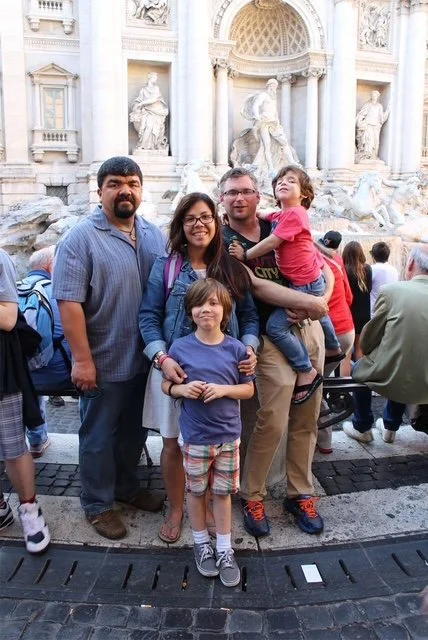

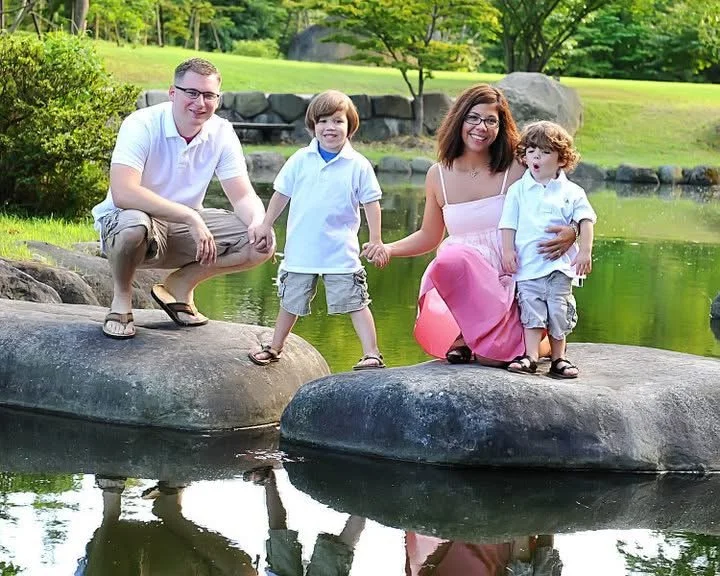
One of the most difficult came in 2011, when their family was living in Japan during the massive earthquake and resulting crisis. Tim was deployed. Regina was working 12-hour shifts. Communication technology was nowhere near what families have available today, and uncertainty surrounded them.
Although her children were not under a mandatory evacuation order, Regina chose to send them back to the United States. Their babysitter accompanied them to Travis Air Force Base in California, where family members met them. Her oldest was in kindergarten. Her youngest was three.
For roughly five months, the boys stayed with grandparents while Regina remained in Japan fulfilling her responsibilities.
“It was hard. Probably more on me than anybody else.”
Regina knew her boys were safe, but the separation carried its own emotional weight. Her oldest finished kindergarten in Texas while she remained overseas, and years later she can see that the experience became part of her children’s memories too.
Military service may belong officially to the person wearing the uniform, but its sacrifices often extend throughout the entire family.

Finding the Work Behind the Work
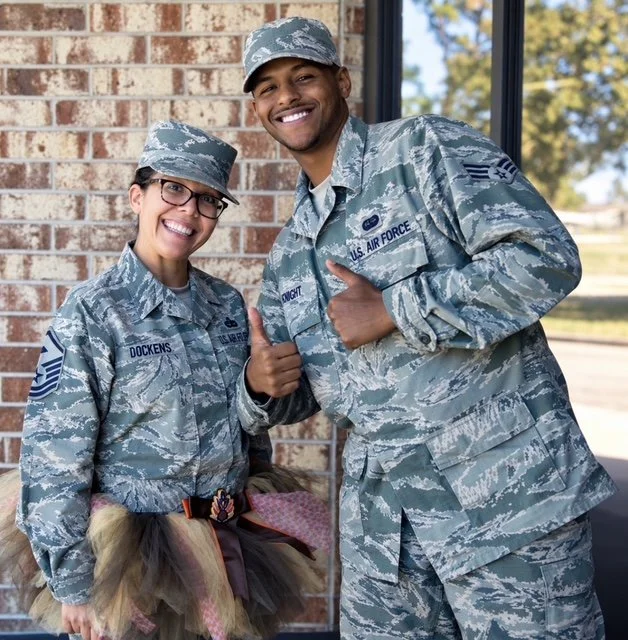
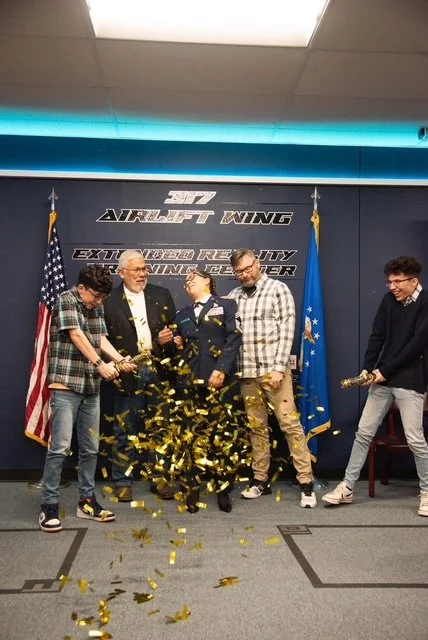
Regina continued advancing in the Air Force, eventually reaching E-9, the highest enlisted pay grade. She also became a First Sergeant, and nearly two decades into her career, she found the part of military service that felt most connected to who she was.
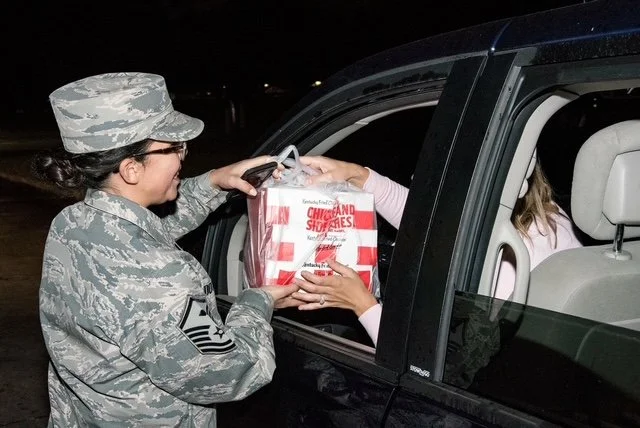
A First Sergeant or “shirt,” as the role is often called—is often the person service members encounter when life becomes complicated. Financial problems, relationship crises, disciplinary issues, deployments, loss and family emergencies can all arrive at the First Sergeant’s door.
At times, Regina met people on one of the worst days of their lives.
“I really discovered that I truly just want to help people be their best self.”
The work required far more than administration. Regina handled situations involving grief, family breakdown, financial distress, disciplinary issues, deployments and loss. There were Airmen who died. There were families stretched by separation. There were people who needed accountability and others who needed someone to help them find their footing again.
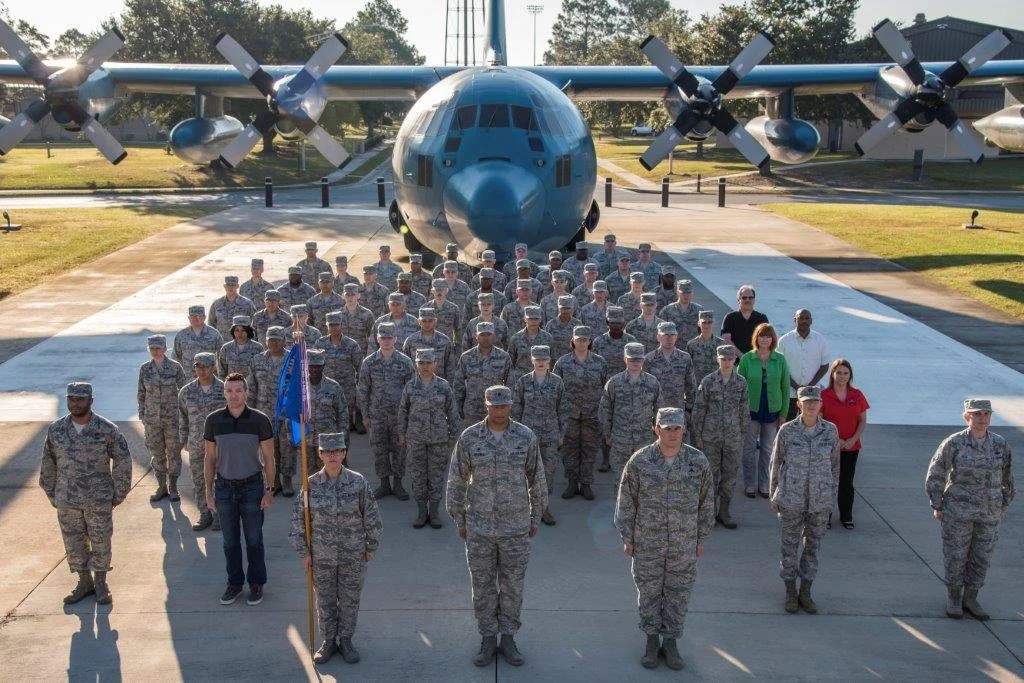
At one point, Regina was responsible for supporting a unit of more than 800 Airmen and their families.
That work became even more challenging during COVID. Leadership was suddenly happening at a distance. The usual ways of connecting with people—walking into an office, gathering a group or checking on someone face-to-face were limited or gone.
Regina and other leaders had to rethink morale, communication and support while still carrying out the mission and following constantly changing guidelines. She describes that period as both one of the best and most difficult times in her career.
It also clarified what mattered most to her.
She cared about the person behind the uniform. She wanted people to have space to talk, work through problems and feel heard without immediately being judged.
That understanding shaped her education as well. Regina earned a bachelor’s degree in business management and later completed a master’s degree in Human Services Counseling with an emphasis on military resilience.
The two degrees reflect different parts of what she had learned along the way: how organizations function and how people move through difficult experiences.
When Her Body Started Asking Questions
Regina’s path into wellness did not begin with a business plan. It began because she was trying to feel better.
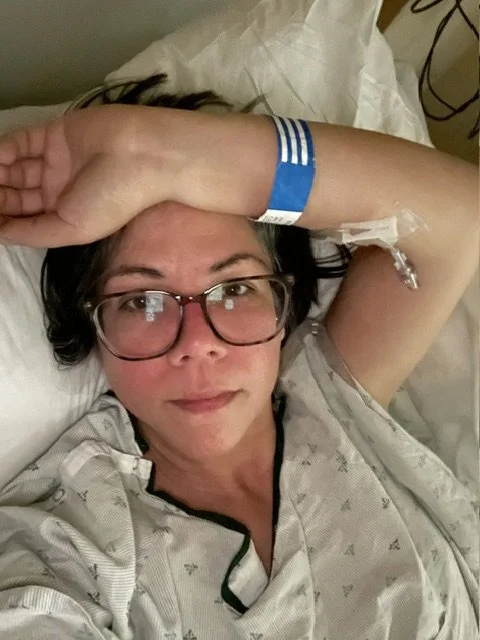
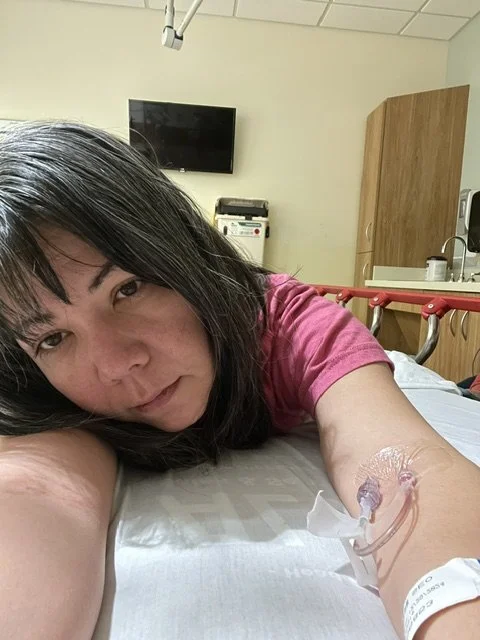
After years overseas, her family returned to the United States and was stationed in Georgia. Around that period, she began experiencing severe recurring abdominal pain and digestive problems. For years, she believed the pain was gynecological. She underwent procedures, changed her diet significantly and eventually had a hysterectomy in 2017 while retaining her ovaries.
She expected the surgery to solve the problem.
The pain remained.
After moving back to Texas, Regina finally saw a gastroenterology specialist and underwent extensive testing. She says doctors could see the symptoms she was experiencing, including significant abdominal distention and pain, yet no definitive diagnosis explained everything.
Health became something she was increasingly determined to understand for herself.
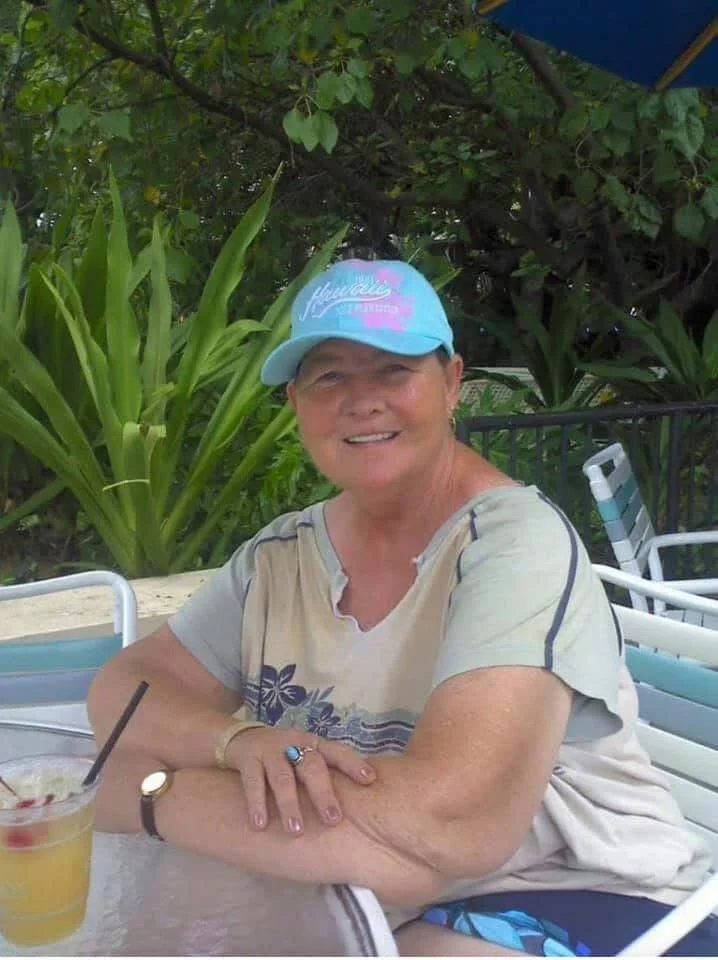

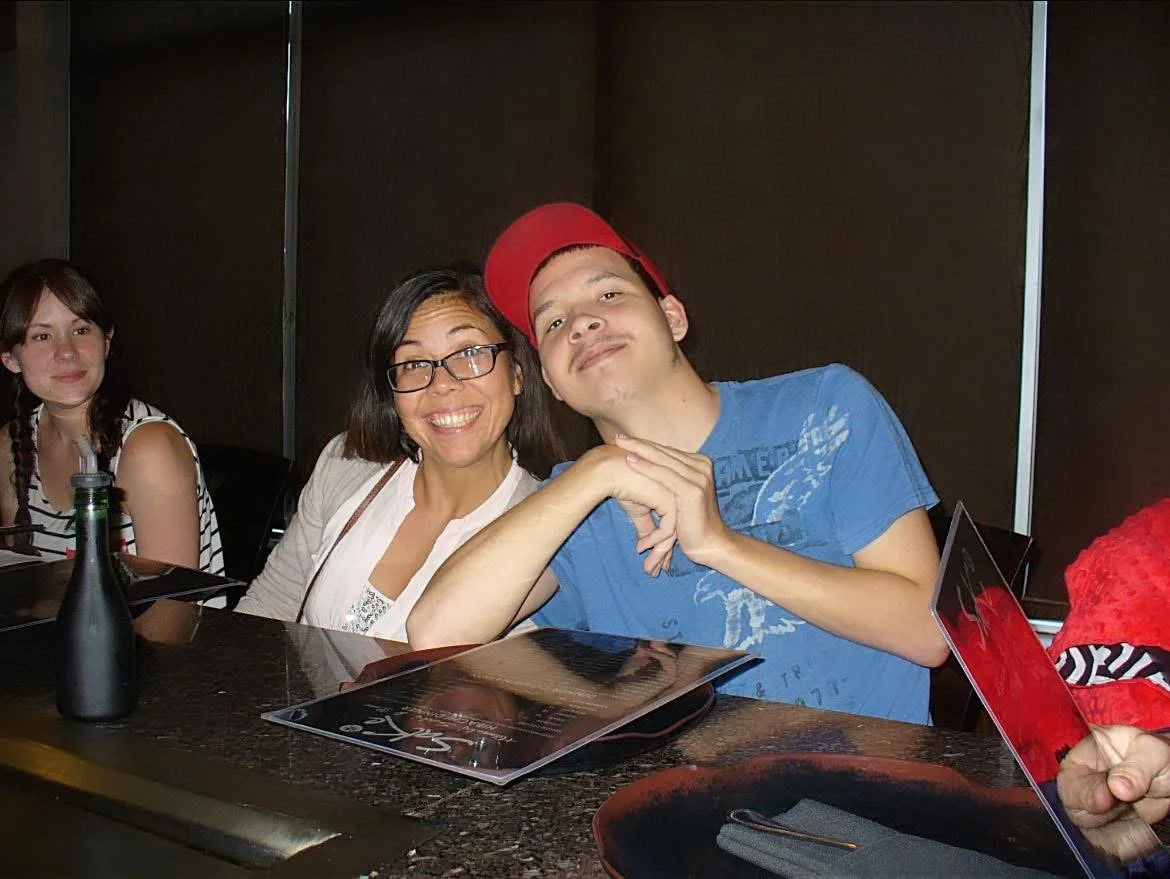
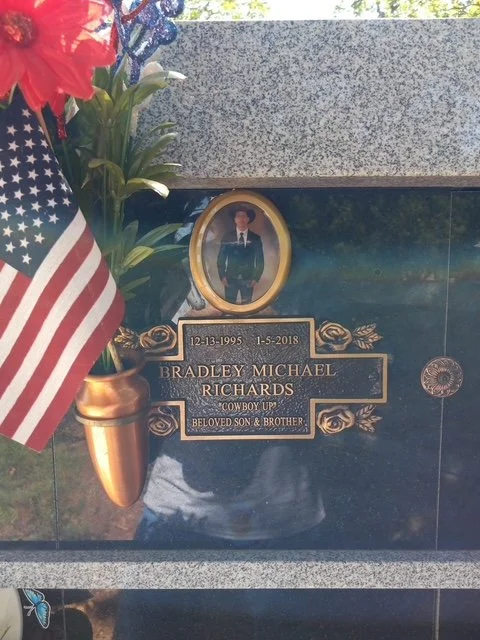
That chapter also carried profound grief. Regina’s younger half-brother died 2017, but his body wasn’t found until the first week of 2018. Then, in 2019, shortly after she received an assignment to Abilene, Texas close enough that she hoped to rebuild a deeper relationship with her mother—her mother became critically ill and died.
Their relationship had been complicated for much of Regina’s life, yet the two had started reconnecting. They were talking more often, and her mother had become interested in hearing about Regina’s sons and their lives.
Regina did not get the amount of time with her mother she once imagined they might have, although she did receive something important before her death.
“I got enough closure to not feel guilty about the relationship that we had.”
The relationship did not end with every question answered, but Regina was able to see a different side of her mother before she died and make peace with what their relationship had become.
When Wellness Became More Than Personal
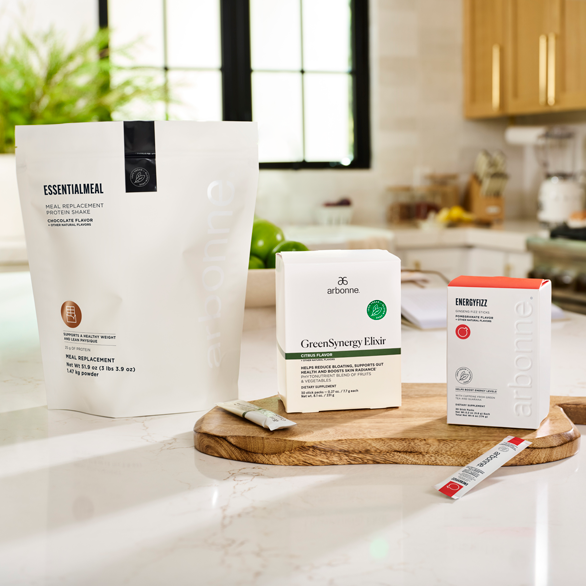
As Regina continued searching for ways to support her own health, a friend introduced her to Arbonne and its 30 Days to Healthy Living program.
Regina followed the program closely, made changes to her diet and began incorporating several of the company’s wellness products into her routine. Her interest became personal because she says she experienced a significant improvement in her gut health and daily discomfort.
Regina’s daily routine now includes several Arbonne products she says have become staples for her. She often starts the day with tea and one of the company’s Fizz energy sticks, which she uses in place of coffee, and she regularly incorporates the GreenSynergy Elixir, protein shakes and other wellness products into her routine. She also uses products such as the CleanTox tea, hydration support and antioxidant shots depending on the day and what she feels she needs. For Regina, the value is not in following one rigid routine, but in having products she feels support her gut health, energy and overall wellness in a way that is easy to maintain. She says the GreenSynergy Elixir, in particular, became one of the products she noticed quickly when she began using it consistently, and that personal experience is part of what gave her confidence in sharing Arbonne with others.
After years of searching for answers, feeling better increased her quality of life. She also appreciated having a wellness routine she could participate in every day rather than simply waiting for another appointment or test.
What began as an effort to support her own health gradually became something she wanted to share with others. Regina officially began building an Arbonne business in 2023 and has since reached the district-manager level, with another district manager on her team.
The business fits naturally with something that has followed Regina throughout her life: she enjoys helping people find tools that make their lives better. Arbonne also provides something practical an additional source of income that she can grow as she works toward a much larger goal.
“Arbonne is my vehicle to get to the journey.”
She sees the business as one avenue that can help finance what she ultimately wants to create.
And what she wants to create is becoming much clearer.

Yoga Changes the Question
Yoga had already been part of Regina’s life for nearly 20 years. She first encountered it during her second pregnancy while serving in the military. In those early years, she viewed yoga primarily as exercise: stretching, movement and another way to stay physically active.
Over time, yoga became something more.
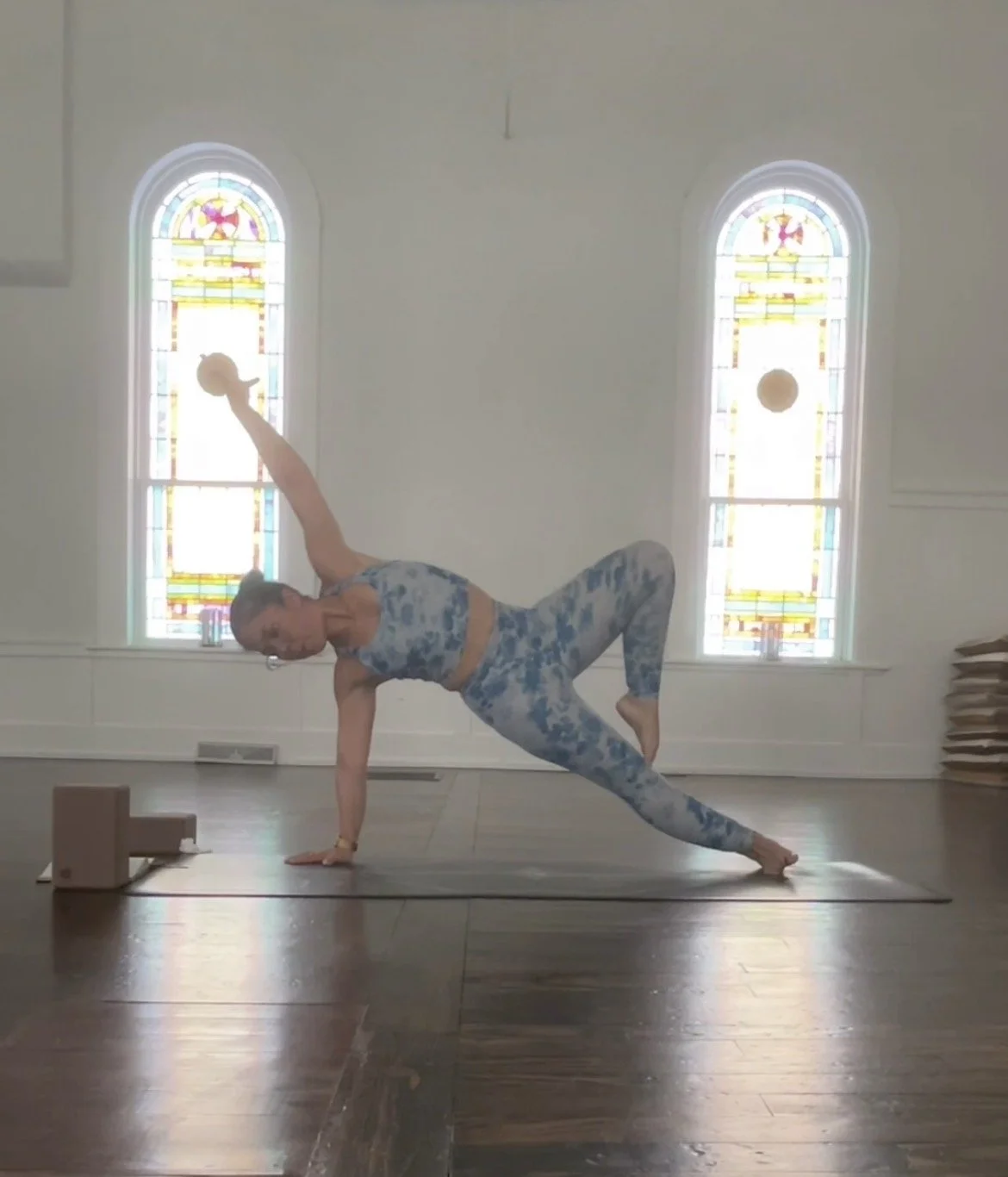
As retirement approached, Regina completed a 200-hour yoga teacher-training program and became certified in July 2025. She now teaches at Moonbird Yoga and continues her own training and education.
She also became Moonbird’s first participant in the Department of Defense Skill Bridge program. Working with the studio, she helped establish a pathway that allows transitioning service members to spend part of their final months of military service learning more about the operations of a wellness business.
The experience also gave Regina a place to begin transitioning from military life herself.
For more than 26 years, she knew where to be, what was expected and what assignment came next. Even when life was difficult, the structure remained familiar. There was a chain of command, a mission, a schedule and a defined responsibility.
Retirement removed that framework.
Her husband, Tim, had already been retired for years and had adjusted to a different pace. Regina was arriving at the same transition after decades of constant motion, responsibility and being needed.
She found herself having to learn what to do with open space in her own life.
Yoga gave her a place to begin doing that. Her mentors pushed her beyond the physical practice and into questions she had rarely stopped long enough to consider.
What did she want?
Who was she without the uniform?
What did she want this part of her life to look like?
“My whole life, what I stood for and what I did was never about me. It was always about everyone else.”
Regina did not leave the military without purpose. She left with decades of leadership, education, experience and a deep instinct for helping people. Retirement gave her the opportunity to decide where she wanted to direct those strengths next.
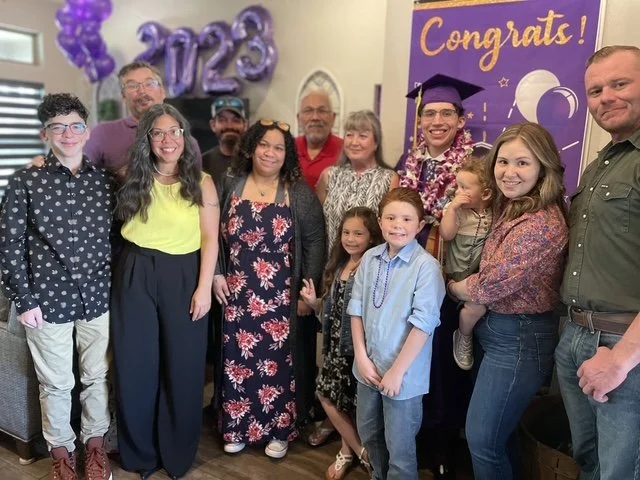
The Vision Taking Shape
When Regina talks about the future now, the picture becomes remarkably specific.
She sees 10 to 20 acres of land, ideally with a pond. She imagines roughly 10 tiny homes, a community garden, indoor and outdoor gathering areas and a central wellness space.
There would be yoga and breathwork, although Regina does not envision herself doing everything. Collaboration is central to the idea. Other wellness practitioners could bring their expertise into the space, while organizations, military groups, families and individuals could use the property for retreats, gatherings and time away from the pace of everyday life.
Her military background is part of that vision too. Regina can imagine units using the property as a place to reset, reconnect and focus on wellness outside the traditional military environment.
She pictures people using the property in different ways. Someone might attend yoga in the morning, walk the grounds, work in the garden, sit near the pond or gather with a group later in the day. Another practitioner might lead a workshop. A military group could spend a weekend there. Families could use the space to reconnect.
The goal is not one rigid program. Regina wants to create an environment where wellness and community can happen in many different forms.
Over time, the vision becomes even larger.
Regina and Tim have aging relatives, including an aunt without children who has already told Regina that she may one day be responsible for helping care for her. The tiny homes could eventually offer another purpose: a way for family members to live nearby while maintaining independence.
The idea becomes more than a retreat.
It becomes a community.
The property could generate income, support wellness, create space for collaboration and eventually offer something meaningful for their own family across generations.
Regina sees a roughly five-year horizon for the dream. She and Tim have already begun looking at properties, with Texas remaining a strong possibility because much of their extended family is there.
Illinois has complicated that vision in an unexpected way.
Regina likes the community she has built here. Through yoga, Little Black Book-Women In Business, Sisters in Service and the relationships she has developed, this chapter has become more meaningful than she may have anticipated.
Leaving would mean closing something she is still enjoying.
For now, she is allowing both possibilities to remain open.
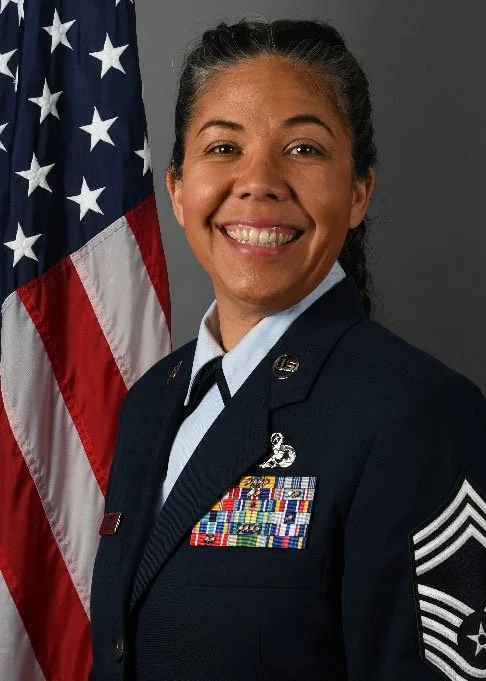
Building Before the Dream Arrives
Regina and Tim are benefiting from choices they began making years before retirement.
Early in their marriage, someone gave them advice that stuck: “Pay now so you can play later.”
They took it seriously.
When promotions came, they increased their retirement contributions rather than allowing every raise to disappear into a more expensive lifestyle. That planning now gives them more freedom to think carefully about what they want the next part of their lives to become.
Their two sons are finding their own directions as well. One is in college and considering becoming a therapist. The other is studying to become an electrician. Their paths could hardly look more different, yet Regina sees value in both.
Her own path has been just as varied.
Business management. Aircraft Maintenance Management, First Sergeant. Human Services Counseling. Yoga teacher. Wellness advocate. Entrepreneur.
And, perhaps one day, retreat owner.
None of it forms a perfectly straight line, yet the pieces are beginning to connect.
Regina’s retreat may still exist as a vision, but much of its foundation is already being built. She is learning the operational side of wellness through Moonbird Yoga, growing an additional income stream through Arbonne, developing relationships with other women in wellness and business, and paying attention to the people who have already created the kinds of spaces she hopes to build.
She understands leadership because she has led. She understands transition because she is living one. She understands community because she has spent much of her life creating it for others. She understands the importance of wellness because she has had to search for it herself.
The land is not purchased. The tiny homes are not standing. The retreat calendar does not exist yet.
The foundation does.
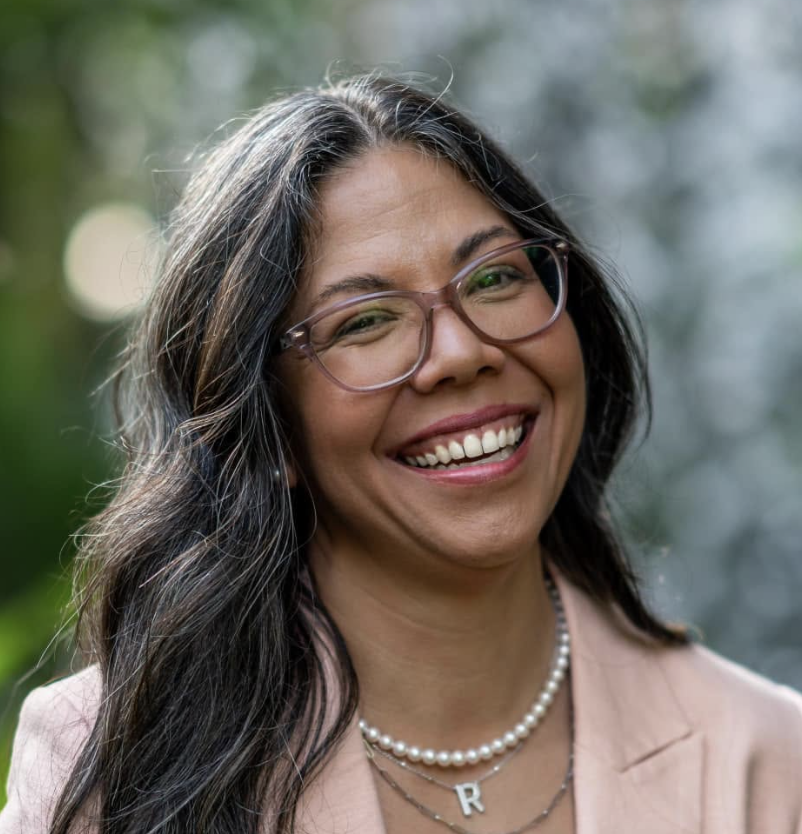
What She Would Tell the Girl Who Left Texas
When Regina thinks about the 18-year-old girl preparing to leave Texas for basic training, she thinks first about fear.
“Don’t be so afraid. Be okay with who you are.”
For years, Regina says, she was trying to prove herself to the people around her.
“I never really took a moment to actually think, ‘Is this somebody that I want to be?’”
She understands that younger version of herself differently now. She was operating in survival mode, and growing up with scarcity taught her to value safety and predictability. She learned to make choices she could control and to take risks primarily when she believed she could succeed.
“I don’t feel like I said yes enough. I was more reserved with my decisions based off of that scarcity mindset.”
At 46, she is learning another way to live.
She is teaching yoga, continuing to learn, growing a wellness business and surrounding herself with people who encourage her to think bigger. She is looking at land that might someday become something entirely different from what it is today.
Most importantly, Regina is allowing herself to want something without already knowing exactly how every piece will happen.
After more than 26 years of military service, raising two sons, living around the world, navigating grief, rebuilding relationships and helping hundreds of people through difficult moments, she finally has room to consider what she wants next.
For Regina, the answer is taking shape in acres rather than assignments, community rather than rank, and a future where wellness, family and purpose can exist in the same place.
She spent decades helping other people find their way forward.
Now she is building her own.


To learn more about Arbonne and connect with Regina for more information:
Regina Dockens - Independent Consultant
https://www.arbonne.com/arb/reginadockens
