
Remaking Jodi: Dressing for Joy and Taking Up Space
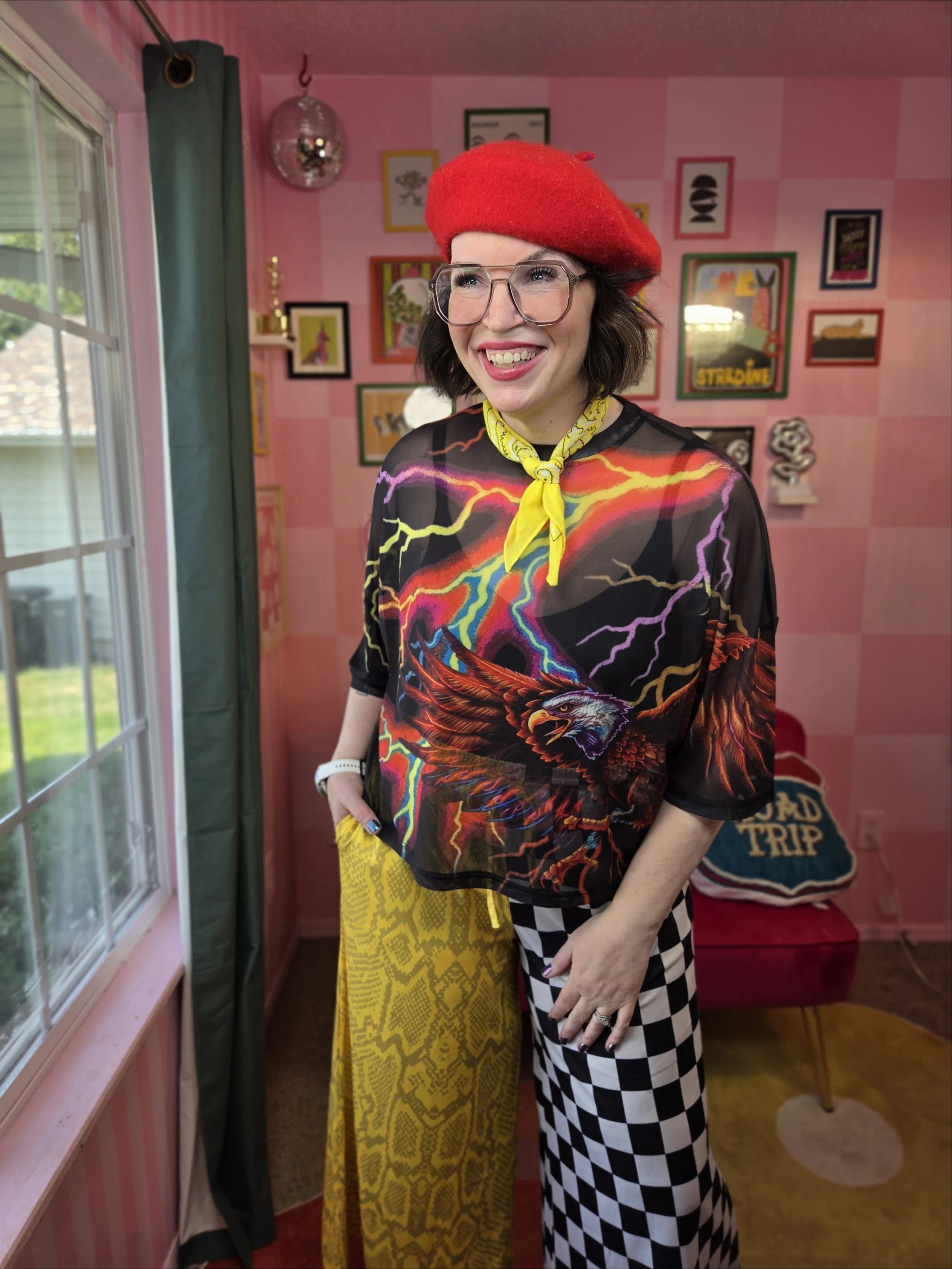
As a 51-year-old Gen X woman myself, I find myself increasingly drawn to women who are dressing more for themselves than for anyone else. Women who are choosing color, pattern, personality and joy without first asking whether something is age appropriate, flattering enough or likely to earn approval.
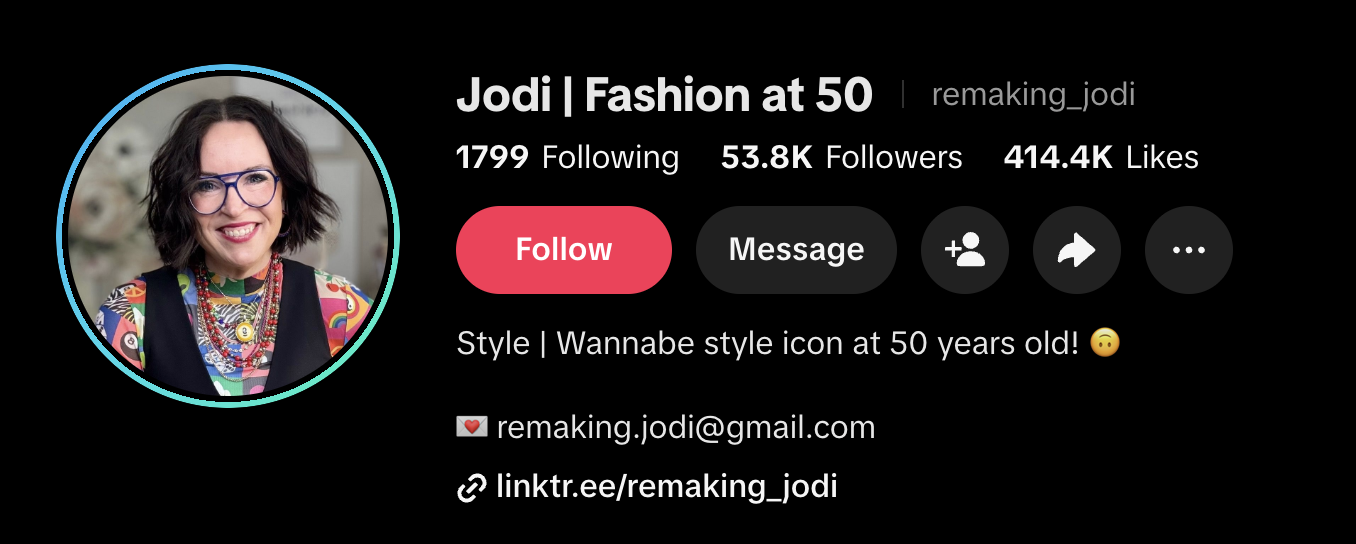
Jodi, the woman behind Remaking Jodi, is one of those women.
What first caught my attention was her style, but what kept me watching was her personality. There is a genuineness to the way Jodi shows up on camera, along with a positive energy and self-awareness that makes her feel immediately relatable. Some content creators create that sense of connection more naturally than others, and with Jodi, you feel like you are getting to know the woman behind the videos.
She is funny, creative and unapologetically herself. At the same time, she seems to represent a piece of many women that we do not always show, the part that wants to be a little louder, a little more expressive and a little less concerned with what anyone else thinks.
Spend a little time with Jodi, and it quickly becomes clear that the clothes are only the doorway into a much bigger story.
Jodi’s story begins with a question many women may recognize in themselves:
“Why are we trying to look smaller? Why are we trying to take up less space?”
At 50, with her 51st birthday on September 27, Jodi is exploring what it looks like to answer that question differently.
Before the Color
Jodi grew up in Homer, Nebraska, a town of about 500 people, and graduated in a class of just 24. She was involved in nearly everything, including sports, music and school activities, yet underneath all of it was a young woman who struggled deeply with confidence.
Jodi describes herself as having been the “chubby kid.” At 12, she remembers going to Weight Watchers meetings with her mother and weighing in alongside grown women. As a teenager, clothing options were limited, and while friends could shop at trendy junior stores, Jodi often found herself at Lane Bryant.
“I looked like I was a 40-year-old accountant when I was a teenager,” she laughs.
The impact went beyond clothes. Jodi says people were not necessarily holding her back. She was holding herself back. She avoided dating through much of high school and college because she had already decided no one would want “the fat girl.”
Looking back, she sees that differently now.
“The weight doesn’t matter to anybody as much as it does to you.”
She had friends, stayed involved and was accepted by the people around her, yet she could not see her own worth as clearly as others may have seen it.
“I wish I would have realized I was worthy back then too.”
Finding Her Way Back to Herself
Jodi attended the University of Nebraska, where she studied advertising and began what would become a 30-year career in marketing. Today, she works as a marketing director.
Her first marriage lasted nearly 12 years, and she describes it now as emotionally unhealthy. Leaving that relationship became one piece of a much larger transformation that unfolded over time.
Today, Jodi is remarried and has two biological children and a bonus daughter. Her husband and children fully support Remaking Jodi and the expressive version of her that has emerged online. Her youngest daughter, an art major, tells her that her college friends follow Jodi’s content. Her son celebrates her brand deals. Her husband knows to watch her TikToks all the way through so he does not hurt her engagement.
Jodi has also built her family around a philosophy she wishes she had understood much earlier.
“We all embrace each other’s weirdness. We love each other for our weird.”
If one of her children’s friends does not have that kind of support at home, Jodi has no problem stepping in. She wants the people around her to feel free to be themselves because she knows what it costs to spend years doing the opposite.
More Than a Weight-Loss Story
In 2021, Jodi underwent bariatric surgery and eventually lost about 130 pounds. It was not her first major weight loss. Several years earlier, she had lost around 100 pounds through diet and exercise before gaining it back.
“And it brought friends,” she jokes.
Before surgery, Jodi was living with type 2 diabetes, using insulin and taking medication for high blood pressure. Today, she says she no longer needs those medications and uses a GLP-1 medication as part of maintaining her weight and reducing the “food noise” she has dealt with for much of her life.
At her highest weight, she wore around a size 28. Today she generally wears a 12 to 14. Even so, Jodi is quick to say that her transformation cannot be reduced to a before-and-after picture.
While the surgery was an important part of her journey, so was leaving her first marriage, watching her children grow up and reaching an age where she no longer wanted to organize her life around everyone else’s expectations.
“It was kind of the perfect storm,” she says. “I had gotten to a point in my life where I just wanted to be who I wanted to be.”
The weight loss created more clothing options, while the deeper change was internal.
Getting Dressed Again
Remaking Jodi did not begin as a fashion account. Around 2023, she started posting bariatric content on TikTok and quickly realized it was not where her interest lived.
“My weight-loss surgery is the least interesting thing about me,” she says.
At the same time, working from home had begun affecting how she felt. After years of not needing to get dressed for an office, sweatpants became the norm, hair and makeup became optional, and she noticed her mood shifting.
She gave herself a reason to get dressed again and started posting her outfits.
There was no business plan and no goal of becoming an influencer. She simply wanted a reason to put herself together each day. The early videos, she says, had terrible lighting, bad angles and much simpler clothes. Still, something was beginning to change.
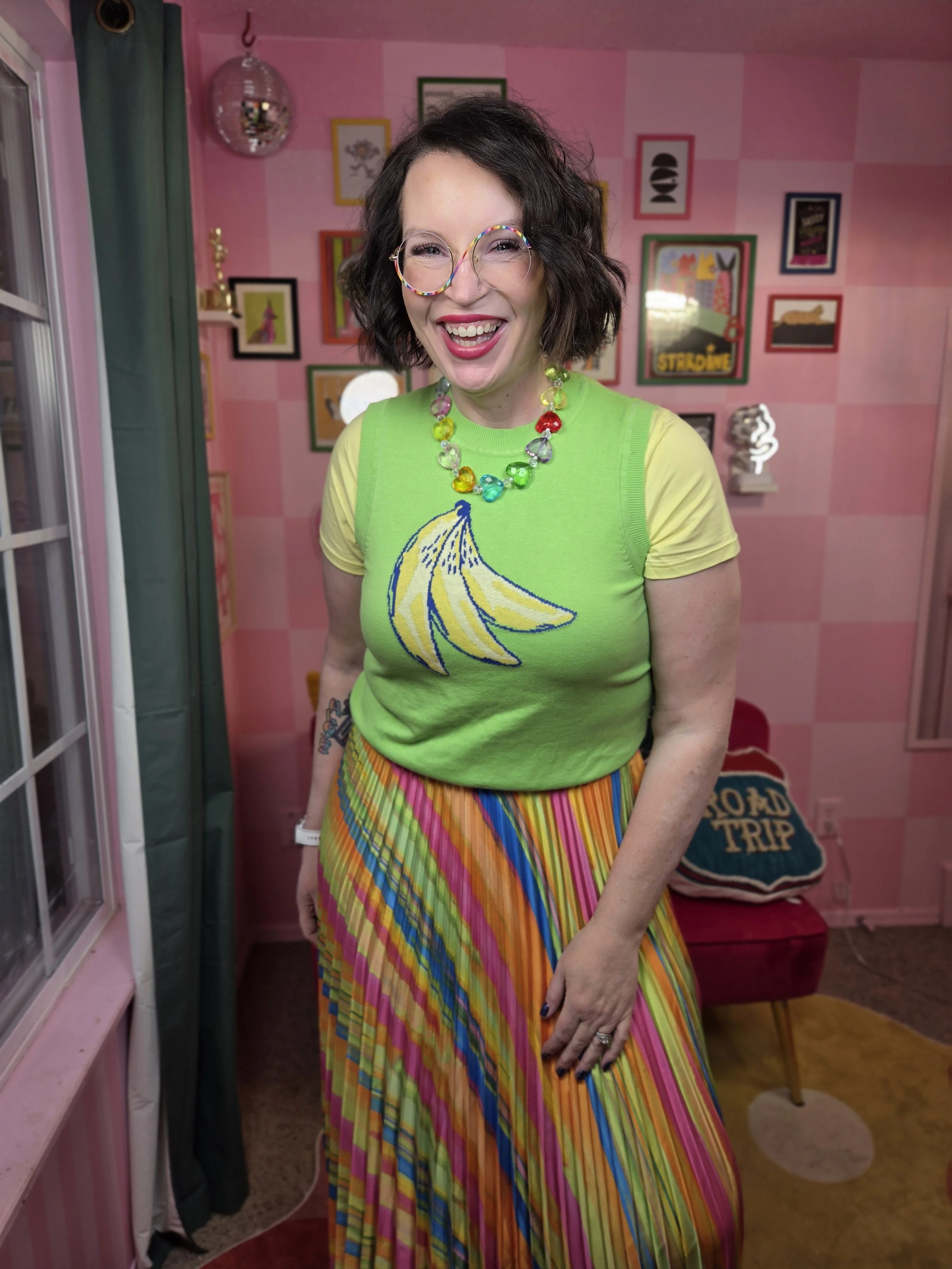
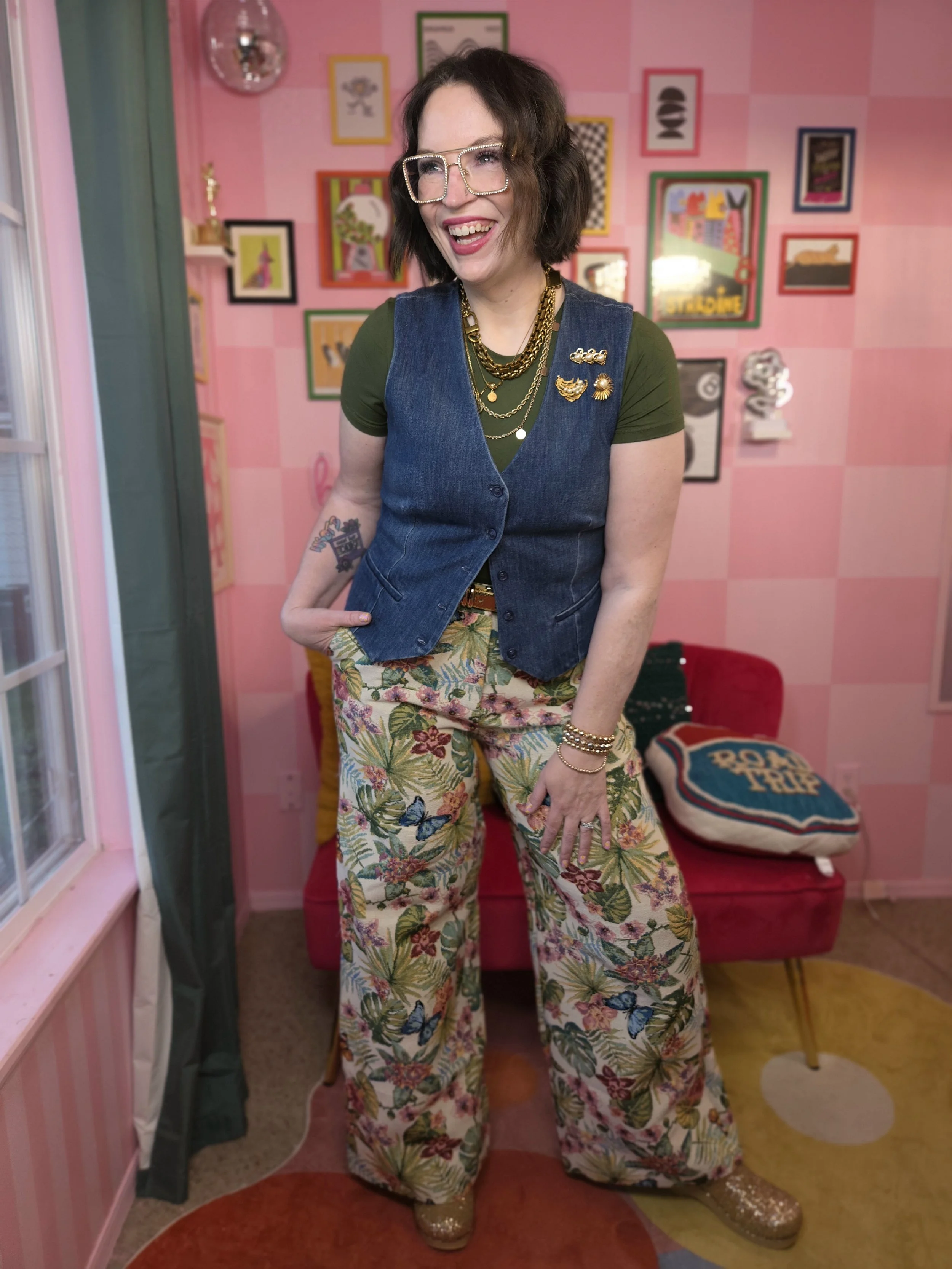
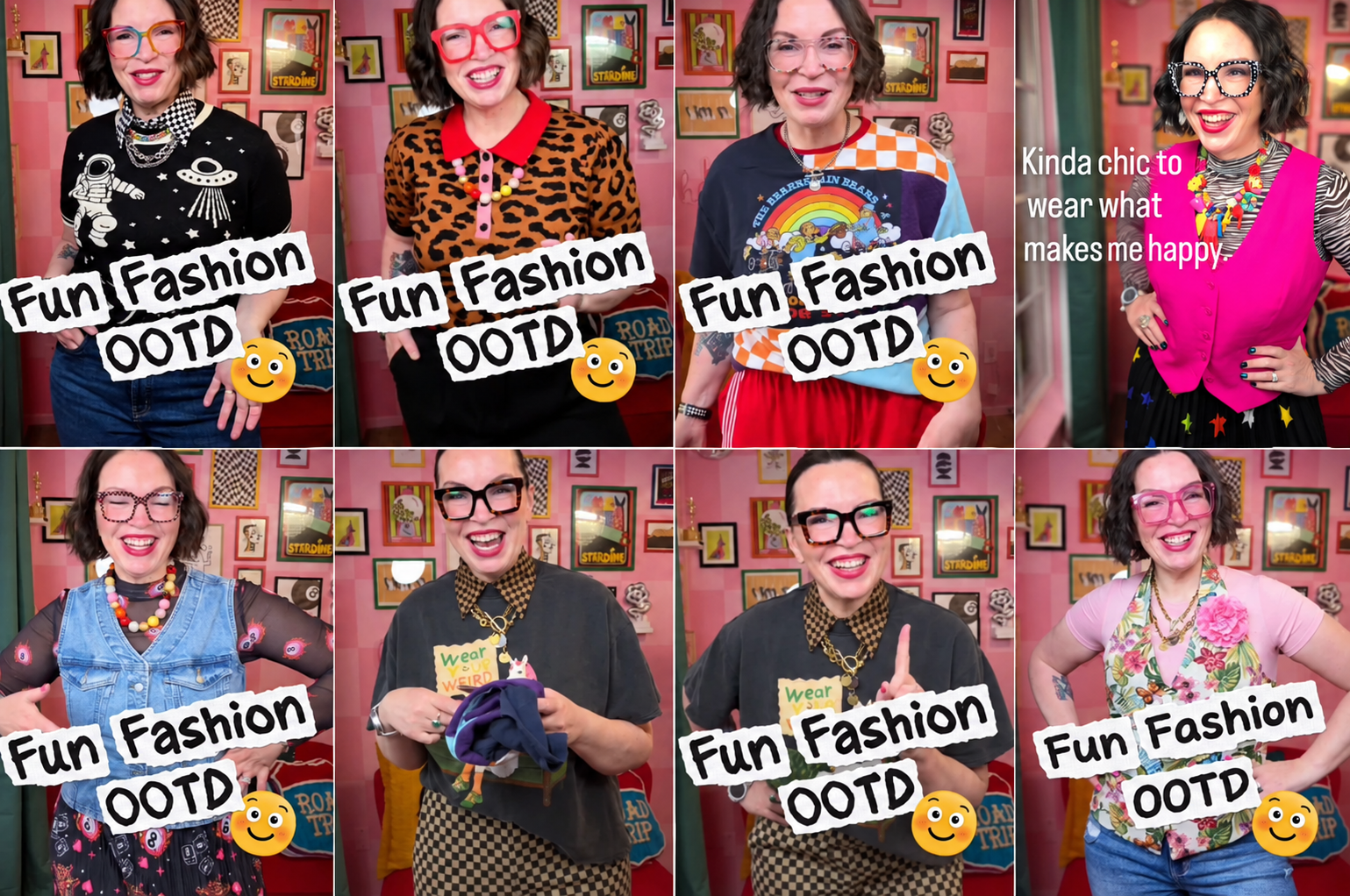
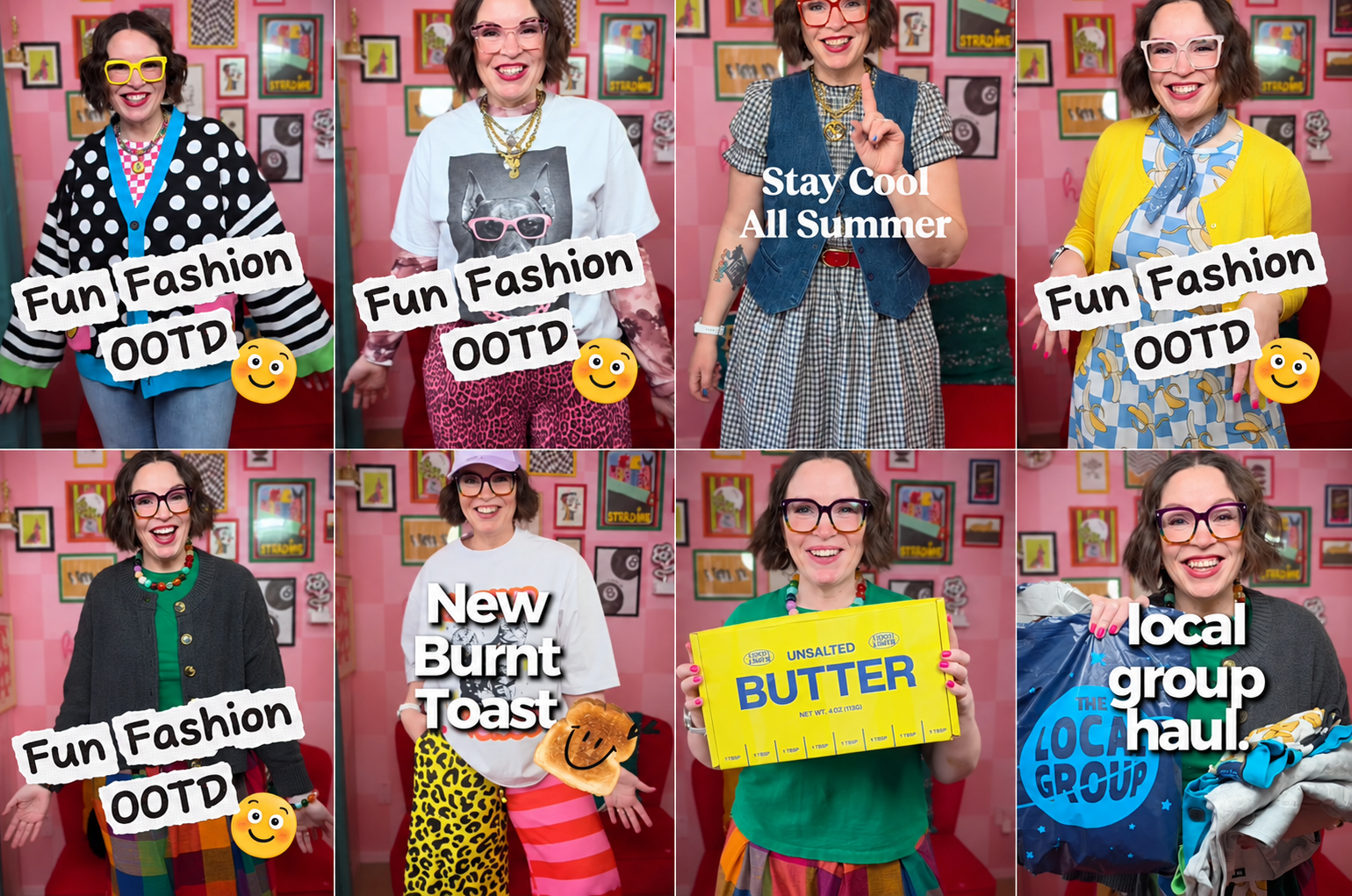
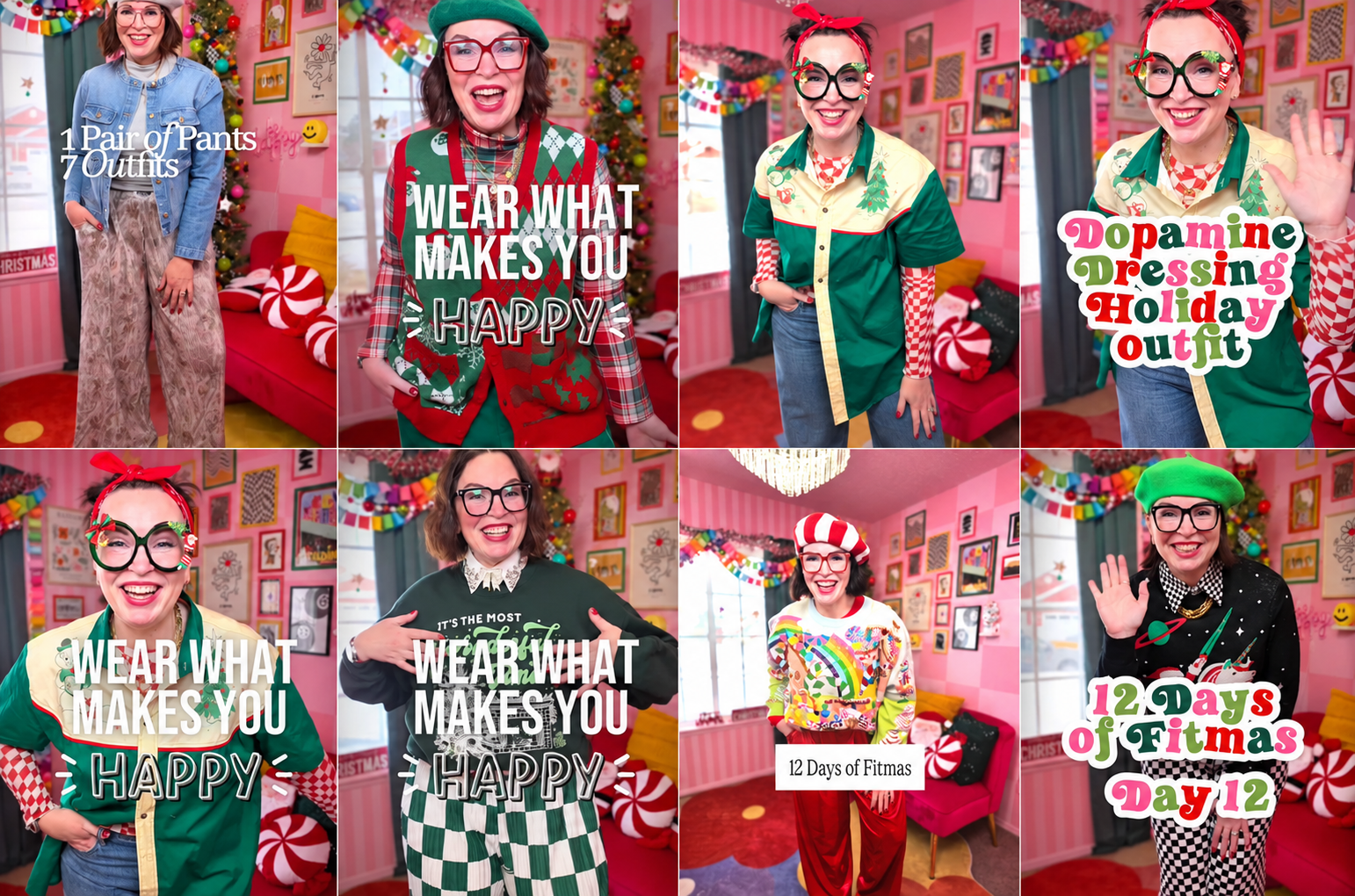
As she kept posting, her style became brighter and more creative. She found small brands, international creators and women combining clothes in ways she had never considered. One idea led to another until she discovered the phrase that perfectly described what she was already doing: dopamine dressing.
“Wear the thing because it makes you happy.”
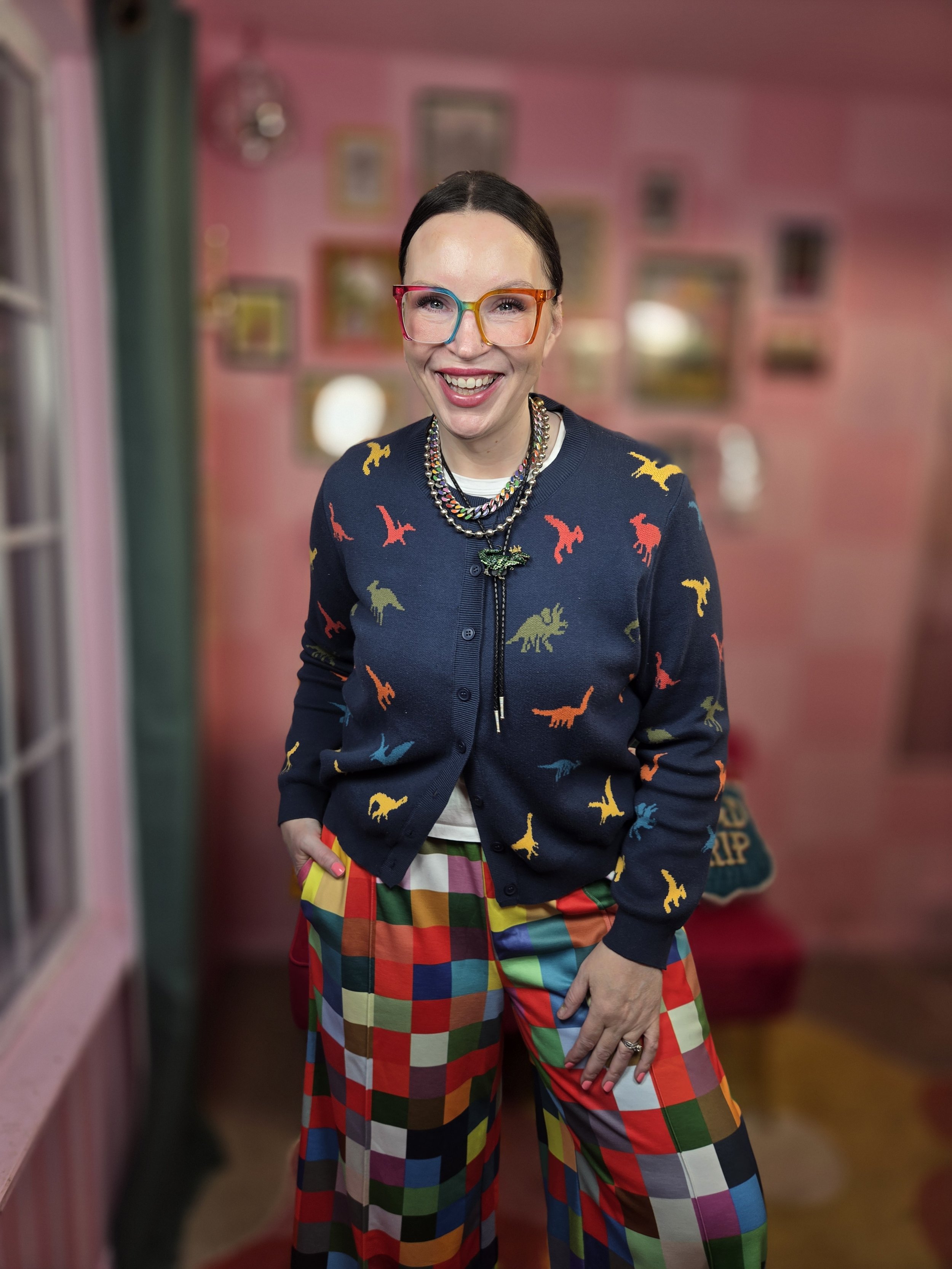
When someone suggested that the way she dresses looks like something a child would wear, Jodi’s response captured almost everything she has come to believe about personal style.
"Thank you. Kids dress for joy, so I absolutely take that as a compliment."
A five-year-old does not ask whether something is slimming, age appropriate or flattering. She sees something she loves and puts it on.
For Jodi, that idea feels especially powerful after a lifetime of being told, directly and indirectly, that clothing should help women look smaller.
“I’ve been on a diet since I was 10 years old,” she says.
Jodi is finished with the old rules around hiding, minimizing and blending in.
“Why are we trying to be quiet? Why are we trying to blend in? We’re over that.”
When the Internet Found Jodi
Jodi initially focused on TikTok and eventually reached around 10,000 followers. When talk began that TikTok might be banned, she reluctantly started an Instagram account.
Growth was slow at first. Then one video took off.
Her following jumped from roughly 200 people to around 20,000 in approximately two months. Other videos gained traction too, including mother-of-the-bride content surrounding her daughter’s wedding that reached more than two million views on TikTok.
Brands began contacting her. She has since worked with companies including Duluth Trading Company and has participated in fashion, lifestyle and GLP-1 related partnerships.
Jodi still resists calling herself an influencer.
“I’m a content creator,” she says. “I’m just a lady that makes videos in my home office.”
That optimism is not something Jodi created for social media. She describes herself as naturally positive, a glass-half-full person who was once described simply as “sunshiny.” That quality comes through in her content, and it may be part of why thousands of women feel as though they know her.
She has no plans to leave her career in marketing. Social media remains a creative side hustle and a way to fund some of the things she loves doing outside of work.
“When a New Kid Comes to Town, You Go”
One of those things is New Kids on the Block.
Jodi’s favorite New Kid is Donnie Wahlberg, and her connection to the band goes back to adolescence. Like many Gen X girls, she remembers when loving New Kids on the Block suddenly became something teenagers were mocked for.
She held onto it anyway.
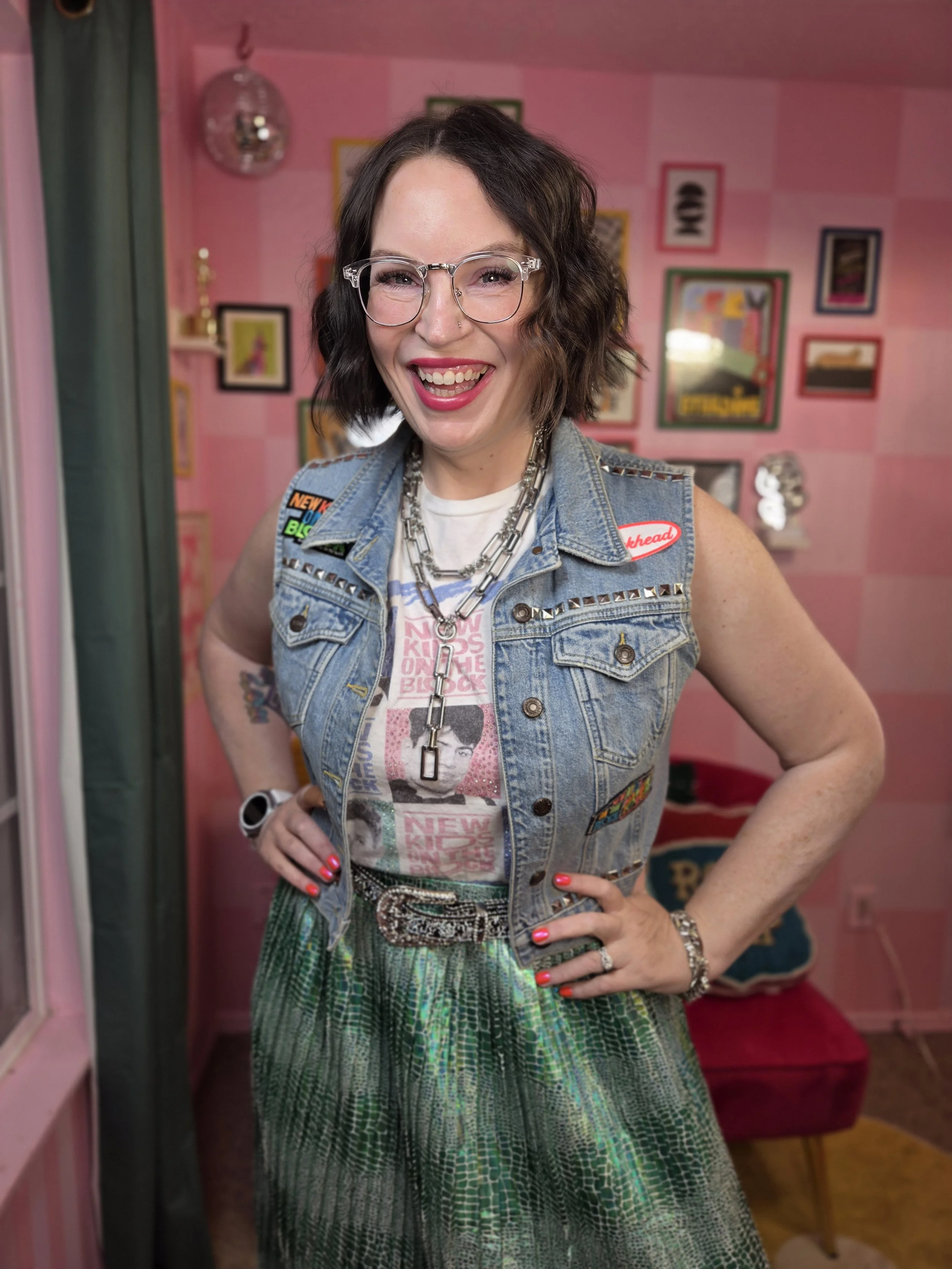
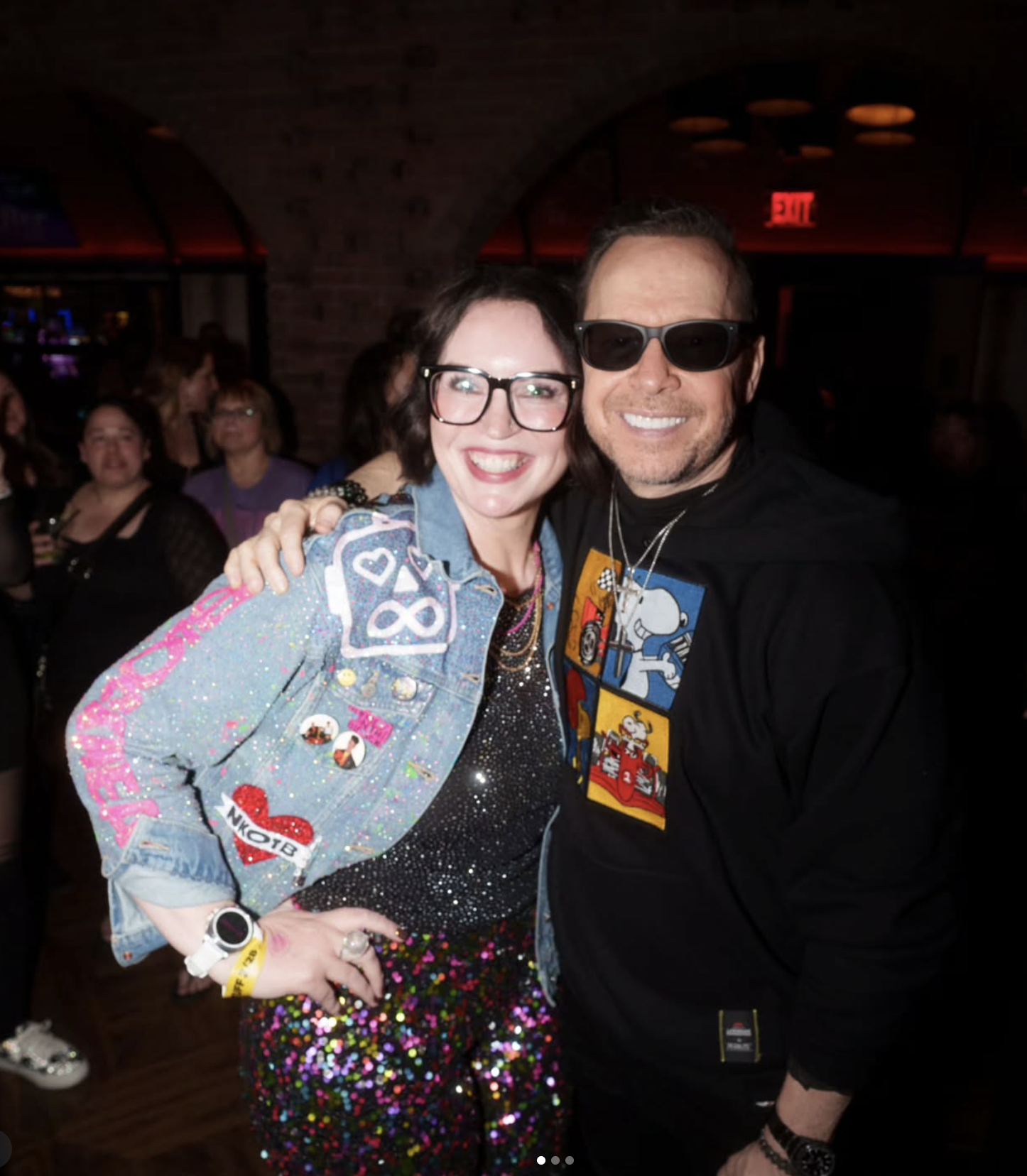
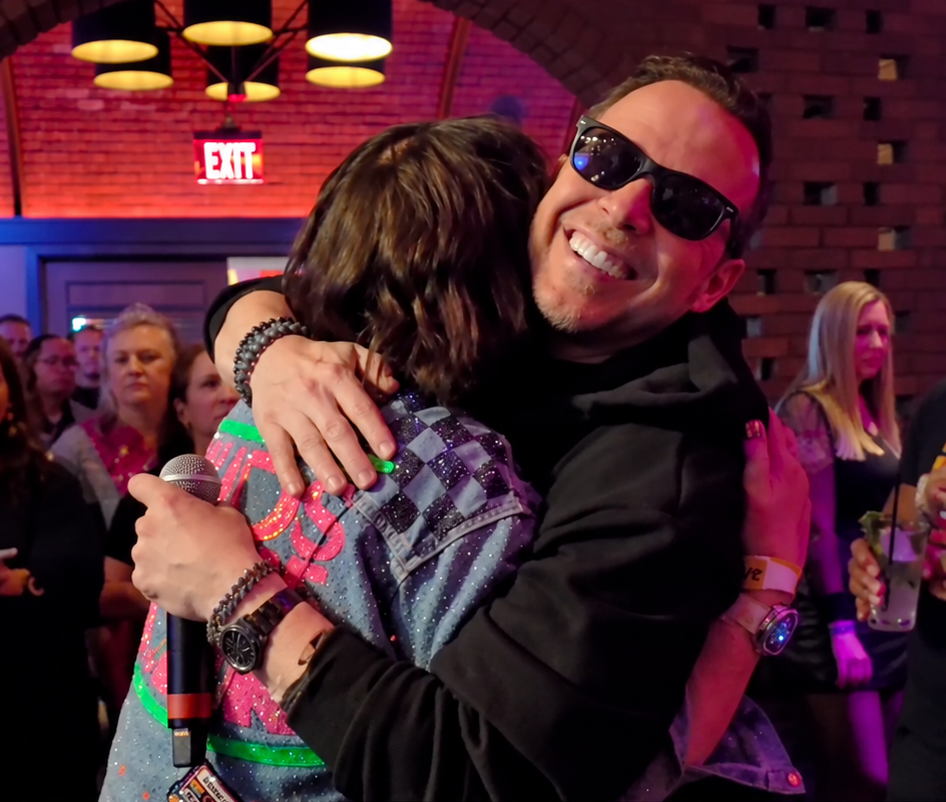
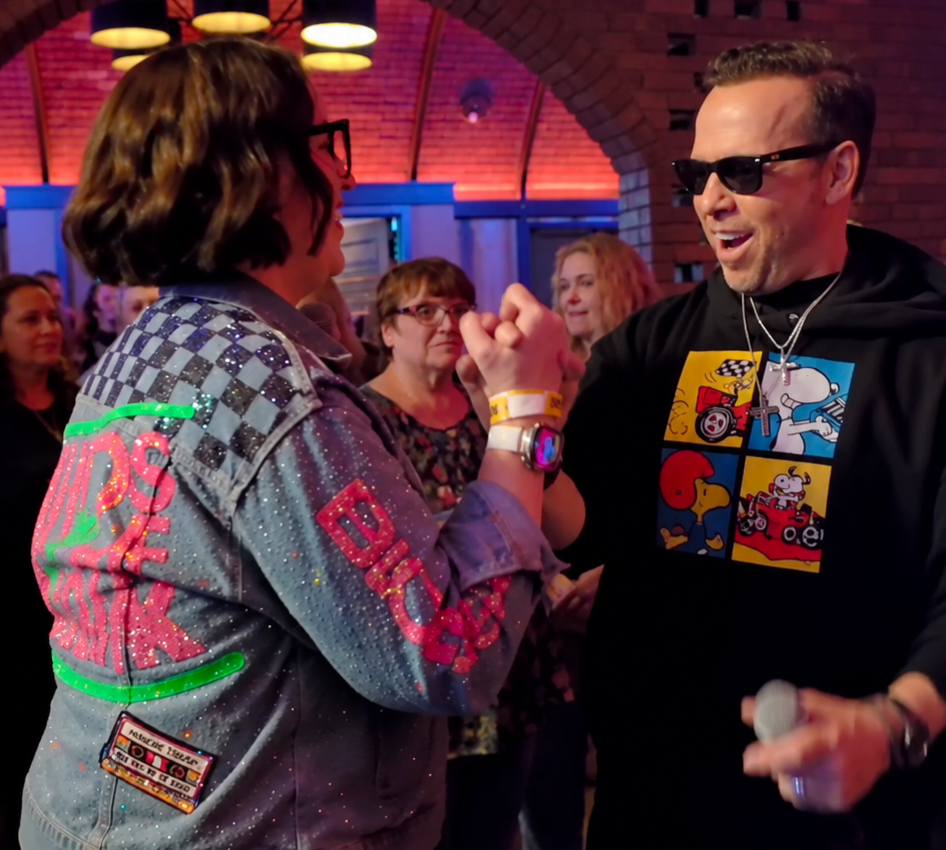
That fandom has also given Jodi a few surreal moments along the way. During a New Kids trip to Las Vegas, Donnie recognized her and the jacket she had created and shared online. For someone who has followed the band since adolescence, it was one of those full-circle moments that felt both funny and a little unbelievable.
When the group reunited in 2008, the fandom returned with something even more valuable attached to it: community. Through online fan groups, concerts, cruises and events, Jodi began meeting other women who loved the band too. Some became lifelong friends.
One of her closest friendships began through the New Kids community. Another friend first discovered Jodi through social media and eventually sent a message saying, essentially, “This may sound strange, but I feel like we should be friends.” Today, they text every day and travel together.
For Jodi, that is what people sometimes miss about fandom. The band matters. So do the friendships built around it.
“The guys are a bonus,” she says.
She has attended tours since the group’s reunion, gone on the NKOTB cruise, attended BlockCon and traveled for special events. She also has one long-standing rule.
“When a New Kid comes to town, you go.”
Years ago, shortly after having her son by C-section, Jodi heard that Jordan Knight was appearing at a local bowling alley. She still had staples, and she went.
Creativity Without an Expiration Date
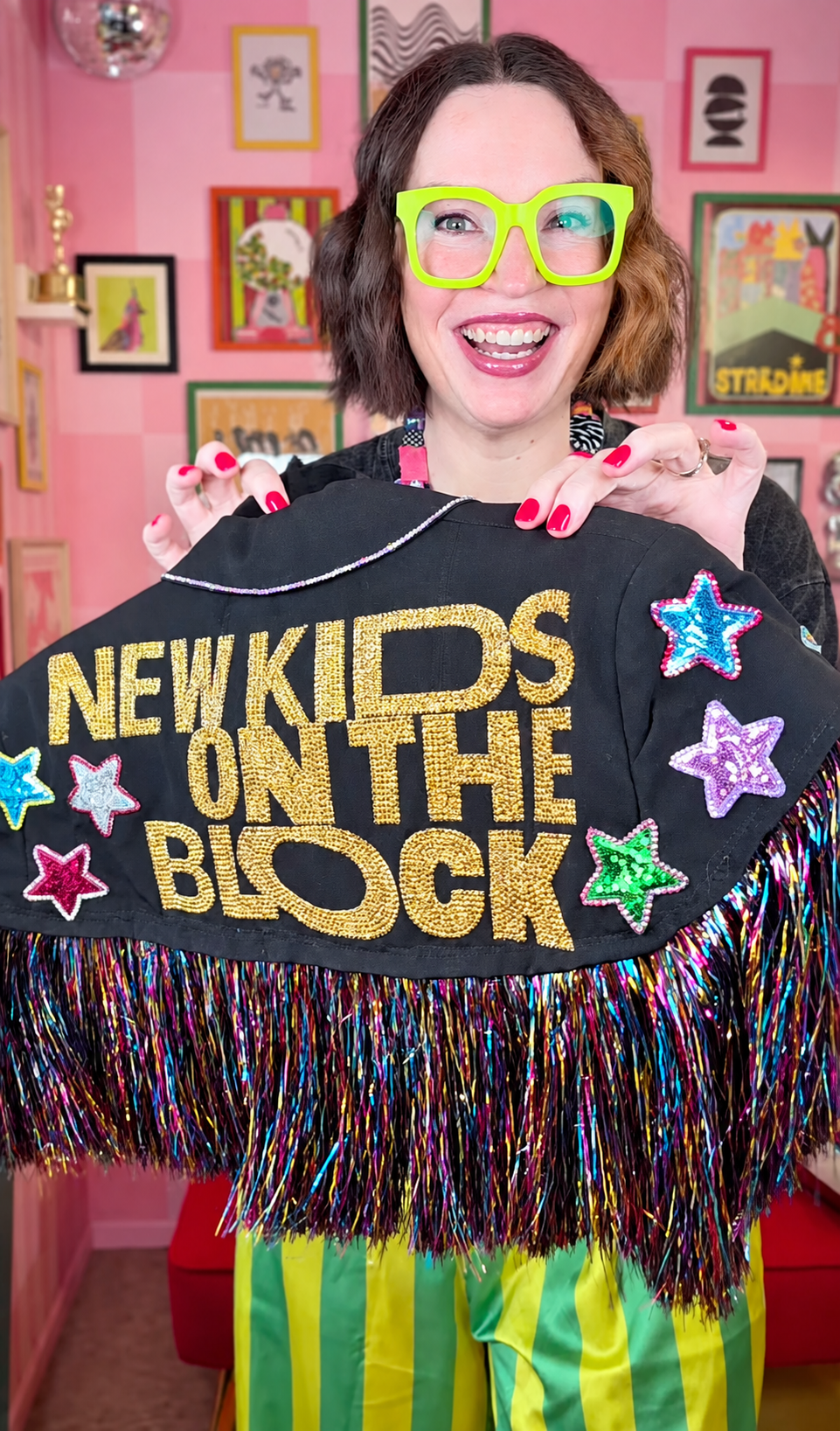
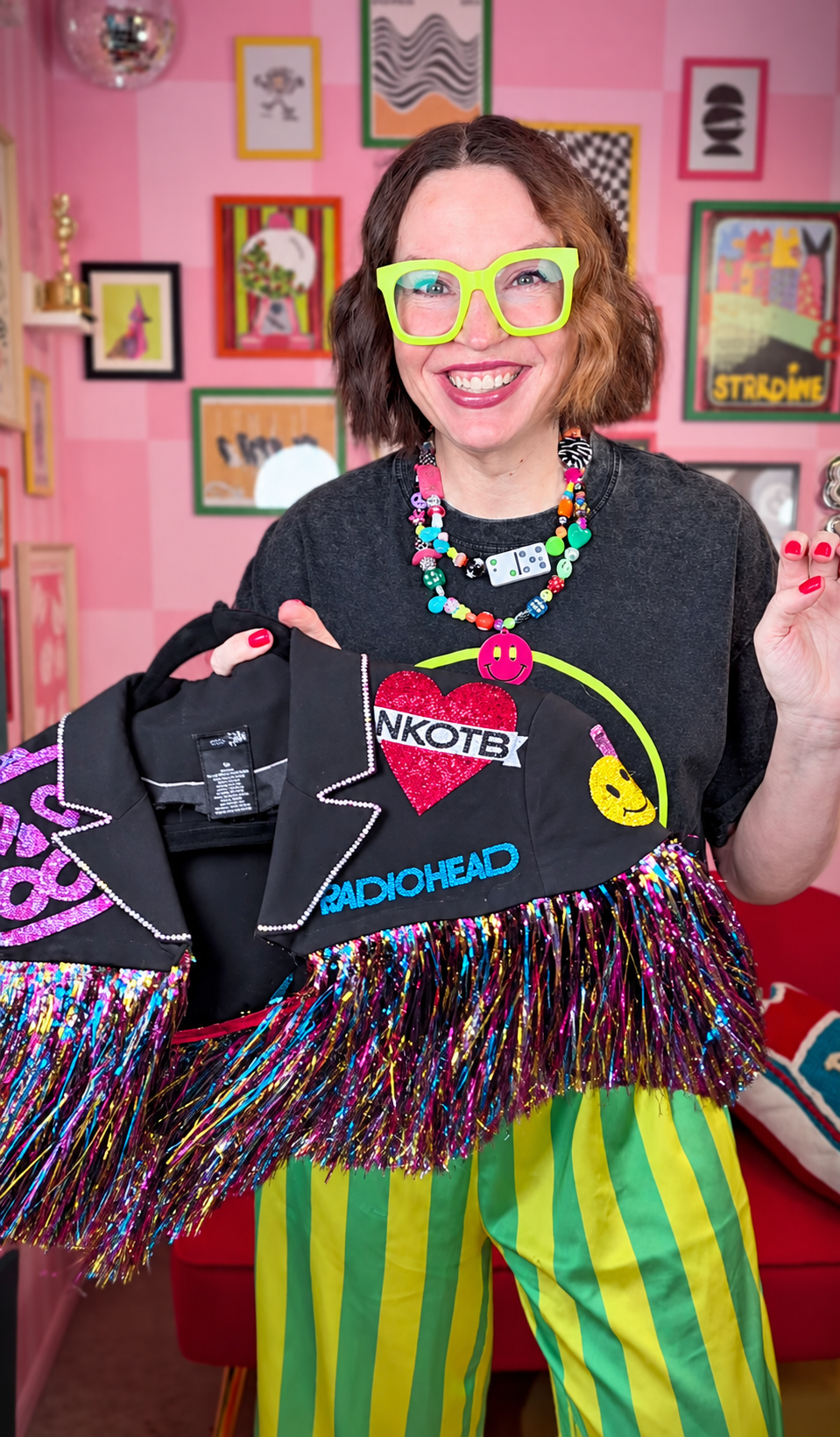
Jodi’s fandom has also become another outlet for her creativity. For a New Kids Las Vegas residency trip, she created a heavily embellished jacket and shared the process online.
For the next trip, Jodi found another project. She discovered a UK creator making “disco capes,” blazers transformed into dramatic cape-like pieces often worn to concerts and festivals. She bought the tutorial and made one, then made another for the friend traveling with her.
She has also started teaching herself to sew, turned vintage New Kids curtains into a fanny pack and jokes that she belongs to the “hobby ho club.” Over the years she has used a Cricut, run an Etsy shop, made cheer apparel and collected enough creative hobbies to fill far more than one closet.
For Jodi, the point is not to master every new hobby. It is simply to enjoy it.
There’s Enough Room for All of Us
One of the most telling parts of Jodi’s story has little to do with clothing. She does not believe in gatekeeping.
When a woman launching a small business reached out with social media questions, Jodi got on a video call and helped her. The founder was surprised because many creators would never give away that kind of information.
Jodi sees it differently.
“There’s enough room for all of us.”
That attitude carries into the brands she promotes. She especially loves highlighting small, women-owned businesses and often shares their products without earning a commission simply because she wants other people to discover them.
At the same time, she has strict boundaries around paid work. If she would not personally buy something, she will not recommend it. If a gifted product is poor quality or a bad fit, she would rather contact the company than pretend otherwise.
“Money is hard to make,” she says. “I don’t want people to waste their money because they saw me say something was great when it was really garbage.”
The messages that matter most are not commission notifications. They are the women who tell Jodi they bought something because they saw her wear it, or who send a photograph wearing something she inspired them to try.
Don’t Dull Your Shine
Some of the most emotional messages Jodi receives come from women who tell her they would love to dress more boldly but are afraid their families would make fun of them.
“Why does your family want to dull your shine?”
For Jodi, that question reaches far beyond fashion. Why should a woman make herself quieter because someone else might not understand her? Why should she hide something that brings her joy? Why should she spend another decade dressing, behaving or living in a way designed primarily to make other people comfortable?
Jodi’s response to criticism of her own outfits is refreshingly uncomplicated. If someone does not like it, they do not have to wear it.
The real gift of Remaking Jodi is that she is not telling women they need bold clothing or dopamine dressing. She is showing them that they are allowed to choose themselves.
Wear the thing. Try the hobby. Love the band. Take the trip. Make the cape. Post the video.
Remaking Jodi
Jodi says she will keep creating content for as long as it stays fun. If it becomes another job, something essential will have been lost.
Remaking Jodi was never really about becoming an influencer. It was about becoming Jodi, the woman who was always underneath the diets, expectations, insecurities and years of wondering whether she was too much of one thing and not enough of another.
Today, she understands something her younger self did not. Her worth was never waiting at a particular weight, dress size or level of approval.
She was worthy then too.
Now she is dressing for joy, trying new things, traveling, creating and showing up in a way that feels more like herself. Somewhere on the other side of a screen, another woman is watching her and thinking that maybe she could wear the thing she has been afraid to wear, try something new or stop worrying quite so much about being flattering.
That is what Remaking Jodi has really become: not a makeover and not a before-and-after story, but a woman finally allowing herself to be completely seen.
Follow on Facebook
Follow on Instagram
Follow on TikTok
