
Tami Lange: Turning Decades of Experience Into a Company, a Family Legacy and a Vision That Continues to Grow

Building at 50
When I began GlowInto, I wanted to understand what women build after 40—and what allows them to build it.
A new business, product or career change may look like the beginning of the story, but it rarely is. By the time a woman reaches that moment, she is carrying years of professional experience, personal responsibility, mistakes, instincts and practical knowledge. Some of those skills may have become so familiar that she no longer recognizes their value.
That is what I saw in Tami Lange.
She launched Save the Girls on her 50th birthday, but the woman capable of creating the company had been developing for decades.
By then, Tami was raising five children and had built a substantial career in management, marketing, sales and product development. She worked for Enterprise Rent-A-Car, managed branches and later moved into leadership within its reservation operations. She then joined her family’s company, Landshire, where she created its first marketing department and worked across marketing and sales.
Tami understood how people make buying decisions. She knew that even a useful product needs a clear message, thoughtful presentation and a reason for the customer to pay attention. One packaging redesign she developed helped increase Landshire’s sales by approximately 30 percent.
For years, she had used her ideas and instincts to help other companies succeed. She had built departments, improved products and learned how to lead, but part of her still wondered what she might create if the vision—and responsibility for it—were entirely her own.
When the idea for Save the Girls appeared, Tami had the experience to recognize the opportunity and the confidence to act on it.

The idea that began in Branson
Save the Girls began with two lost phones.
One of Tami’s daughters lost her phone during a trip to Pere Marquette State Park. Within roughly 12 hours, another daughter accidentally washed her jeans with her phone still in the pocket.
A few days later, the family traveled to Branson for a reunion. Tami was still talking about the phones when her sister-in-law told her she never lost hers. Then she pulled it from her bra.
Tami’s sister-in-law had survived breast cancer, and seeing her carry a phone directly against her body immediately bothered her.
“I was complaining about the girls losing their phones, and she said, ‘Oh, I never lose my phone,’” Tami remembers. “Then she pulled it out of her bra.”
Tami began searching for a way for women to keep their phones close, secure and easy to access without carrying them inside their clothing. She could not find what she wanted.
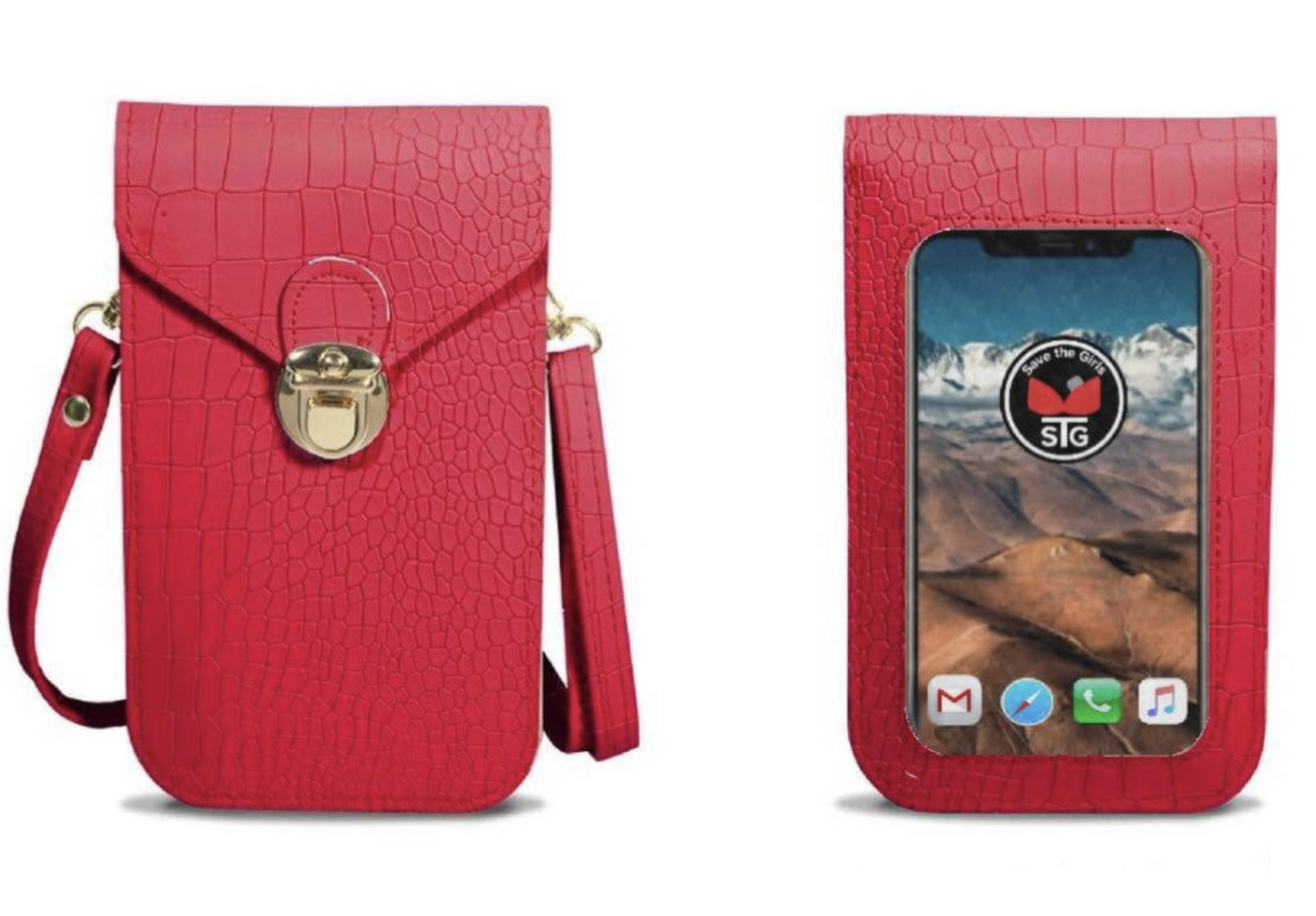
The idea began to form while the family was canoeing. Tami noticed she could operate her phone through the clear material of a waterproof pouch and wondered whether that material could be built into the back of a purse.
That night, unable to sleep, she drew the design on napkins, working through the phone placement, materials and clear panel that would allow a woman to use the screen without removing the device.
She posted the idea on Alibaba without knowing whether anyone could make it. By morning, 17 factories had responded.
Within weeks, she was on a plane to China.
Tami sent designs to manufacturers before leaving, and prototypes were waiting when she arrived. Being there allowed her to review them, request changes and move through development much faster than she could have from home.
“If I go back and forth, it takes six months,” she says. “But if I’m there, I can get all that done in 14 days.”
Within approximately six weeks of that family trip, Tami had prototypes, product photography, a website and a promotional video. She officially launched Save the Girls on September 1, 2017—her 50th birthday.
The timing feels significant because this was not a season with few responsibilities. Tami had children in grade school, high school and college. Her husband was pursuing his doctorate, and she had been the family’s primary income earner.
She left an established career and invested money the family could not afford to lose indefinitely.
“I had enough money for a year,” she says. “After that, we’d be broke.”
This was not a risk she took in isolation. Every decision affected a household that still depended heavily on her, and leaving a dependable income required the support of her husband and children. Her family gave the idea its beginning, but they also became part of the reason she was determined to make it work.
Her background gave her a strong foundation in marketing, packaging, sales and leadership, but manufacturing purses and managing an international supply chain were new. She did not know exactly what every step would require. What she knew was how to evaluate an idea, ask questions, study the response and keep learning.
At 50, Tami was not fearless. She understood the risk and was still willing to take it.
Building and testing the company
Tami believed Save the Girls would become an immediate internet success. The product solved a familiar problem, and she expected women to see it online, recognize its value and begin ordering.
During her first full month, she sold only $590 through the website.
“I thought I’d be an internet sensation,” she says. “I really did.”
Rather than questioning the product, Tami realized women needed to see it in action before they could understand its usefulness.
She and her family loaded the purses into a car and began visiting retailers. Once customers watched someone operate a phone through the clear touchscreen panel, sales moved quickly—from approximately $20,000 in November to $40,000 in December. At the Atlanta market the following January, Tami sold approximately $90,000 worth of purses in four days.
Within the first year, Save the Girls was carried in more than 1,000 retail locations.
The first strategy had failed, but the idea had not. Tami changed the way the product reached women and kept going.
That ability to remain focused on one central idea while adjusting nearly everything around it is what stands out most to me about her story.
For nine years, she has continued building around a practical question: How can a woman keep her phone close, protected and easy to reach throughout the day?
The products have expanded into different bags, materials, colors, straps and accessories, but the problem remains recognizable. A woman hears her phone ringing beneath her wallet, keys and everything else she carries. She holds it while shopping and sets it down without thinking. She may carry a laptop or larger tote but still want her phone separate and accessible.
Tami created a simple solution to an everyday problem.
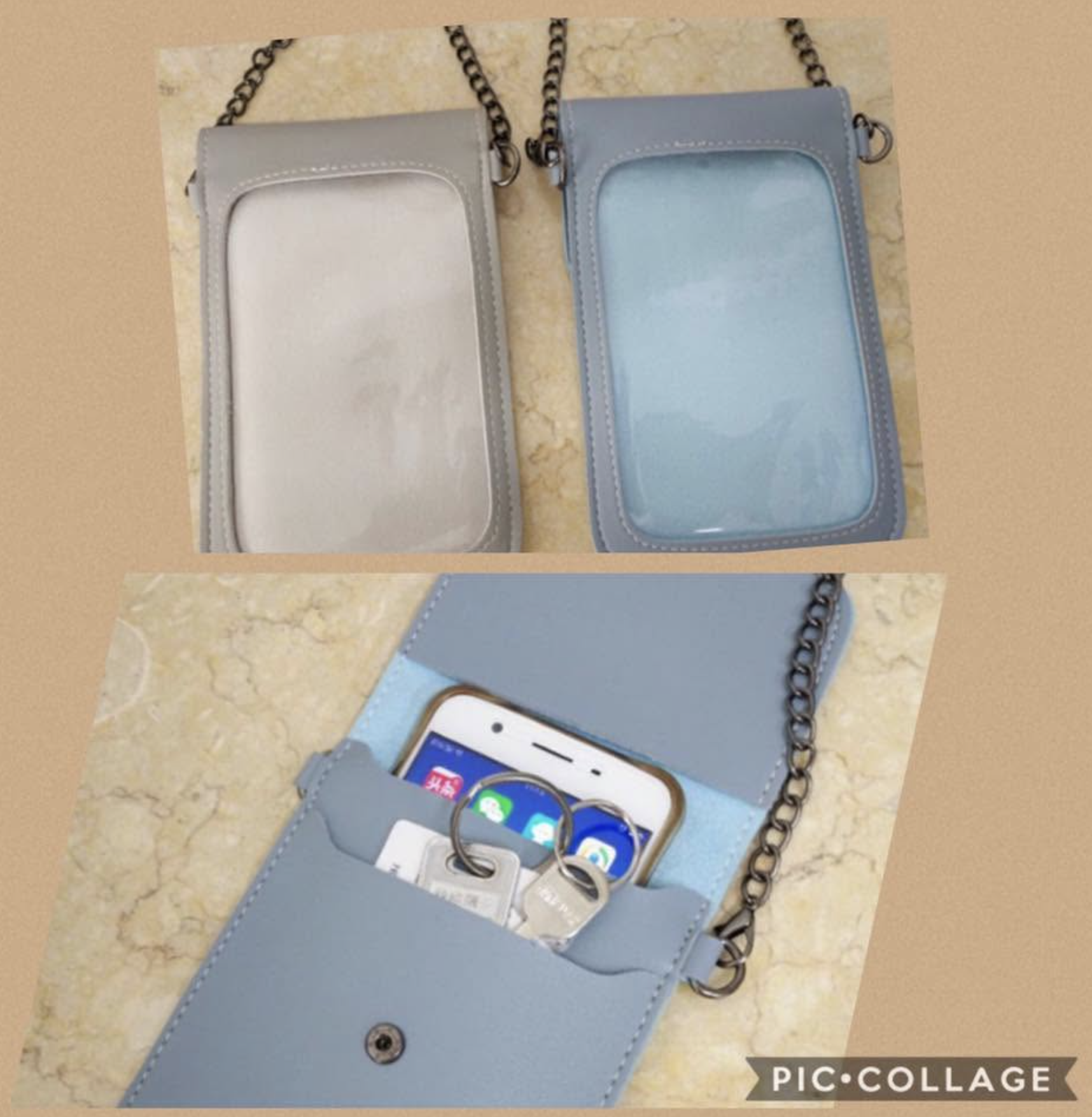
Some Save the Girls styles feature a touchscreen panel that lets women use their phones without removing them from the purse. Other designs use a vinyl insert inside the phone case that connects to a strap or chain, with the option to attach small essentials such as a wallet, keys or sunglasses.
The strongest part of the marketing is also the simplest: women recognize themselves in the situation.
The advertising does not need to manufacture a complicated problem. It can show a woman shopping, traveling, working or moving through a busy day and reaching for her phone without stopping to search.
Good marketing lets the customer see herself, and Tami has protected that clarity while allowing the company around it to grow.

Hollywood, Lori Greiner and rapid growth
A few months into the business, Tami and her oldest daughter, Elizabeth, attended Magic, a major fashion trade show in Las Vegas. Save the Girls was still growing through grassroots selling, and the family shared its story wherever they could.
During the show, Elizabeth spoke with a man connected to a celebrity gifting event held around Oscar weekend. The Oscars were less than two weeks away, but he wanted Save the Girls included.
There was no participation fee, but the company would need to contribute 400 purses—a significant amount of inventory for a young business reinvesting nearly everything it earned.
Tami’s first instinct was to decline.
“You don’t understand,” he told her. “People wait their entire lifetime for this event, and you’re really going to give that up?”
She reconsidered, traveled to Los Angeles and personally handed purses to actors, performers and other celebrities. Several later shared the products on social media.
Tami did not closely follow celebrity culture and often did not recognize the people walking toward her, which helped her move through most of the event without becoming overly starstruck.
Mostly.
The first especially handsome Hallmark actor who approached briefly left her unable to form a sentence.
“I looked up at him and couldn’t talk,” she says with a laugh. “After I finally made two sentences go together, I was fine.”
The Hollywood exposure produced publicity and some online sales, but the more important call came several days later.
The voice on the other end belonged to Lori Greiner of Shark Tank.
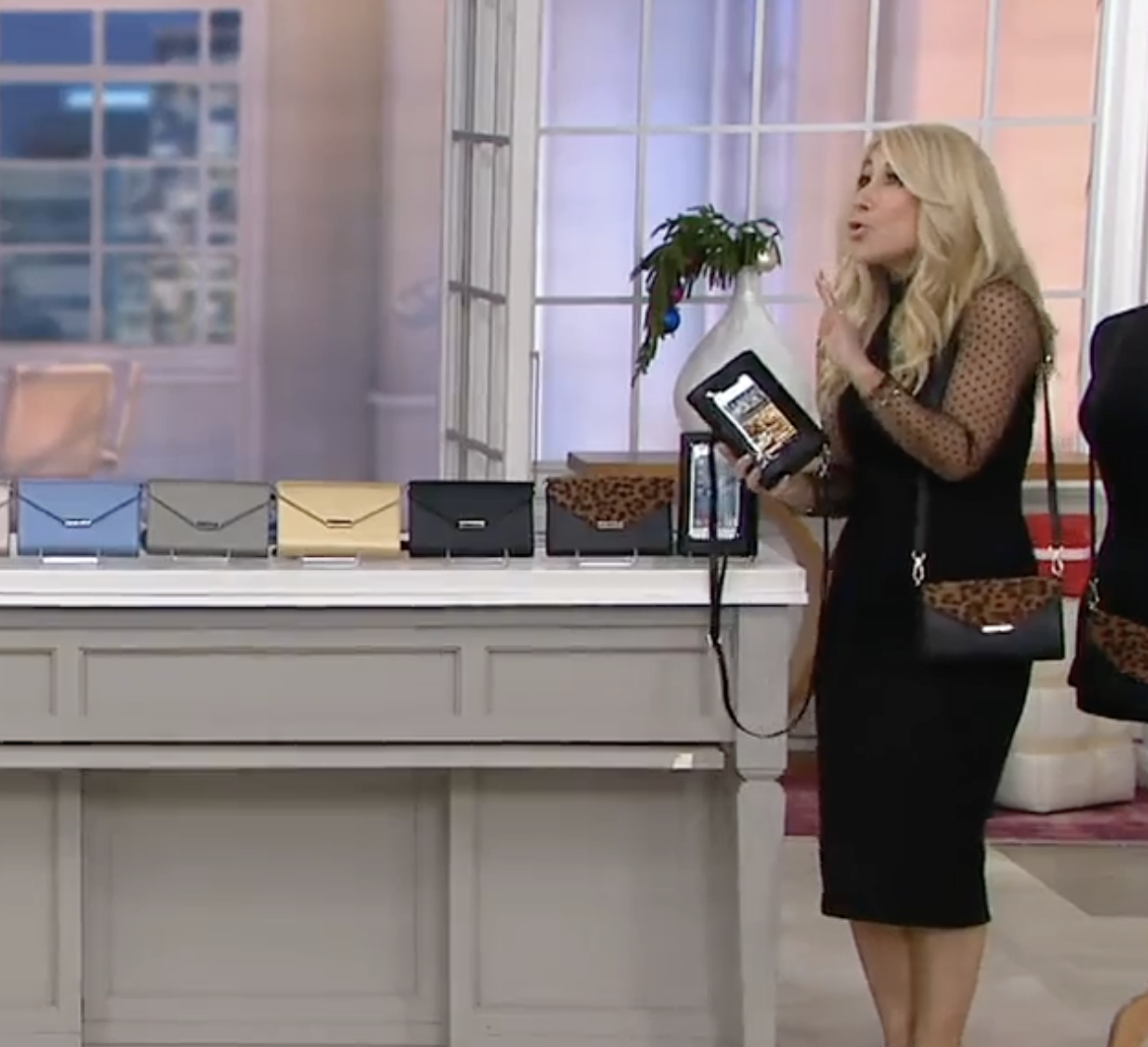
People connected to the event had told Lori about Save the Girls. She helped bring the purses to QVC, where 40,000 units sold in a single night. Women understood the concept once they saw it demonstrated, just as they had in those early retail stores.
Tami and Lori later created a separate line called Get Touchscreen Purse. The products were sold through major retailers, including Walmart and CVS, and generated millions of dollars in sales.
That success also made the design a target. Copycats reproduced it, lowered the price and repeatedly appeared online under new names. Removing them required expensive legal work, only for another listing to emerge.
“It was like playing whack-a-mole,” Tami says.
Eventually, Lori suggested ending the side brand to reduce the attention from counterfeiters. The decision was disappointing, but the profits from their partnership helped sustain Save the Girls during a difficult period.
Success had not made the business easier. It had simply created a different set of problems to solve.
Tami often speaks with people who want to start companies and has noticed how many are excited by the idea but unprepared for the work that follows.
“I’m pretty shocked at how many people just don’t have follow-through,” she says. “They have the idea, and they’re so excited about it, but they’re not excited about the work part.”
Her own work has included overseas travel, manufacturing, shipping, inventory, retail relationships, television sales and countless decisions made without knowing exactly how they would turn out. At one point, she believed a container holding approximately $140,000 worth of product had fallen from a ship. It was eventually recovered.

During COVID, Save the Girls adapted by selling colorful and decorative masks, helping sustain the business as supply chains and customer needs changed.
Her staff now describes her as having nerves of steel, but that steadiness came from years of facing problems before she knew how they would end.
Looking back, Tami wishes she had spent less time worrying and more time noticing what the family was accomplishing.
“You worry about stuff that then doesn’t happen,” she says. “Why worry?”
In the beginning, she carried the pressure of every shipment, sale and decision as though the company’s future rested entirely on that moment. Over time, she learned that leadership also means trusting the people around her, accepting that problems will come and appreciating what is being built while she is still building it.
Now she encourages new entrepreneurs to celebrate the smaller wins and enjoy more of the process.
“Sometimes it takes longer to get there, and sometimes you get there faster,” she says. “But you can still get to that destination.”


Family, focus and evolving leadership
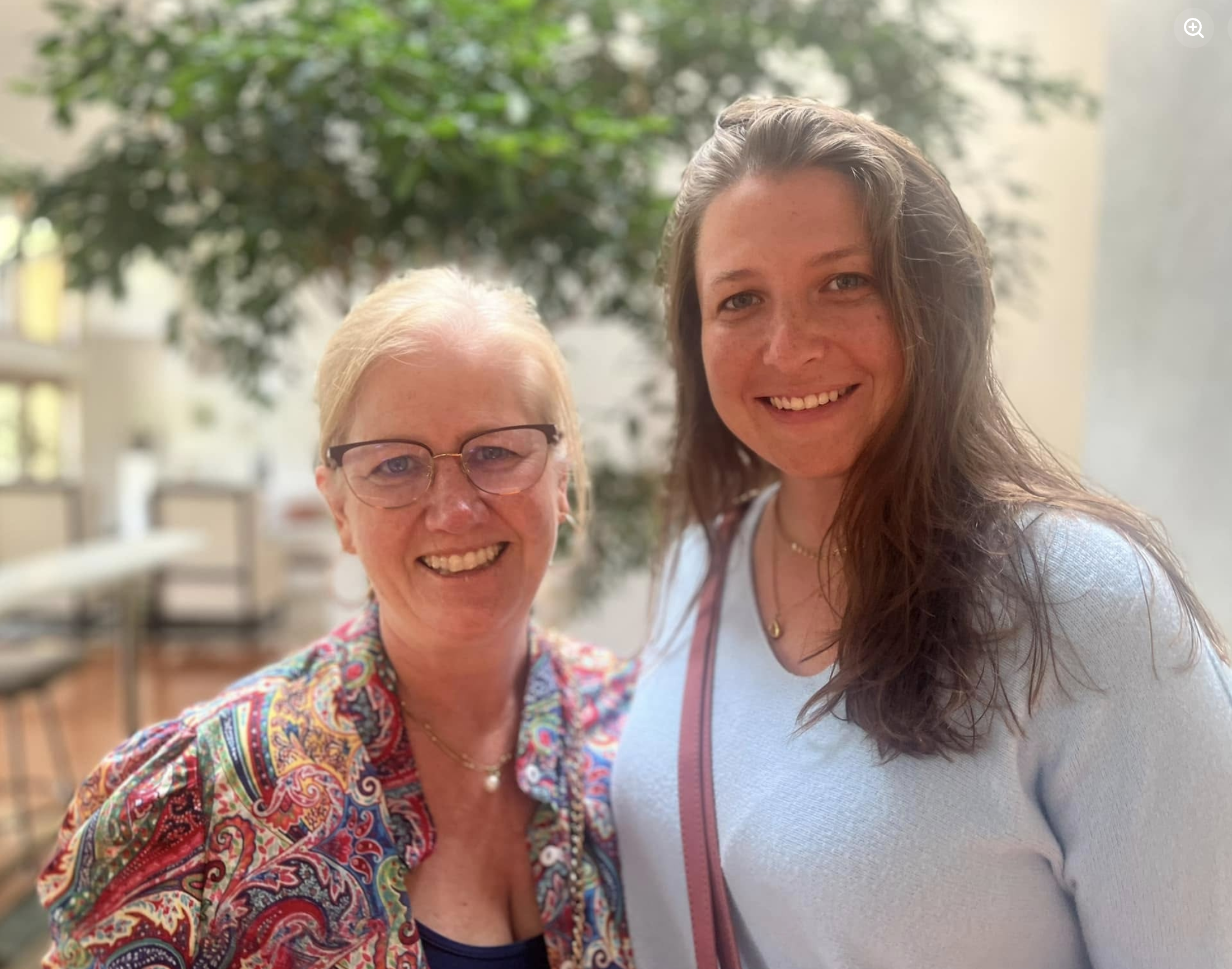
When I visited the Save the Girls headquarters, I could see how far the company had grown beyond the original idea. Staff members work and meet there, discussing products, marketing and the daily decisions that keep the business moving. In the nearby warehouse, purses are inspected for quality, organized and prepared for shipment throughout the week.
Tami had also just returned from a weeklong retreat with her team. It offered time away from the regular pace of work, but also a chance to exchange ideas and strengthen the relationships behind the company.
That sense of connection feels important to the culture she has created. Save the Girls may have begun as Tami’s idea, but its continued growth depends on people who feel trusted and invested in what they are building together.
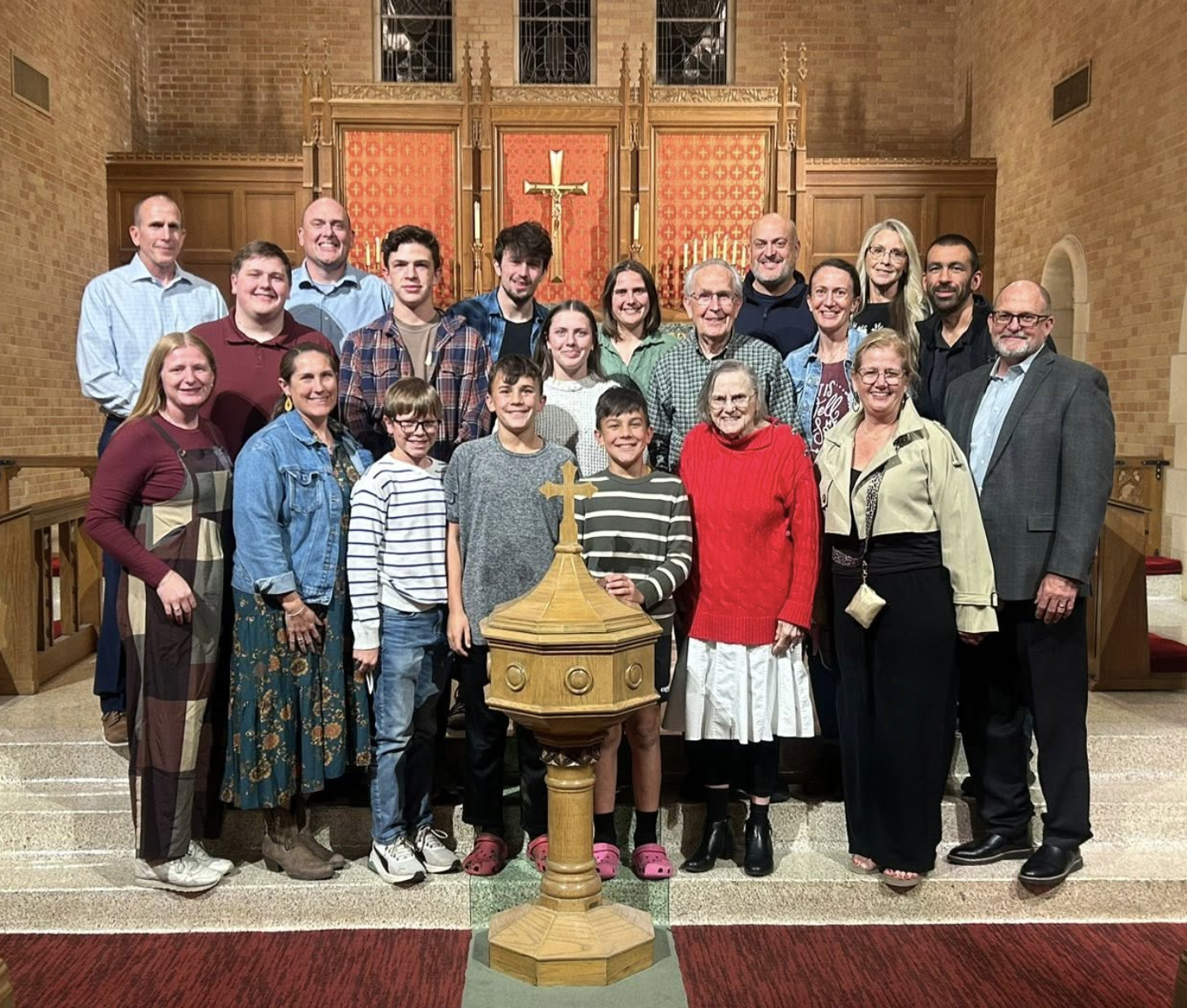
Family is woven through nearly every part of the company. The idea began with Tami’s daughters and sister-in-law. Her husband supported the risk of launching it, and all five of her children have worked in the business in some capacity.
One daughter, now a CPA, helped develop financial forecasts and systems the company still uses. Others have worked events, packed products and stepped in when extra help was needed. Elizabeth now works full time for Save the Girls and remains closely involved in its marketing and growth.
There is legacy in the possibility that the company could continue into another generation, but also in what Tami’s children have already witnessed. They watched their mother leave an established career at 50, travel to China, change direction when the website did not succeed and continue through the challenges that followed the visible milestones.
They watched her become a founder, inventor and CEO.
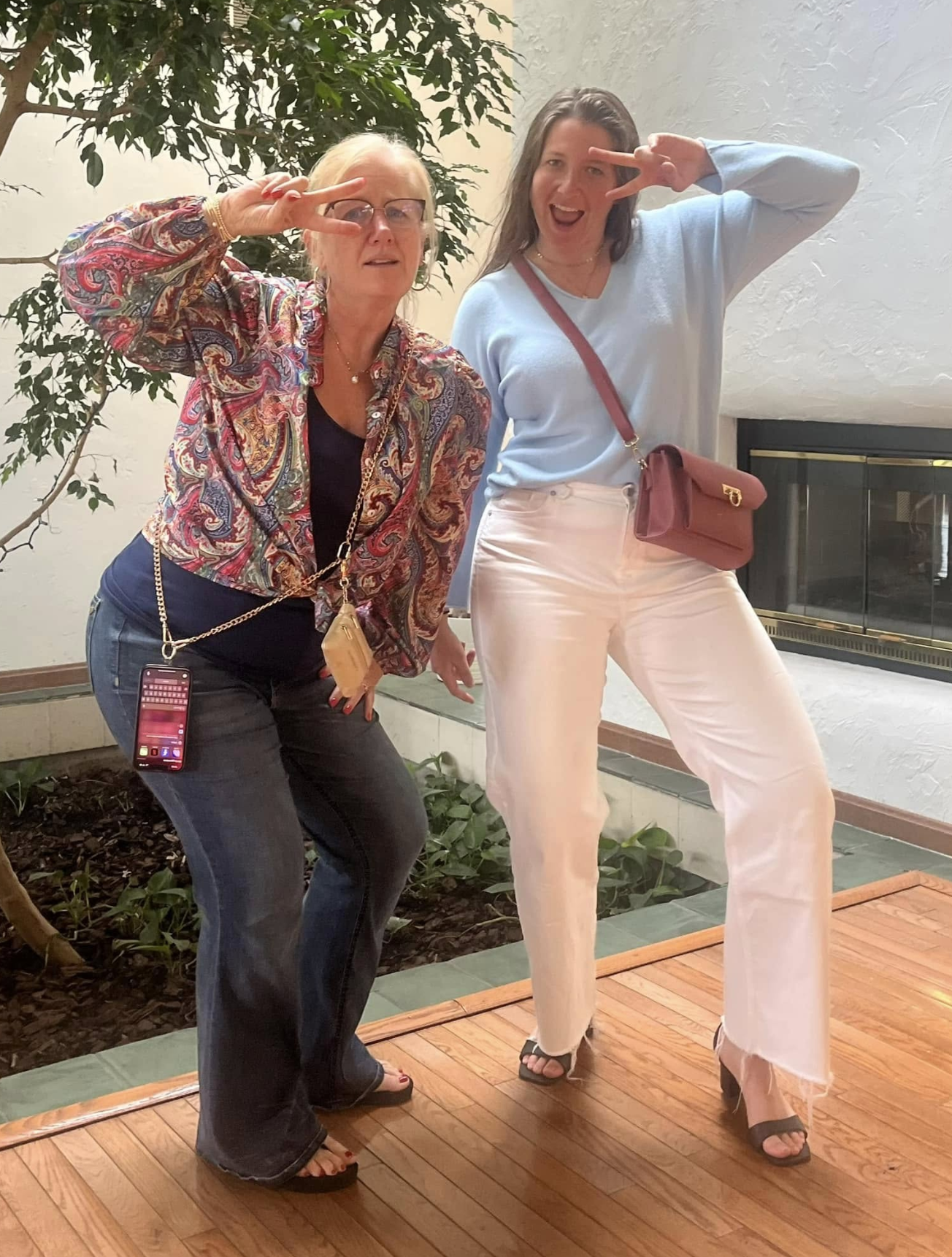
During the early years, Tami handled nearly every part of the company herself. She attended markets, managed sales, visited factories, unloaded containers and maintained major retail relationships, including work connected to QVC, HSN, Good Morning America and international shopping channels.
As the company grew, that level of involvement became impossible to maintain.
Tami began hiring people to specialize in operations, Amazon, advertising, Costco and digital marketing. She still keeps a close pulse on the business, but she no longer has to be present at every show or manage every account herself.
Her leadership is becoming less about how much she can personally complete and more about the people, departments and systems she can build. She still draws from everything she learned before Save the Girls, but her experience now helps guide others who can take the company further than she could take it alone.
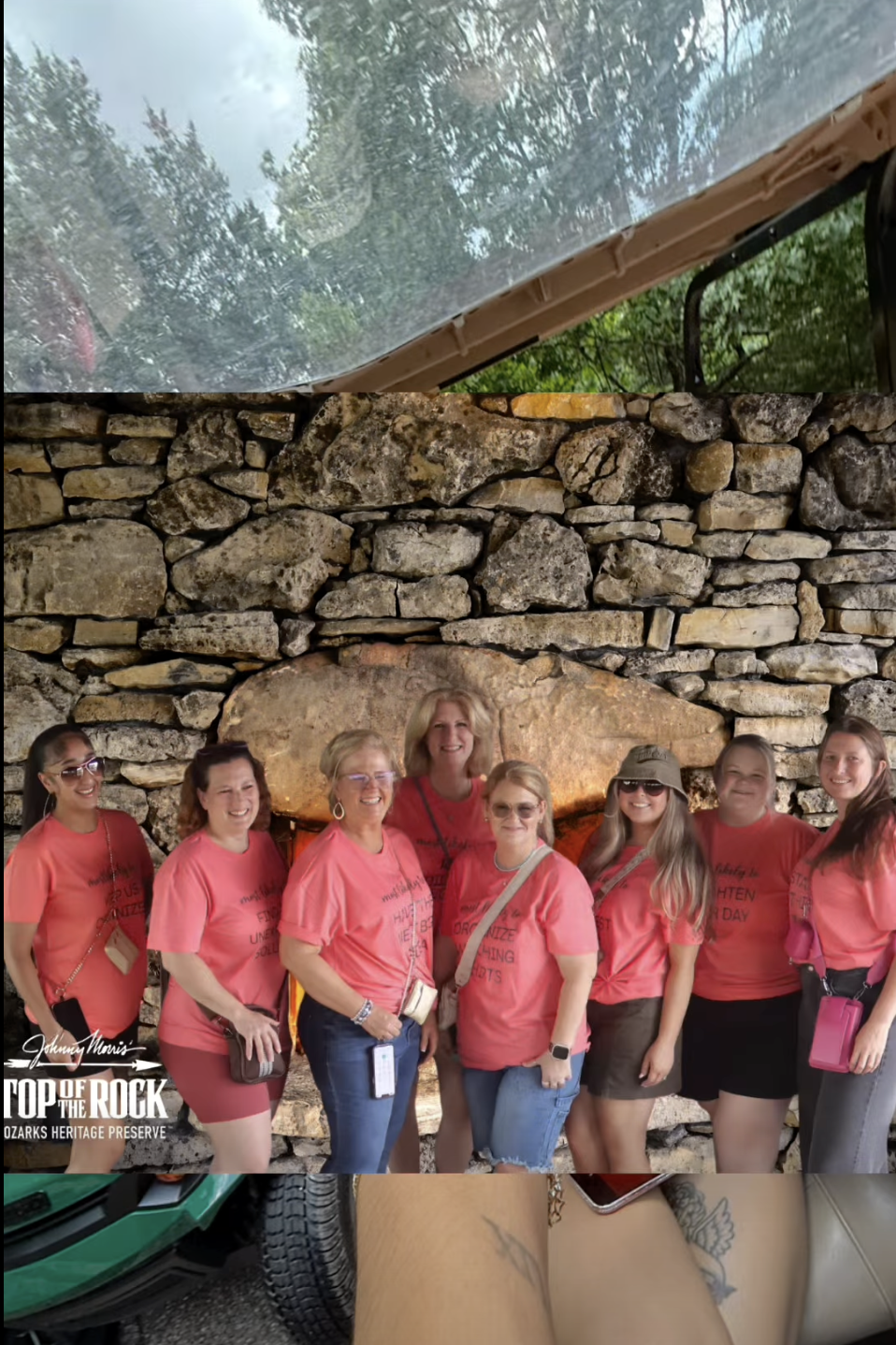

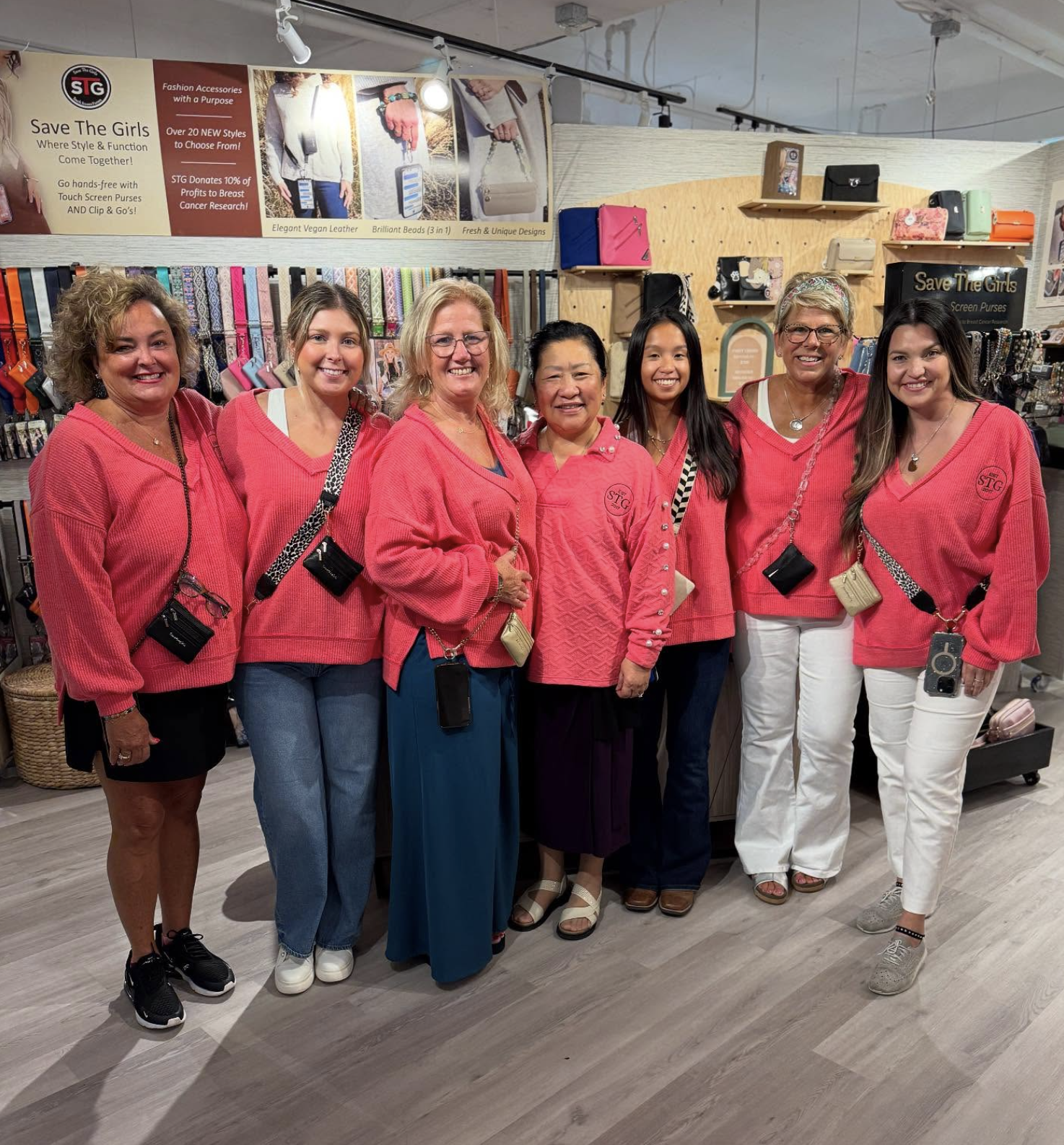
She also leads with a philosophy she describes as the win-win. A decision should work for both the customer and the company. A partnership should create value on both sides, and an employee relationship should be healthy for the individual and the larger team.
“If I can’t create a win-win for you and for Save the Girls, then it’s probably not the right fit anymore,” she says.
Earlier stages of the business were driven heavily by sales and growth. Tami is now looking more closely at profitability, return on investment and whether each effort is producing meaningful results.

That matters because Save the Girls has a mission beyond selling purses. The company donates 10 percent of its profits to breast-cancer research, connecting the business back to Tami’s sister-in-law and the moment that helped inspire the original design.
The stronger the company becomes, the more it can give.

What Tami is still building
At 58, Tami is not talking about slowing down.
She is thinking about AI, digital platforms, private-label opportunities and larger retail partnerships. Save the Girls continues to develop its relationship with Costco, and Tami sees potential in branded products for schools, organizations and professional sports teams.
One company goal is to see a Save the Girls product connected to the St. Louis Cardinals or Blues, possibly as a game-day giveaway. With multiple manufacturing partners, Tami believes the company can produce tens of thousands of purses within a matter of months.
Her long-term goal is to grow Save the Girls into a $100 million company.
The number is ambitious, but the part that stayed with me was not the number itself. It was the way she continues to think about the future of one idea.
Tami is not rushing toward a different company every year. She is still asking how far this one can go: how the product can become more useful, reach more women and grow through technology and new retail partnerships. She is also thinking about how to build something strong enough to continue beyond her own daily involvement.
For nine years, she has stayed with those questions while allowing the company—and her role within it—to evolve.
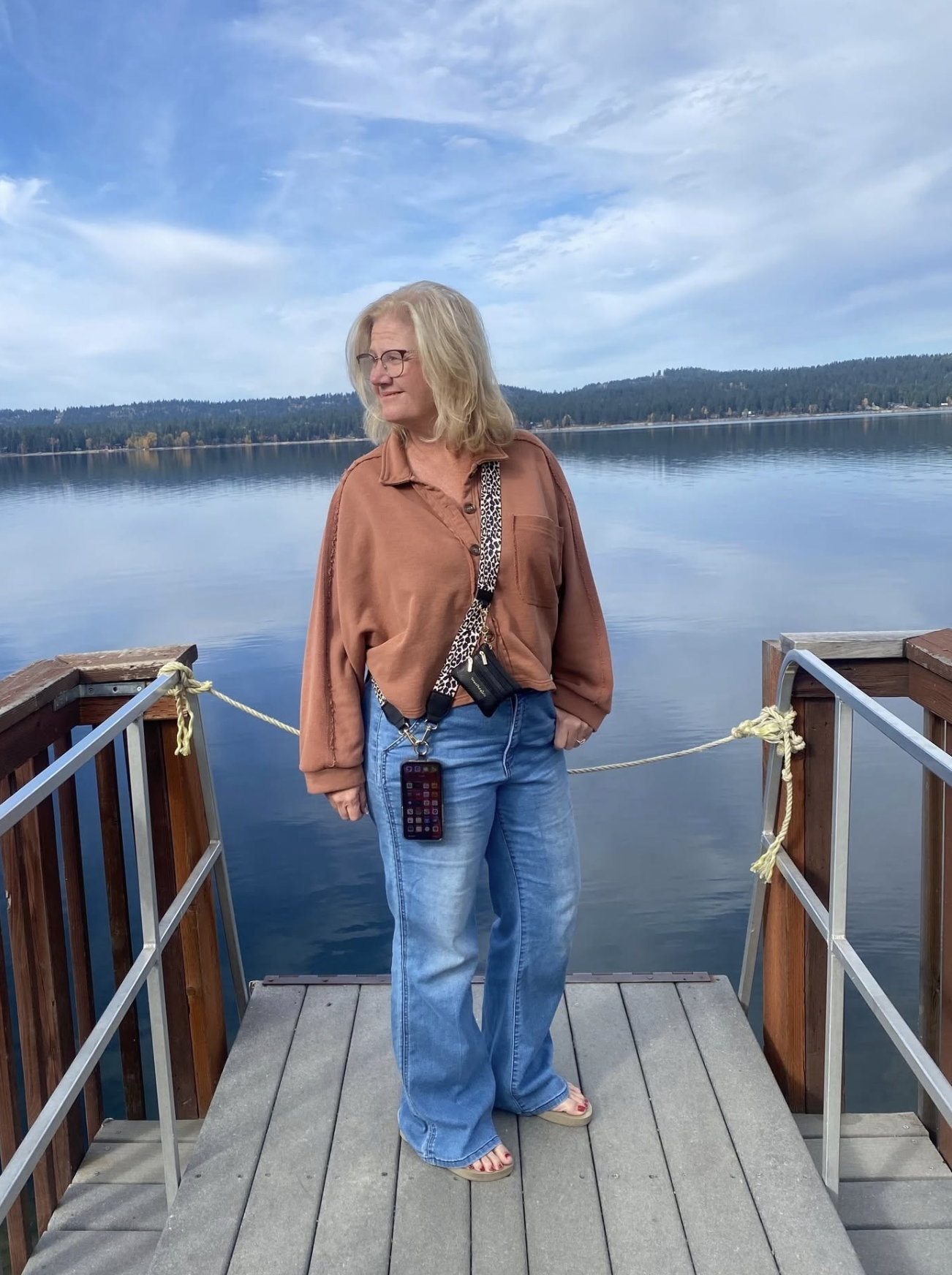
Her story is not simply about inventing a way to carry a cell phone. It is about recognizing a real problem, understanding the need behind it and having the determination to follow the idea far beyond its first sketch.
Tami could have stopped at selling purses. Instead, she focused on building something larger: a company with room to grow, a team capable of carrying the vision and a legacy her children have already helped shape.
That is part of the shift I am noticing in women in their 50s. They are not simply asking what they can do next. Many are thinking about what they can build, who they can bring with them and what might continue long after the first idea succeeds. They are drawing from decades of experience while also looking further ahead.
What began with two lost phones and a sketch on a napkin became something women use in their everyday lives, a business her children have helped shape and a vision that continues to grow.
Nine years later, Tami is showing us what a woman in her 50s can build when experience, focus and follow-through come together.
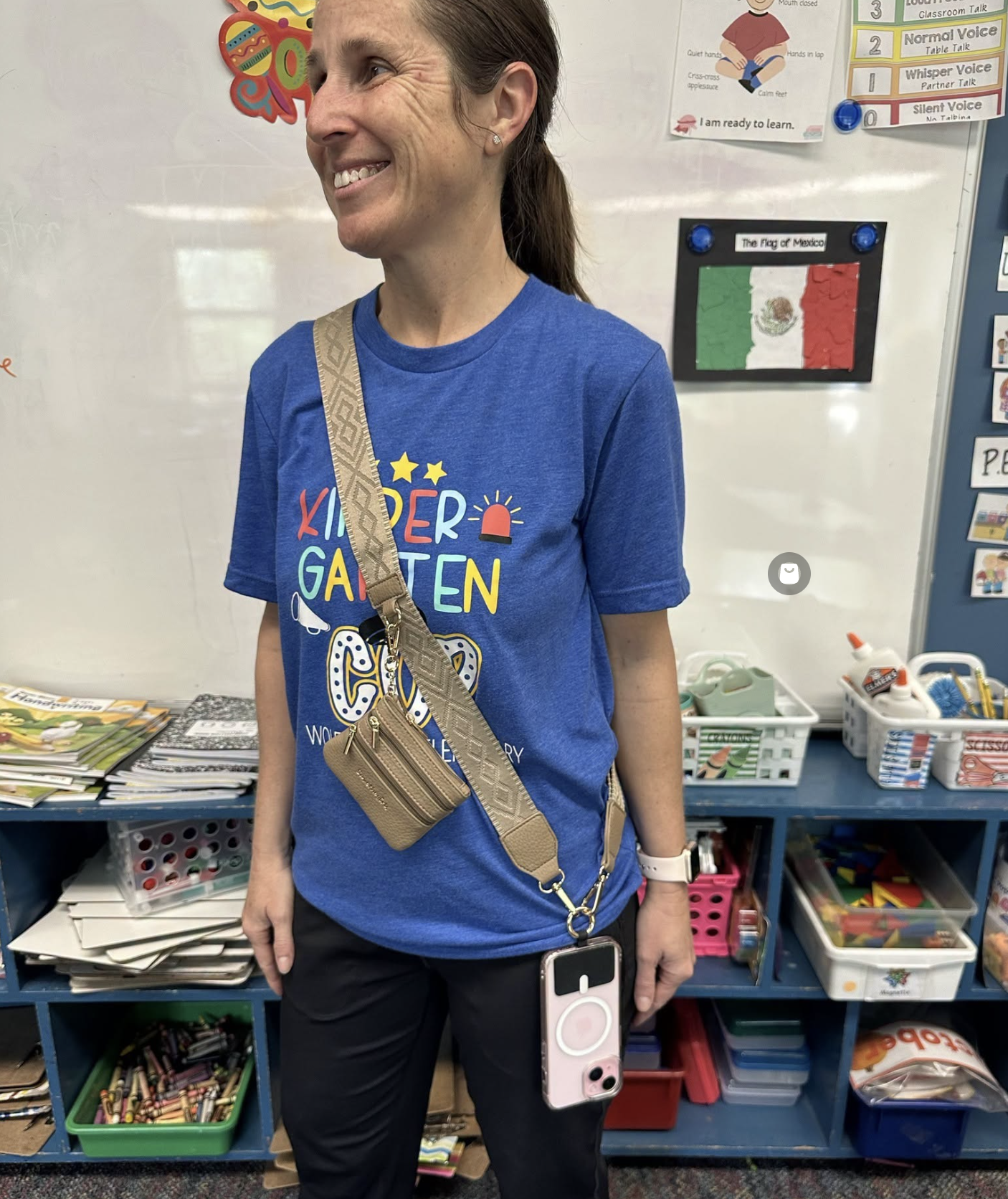

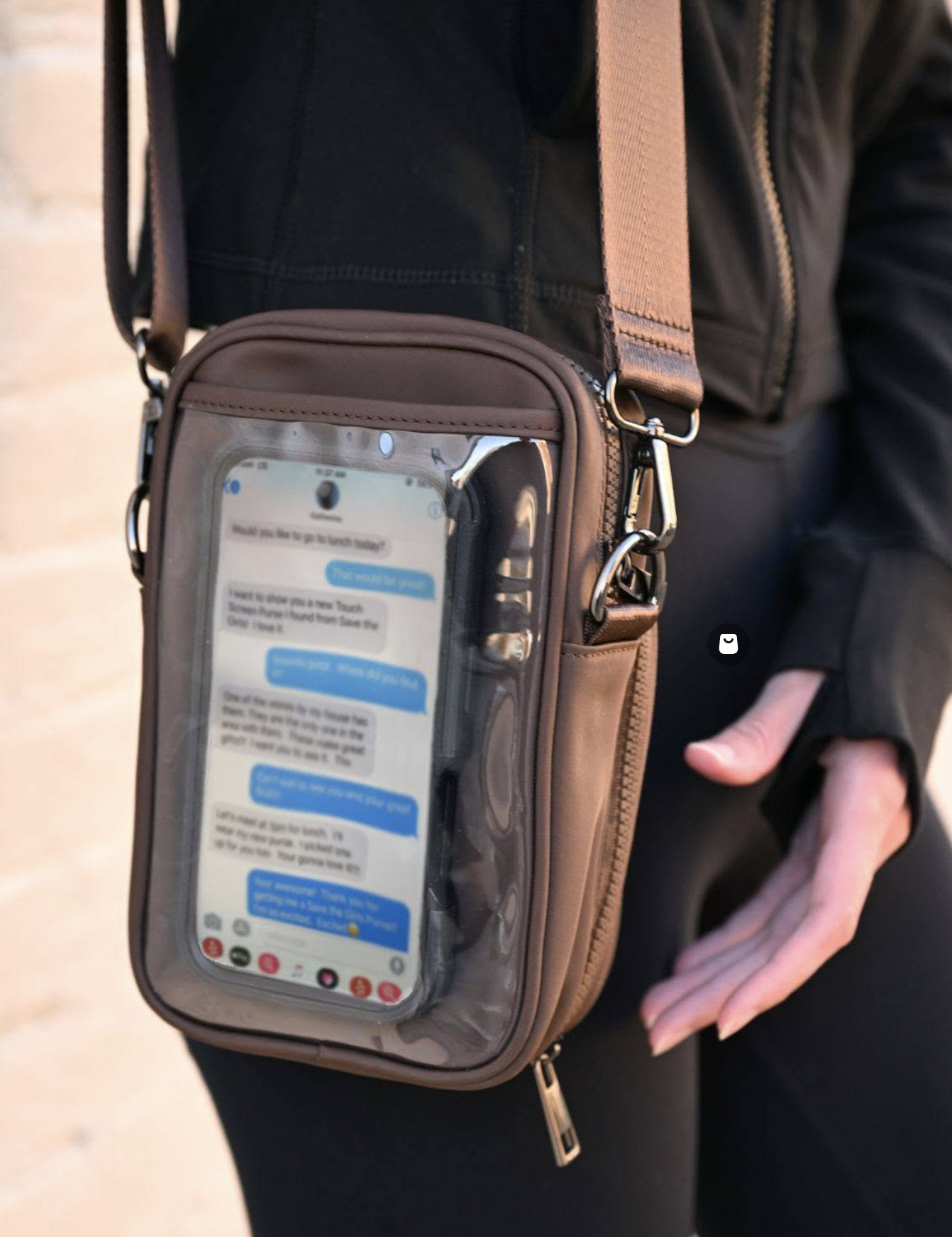
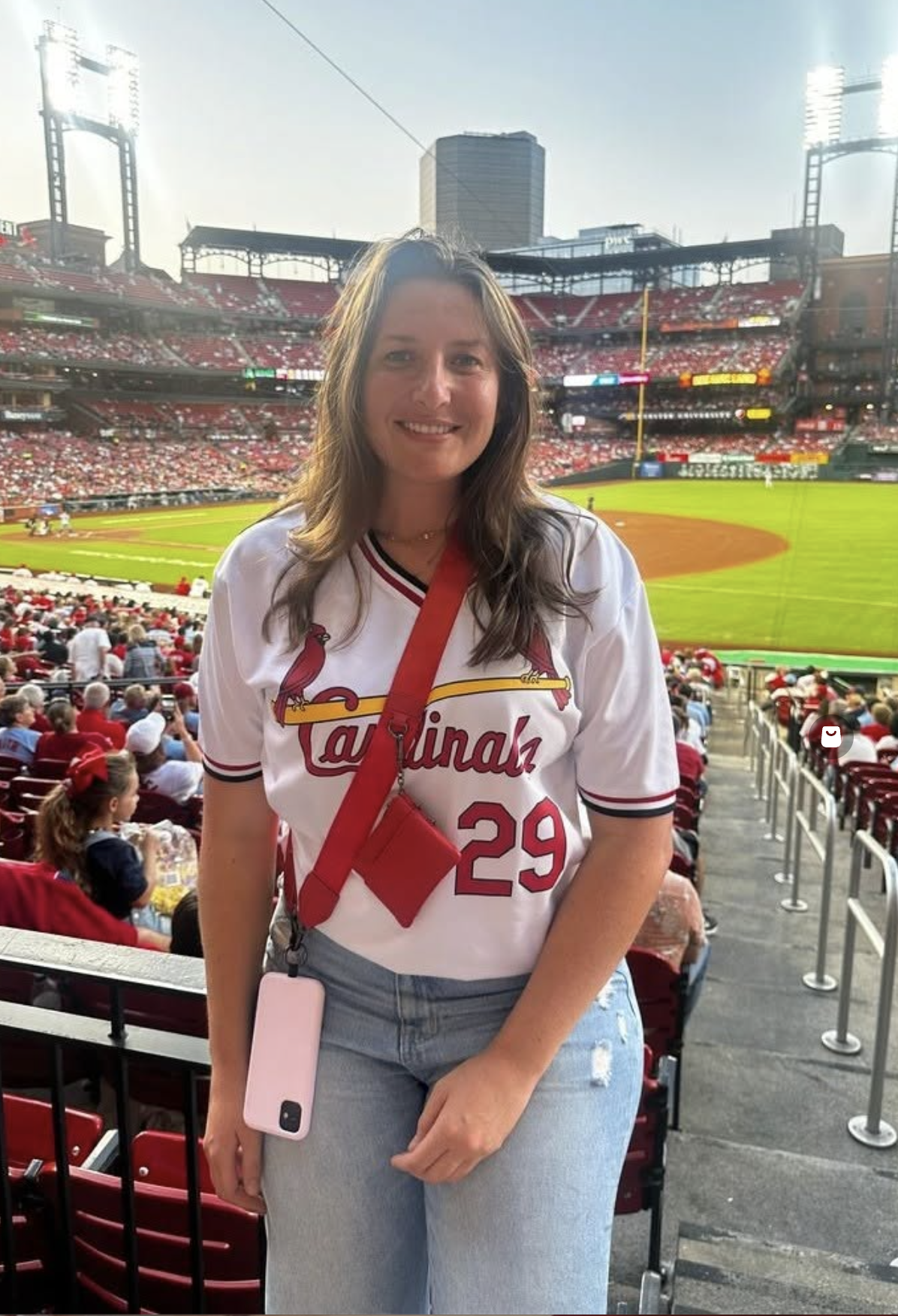
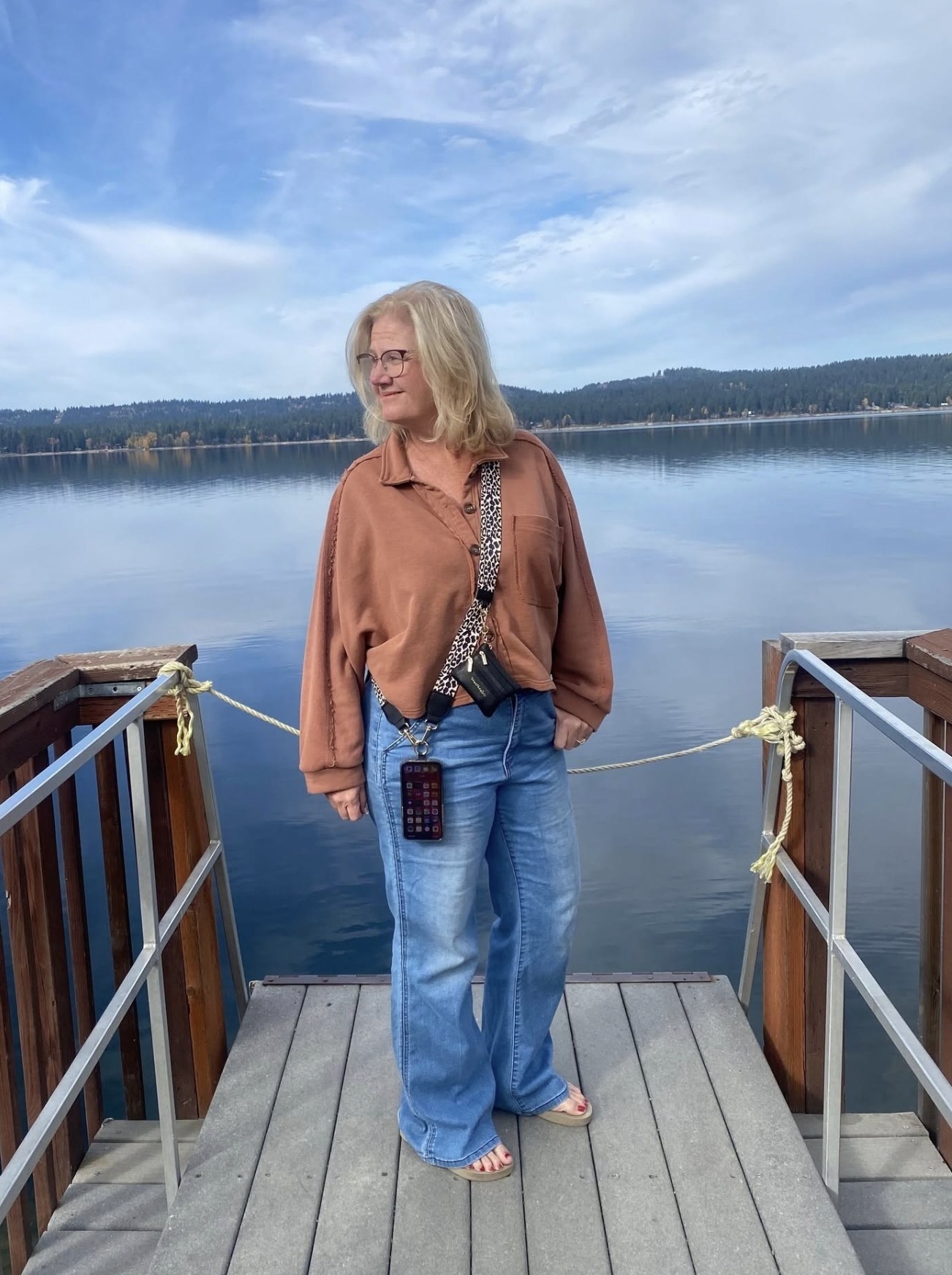
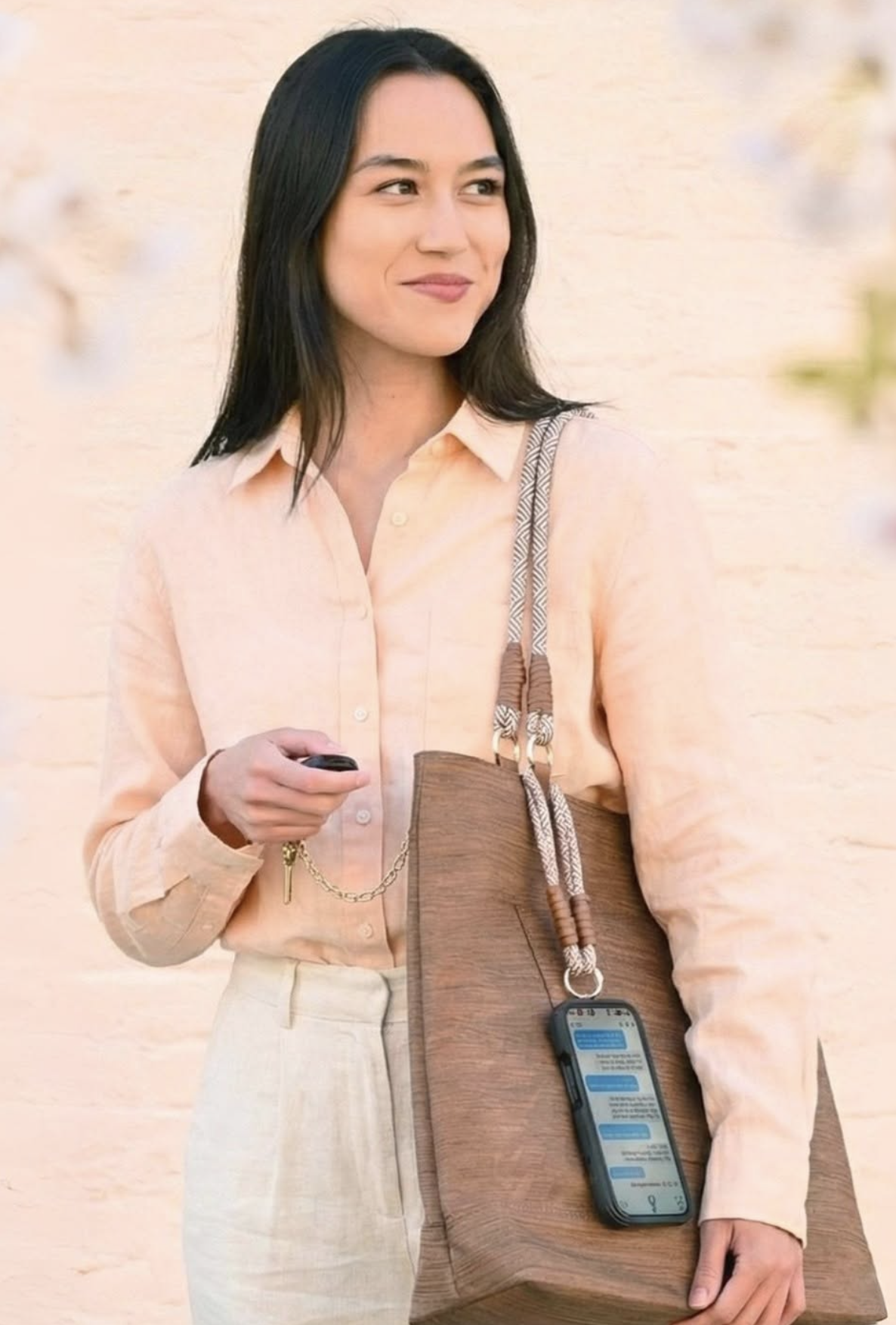
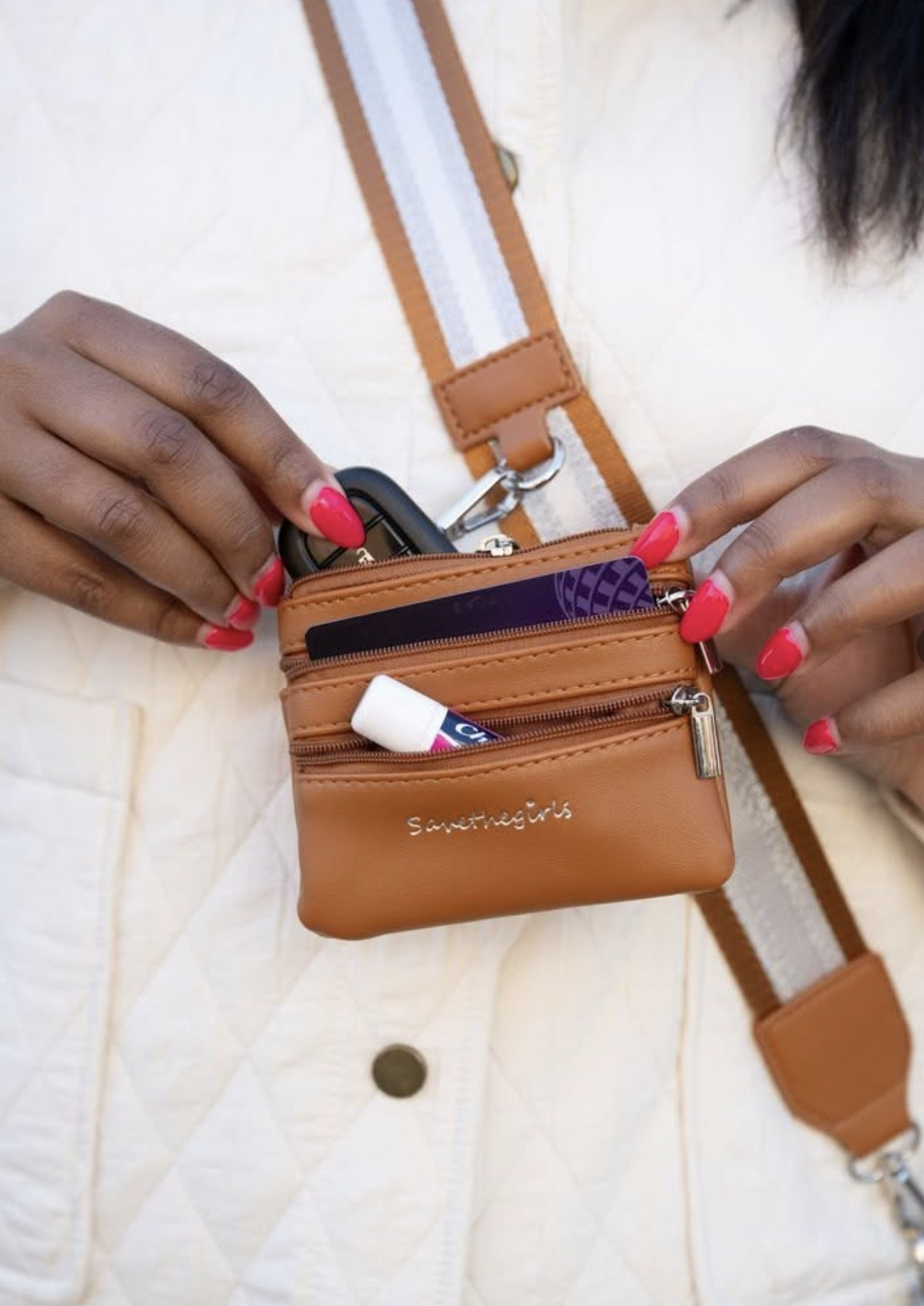
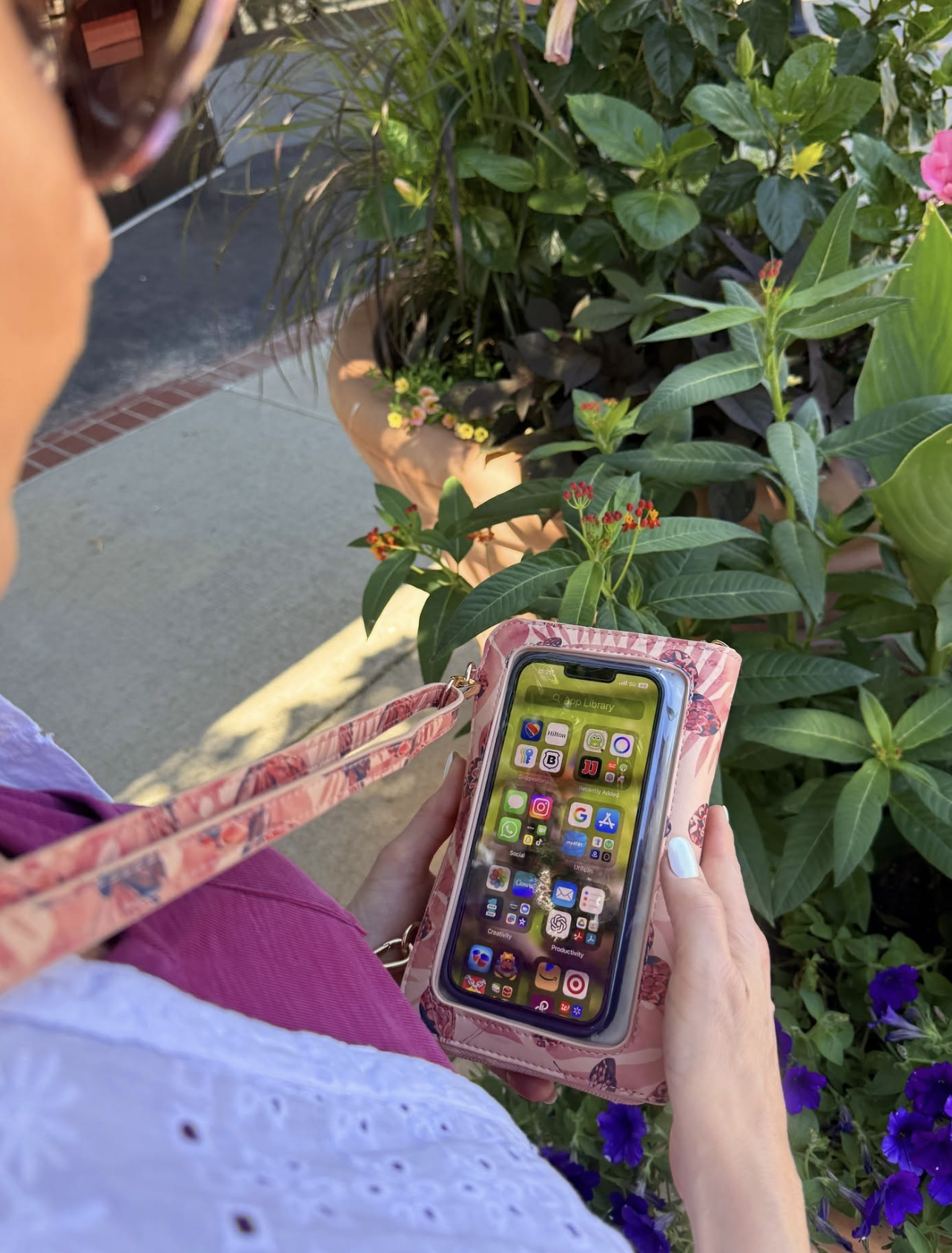
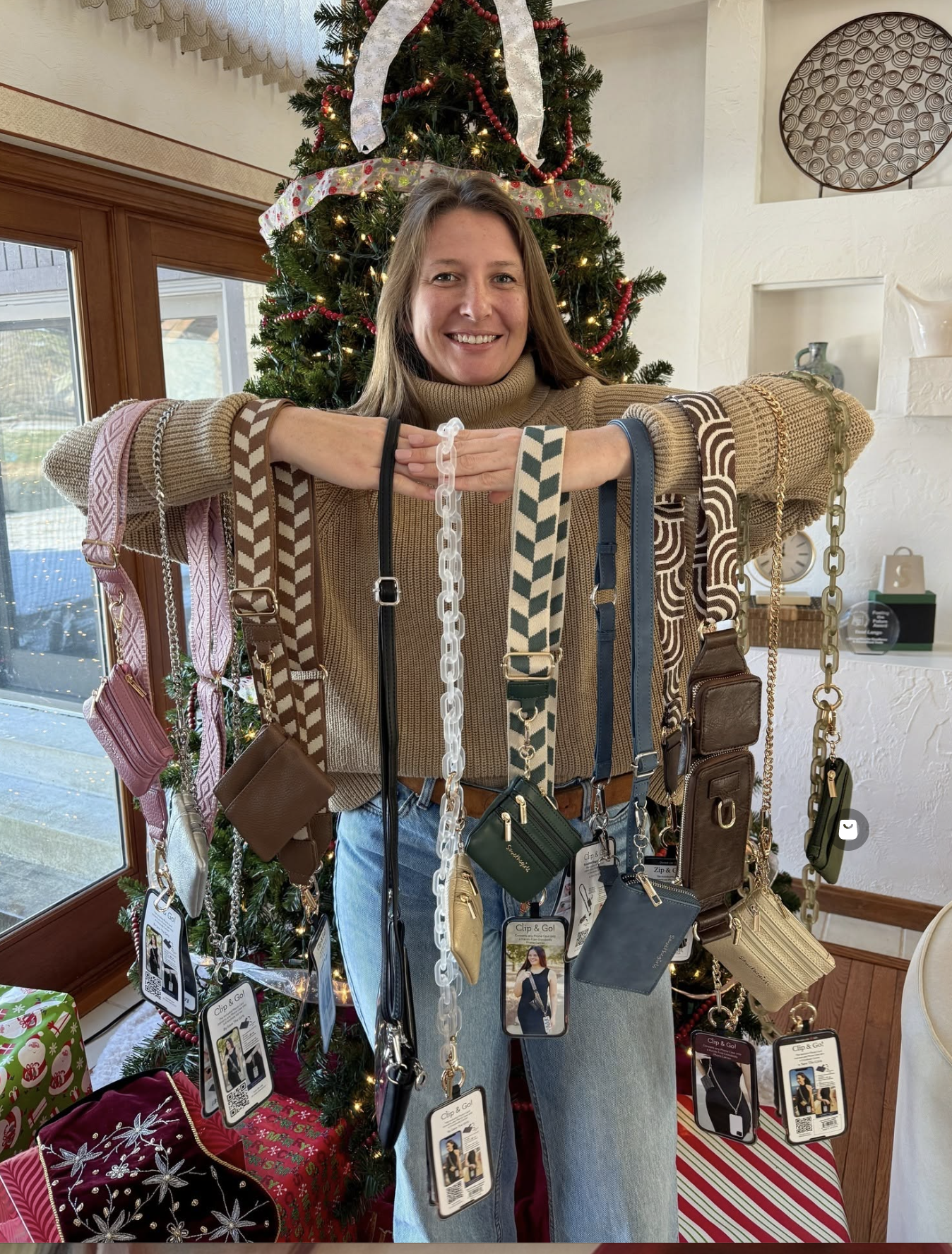
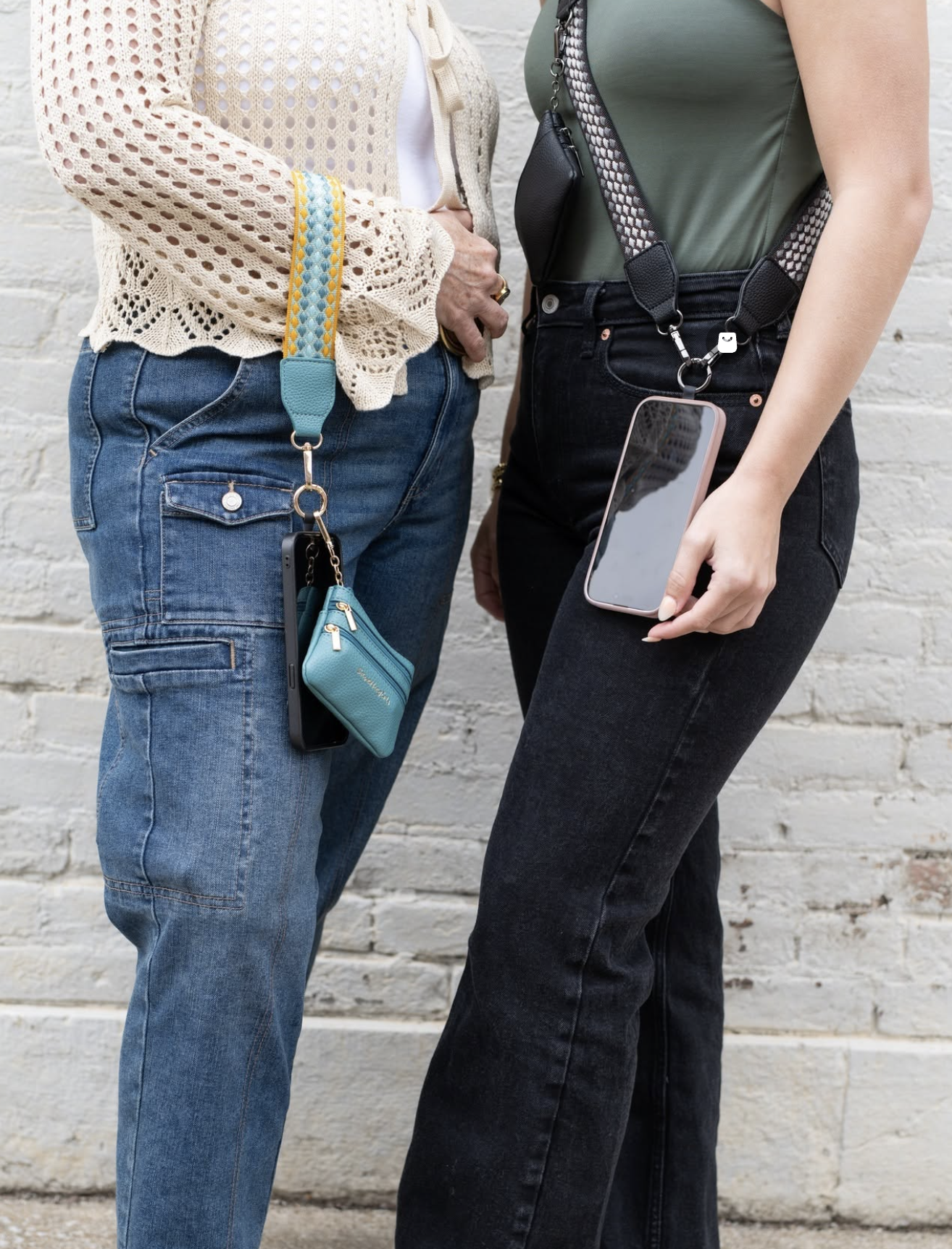

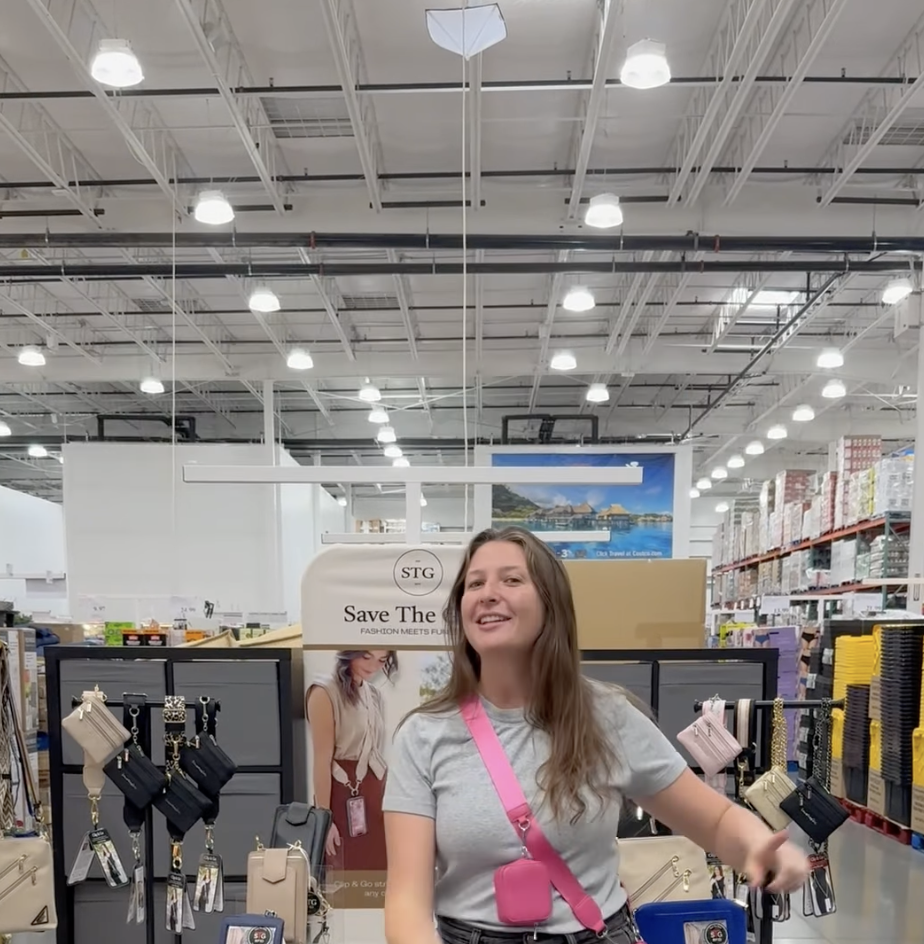
Save The Girls Purses can be found at Costco, on Amazon, and local retailers.
