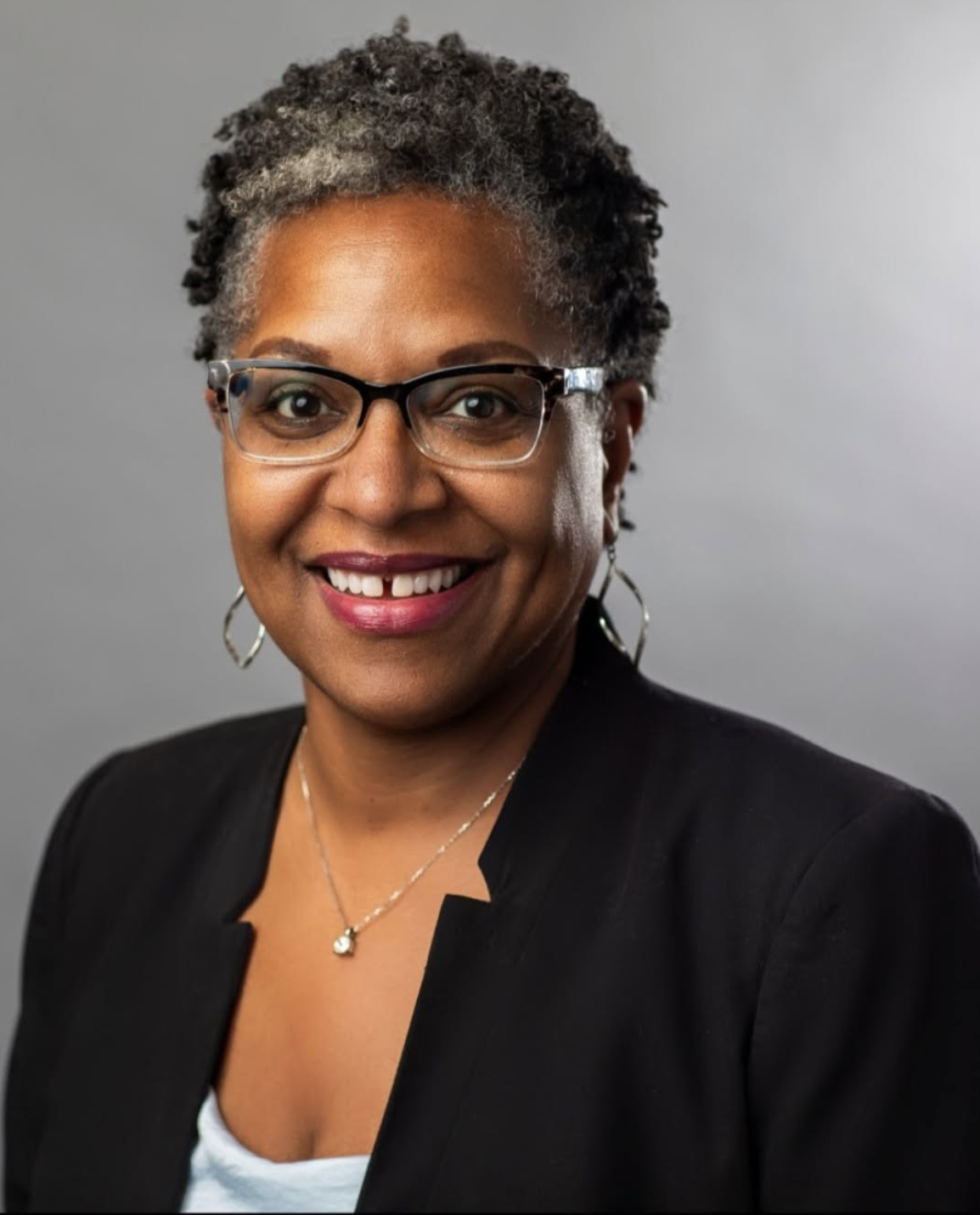
How Malette Johnson rebuilt her independence—and created a mission to help families, children, and women build lasting financial confidence.
For Malette Johnson, financial empowerment is about far more than creating a budget or improving a credit score.
It is about having choices.
It is about being able to make decisions without fear, understand what is happening with your money, and believe that you can build something different for yourself and your family.
Malette understands the importance of that freedom because there was a time when she felt herself losing it.
Long before she began teaching women and families about financial health, writing children’s books, investing in real estate, or developing MJ Em'Powers , Malette had to learn how to trust her own voice again.
That journey would eventually become the foundation of everything she now hopes to offer other women.
Growing Up Quickly
Malette’s first major step into adulthood came earlier than she expected.
She became a mother at 17, giving birth to her first daughter, Keysha, just weeks before her own 18th birthday. From that moment forward, she says, her child became the center of every decision she made.
“Everything I wanted to do going forward was to make sure my child was taken care of and had a good life,” she says.
Although she was still completing high school, Malette already understood responsibility. She attended an alternative school during her pregnancy, completed her required credits early, and returned to participate in graduation.
She worked part-time, found an apartment, and bought a car. Even as a young mother, she was learning how to take care of herself and her daughter.
“I was taking care of business,” she says. “I was doing it on my own.”
A few years later, Malette married her first husband. She was 22 and eventually became a stay-at-home mother, raising three children—two daughters and a son.
However, over time, the independence she had worked so hard to establish began to disappear.
When She Stopped Trusting Her Own Decisions
Malette describes her first marriage as verbally abusive and financially controlling.
She had not grown up in a home filled with yelling, so living with someone who regularly raised his voice affected her deeply. She began second-guessing herself and worrying about how her husband might react to even small decisions.
“I found myself not able to make a decision because I was worried about what he would say or how he would act,” she says.
The change did not happen all at once. It happened slowly, as it often does.
Malette began recognizing that she was becoming disconnected from the capable young woman who had once supported herself and her daughter. She looked at her children and realized she needed to find that part of herself again.
“I was starting to lose who I was,” she says. “If I lost who I was, I wasn’t going to be any good for my children or for myself.”
Financial independence became one of the first ways she quietly began reclaiming her identity.
She opened a credit card in her own name. Later, after repeated arguments over the couple’s shared finances, she opened a separate bank account.
They may have seemed like small actions from the outside, but for Malette, they represented something much larger.
They reminded her that she could still make decisions for herself.
“I had lived on my own before. I was doing well before I met him. I knew I had to get myself back.”
Leaving More Than a Marriage
Malette remained married for 23 years.
Her decision to leave was complicated not only by her family and financial circumstances, but also by the religious environment she was part of at the time. Divorce and separation were heavily discouraged, adding another layer of fear and pressure.
Eventually, she reached a point she describes simply and honestly.
“I was sick and tired of being sick and tired.”
In her early 40s, Malette left both the marriage and the religious group.
It was not a gentle transition. She had to file for bankruptcy to separate herself from financial obligations connected to the marriage. She needed to find an apartment, secure transportation, and determine what her new life would look like.
But as she began taking those steps, people appeared who were willing to help.
Her bankruptcy attorney carefully walked her through the process. Women at an apartment community helped her find a place to live. Others assisted her as she searched for a vehicle.
“Everything started falling into place,” she says. “It was amazing how people helped me.”
Her youngest daughter, who was preparing to graduate from high school, moved with her. Not long afterward, her daughter joined the Navy, and Malette found herself entering another unfamiliar season.
She was rebuilding her life while also becoming an empty nester.
Returning to School and Rebuilding Her Life
While raising her children, Malette had chosen work that allowed her to remain available to them. At one point, she worked in a school cafeteria so that her schedule would align with theirs.
“If my children were out of school, I was out of school,” she says.
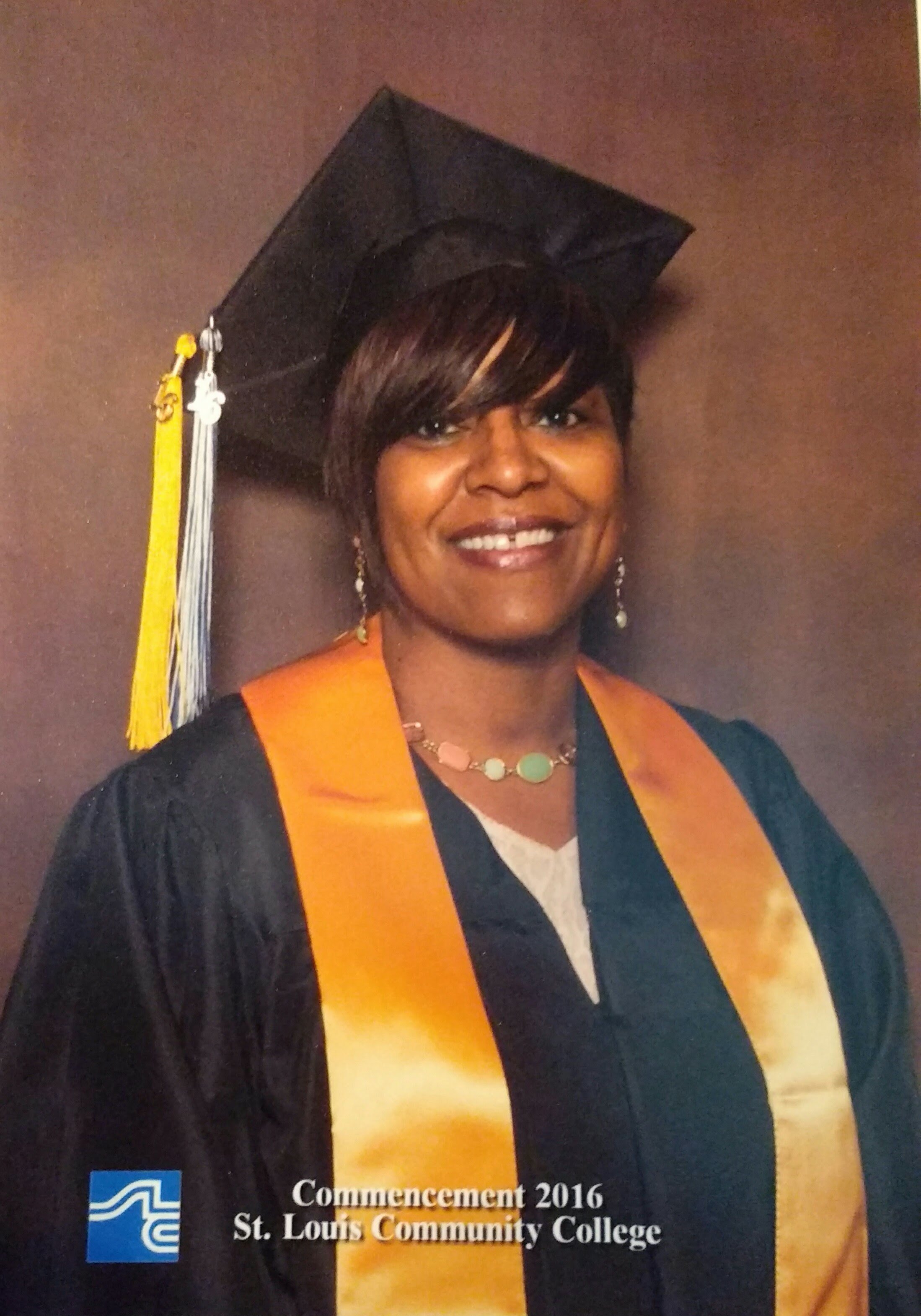
Later, she worked two jobs while attending college. She studied nutrition and dietetics, eventually moving into community health work at the YMCA.
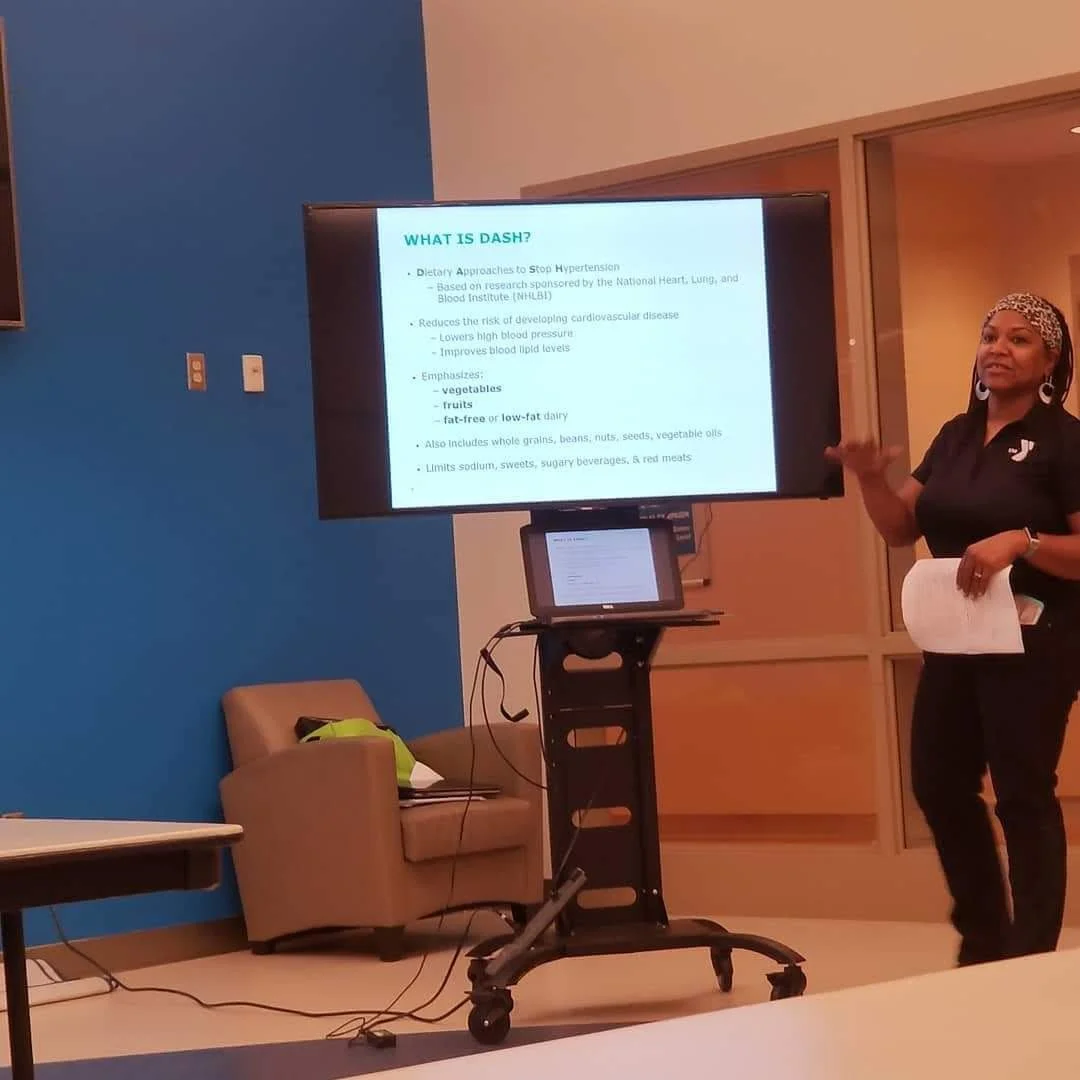
As a community health coach, she helped people participating in diabetes prevention programs, blood pressure monitoring, and community health screenings.
This work placed Malette in direct conversations with people about their habits, health, and quality of life. It also reinforced something she was already beginning to understand: information can change a person’s future, but only when it is presented in a way they can understand and use.
During this season, she also met the man who would become her second husband.

After experiencing a relationship that caused her to question herself, Malette describes her second husband as a wonderful man. They have now been married for more than a decade.
Her new relationship did not erase what she had experienced, but it allowed her to see what support, collaboration, and respect could look like.
The Pause That Changed Her Direction
When COVID-19 arrived, Malette was laid off from her community health position.
For many people, the shutdown was a season defined entirely by fear and uncertainty. Malette acknowledges the seriousness of that time, but personally, the unexpected pause became one of the most creatively productive periods of her life.
She began making art and experimenting with a home décor business. She researched real estate investing and considered what it might look like to finally build a business of her own.
“I always wanted to have a business,” she says.
Real estate had long interested her. During her first marriage, she and her family had lived in homes, improved them, and sold them before moving to the next property. At the time, she did not necessarily think of what they were doing as real estate investing or house flipping.
During the pandemic, she began studying the process more intentionally.
After repeatedly losing properties to higher bidders through traditional real estate listings, Malette realized experienced investors must be finding properties another way. Her research led her to wholesaling, and she purchased her first investment property through a wholesaler.
The home belonged to an older woman who wanted to relocate closer to family and did not want a stream of prospective buyers walking through her house. Malette was able to purchase it at a favorable price, giving her a meaningful start in real estate investing.
Since then, she has continued building that part of her business, including purchasing a duplex and exploring ways to create both income and opportunity through housing.

Real estate became one source of financial growth, but Malette’s larger mission was still taking shape.
Unlearning a Scarcity Mindset
Malette’s interest in financial education grew from her own experiences as well as conversations she heard happening around her.
She noticed friends and family members working consistently while still feeling as though they never had enough. She heard people repeatedly describe themselves as broke. She saw how financial stress influenced relationships, confidence, decisions, and dreams.
She also recognized how deeply her first marriage had conditioned her to think from a place of scarcity.
Every purchase had been questioned. Every decision seemed to come down to how much something cost. Even after leaving the marriage, she realized she still carried many of those beliefs with her.
“I had to unlearn what I had been conditioned to be,” she says.
That process helped Malette see that financial health is not only about numbers.
Money can become connected to self-worth, safety, and power. It can influence whether someone believes she is allowed to leave an unhealthy situation, pursue an opportunity, start a business, take a trip, or imagine a different future.
For Malette, changing someone’s relationship with money begins by changing the way she thinks and talks about it.
“We have to change our mindset about money. It controls our relationships, our time, and, sometimes, how we feel about ourselves.”
Creating MJ Em'Powers
In 2023, Malette officially began developing MJ Em'Powers , a financial education business designed to help women, children, and families build confidence around money.
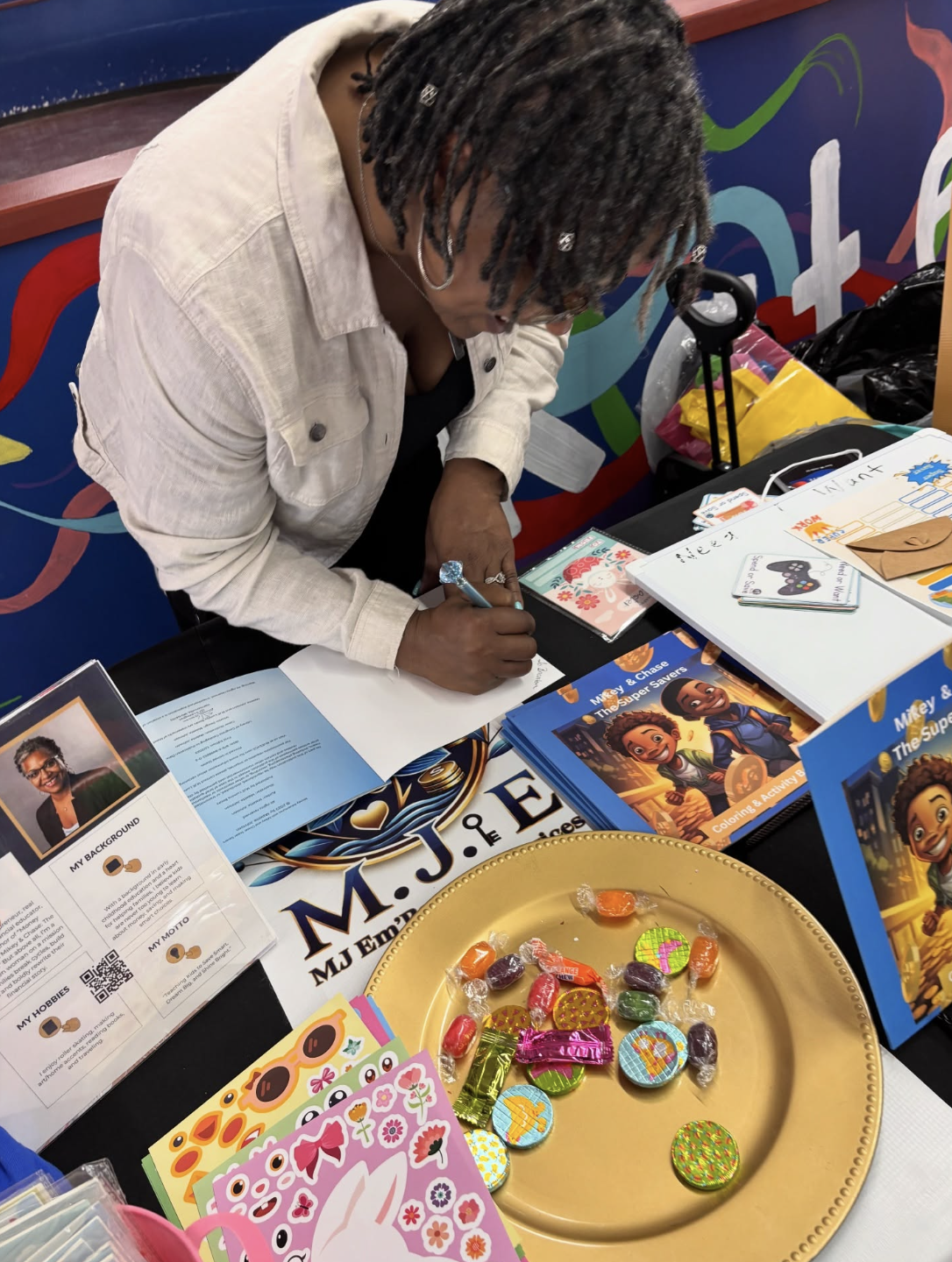

Her goal is not to lecture people or shame them for the choices they have made.
She wants to make financial learning practical, approachable, and even enjoyable.
Traditional financial advice can sometimes focus heavily on deprivation. People may be told they must give up every small pleasure before they can improve their finances. Malette does not believe financial education should begin with making people feel guilty about buying an occasional coffee or enjoying their lives.
Budgeting, she says, should not feel like punishment.
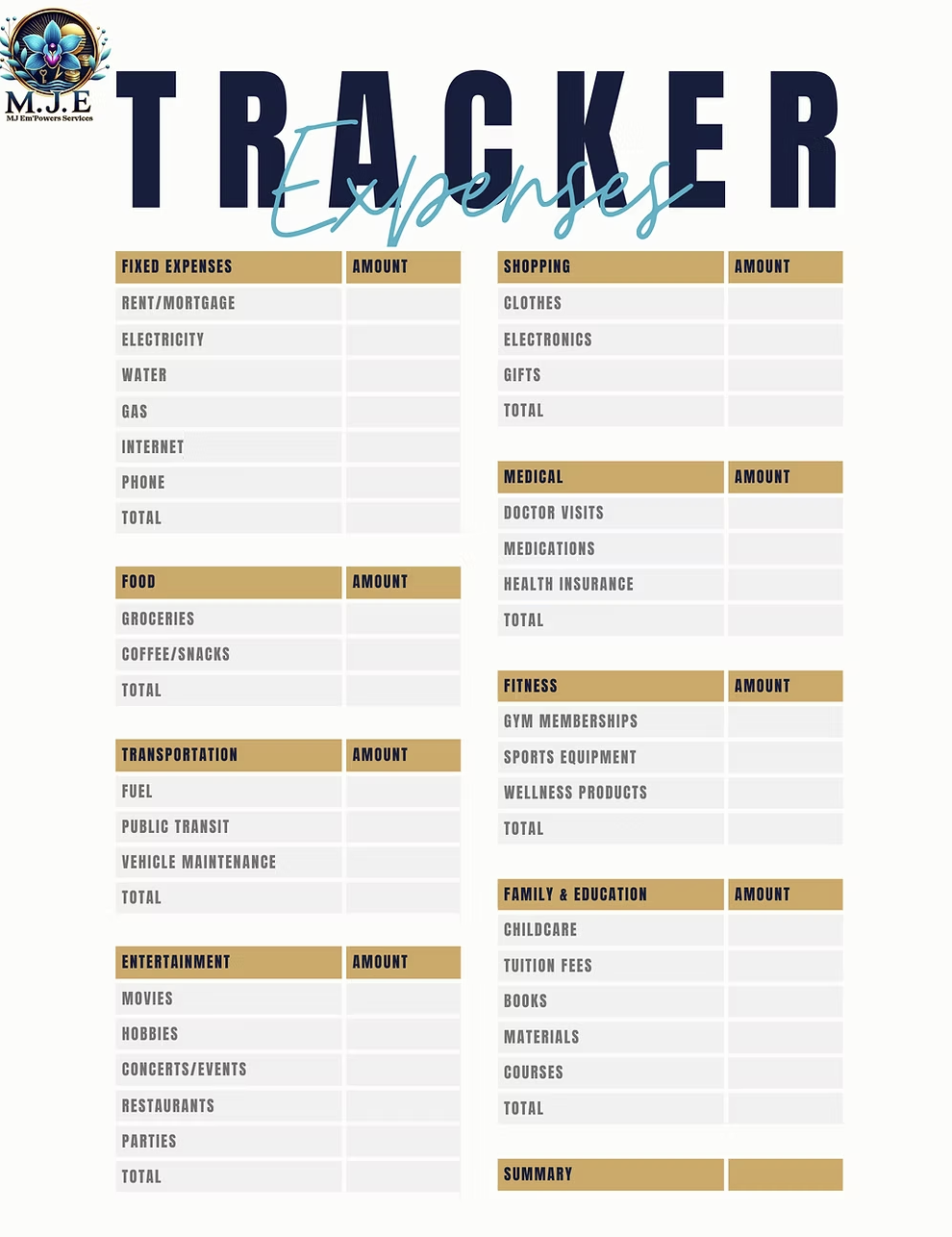
“A budget is not there to limit you,” she explains. “It helps you see where your money is going and what you can afford.”
Her approach is closer to financial counseling than a promise of instant wealth. She encourages people to sit down, look honestly at their numbers, and begin understanding the patterns behind their spending.
There is something powerful, she believes, about seeing everything written in front of you.
Once people understand what is happening, they can begin making decisions instead of simply reacting.

Making Financial Education Interactive
Through MJ Em'Powers, Malette has been experimenting with different ways to help people learn.
She created a workshop experience called Crêpes and Cash Flow, combining financial discussions with an interactive activity. The goal is to create an environment where people can talk openly about money without feeling intimidated or judged.
One participant, Malette’s cousin, realized during the program that she had been repeatedly using her emergency savings for non-emergency expenses.
She made a goal to stop withdrawing money from the account unless a true emergency occurred. Months later, she told Malette she had kept that promise and was making other positive financial changes as well.
That kind of transformation is what motivates Malette.
It may begin with one workshop, one conversation, or one decision, but it can change the direction of an entire family.
Malette has also partnered with a bank for a family-focused event encouraging parents and children to open savings accounts. She hopes to continue creating programs that help families move beyond simply talking about financial literacy and begin practicing it together.
One of her future goals is to develop a matched-savings program. Families would work toward saving a designated amount, and MJ Em’Powers would match a portion of those savings through grant funding or community partnerships.
The program is still part of Malette’s larger vision, but it represents the kind of practical support she wants her business to eventually provide.

Teaching Children To Learn Financial Independence
Like many adults over 40, Malette did not receive extensive financial education growing up.
She was taught basic skills, but not necessarily how to understand credit, build wealth, invest, manage debt, or prepare for major financial decisions.
She does not want the next generation to wait until adulthood to learn those lessons.
Malette has written three books and a journal, including financial education resources for children and teenagers. One of her books was inspired by her grandsons and created to introduce younger children to money management.


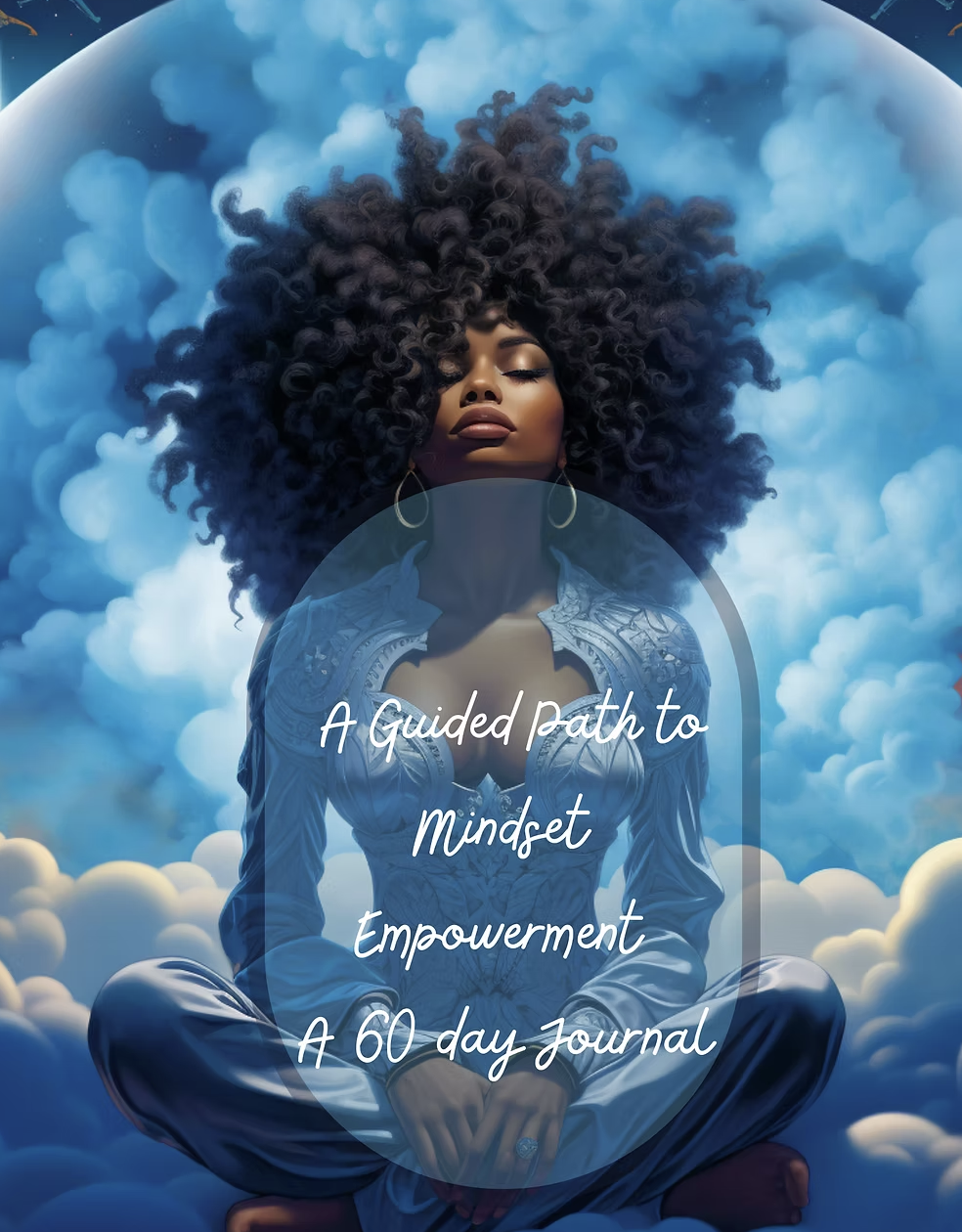
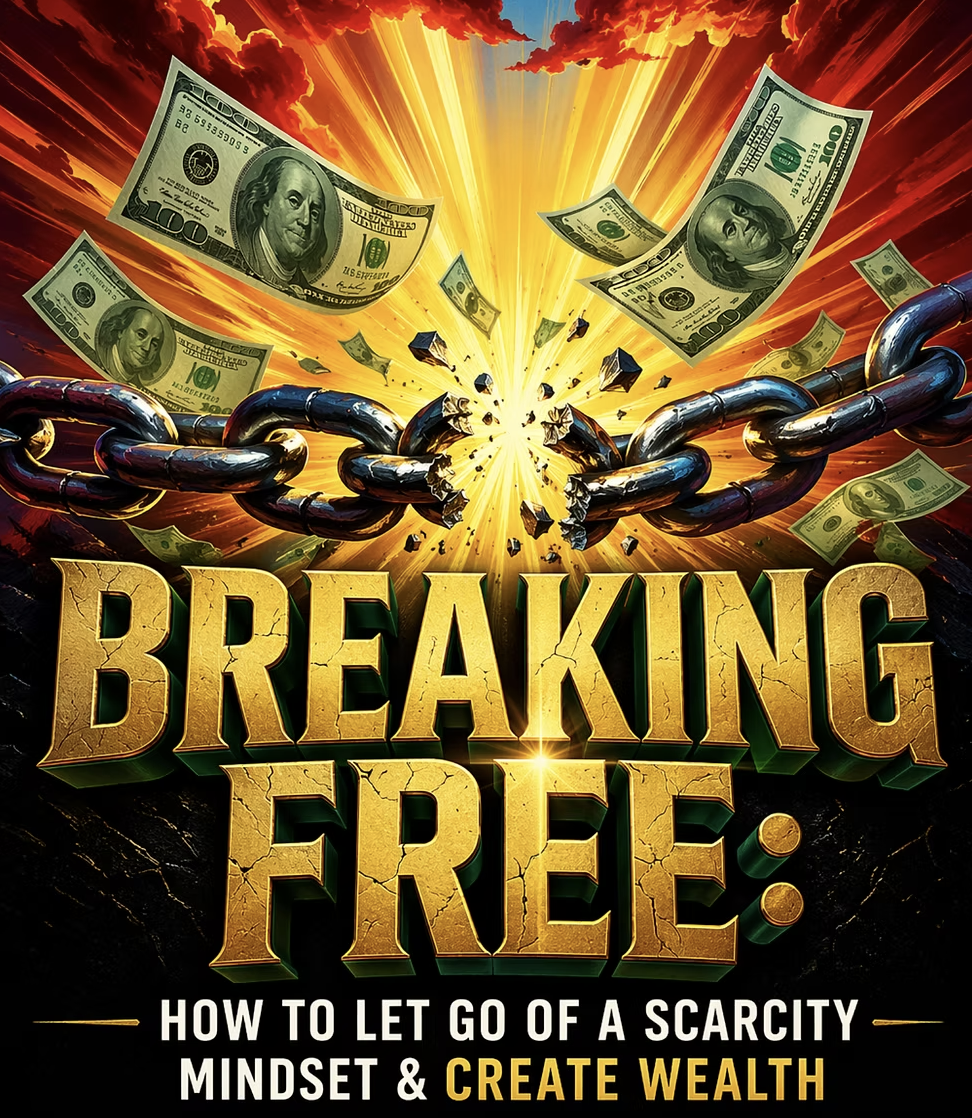
Another guides teenagers through car ownership and financial freedom. It covers topics such as finding a first job, creating a budget, and understanding the true expenses connected to owning a vehicle.
Her goal is to get the books into schools, libraries, and community programs where they can reach children before harmful financial habits and fears become deeply established.
She especially wants financial education to become something families can discuss together.
By helping children understand money, she hopes parents will also become more comfortable having financial conversations at home.
EmpowerUp App: Financial Learning Through an App
Malette has also developed an app called EmpowerUp.
The app brings several parts of her financial education mission together in one space. It includes mindset support, budgeting tools, journaling features, and courses addressing areas such as credit and financial planning.
Some features are available at no cost, while additional courses and resources are offered through paid membership levels.
The app represents an important step in Malette’s goal of reaching women beyond individual workshops or local events. It gives users an opportunity to work through lessons privately and at their own pace.
Like many entrepreneurs, Malette admits that she sometimes struggles with wanting every detail to be perfect before promoting what she has created. She sees areas she wants to adjust and courses she may want to change.
She also recognizes that perfection can become another form of fear.
At some point, the work must be allowed to reach the people it was created to help.
“Sometimes I wonder whether I’m doing the right thing. But I remind myself that it’s a marathon, not a sprint.”
The Children Who Watched Her Begin Again
Malette’s children, Keysha, DJ, and Neah, witnessed her most difficult seasons, but they also watched her rebuild.
As adults, each of them is building a future in their own way. Keysha owns several businesses, including a successful property management company, where she also serves as my property manager. DJ serves as a police officer while also working as a certified personal trainer, with plans to one day own multiple gyms. Neah has rental properties including multifamily and is a yoga instructor that hosts yoga retreats. Each child has. watched her mother's journey unfold, carrying forward the lessons of resilience, perseverance, and believing in yourself.
Her children tell Malette that they see her strength, even when she does not immediately recognize it herself.
“They tell me, ‘Mom, you’re a badass,’” she says. “Sometimes you don’t think of yourself that way. But later, it started to hit me. I understood what they were telling me.”
Malette’s influence is not only found in the lessons she teaches through MJ Em'Powers . It can also be seen in the way her children approach their futures.
They watched their mother leave a life that was diminishing her. They watched her work multiple jobs, return to school, start again in her 40s, invest in property, and create a business around something she believes deeply matters.
Her life became one of her strongest financial lessons.

What She Would Tell Her Younger Self
When Malette looks back, she can see times when she sensed the right direction but allowed fear to interrupt her progress.
Years ago, she started a business sewing coordinated clothing for families. She was creative and capable, but she did not continue.
She sometimes wonders what might have happened if she had kept going.
That regret does not stop her now. It makes her more determined to stay committed to what she is building.
If she could sit down with her younger self, her advice would be simple:
Listen to your inner voice.
Do not allow fear—whether it is fear of failure or even fear of success—to make your decisions.
“My inner voice has never led me wrong,” she says. “I go wrong when I don’t listen to it.”
Building a Future Based on Freedom
Malette envisions MJ Em'Powers becoming a thriving financial education business that reaches thousands of women.
She wants to expand her books, workshops, app, courses, and community events. She hopes to speak to larger audiences and one day deliver a TED Talk.
The heart of her goal is not simply to grow a recognizable brand.
She wants women to have money available when they need it. She wants them to stop living paycheck to paycheck. She wants them to travel, build wealth, and enjoy the lives they are working so hard to create.
Most importantly, she wants them to know what is happening with their finances and believe they have the power to change it.
Malette knows what it is like to lose confidence in her own decisions. She also knows the strength it takes to begin listening to herself again.
Through MJ Em'Powers , she is transforming those lessons into resources that can help other women build knowledge, security, and independence.
Financial health is not just about the amount of money in an account.
It is about the freedom to make a choice.
It is about believing you deserve a future that feels larger than survival.
Sometimes, it begins with trusting the voice inside you that says it is time to start again.