Alison Tindall: From Survival Mode to a Bigger Vision for Wellness
There is a difference between knowing what you should do for your health and having the support to actually do it. Alison Tindall understands that difference from both sides. For nearly 20 years, she worked throughout healthcare as a bedside nurse, travel nurse, transplant coordinator, stroke coordinator, healthcare administrator and executive leader. She understood medical systems, patient education and what happens when people are sick enough to need care. Eventually, another question began following her: What happens before someone gets sick, and what happens after the appointment when the patient goes home with a list of things they are supposed to change and an actual life waiting for them?
At 42, Alison is now building her career around that space. Through Thriving Willow Coaching, she works primarily with women who are trying to understand why they no longer feel like themselves and what it might take to feel better again. Some come to her because of weight. Others are dealing with nutrition, movement, stress, changing hormones, career demands, motherhood, relationships or the cumulative exhaustion of putting themselves last. Often, the first thing Alison hears is much simpler: “I don’t feel like myself anymore.”
She understands that sentence because she has lived it. Her own journey included years of carrying extra weight, PCOS, emotional and stress eating, gastric sleeve surgery, an approximately 160-pound weight loss and a complete rethinking of how she cared for herself. That transformation also changed the way she thought about nursing. What began as a personal health journey eventually became the foundation for a new business, a different approach to care and an increasingly clear vision for what Alison wants to build next.
“I got out of survival mode. I feel like I’m getting into thriving.”
That sentence may be the clearest explanation for why Thriving Willow exists.
Growing Up Quickly
Alison’s independence came early. She grew up in Collinsville, Illinois, and was a senior in high school when her parents divorced. Both remained involved in her life, although they were also navigating a major transition of their own. Her mother moved to Missouri while her father stayed in Illinois, and Alison chose to stay too. She was a senior, her school was there, her friends were there, and her life was already established.
Suddenly, many of the things that accompany the transition from high school into college became things Alison largely had to figure out herself. Graduation, college applications and planning what came next all required a new level of independence. She also had a younger sister, only a couple of years behind her, and remembers feeling some responsibility there as well.
“I had to do a lot of the transitioning from being a high school student to being a college student on my own,” Alison says.
Looking back, she can see both sides of that experience. There were things she missed, including the kind of traditional college sendoff she watched some of her friends experience. However, she can also see what that period built in her: independence, resourcefulness and the belief that she could figure things out even when the next step was uncertain.
“I think it really forced me to become independent,” she says. “And I think that served me really well.”
By her early 20’s, that independence was already showing itself. Alison moved to California by herself to work as a travel nurse. “I’m not risk averse,” she says. “I think I’m responsible, but I’m also not afraid to do something or try something.” Years later, that same quality would help her make another significant leap by leaving a secure healthcare career and betting on herself.
Nursing Wasn’t the Original Plan
Alison did not grow up saying she wanted to become a nurse. At one point, she thought she might become a lawyer, and after high school she spent about two years studying pharmacy. Science made sense to her. She liked biology and chemistry. However, the version of pharmacy she saw most often was retail pharmacy, and the work did not offer the type of human connection she wanted.
In retrospect, she thinks a hospital-based clinical pharmacy role might have appealed to her. At the time, though, she also had another reality to consider: she needed to make money. She wanted to stop accumulating student loans and begin supporting herself. Because of the college coursework she had already completed, nursing offered a practical path. She could earn an associate degree relatively quickly, enter the workforce and begin building financial independence.
What began partly as a practical decision eventually became an almost 20-year career. Alison started in a hospital, working step-down ICU and intensive care, with significant exposure to oncology. She later moved into travel nursing, working in cardiology and intensive care in California. Returning to the St. Louis area brought another opportunity, one that would become one of her favorite roles in nursing.
From Patient Care to Healthcare Leadership
One of Alison’s most fulfilling nursing roles came as a transplant coordinator, primarily working with kidney transplant patients. She valued the opportunity to build relationships, educate patients and help them protect what she called “this new gift” they had been given. The experience showed her how much better outcomes could be when people had the time, information and support to understand their own care.
That work initially inspired Alison to pursue becoming a nurse practitioner. Her path shifted when she joined St. Elizabeth’s Hospital as a stroke coordinator. There, she helped grow the stroke program, expand telehealth and improve access to acute stroke treatment. During her first year, use of medication for acute stroke patients increased fourfold.
Her ability to understand both bedside care and the larger healthcare system eventually moved her into leadership. Alison became a manager, then a director and executive director, and earned a master’s degree in healthcare administration.
“I loved being at the table where the decisions were being made,” she says.
Even as her responsibilities grew, the part of healthcare Alison cared about most remained the same: helping people. After nearly two decades in the field, she was also beginning to see a gap. Healthcare often responds once someone is already sick. Alison was becoming increasingly interested in what could happen before that point.
When Being Busy Becomes an Excuse
While Alison was building an accomplished healthcare career, there was one area of her life she admits she repeatedly pushed aside: her own health. She had struggled with her weight for much of her life. PCOS was part of the picture, and so were emotional eating and stress eating. She can see that more clearly now than she could at the time.
“I used the busy badge as my shield,” she says. “‘I’m too busy to work out. I’m too busy to eat well.’”
There was always something legitimate competing for her attention. School, work, leadership, family and responsibility all made it easy to postpone herself. Because Alison was capable, she could continue accomplishing things while not feeling particularly well. That can make change easier to delay. You are still functioning, still working, still meeting deadlines and still taking care of everyone else.
Eventually, the body starts interrupting the story.
For Alison, that moment happened on the floor with her baby. Her youngest son was about six months old when she was playing with him one day and struggled to get back up. The moment landed differently. This was not about a clothing size or looking a certain way. It was about the kind of mother she wanted to be.
“I said, ‘I can’t be this mom,’” she remembers.
She knew she wanted to be around for her children, although longevity alone was not enough. “I needed to be healthier longer.”
In February 2023, Alison underwent gastric sleeve surgery. She paid for the procedure herself, something she says added another layer of commitment to the decision. “I wasn’t going to waste that investment.”
Alison is careful not to tell the story as though surgery solved everything. It created a powerful physical tool. What happened next required her participation.
What Surgery Couldn’t Do for Her
Alison lost approximately 100 pounds during the first year after her gastric sleeve. She followed the postoperative requirements closely, and her nursing background meant she understood the potential complications and why the guidelines mattered. She changed the way she ate, began exercising and paid attention to nutrition in a way she never had before. Three years later, she says she has not experienced a complication from the procedure.
Perhaps the more important part of Alison’s story came after the initial weight loss. She began recognizing that changing her stomach did not automatically change every behavior or emotion that had contributed to her weight. Stress, comfort, emotional eating and the tendency to use busyness as an excuse were still there.
In retrospect, Alison says she wishes she had done more of that emotional work before surgery. The required psychological clearance was one step, although it did not necessarily dig deeply into the behaviors and emotions surrounding food. The surgery gave her a starting point. Then she had to decide what she would build from it.
“The gastric sleeve was really the catalyst,” she says. “It gave me the foundation. Then I knew I needed to work on it.”
“My logical brain knew what I needed to do. I needed that physical barrier and limitation to help me put it into practice.”
She did.
Learning That Progress Isn’t Perfection
Alison has experienced some weight regain since surgery, and she talks about that openly. At one point, she noticed that even though she was not eating a large volume of food, she was no longer consistently choosing foods that supported her body. She made adjustments, returned to the habits that had worked and lost the weight again.
That experience became another lesson she now brings to her clients. A setback does not erase the progress that came before it. Instead of treating one difficult stretch as proof that everything has failed, Alison believes in noticing what changed, making an adjustment and continuing forward.
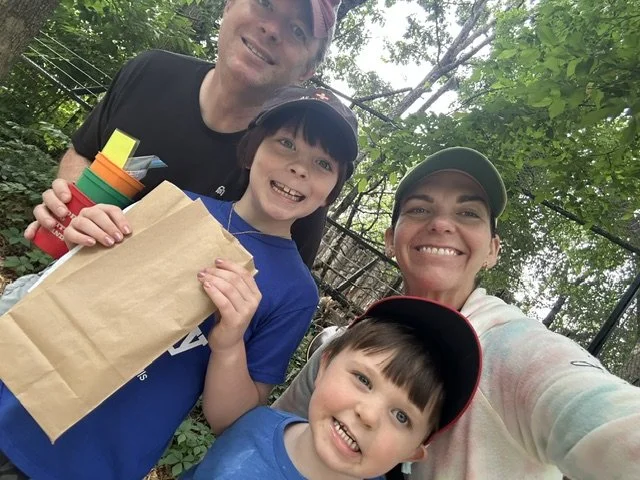
Today, she says she feels better physically than she did in her 20s. Her habits have changed enough that her children are absorbing them too. One evening, her four-year-old wanted ice cream, and Alison overheard her eight-year-old tell his younger brother that he needed to eat his protein first.
She laughed. She had not specifically coached him to say it. He had simply been paying attention. Her health transformation was never only about her. It changed the example her children were watching.
From Reactive Care to Nurse Coaching
As Alison’s own health improved, the way she thought about healthcare began to shift too. During the final two years of her nursing career, she found herself increasingly drawn to prevention, wellness and the question of what happens before someone reaches a crisis.
“I was trying to look at things from more of a preventative lens than a reactive lens,” she says.
She kept thinking about the gap between what patients are told in an appointment and what it actually takes to make those changes at home. A doctor can say, “Exercise more,” “Lose weight,” or “Reduce your stress,” yet the patient still has to figure out how to make that work in a busy, complicated life.
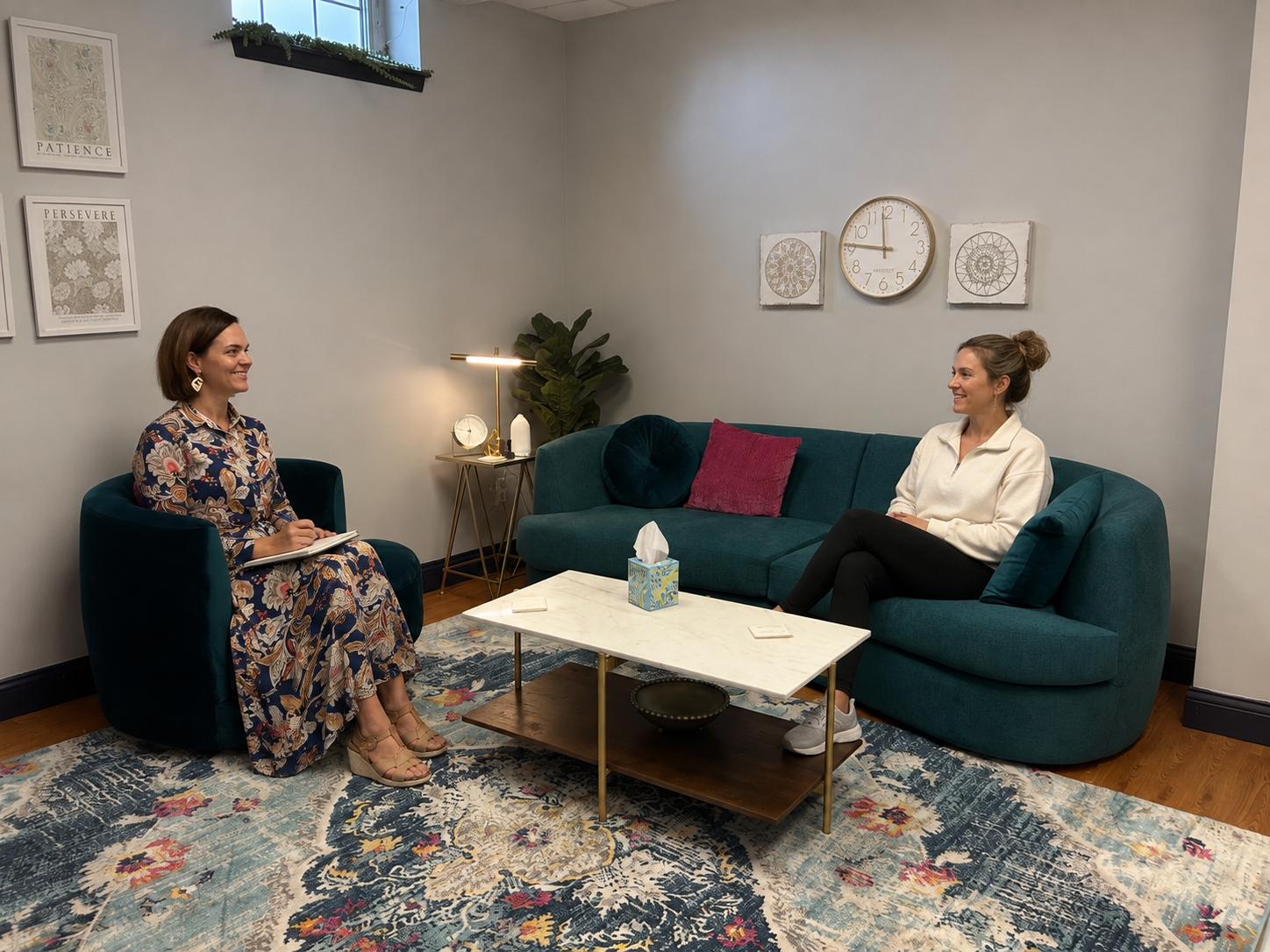
By mid-2025, Alison began researching nurse coaching and quickly realized it offered the kind of support she had been looking for. Coaching allowed her to go beyond setting a goal and dig into the patterns underneath it—emotional eating, stress, lack of planning or the habit of putting yourself last.
She became absorbed in the work, earned her certification and continued her education. The more she learned, the more aligned it felt. By January 2026, Alison was ready to turn that idea into something real.
Building Thriving Willow
Alison rented office space in January 2026 after completing virtual visits during her training. She wanted clients to have the option of sitting down with her in person, and the location placed her near providers working in women’s health, hormonal care and behavioral health. That proximity reinforced a philosophy she already believed in: no one practitioner needs to be everything to everyone. Good care sometimes means knowing when another trusted professional belongs in the conversation.
As Thriving Willow began attracting clients, Alison was still working full-time in healthcare. She cared deeply about both roles, yet doing both well was becoming difficult. She and her husband began looking closely at their finances. Her original plan was to leave her job in June; however, he could see how much more energized she was by the coaching work.
“You have to get in, or you have to get out,” he told her.
Alison listened. Her final day in traditional nursing was February 28, 2026. On March 1, she stepped into Thriving Willow full-time.
“It has been wonderfully satisfying,” Alison says. “I feel very aligned.”
“The core of it is that I want people to feel well—not just go through survival mode in life. I want them to feel like they’re thriving.”
Starting With the Whole Person
Most of Alison’s clients are women between their mid-30s and mid-60s, with many over 40. Their circumstances vary, yet Alison hears a familiar refrain: “I don’t feel like myself anymore.” They may want help with weight, nutrition, movement, stress or simply figuring out why the things that once worked no longer do.
She begins with an in-depth conversation about what the client wants, what is getting in the way and whether coaching is the right fit. Alison is careful about her scope as a nurse coach. She does not replace a physician, therapist or registered dietitian, and she readily refers clients when another professional is better suited to their needs.
When coaching is the right fit, she looks beyond a single goal. Sleep, stress, nutrition, movement, relationships, finances, work and hormones can all affect how a person feels.
“I really feel like you can’t do one thing without looking at the other things,” she says.
A 12-Week Approach
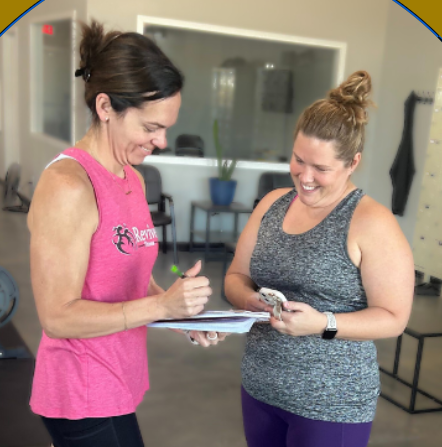
Alison’s preferred one-on-one model is a 12-week process, typically with weekly meetings. The early weeks are spent identifying patterns and asking questions clients may not have considered themselves. The middle weeks are about trying new strategies and discovering what actually fits real life. The final weeks focus on making those changes sustainable.
For Alison, a plan has to survive busy workdays, sick children, vacations, late meetings and missed workouts. Rather than treating those interruptions as failure, she uses them as information.
“When this happens again, what is your backup plan?”
That is where she believes coaching becomes especially valuable. The goal is not perfection. It is helping someone know what to do next without believing every difficult week means starting over.
Making Wellness Fit Real Life
Alison sees two common challenges around food: skipping meals and failing to plan. When people are hungry, rushed and unprepared, convenience usually wins. Within her scope, she helps clients build realistic nutrition frameworks and accountability systems, whether that means a paper journal, MyFitnessPal or simply talking through what repeatedly derails them.
Exercise follows the same philosophy. Alison loves weightlifting and often works out early in the morning, although she does not believe her routine should become someone else’s. Walking counts. Ten squats during a phone call count. A short workout counts.
“You don’t have to make it a big formal event,” she says.
For women over 40 especially, Alison often hears frustration that an old strategy has stopped working. Their bodies, hormones, schedules and responsibilities have changed, yet they are still judging themselves against what worked years earlier.
“What worked before may not necessarily work now,” Alison says.
Her goal is not to force women back into an earlier version of themselves. Instead, she wants to help them build something that works for who they are now.
Motherhood in the Middle of It All
At 42, Alison is navigating some of the same transitions as the women she coaches. She has two sons, ages four and eight, with wonderfully different personalities—one drawn to theater and performance, the other to dirt, trucks and dinosaurs. She is moving beyond the baby years while also approaching the hormonal changes of perimenopause, all while learning what it means to build a business.
That does not mean Alison believes she has every answer. In many ways, she considers that part of her value.
“I’m navigating it along with a lot of my clients,” she says.
Sometimes women need education. Sometimes they need accountability or a referral. Other times, they simply need someone who will listen long enough for them to hear what they already know.
“I’m just that navigator helping them find the way.”


Another Side of Entrepreneurship
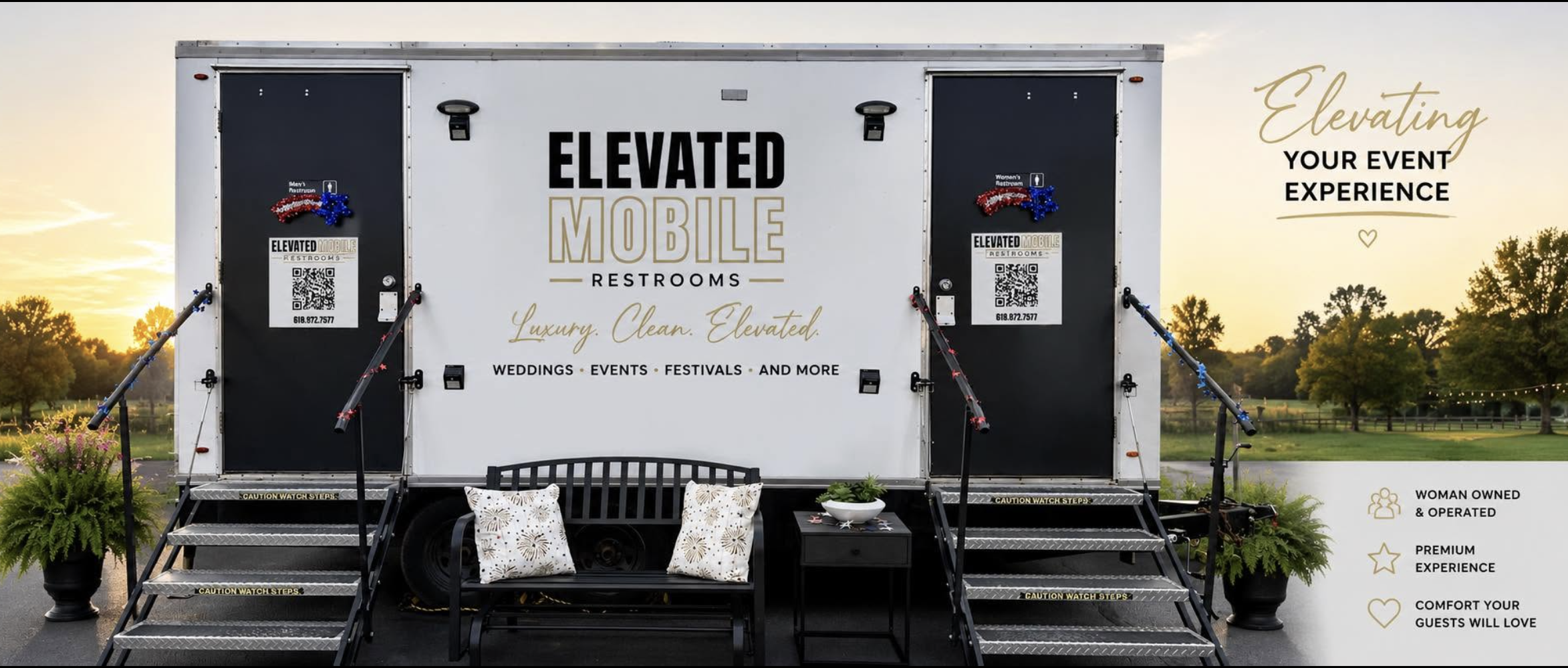
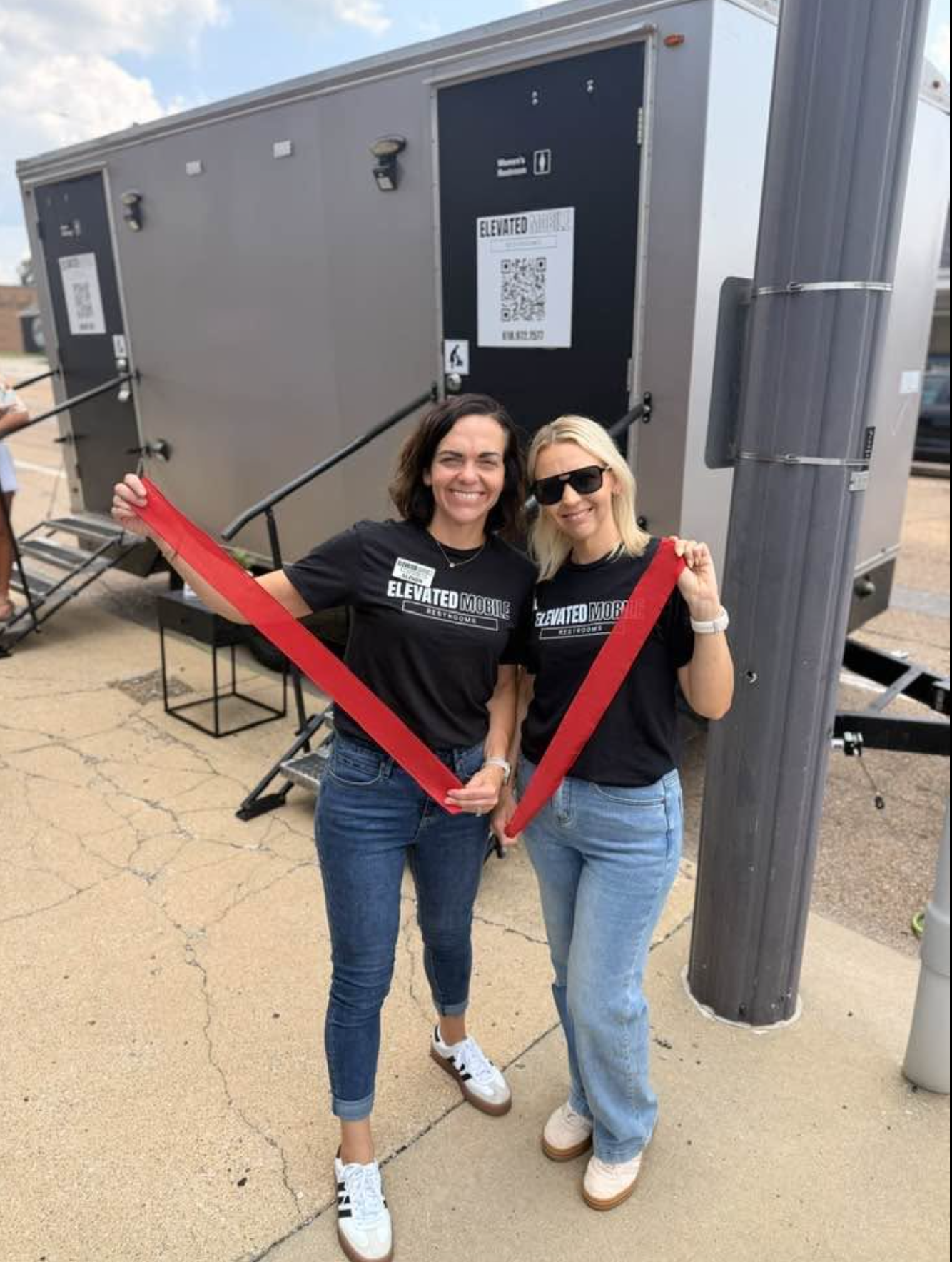
Elevated Mobile Restrooms, an upscale portable restroom business that gave Alison another opportunity to step outside the traditional path of earning more by simply working more hours.
The idea began with a college football tailgate in Arkansas, where Alison encountered a mobile restroom setup that felt completely different from the standard portable units most people expect at outdoor events. Around the same time, she had also seen another nurse talking online about a similar business model, and the idea stayed with her.
Alongside her sister, Leighanne, the business offered a chance to build something together while filling a very practical gap. Their climate-controlled restroom trailer includes running-water sinks, private stalls, baby-changing accommodations and space that can also serve as a private lactation area. They envision it for weddings, graduations, festivals, farmers markets, corporate gatherings and other events where the restroom experience is part of the overall atmosphere.
“We wanted to have a way to serve people in an alternative way, by making their occasion more special.”
The business also gave Alison another way to think about income. After years in healthcare, she understood how easy it is for nurses to assume that earning more means picking up another shift, another weekend or another long day. Elevated Mobile Restrooms offered a different kind of opportunity—one that could grow without depending entirely on her own hours.
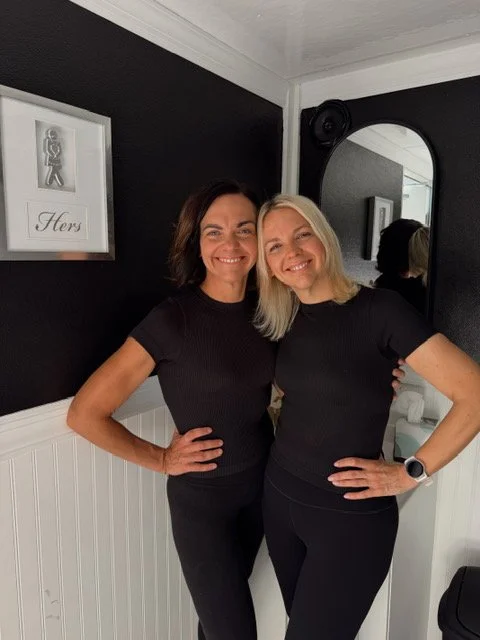
Alison and Leighanne are already looking ahead to future bookings and considering how the business could expand, including the possibility of adding another unit.
On the surface, an upscale restroom company and a wellness coaching practice may seem unrelated. Yet Alison approaches both with the same instinct: she notices where something is missing, then starts asking whether there is a better way to fill the gap.
A Bigger Vision for Wellness
When Alison talks about what she wants to build long-term, Thriving Willow is where the vision becomes much larger.
Her “big, crazy, hairy, audacious dream” is to eventually own a building and create a comprehensive wellness center where trusted professionals can work together rather than operating in separate silos. She is already certified in manual lymphatic drainage, is considering additional education in stretching and mobility, and has even revisited the possibility of becoming a nurse practitioner with an interest in functional health.
Alison does not picture herself providing every service. Instead, she pictures a team.
Nutrition, movement, hormonal health, behavioral health, coaching and other supportive services could work together, with clients referred to the right person rather than being left to assemble their own care one appointment at a time.
“I want to be the go-to person—or facility—where people know they’re going to receive high-integrity, quality care and not fall through the cracks.”
That phrase—fall through the cracks—comes from years of watching what happens after patients leave the exam room. They may receive a diagnosis, recommendation or list of changes to make, then return to work, children, meals, stress and everyday responsibilities.
Alison wants Thriving Willow to help bridge that gap—not instead of medical care, rather alongside it.
She is still working through how to make that kind of support accessible while also building a sustainable business. Many preventative and coaching services are not covered by insurance, and Alison does not dismiss the financial reality of that. Even so, she continues asking how the model could grow, how professionals could collaborate and how more people could experience the kind of support that helped change her own life.

If She Could Bottle the Feeling
Alison often describes her health transformation by saying:
“If I could bottle up how well I feel now and give somebody just a taste of it, they would know all of this work is worth it.”
Alison already knew the science before she lost the weight. She was a nurse. She understood nutrition, disease and health. Knowledge alone was not what changed her life.
Experiencing what it felt like to have more energy, eat differently, move her body, sleep better and manage stress differently changed her relationship with taking care of herself.
What She Would Tell the Younger Alison
When Alison looks back at the 17-year-old learning independence, the college student changing directions or the young nurse beginning a career she never originally planned, she does not view those years through regret. Even the difficult jobs and harder periods gave her something she carried forward.
“I really feel like you don’t go through an experience without taking something out of it,” she says.
Still, if she could tell that younger woman one thing, she would not hesitate.
Prioritize your health earlier.
She believes she might have had more energy, easier pregnancies and a stronger foundation for everything else she was trying to accomplish had she made her health a priority in her 20s rather than waiting until her late 30s.
Alison often comes back to the phrase pick your hard. Living in a body that did not allow her to feel the way she wanted was hard. Changing her habits was hard too. Planning food, exercising, getting up early and confronting emotional eating all required effort.
Neither path is effortless.
So Alison chooses the difficult path that gives something back.
“Being overweight and unhealthy is hard,” she says. “Getting up at 3:45 in the morning is hard. Making sure I have meals planned is hard. But pick your hard. I would pick this hard over that hard.”
For Alison, that choice is increasingly about longevity. She wants to be present for her boys and, someday, for grandchildren. Simply adding years, however, is not enough.
“I want to be there,” she says, “but I want to be well and active and able to do those things.”
More Than Feeling Better
Nearly 20 years after entering nursing because it offered a practical way forward, Alison has arrived at a place she could not have mapped out at the beginning.
The bedside taught her how to care for people when they were sick. Transplant patients showed her the power of education and follow-through. Leadership taught her how systems shape care. Her own weight-loss journey showed her that knowing what to do and being able to live it are not the same thing.
Now all of those experiences are meeting in the work she is creating.
Thriving Willow is still young. Elevated Mobile Restrooms is still growing. Alison is still learning entrepreneurship, raising two boys and deciding what additional education might belong in her future. Even so, she no longer seems to be searching for the direction.
She knows what matters to her.
She wants women to feel well enough to participate fully in their own lives. She wants them to have support before a health crisis forces their attention. And she wants them to understand that caring for themselves is not something they have to earn after everything else is finished.
For years, Alison used busyness as a reason to place herself farther down the list. Eventually, she discovered that prioritizing her health did not take something away from her career, her family or the people she cared for. It gave her more energy, more presence and a clearer understanding of the kind of life she wanted to live.
Now she is taking what she learned and creating a place where other women can begin asking those same questions before they reach their own breaking point.
That may ultimately be what Thriving Willow is about.
Not convincing women to become a different version of themselves. Not handing them another rigid plan or promising a quick fix. Instead, Alison is helping them understand the life and body they have now, decide what feeling well means for them, and build habits sturdy enough to support where they want to go next.
She knows firsthand that change can begin in an ordinary moment—sometimes as simple as realizing you cannot easily get up from the floor.
What matters is what you decide to do after you stand back up.