Finding Meaning in Midlife
There comes a point in midlife when the way we think about our lives begins to shift.
For much of adulthood, we are busy building. We build careers, families, homes, relationships, and identities. We work toward the next goal, the next milestone, and the next version of success. Achievement gives our lives structure, and for many years, progress is easy to recognize because there is always something else to work toward.
Then midlife arrives, and the questions become quieter and deeper. We begin thinking less about what comes next and more about what matters now.
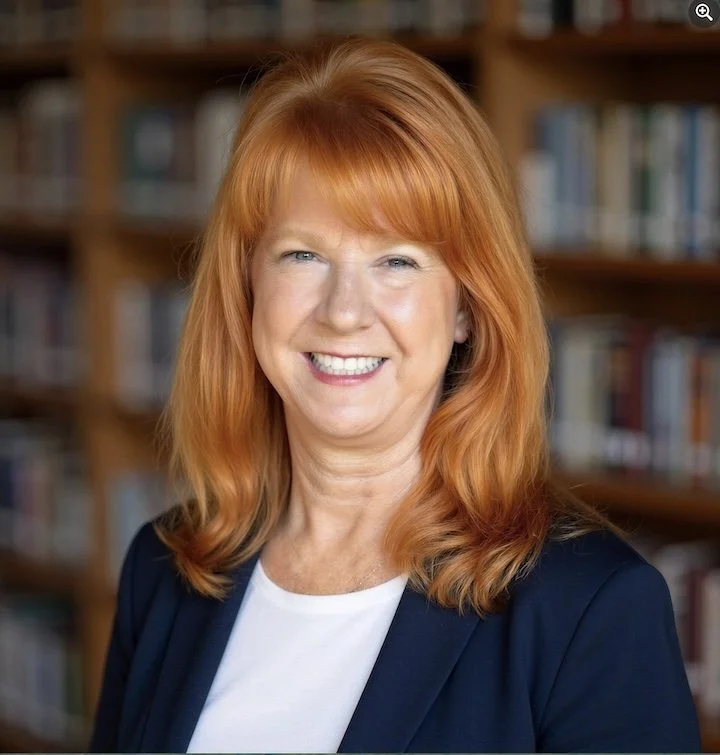
At 57, I find myself in this season. My daughters are grown and building lives of their own. My career still matters deeply to me, but I think differently about success than I did twenty years ago. My parents are getting older. I have watched people I love experience profound loss and unexpected change. I have also rediscovered parts of myself through creativity, learning, friendship, and simply making time for things that bring me joy.
Midlife has a way of reminding us that time is not something to fear, but it is something to value.
A Different Kind of Strength
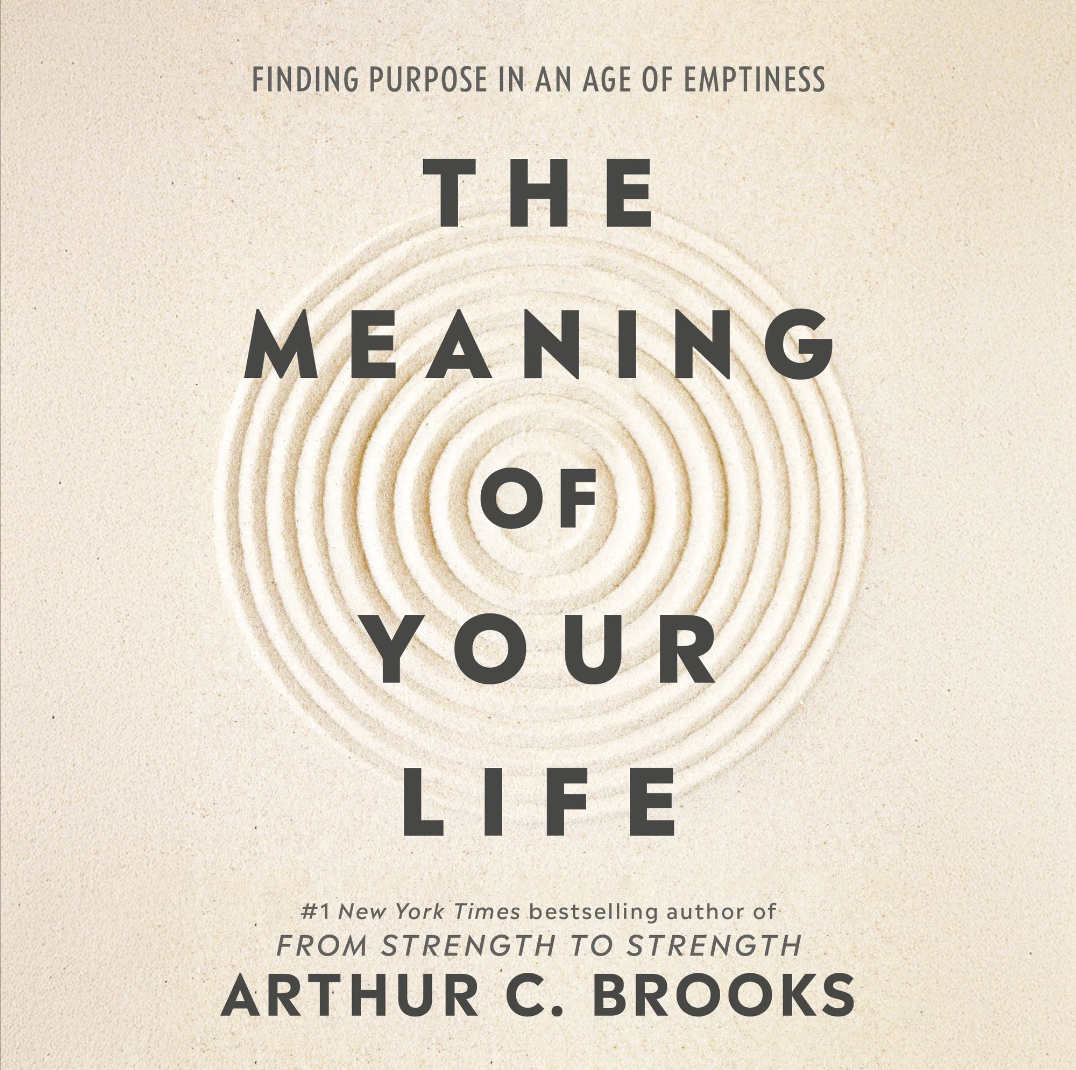
Arthur C. Brooks writes about the transition into the second half of life as an opportunity to develop a different kind of strength. The abilities that help us succeed when we are younger are not necessarily the same ones that will bring fulfillment as we grow older.
The first half of life often rewards ambition, speed, achievement, expertise, and the ability to solve problems. We work hard to become good at what we do. We build experience and establish ourselves.
But eventually, more achievement does not always create more meaning.
Brooks encourages us to recognize that the second half of life can be less about holding tightly to our earlier strengths and more about moving toward wisdom, teaching, mentoring, connection, and service. We do not become less valuable as we age. The way we create value simply begins to change.
This reminds me of the idea of moving from the first mountain to the second mountain. The first mountain is often about building a life. The second is about understanding what the life we have built is for.
For me, that does not mean giving up ambition or goals. I still love both. Growth is part of who I am. But I am beginning to see that growth can have a different purpose now. Success can become less about proving what we can do and more about using what we have learned to help others.
The Importance of Mattering
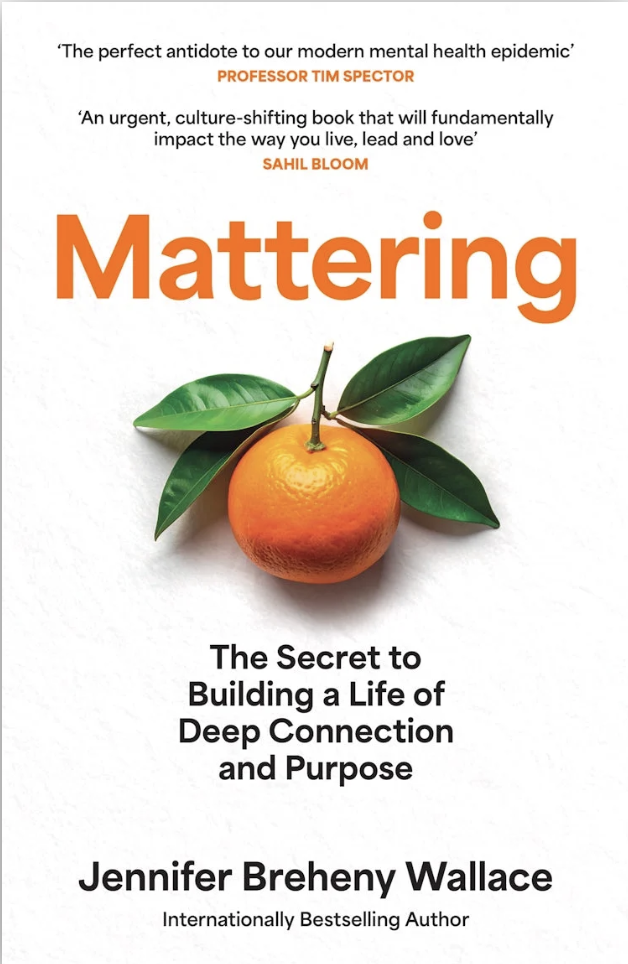
Jennifer Breheny Wallace’s work on mattering adds another important dimension to this conversation. At its core, mattering is the experience of feeling valued while also knowing that we add value.
Both are essential.
We need relationships and places where we know we are valued for who we are, not simply for what we produce, accomplish, or provide. At the same time, we need opportunities to contribute. We want to know that our presence makes a difference and that something or someone is better because we cared enough to show up.
This feels particularly important in midlife because so many of the roles that once defined us begin to change. Children grow up. Careers shift. Parents age. Relationships evolve. Sometimes jobs end unexpectedly. Sometimes people we love leave us far sooner than we ever imagined.
When our roles change, it can be easy to confuse being needed with mattering.
But they are not the same.
We do not have to be indispensable to be valuable. We do not have to hold on to an old role to continue adding value. One of the opportunities of midlife is discovering new ways to matter and allowing ourselves to receive the message that we matter too.
Meaning May Be Closer Than We Think
The word purpose can feel intimidating. It can sound as though each of us is supposed to discover one enormous calling that explains why we are here.
I am beginning to believe that meaning is often much closer than that.
Meaning can be found in helping someone at work recognize a strength they cannot yet see in themselves. It can be found in being the person your adult children still want to call, sitting with a friend through a difficult season, creating something beautiful, sharing what you have learned, or simply being fully present with the people you love.
It can be found in attending the wedding, going to the reunion, making the phone call, remembering the birthday, mentoring someone, learning something new, or returning to a hobby that was set aside when life became too busy.
Sometimes meaning is found in creating something simply because creating makes us feel alive.
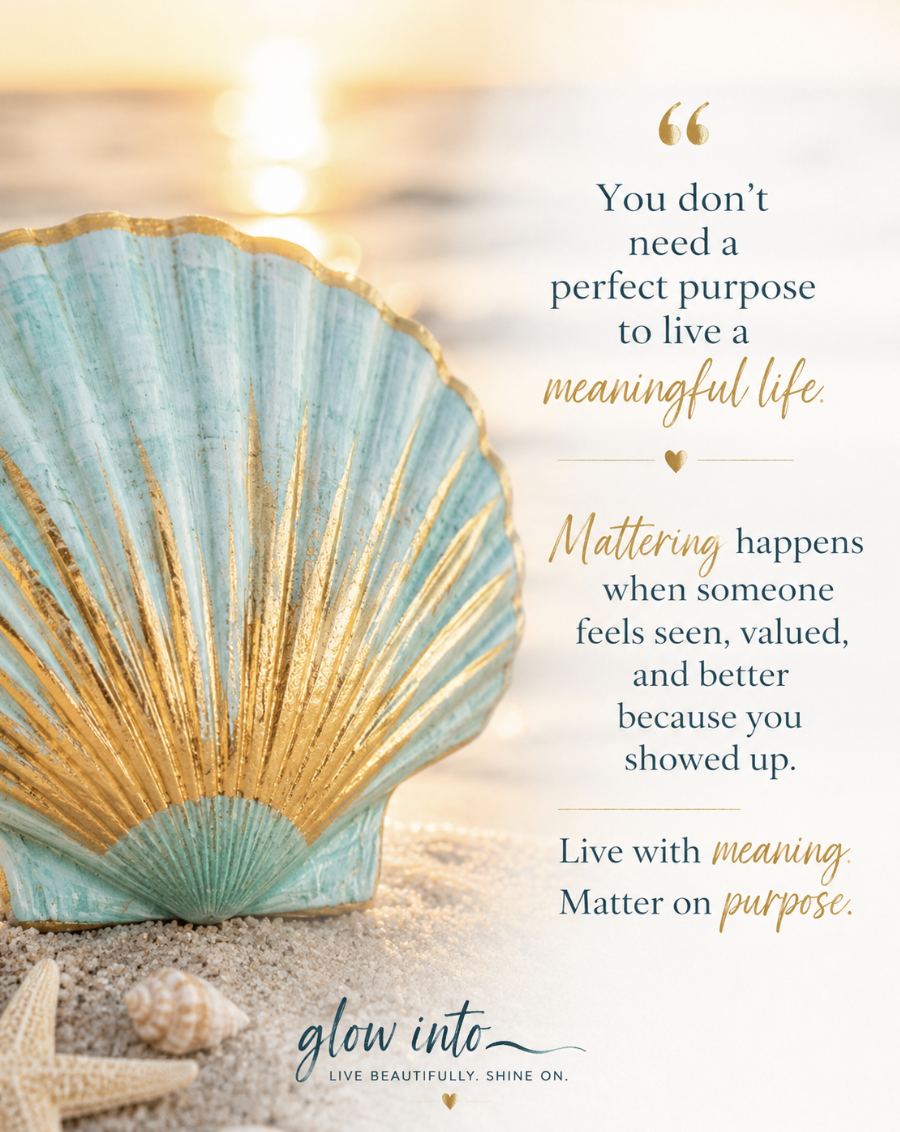
I have experienced that myself recently. There is something surprisingly meaningful about being a beginner again, making art, painting a shell, trying something new, and creating without needing it to be productive or impressive. At this stage of life, joy itself can be meaningful.
Perhaps a meaningful life is not built through one extraordinary contribution. Maybe it is created through hundreds of ordinary moments when another person feels seen, valued, encouraged, or loved because we were there.
Becoming Our Best—Now
Through my work with Heroic, I have spent a lot of time thinking about what it means to become the best version of ourselves. In midlife, I think that idea takes on a new meaning.
The best version of me at 57 does not need to look like the best version of me at 37.
The goal is not to go backward or to reclaim a younger version of ourselves. It is to become the best version of who we are now.
At this stage of life, strength may look more like mentoring than proving. Ambition may become contribution. Success may become significance. Wisdom becomes something we can share. Courage may mean beginning again when life changes unexpectedly.
Being our best also means being present in the moments that matter. A meaningful life is not created someday when everything finally settles down. It is created in the way we live today, in the conversations we have, the people we encourage, the choices we make, and the way we respond when life does not go according to plan.
From Success to Significance
There is a kind of success that comes from achievement, and there is another kind that comes from significance.
Achievement can often be measured. Significance is harder to see.
It lives in conversations we may forget but someone else remembers. It lives in the confidence we helped build in another person. It lives in our children, friendships, families, teams, and communities. It lives in the people who know they can call us and in those who feel more valued because of the way we treated them.
This may be where meaning and mattering come together.
We experience meaning when we know that our lives matter, and we help create meaning when we remind other people that their lives matter too.
We Are Still Becoming
Midlife is sometimes described primarily as a season of loss. There are losses, of course. We experience changes in our bodies, our families, our roles, and sometimes our sense of certainty about the future.
But there is also freedom.
There is wisdom, perspective, curiosity, creativity, and a growing understanding that we do not have to spend the second half of our lives proving our worth.
There are still people we have not met, friendships we have not formed, places we have not seen, things we have not created, lessons we have not learned, and people we have not yet had the opportunity to help.
We are still becoming.
Maybe becoming in midlife is less about continually adding more and more to our lives and more about becoming clearer about what belongs. We begin to recognize what deserves our time, what deserves our energy, and what we are finally ready to release.
What Shapes Us Now
Meaning in midlife may not come from discovering one grand purpose. It may come from paying closer attention to the life we already have.
It is found in the people we love, the wisdom we have earned, the ways we contribute, the things that make us feel alive, and the moments we might once have rushed past while trying to get to the next thing.
Perhaps this is the opportunity of the second half of life.
We can continue to grow without constantly needing to prove ourselves. We can achieve while also contributing. We can pursue goals while being present for the people we love. We can allow ourselves to be valued while finding new ways to add value.
And we can remember that meaning is not something reserved for a future chapter. It is being created now, in the way we live, love, contribute, connect, and show up for one another.
Perhaps that is what it means to Glow Into this next season of life.
Not to fade. Not to desperately hold on to who we used to be. Not even to become someone entirely new.
But to grow more fully into who we are now—wiser, deeper, more intentional, more present, and increasingly aware of what truly matters.
A meaningful life is not measured only by what we achieve. It is also found in how deeply we love, how fully we live, and how often the people whose lives touch ours know that they matter.