One Choice Doesn’t Define Your Health
It is easy to turn one choice into a verdict. You miss the workout, dinner does not go according to plan, work gets hectic, a child gets sick or vacation throws off the routine. Before long, the thought becomes familiar: I blew it. I’ll start again Monday.
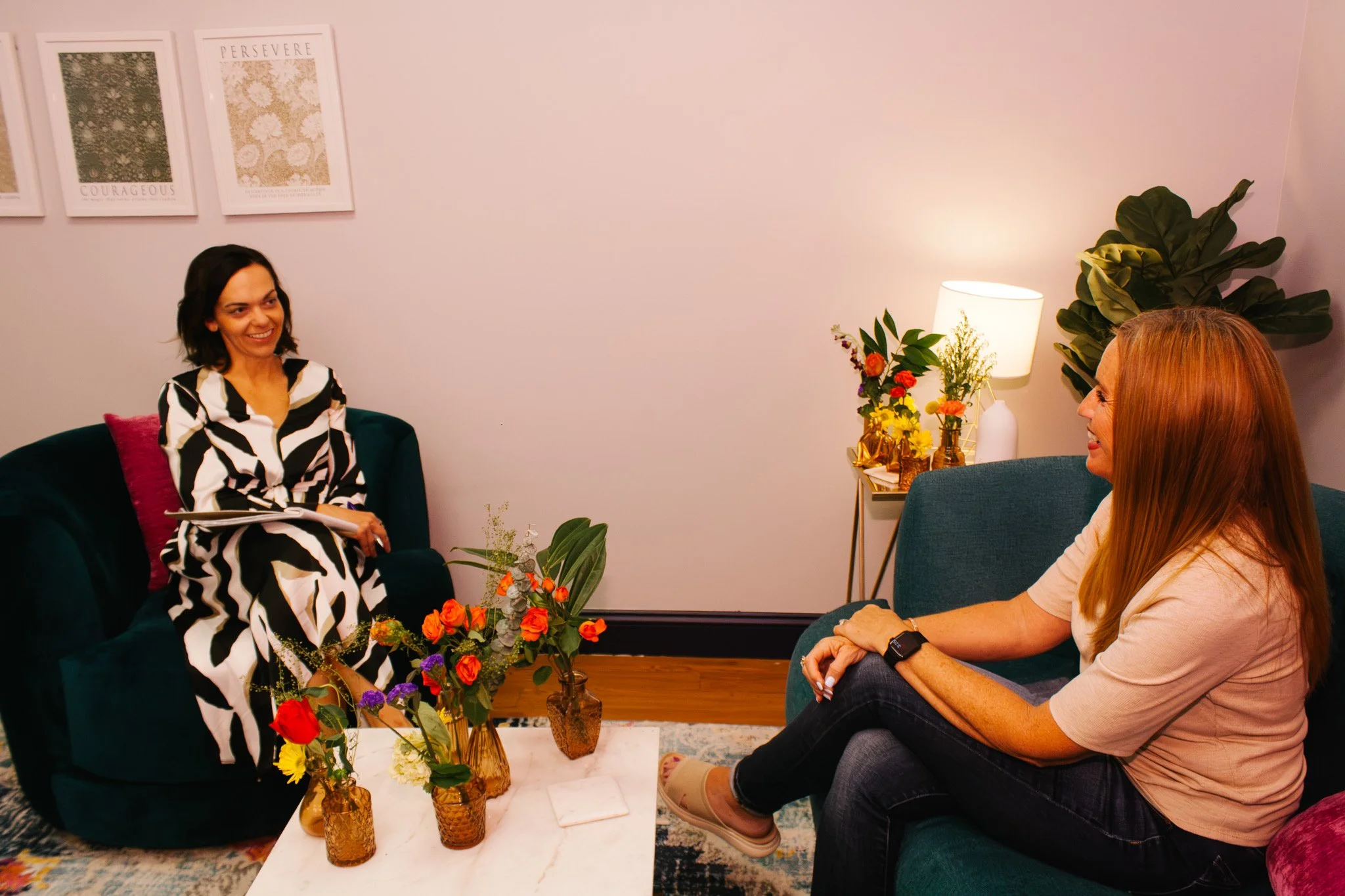
At Thriving Willow Whole Person Health, the conversation is less about creating a perfect routine and more about what happens when that routine gets interrupted. Instead of viewing a difficult day or disrupted week as evidence that the entire plan has failed, nurse coach Alison Tindall encourages clients to look at what happened, recognize what got in the way and decide what could make the next similar situation easier to navigate.
The goal is not perfection. It is learning how to keep going.
Build the Backup Plan
Health rarely unfolds in a straight line. There will be late meetings, vacations, stressful weeks, schedule changes and days when the original plan simply does not happen.
One question comes up repeatedly in the coaching process:
“When this happens again, what is your backup plan?”
That question changes the expectation. Instead of assuming everything will go according to plan, it accepts that life will eventually interfere.
If a healthy routine falls apart every time work gets busy, perhaps the plan needs another option. If exercise only happens when a full uninterrupted hour is available, what happens on the days that hour does not exist? If dinner becomes difficult every Wednesday because of an evening commitment, maybe Wednesday needs its own strategy.
A backup plan allows someone to stay connected to the larger goal without requiring every day to look the same.
Make the Plan Fit the Person
Much of the one-on-one coaching at Thriving Willow is structured around a 12-week process. The early weeks are spent identifying patterns and asking questions. The middle becomes a time for trying strategies and adjusting what does not fit. The final weeks focus heavily on sustainability.
“We don’t do quick fixes,” Alison says.
That means looking closely at the person expected to follow the plan. What does her workday look like? What responsibilities does she have at home? What keeps getting in the way? What can she realistically continue doing?
A strategy can look good on paper and still be wrong for the person trying to live it. If it requires an unrealistic amount of time, preparation or effort, eventually real life is likely to win.
The same is true when someone keeps trying to return to a routine that worked during another season of life.
“What worked before may not necessarily work now,” Alison says.
Schedules change. Responsibilities shift. Bodies and hormones can change. Needing a different strategy does not mean the old one failed. It may simply mean the plan needs to evolve along with the person.
Look for the Pattern
Food is one area where everyday patterns become easy to see. Two challenges that come up frequently are skipping meals and failing to plan ahead. When someone becomes hungry while also rushed and unprepared, convenience usually becomes the easiest option.
Instead of reducing that moment to a lack of willpower, the better question may be what happened before it. Was there nothing available? Was the day overscheduled? Is the same problem happening at the same time each week?
Understanding the pattern creates an opportunity to change the response rather than simply criticizing the person.
Sometimes the most useful information comes from the exact point where the plan breaks down.
Health Is Connected to the Rest of Life
Health also does not exist in isolation. A Wheel of Life assessment may be used to look beyond the obvious goal and consider how work, finances, relationships, sleep, nutrition and stress can overlap.
“I really feel like you can’t do one thing without looking at the other things,” Alison says.
Someone may initially seek help with weight or eating habits while also dealing with chronic stress, poor sleep or an exhausting work schedule. In those situations, another set of rules may not address what is actually making change difficult.
Sometimes the most useful question is not What should I be doing?
It is What is making it so difficult to do it?
Progress Includes Learning How to Recover
Progress is not only about whether every decision went according to plan. It can also be the ability to recognize when something is slipping and adjust sooner.
It can mean recovering from a difficult week without turning it into a difficult month. It can mean recognizing that a strategy is not sustainable and changing it instead of repeatedly forcing it. It can mean understanding the situations that tend to derail you and having another option ready when they appear.
A setback does not erase what you have already learned. You still carry forward the experience, the awareness and the knowledge of what works and what does not.
There is no requirement to return to square one.
You simply keep building from where you are.
Thriving Willow Coaching
Through Thriving Willow , Alison Tindall helps clients look beyond quick fixes and build sustainable approaches to health that fit their individual lives. Her coaching focuses on identifying patterns, asking deeper questions and creating realistic strategies that can flex when life changes.
Sometimes the most important health skill is not learning how to do everything perfectly.
It is learning how to continue when you don’t.
Alison Tindall, RN, BSN, MHA, NC-BC
Alison@thrivingwillowcoaching.com
Thriving Willow Whole Person Health
2016 Vadalabene Dr Lower Level, Maryville, IL 62062