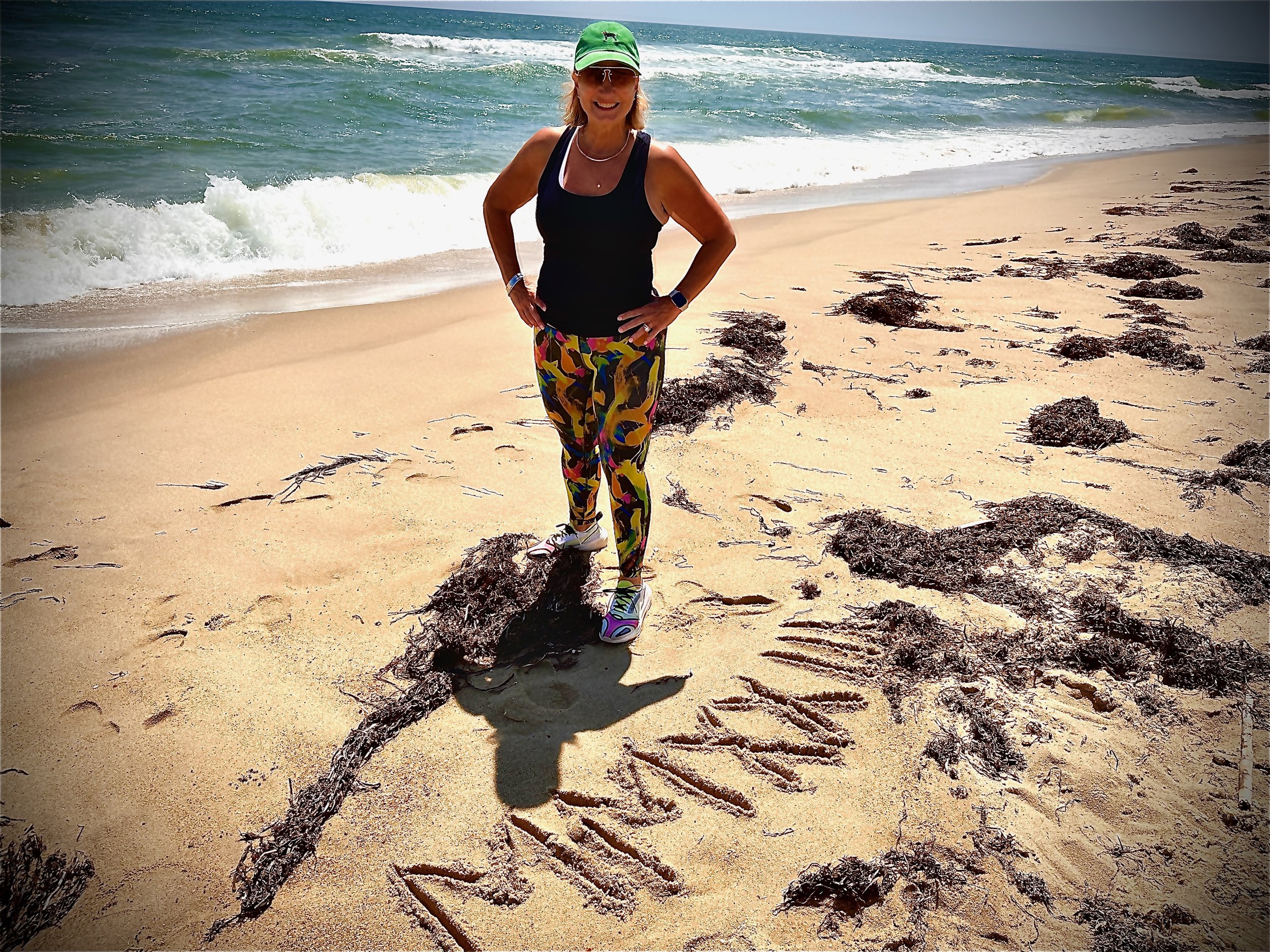
There was a moment during my conversation with Marianne Moore when the interview became something neither of us had expected.
She was telling me about culinary school, about finding a place where she felt at home, and about her father being a butcher. That last detail stirred a memory. Years earlier, my mother and I had attended a cooking class she taught. I remembered her storytelling, her mother being there, and a little detail about how she had found her strengths as a savory chef.
Then another connection fell into place. Before that class, I had helped Marianne and her mother at the bank where I worked. Her father had passed, and they were navigating the paperwork that follows a loss. Those practical tasks can feel overwhelming when life has already changed so much.
Marianne remembered, too. She remembered her mother's stress and the relief of someone helping make the process manageable.
We had been talking about listening, about paying attention, about the things people carry away from an interaction. Suddenly, we were remembering something we had carried away from each other.
“You never know who has heard you, who has listened to you,” she said.
It was a fitting moment in a conversation with a woman who believes the most meaningful part of a story often lives between the lines.
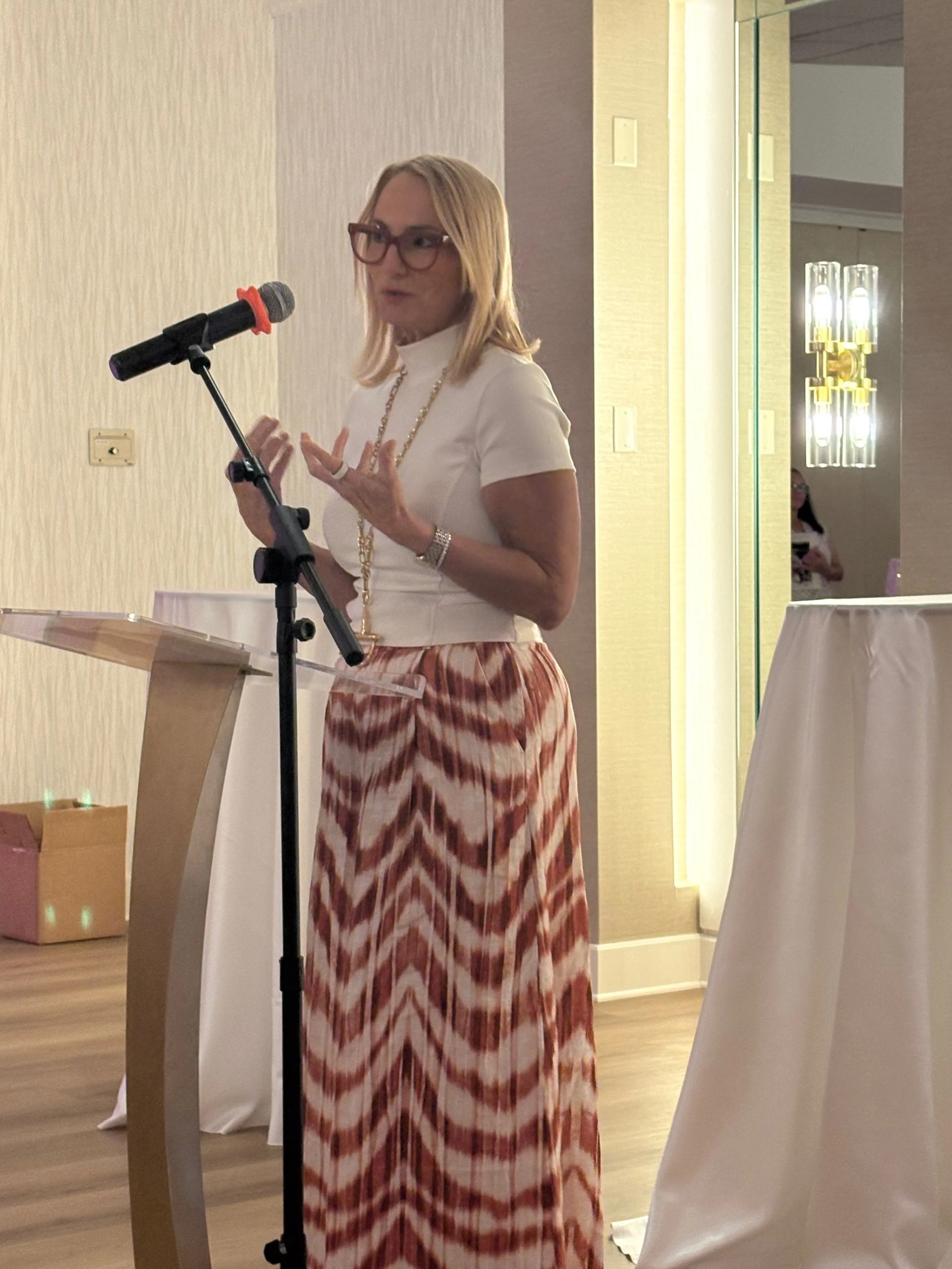
Still becoming at 63
Marianne is 63, and she is clear about one thing.
“I'm not done. Not even close to done.”
She has a career she is proud of, three children, a marriage of 24 years, and a creative life that keeps growing. She is the editor of Saint Louis Bride magazine, where she also writes stories and features, and she works on destination publications. She teaches yoga, develops workshops and retreats, and is learning watercolor. There are places she wants to travel, things she wants to understand, and ideas she still wants to follow.
But beneath all that activity is a change in how she understands herself.
When I asked what marked her transition into adulthood, she paused. Having her two oldest children at 18 and 19 might seem the obvious answer. Those years brought responsibility early. Yet responsibility and knowing who you are, she explained, can unfold on very different timelines.
Later in our conversation, she returned to the question. There are the familiar milestones: school, work, children, the expectations that tell us we have moved into adult life. Then there is autonomy—the ability to make decisions with a clearer understanding of ourselves.
“I finally feel like I'm coming into something,” she said.
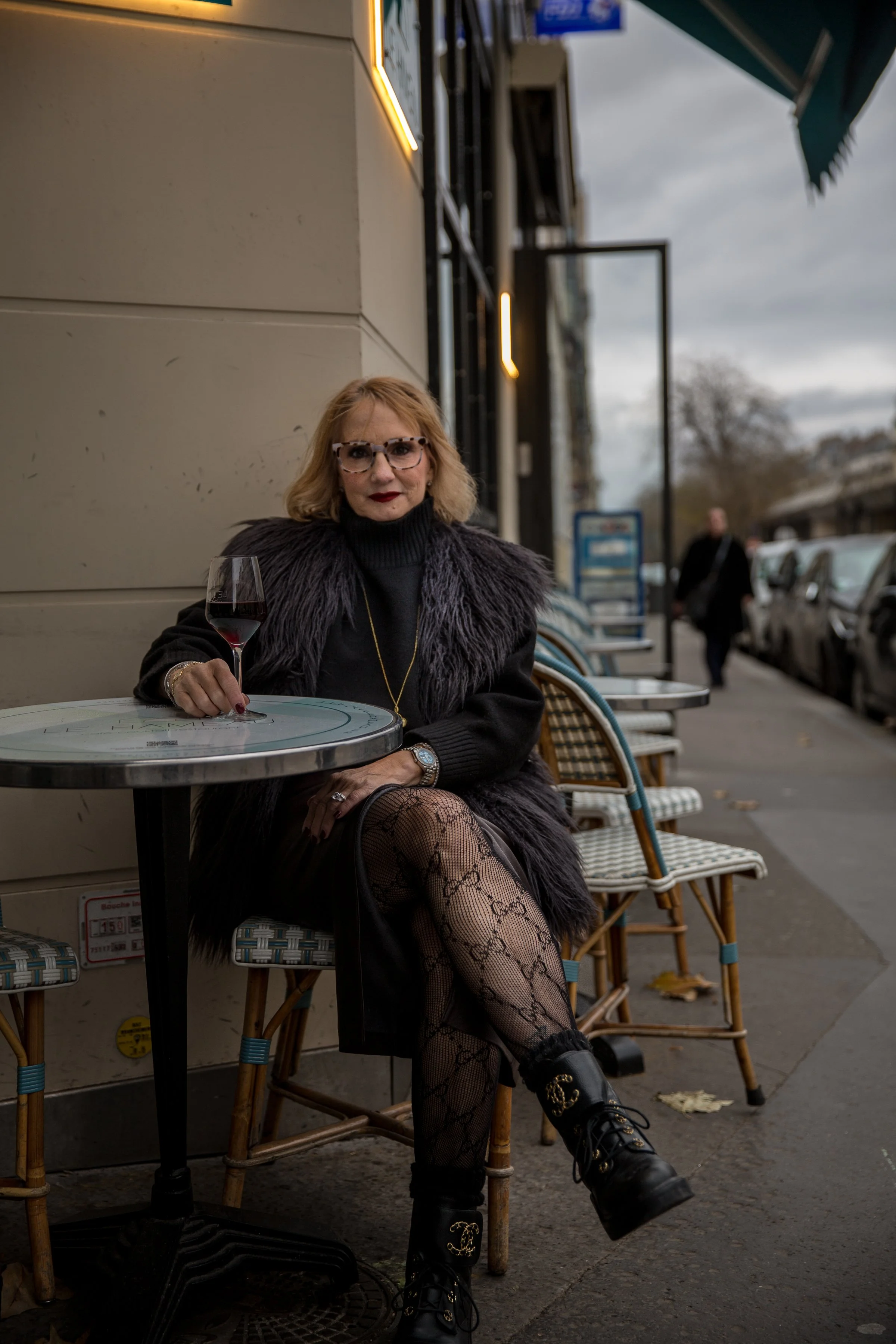
For Marianne, that feeling is happening now. She feels more aligned, more aware of what she will and will not tolerate, and less willing to spend her time on things that once seemed urgent but no longer deserve so much of her.
She can look back on the career she built and feel proud. She can also recognize how much time and energy went into building it.
“I don't need to prove anything else.”
There is room in that realization for a different kind of ambition: work she loves, experiences she wants, and a life she can inhabit more fully.

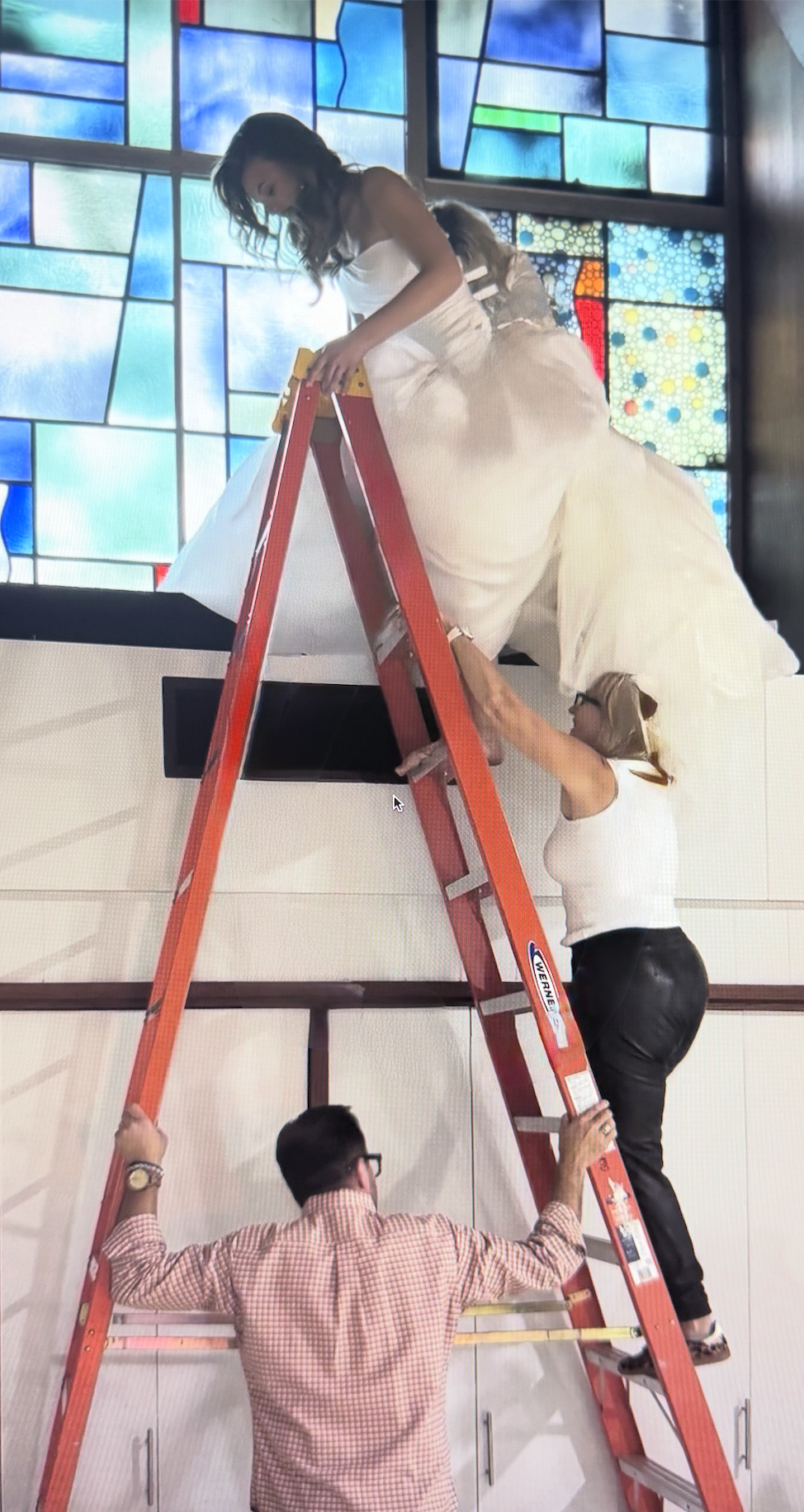
Finding a place she recognized
Marianne has always been curious. Her mother told her she was reading billboards at about two years old. Later, she was the child reading encyclopedias before bed, wanting information, wanting to learn.
Still, curiosity did not hand her a neatly organized plan.
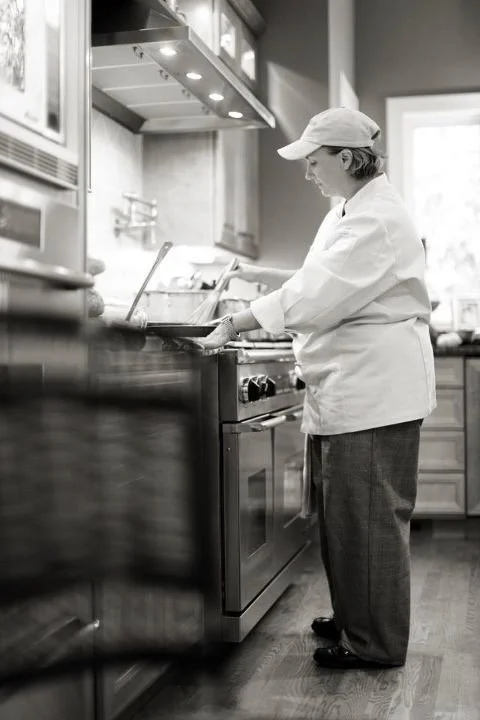
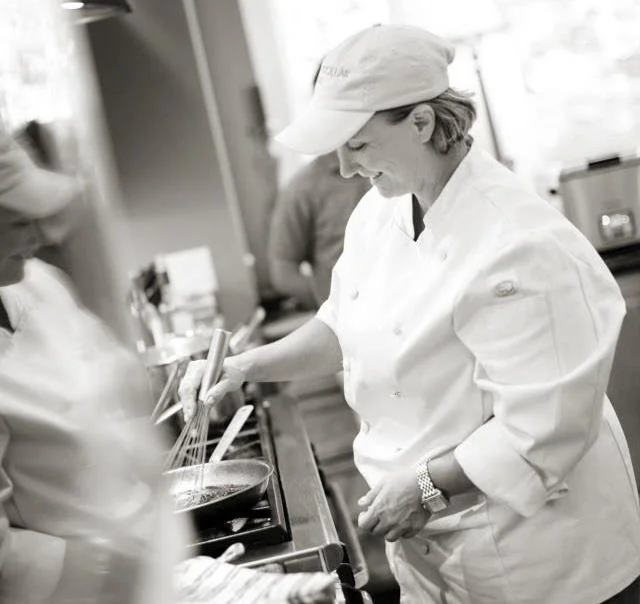
For years, she wondered what she wanted to be when she grew up. At 32, a friend suggested taking culinary classes. Marianne went on a whim, then found herself in a place that felt immediately familiar.
“I walked into culinary school, and it was like I was home.”
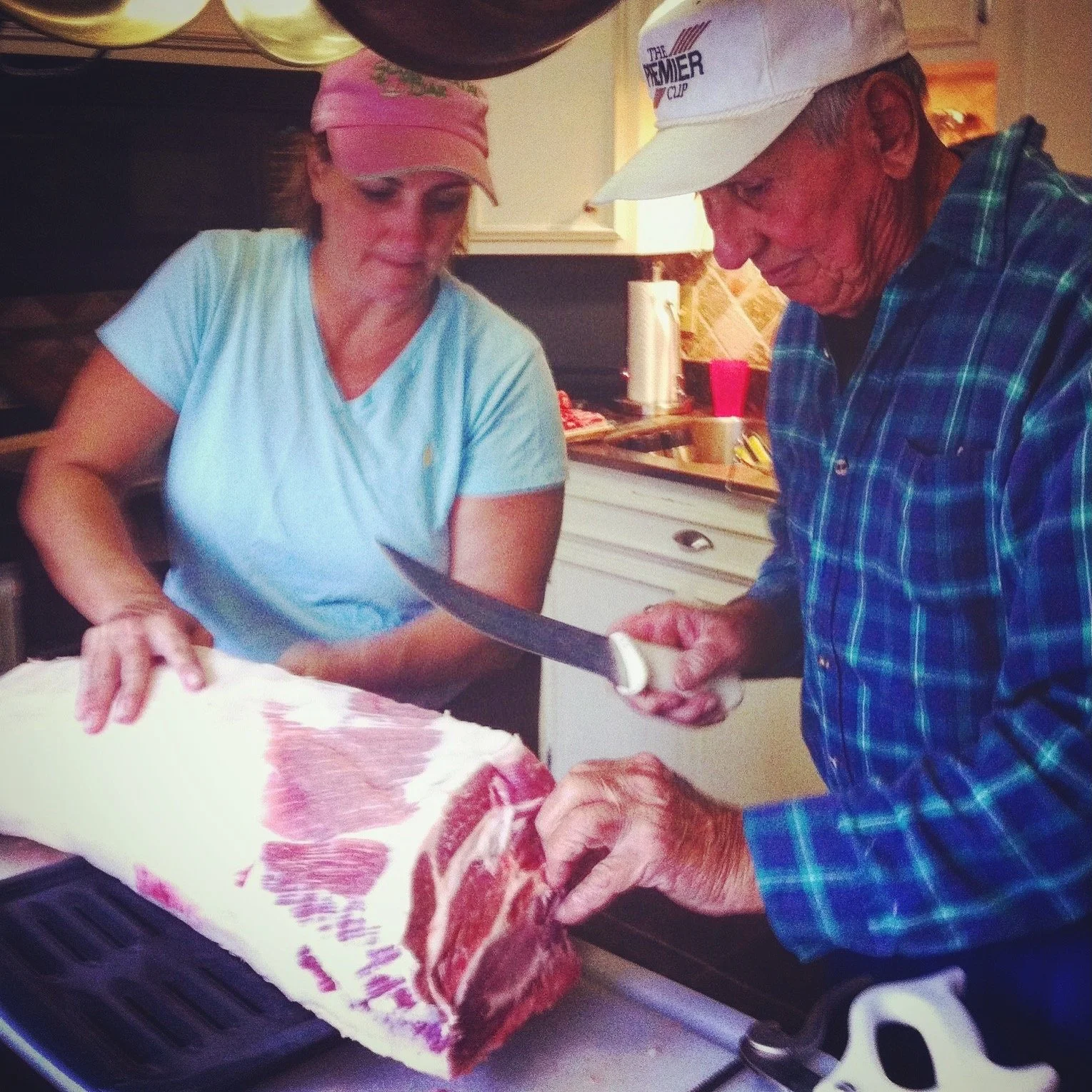
She came from a large Italian and Czechoslovakian family. Her father was a butcher. Her mother stayed home with the children. Her grandmother and great-aunts cooked, and food was woven into holidays, family, and gathering.
In culinary school, those early experiences met a new possibility. She went through the full program, supported by a mentor whose words stayed with her.
“There's a place for everyone in the kitchen.”
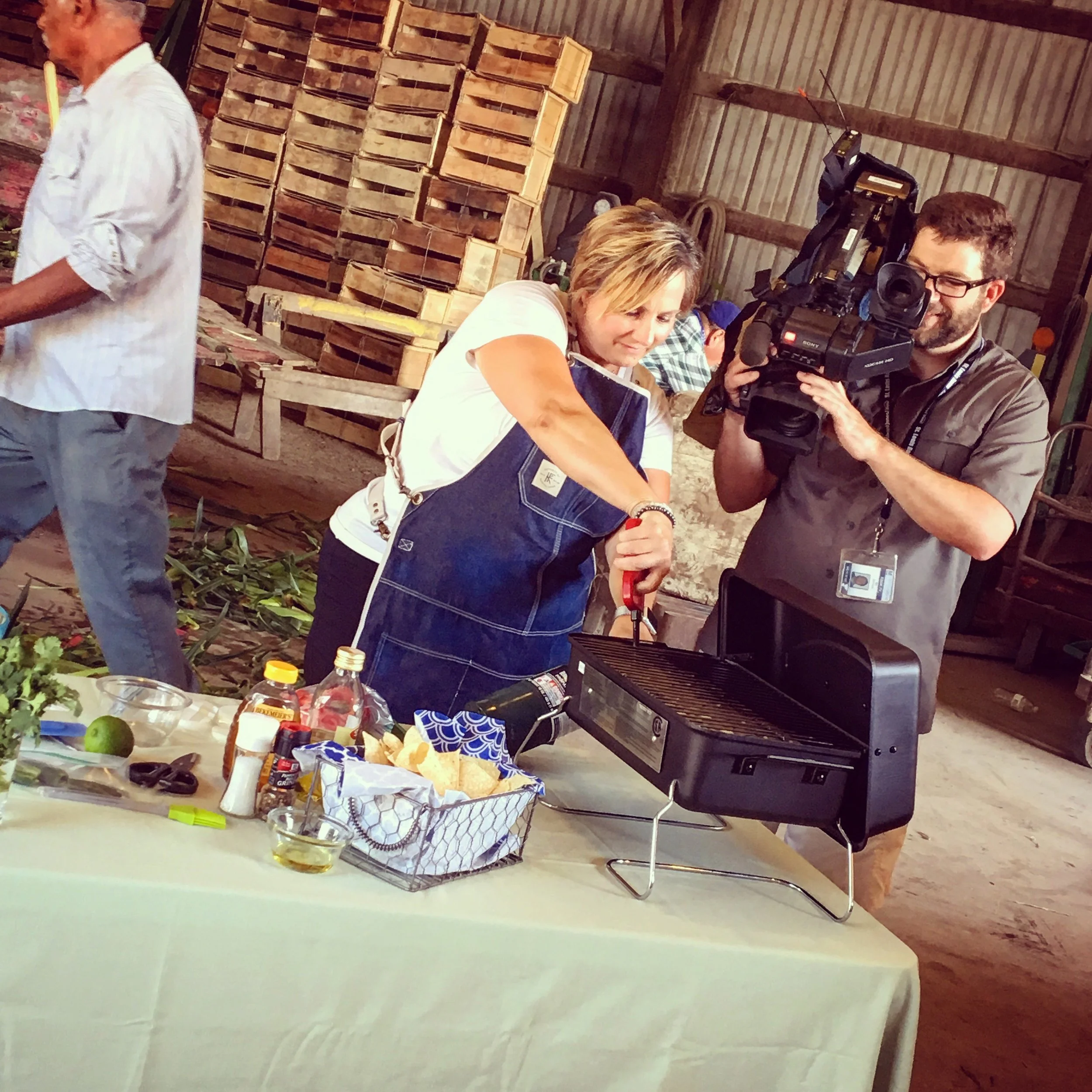
That sense of possibility would reach far beyond the kitchen. Her hospitality career expanded into events, sales, marketing, and leadership. She also wrote for Sauce magazine, developing recipes and telling stories about food and its history.
From the outside, a career with so many turns might seem difficult to explain. Marianne sees a common thread: hospitality, connection, and the chance to understand people.
She also sees lessons she could not have recognized at the time. Some positions gave her opportunities. Others brought difficult endings. Some introduced her to people whose significance would become clear years later.
Her path makes more sense to her when she looks at the whole of it.
Listening recently to Oprah's conversation with Simon Sinek about discovering your why, I kept thinking about the women I interview for GlowInto. What stayed with me was the value of looking back. As women tell me about their work, their relationships, and the turning points in their lives, I often begin to see the threads connecting those experiences.
For many women, a job made sense because it provided income, benefits, or time with their families. Understanding those circumstances matters. But looking at what we brought to that work, how we cared for people, and what continued to matter to us can offer clues to a deeper why. The experiences across a lifetime become part of how we understand our purpose, even when we could not see the connection while living them. We do not have to explain every experience or have our purpose fully figured out to recognize what matters to us now.
In Marianne's story, hospitality and connection keep appearing. They show up in the kitchen, in the questions she asked couples, in the stories she preserves, and in her attention to the people she teaches. The setting changes. Her desire to understand people and make room for them continues. Looking back gives her room to recognize that thread and choose where she wants to carry it next.
What happens between the boxes?
Marianne spent more than 25 years in hospitality sales, including work at the Ritz-Carlton and Four Seasons. She knew the training, the questions, the systems designed to move a client toward a decision.
She also knew what those systems could miss.
“What happens in between those boxes?” she asked. “What happens in the dot, dot, dot?”
A wedding inquiry could begin with a date, a guest count, and a budget. Marianne wanted to know about the people making those decisions. Tell her about your first date. Tell her how you met. Let the conversation reveal what matters to you.
She has brought that approach into presentations for wedding professionals, encouraging them to listen beyond the information they expect to collect.
“Everything starts with a story,” she said.
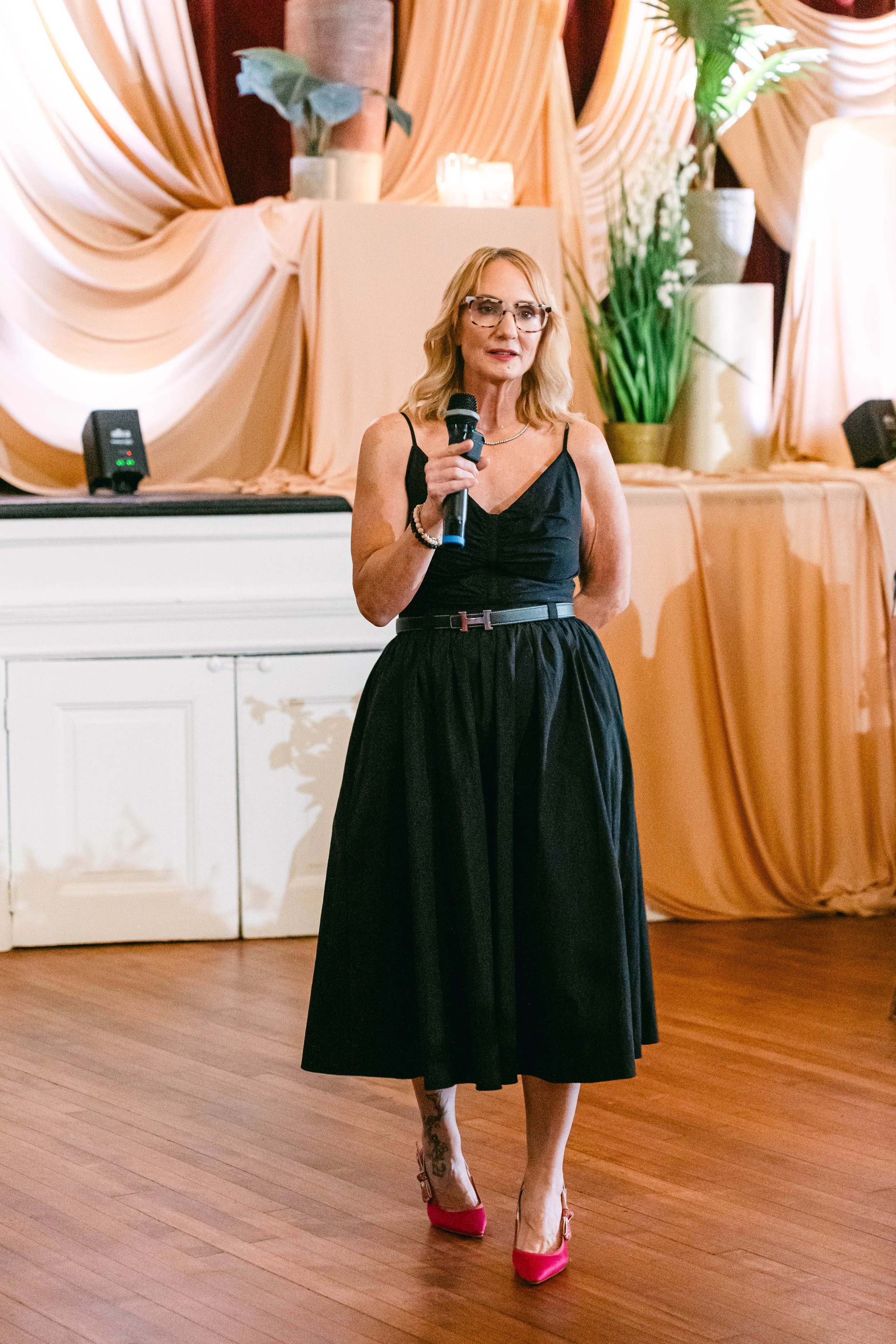
As editor of St. Louis Bride, she feels the responsibility of telling those stories. These are couples joining their lives and their families. Their photographs and words hold moments they may not fully appreciate until they stop to reflect on them.
One bride described how members of her family had married at their grandmother's home, a place they called “the big house.” That detail became a larger feature. For Marianne, the photographs of the couple and their grandmother in front of the house held something worth preserving.
“Those are the things that live on.”
Her commitment also extends to who gets to see themselves in the magazine. She wants any couple who picks it up to find themselves somewhere in its pages. Having witnessed family tensions and disapproval during her years in the wedding industry, she understands how much pressure can surround a celebration that belongs to two people.
“Weddings don't need trends,” she said.
They need meaning. They need room for a couple to celebrate in a way that feels like them.
That belief also guides her editorial work. In her article for Saint Louis Bride magazine, “Inside the Saint Louis Bride Fashion Editorial: Discover What Speaks to You”, Marianne encourages couples to let their own stories and priorities shape the celebration. The photographs aim to convey the feeling of the day, with room for movement and unscripted moments.
Her youngest son gave her an opportunity to live that belief. He and his partner went away, hiked to a spot they had chosen, changed their clothes, and married. Marianne and her husband received a photograph of them with their marriage certificate.
When people asked whether she was sad, she wondered why she would be. Her son had done exactly what she encouraged couples to do.
She had helped plan celebrations of vastly different sizes and budgets. She knew that, at the end of the day, one couple was no more married than another because of what they spent.
Trusting a transition
Her move into editing brought years of experience together in an unexpected way.
Marianne had been vice president of sales and marketing for a company with venues and off-premise catering when the owners decided to sell. She stayed on to consult during the transition, but another change was approaching.
An earlier position elimination had brought the familiar panic: What am I going to do?
This time, her response was different.
“I don't know. I'll figure it out.”
She had known her future publisher for nearly three decades. Through her hospitality work, she had advertised in St. Louis Bride, submitted to it, and contributed to it. The magazine had been part of her professional life long before she became its editor.
When news of the sale became public, he reached out. What was she going to do? Would she consider becoming the editor?
Months earlier, after learning the previous editor planned to retire, Marianne had quietly checked the parent company's website for a job posting. She had already begun wondering whether this could be her next step.
Now the invitation had arrived through a relationship built over years. They met the next day.
She saw the connection between what she had done and what she could do next. There had been uncertainty, but there was also experience she could trust.
The woman feeding everyone else
Another part of Marianne's life needed attention.
During her hospitality career, she sometimes worked 80 hours a week. Her longtime doctor warned her about the toll. She remembers him being direct: she could not keep living that way without consequences.
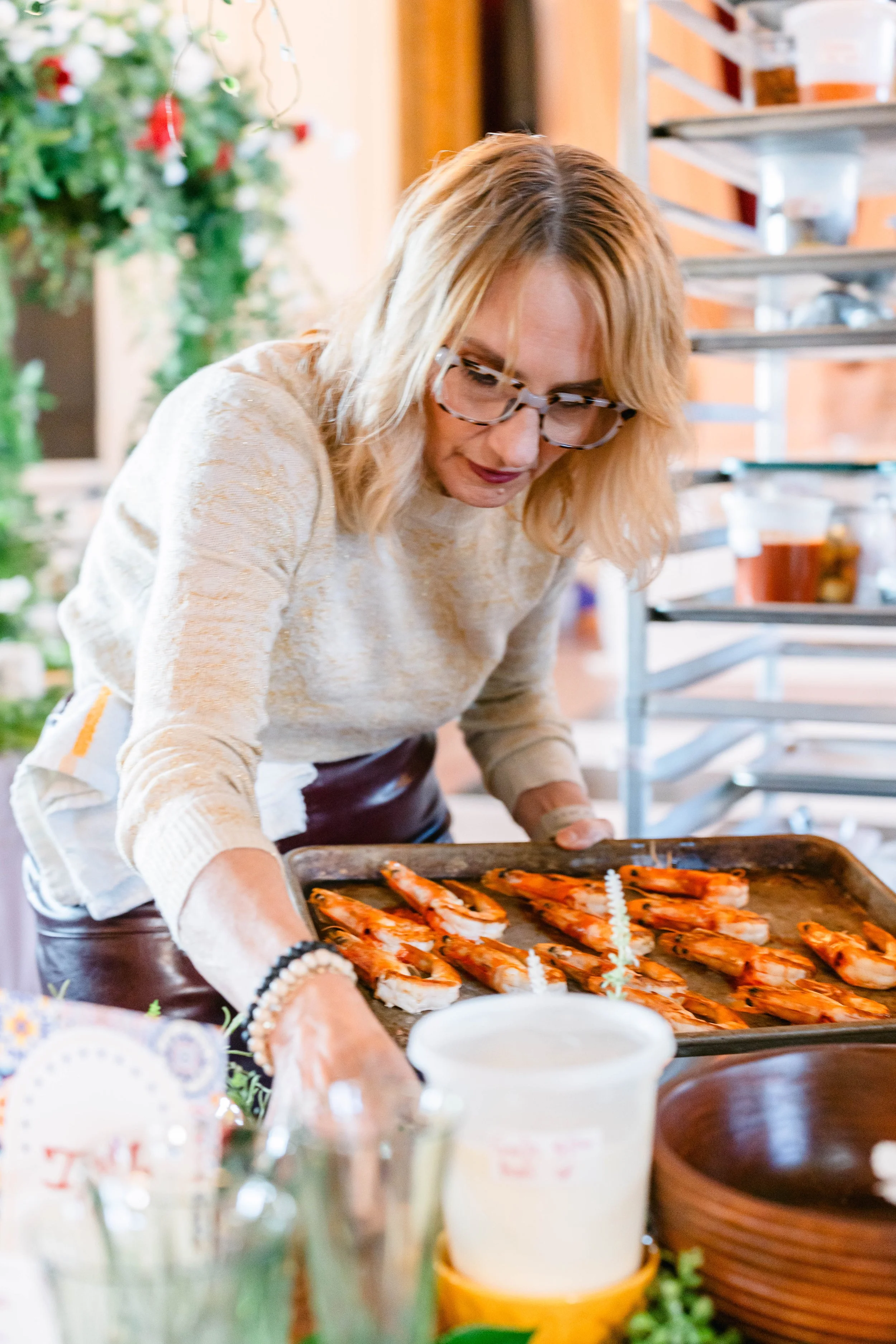
People might assume a chef would eat well. Marianne described a different reality. She was cooking for everyone else. For herself, there might be something eaten quickly in the back of the house, followed by a late-night stop for whatever food was available.
Eventually, concerning lab results and the prospect of blood-pressure and cholesterol medications made the question harder to postpone: Was this how she wanted to continue living?
She asked her doctor about the injectable medications she had been reading about. She was clear that she wanted to understand them and that she did not expect a prescription to fix everything.
She began treatment, worked with a dietitian, and met with a personal trainer three times a week. The dietitian became someone with whom she could explore her habits as well as her food choices.
Understanding the reasons behind those habits mattered to Marianne. She wanted to know why.
Over roughly three years, she lost 110 pounds. She is transparent about medication being part of that process, alongside nutrition support, movement, and regular medical follow-up. She described improvements in her lab results and a change in how she cared for herself.
“It was never about a size,” she said.
Her work had required her to anticipate other people's needs for years. Now she was giving sustained attention to her own health and to the life she wanted that health to support.
The questions her skills could not answer
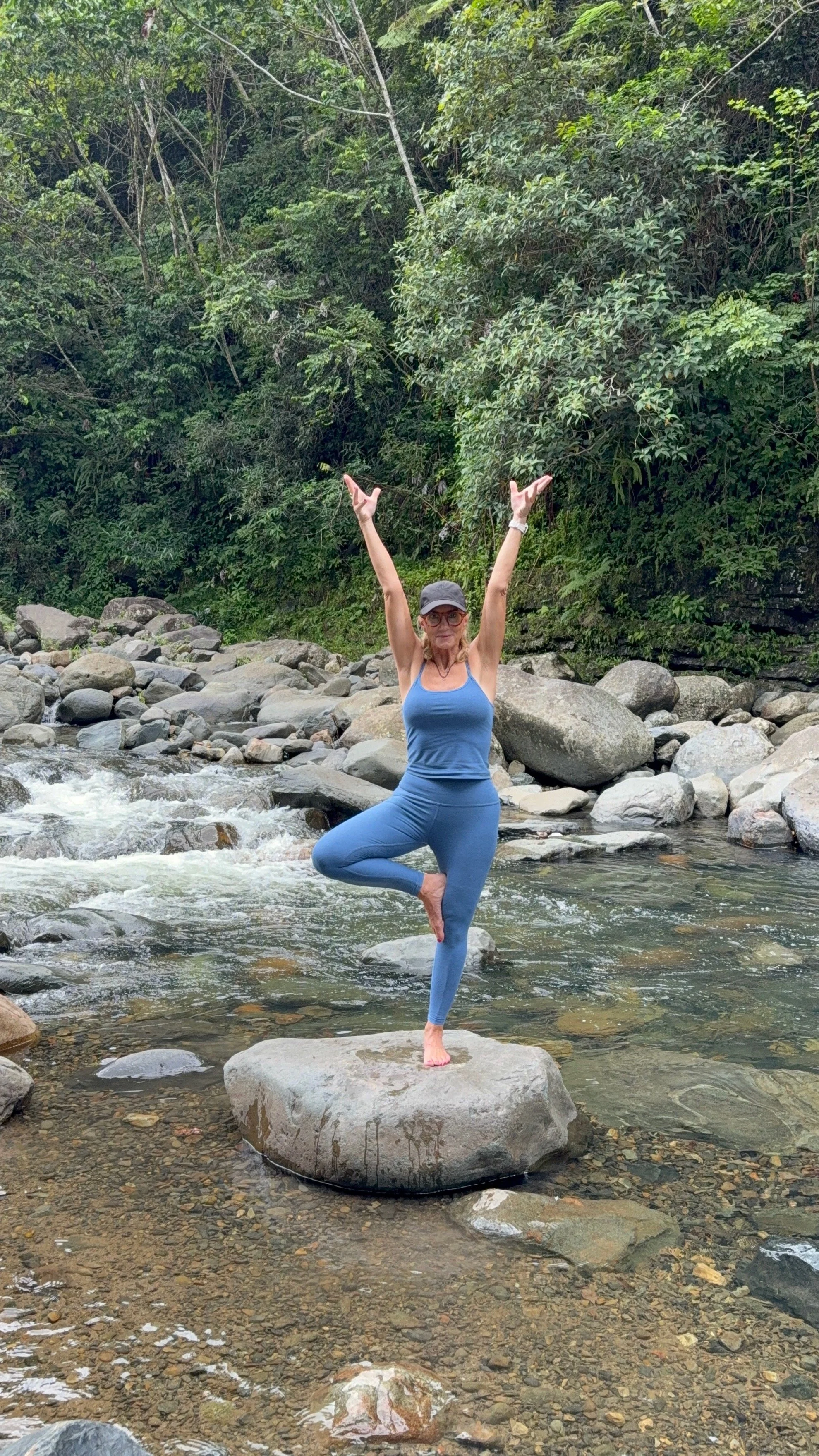
Yoga deepened that attention in ways she had not expected.
She had practiced before, and teacher training had long interested her. When she finally enrolled, she anticipated learning how to teach: developing another skill, becoming capable in another area.
She knew how to do that. She had built a career around competence.
What surprised her was how much the training asked her to look inward.
“It cracked open so much for me.”
She had to answer questions she had not needed to answer in the professional world. Being good at her work did not automatically give her those answers. The process asked for a different kind of attention, and she found it challenging.
That experience also connected to what she believed about leadership. A good leader pays attention to the individual, she explained—how that person works, what helps them thrive, and where they need support. Teaching yoga called on that same willingness to see beyond a set of skills.
She continues in advanced training, teaches, and writes for Moonbird Yoga through its blog, The Practice. Its exploration of beginning again resonates with someone who has done so many times.
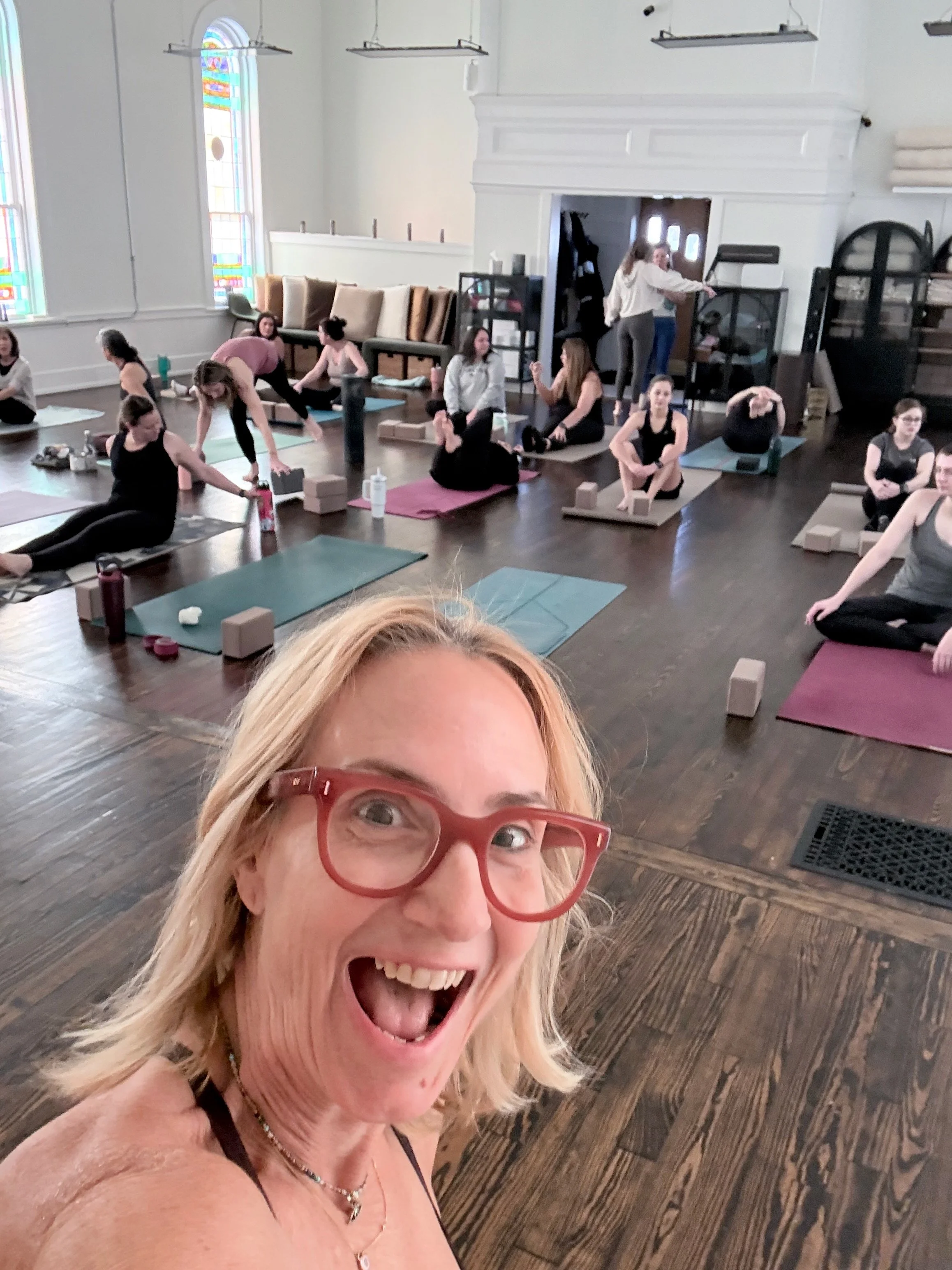
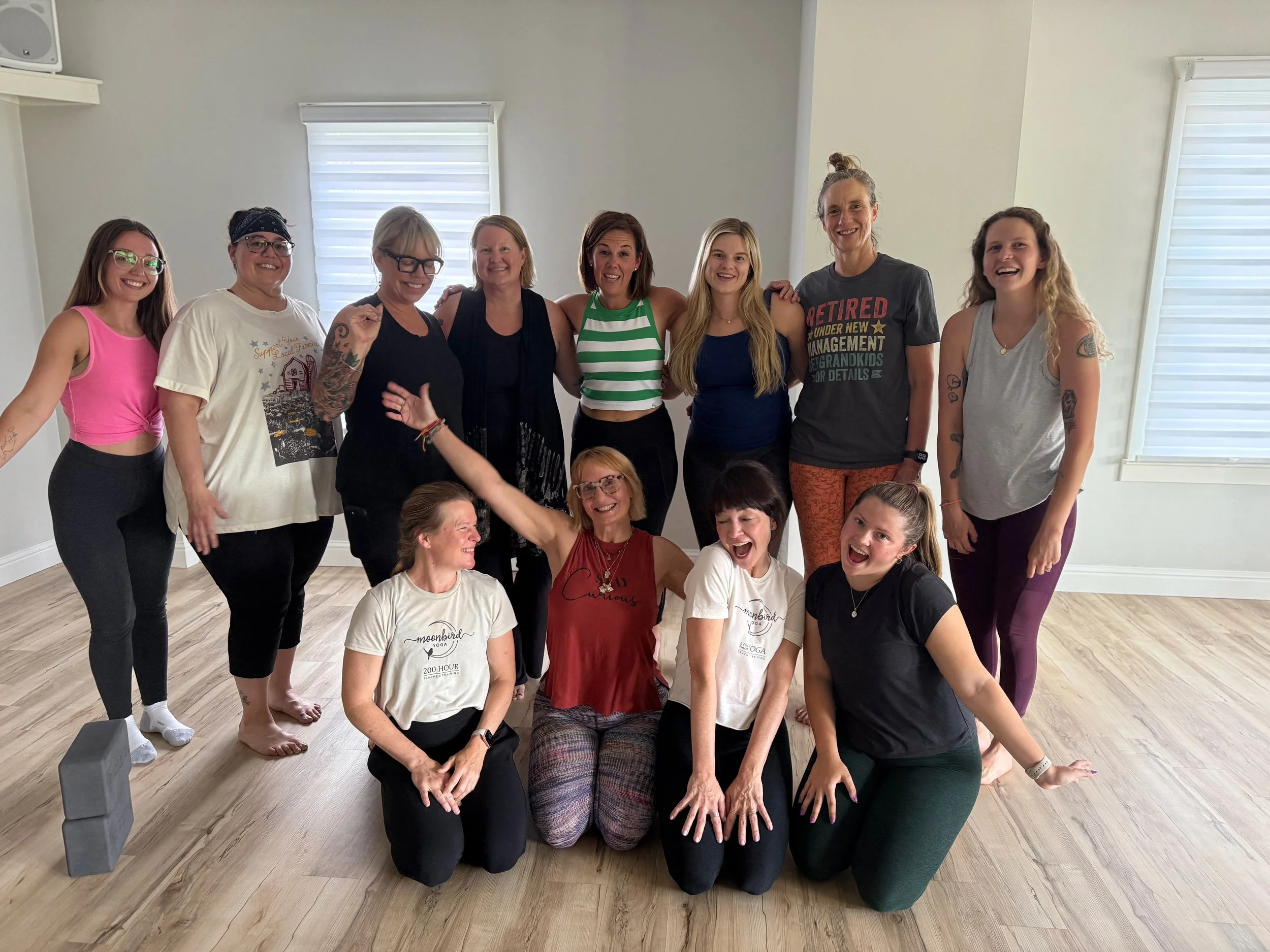
In her essay “Live Your Damn Life”, published on Moonbird Yoga's The Practice blog, she brings that reflection back to everyday living. Asking questions and understanding ourselves matter, she writes, but so does participating in the life in front of us. Enjoyment does not always need to produce a result or become another measure of success. It is a useful reminder for women searching for their why: there is room to keep asking meaningful questions and still enjoy an ordinary day.
“But while you're figuring all of that out, please don't miss your life,” she writes.
Through her own writing, workshops, and retreats, she also wants to help women find the threads in their lives. She knows how difficult those connections can be to see while you are still living them.

No Regrets
Marianne and her husband have returned to the British Virgin Islands for about 23 years. Their boat is a second home, a place they travel back and forth to as their schedules allow.
When they were considering what that next part of life might look like, a boat listing caught her attention. Then she saw its name.
No Regrets.
It felt right.
Marianne is candid about having made mistakes. She has done things she would handle differently now. But she wants the wisdom those experiences can offer, rather than a life spent circling the same wish to undo them.
Looking back, she can see what some of the hardest moments taught her. She can also better understand why certain relationships remained and others ended.
When asked what she would tell her younger self—the young mother who could not yet know the shape of this life—she spoke about the expectation that we should have everything figured out.
There would be twists and turns, she would tell her. Steps forward and steps back. Those changes would become places where she learned and grew.
“Look at that journey as the gift.”
There are still places Marianne wants to visit. She writes about them in her journal. There are still things she wants to make, and questions she wants to follow. She has a career she loves and creative work that belongs to her.
At 63, she is making room for all of it with a clearer sense of herself.
Our unexpected reunion stayed with me after the interview. Years earlier, I had helped her family through a practical part of grief. Later, my mother and I had listened to her tell stories in a cooking class. We had each remembered something the other could not have known would matter.
Marianne has spent years looking for those details in other people's lives. In our conversation, we found one in our own.
It was a small reminder of what she keeps returning to: pay attention. Listen. There is more to a person than the information you first set out to gather.
And there is more of Marianne's story still to come.
Read more of Marianne's personal writing in her Substack publication, by Marianne Moore including her essay “The Thread Remains”, about revisiting old journals and recognizing the connections across different seasons of her life.