Carla Bouc: When Work Turns Into a Calling
Age 50-Belleville, IL
✨Meeting Carla
I met Carla when I was 18 years old, sitting in a public speaking class at Southwestern Illinois College.
I took the seat behind her and immediately noticed what she was wearing—a skirt made entirely out of men’s ties. It was bold, creative, and completely unlike anything I had seen before. That was my first impression of Carla.
It didn’t take long to notice the rest of her—her warmth, her generosity, and her ability to make people feel comfortable almost instantly. We bonded quickly, and somewhere in those early conversations, she introduced me to thrift shopping, something I love to this day.
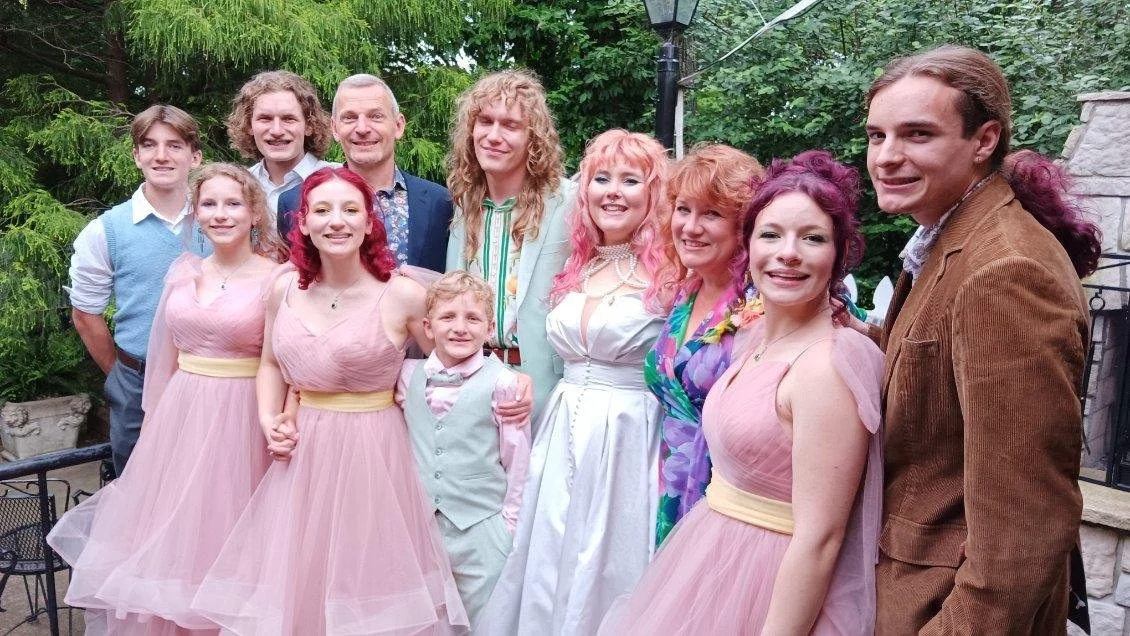
Years later, I can still see that same creativity and individuality reflected in her children—the way they dress, the way they carry themselves, and the way they think for themselves. It’s one of those subtle through-lines that tells you exactly who shaped them.
But what I didn’t fully understand at 18 was just how much life Carla would go on to build.
Some women can point to one moment when everything changed. For Carla, life seems to have unfolded in seasons—each one asking more of her, shaping her more deeply, and revealing something new about who she was becoming.
The Life Carla Built, One Season at a Time
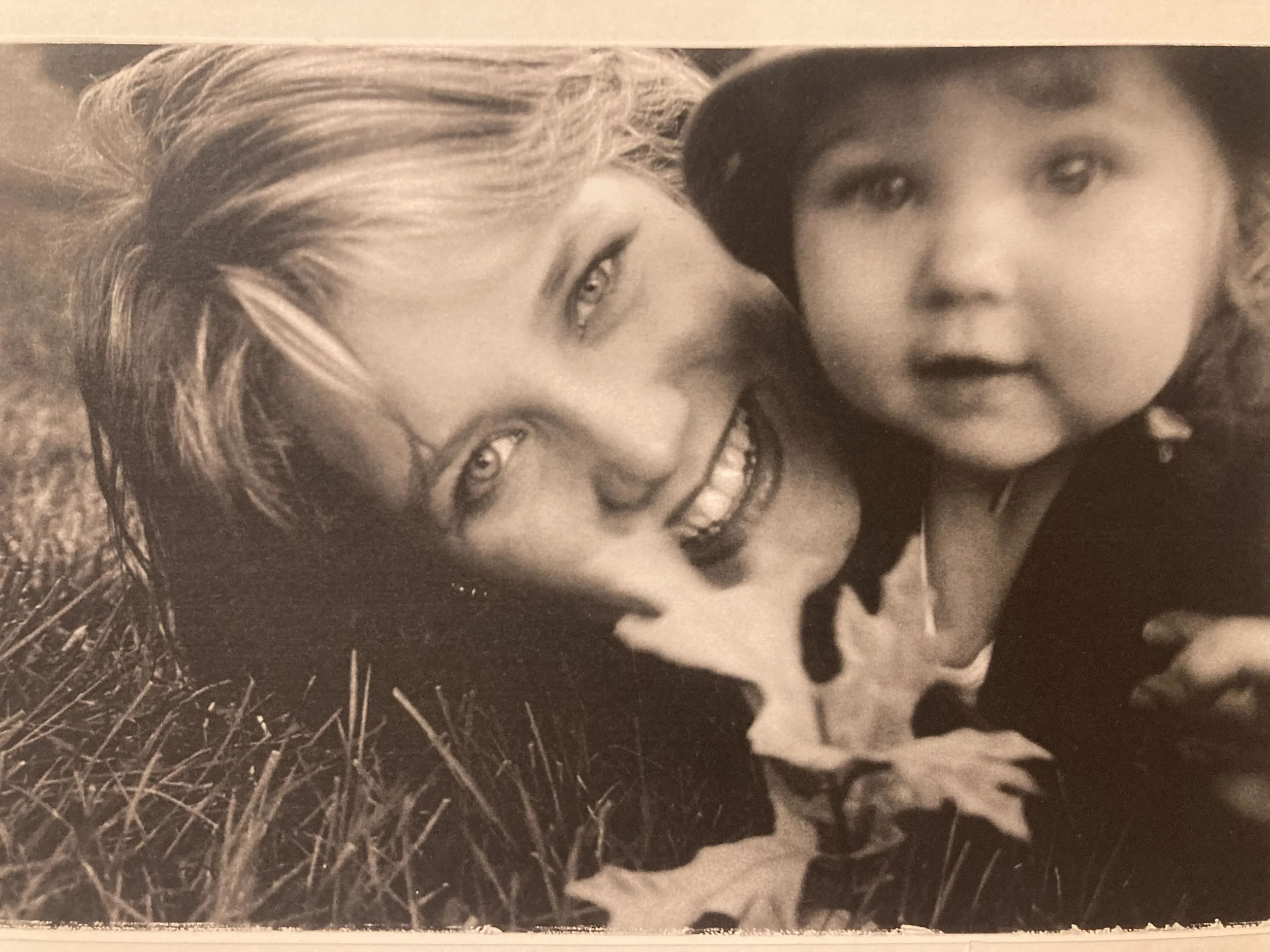
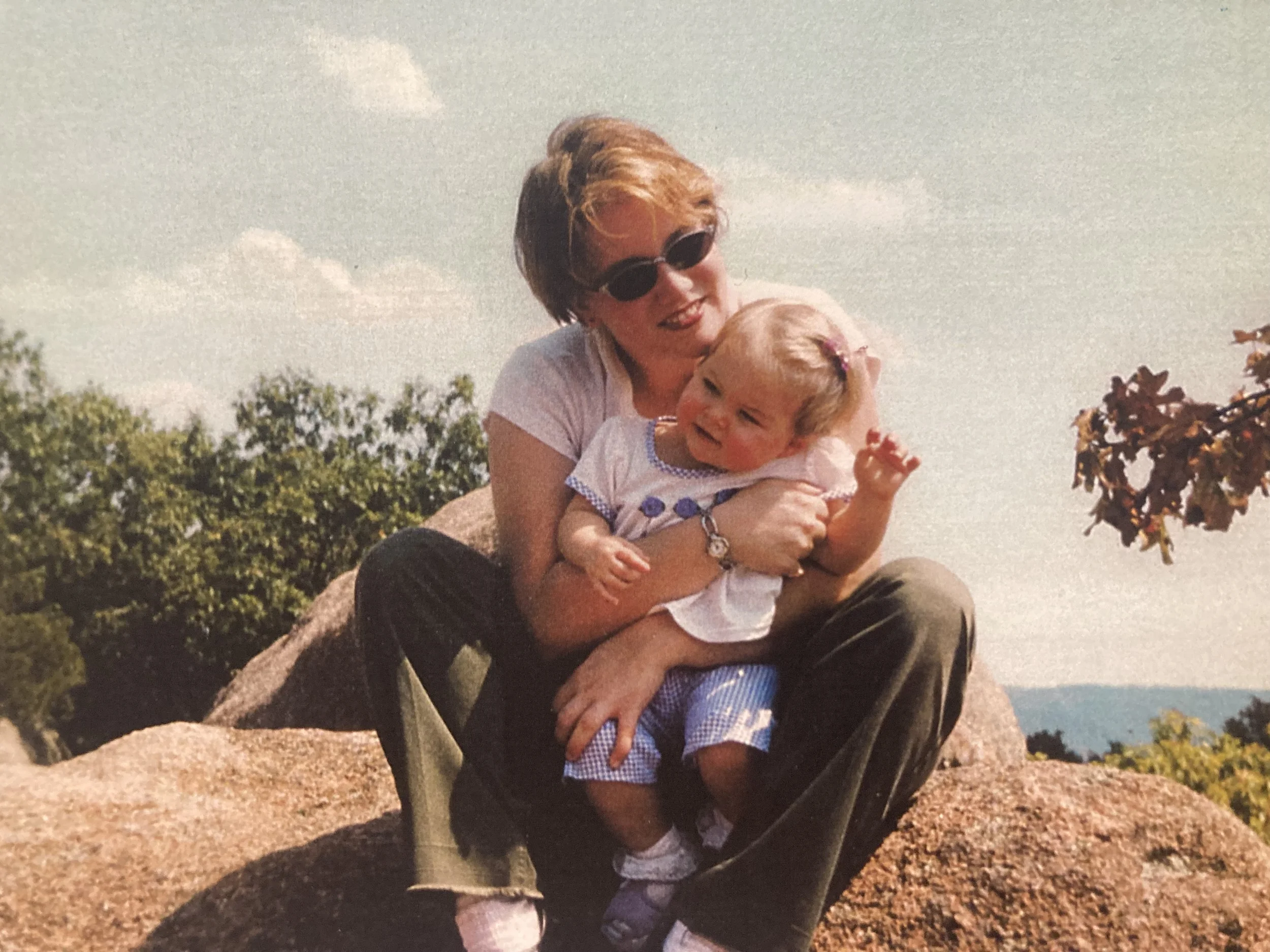
At 22, she became a mother. to daughter Emylia. Shortly after giving birth and recovering at her family’s home, Carla’s mother told her that it was time for her to leave and begin her life in her own home.
That first night alone in her new home, caring for a newborn, was one she still remembers vividly. The exhaustion, the uncertainty, the constant rhythm of a baby needing her—it forced Carla into a level of responsibility that many ease into over time.
But looking back now, she sees it differently. What once felt strict now feels intentional. Her mother wasn’t stepping away—she was stepping back just enough to allow Carla to become strong.
And strong she became.
Now at 50, Carla reflects on that season not with resentment, but with clarity. It shaped how she raised her own family, how she approached challenges, and how she defined resilience. Interestingly, as an only child, Carla went on to build a large, vibrant family of her own—raising seven children.
What makes Carla’s story so compelling is not that it was easy. It is that she kept growing inside of it. Motherhood did not stop her life. It became part of the framework that helped define it.

✨Becoming a Mother Before She Had It All Figured Out
When she had her daughter, Emylia, she had recently finished college, was working at the Ritz-Carlton, and was stepping into adulthood in a way that was far more immediate than she had imagined.
There was no perfect setup, no carefully arranged timeline, no illusion that everything had fallen neatly into place. But there was certainty in one area: she wanted to be a mother.
That first chapter required her to grow up quickly. She was learning a new role while still becoming herself. She bought a house, brought home a newborn, and began building a life that was suddenly no longer just about her. It was about the two of them.
She remembers those early days as overwhelming, emotional, and intense—but also deeply natural. The bond with her first child was immediate, and the role of motherhood settled into her faster than she expected.
For a while, it was just the two of them. In many ways, that season became the foundation for everything that followed.
✨When Work Turns Into a Calling
About a year after Emylia was born, Carla received a phone call that would quietly redirect her life.
A friend from SIUE reached out and introduced her to early intervention work—home-based support for babies and toddlers with developmental delays, medical diagnoses, and other early challenges. What began as an opportunity quickly became something more lasting.
For the next two decades, Carla worked as a developmental therapist, helping families with very young children navigate some of the most vulnerable and uncertain seasons of parenting.
She often describes it simply: special education for babies and toddlers.
But the work was always more than that. It meant entering homes, building trust, and helping families support a child who might not be walking, talking, or developing on the same timeline as their peers. It meant seeing the whole family system, not just the child.
“My career began, my life’s passion, my vocation began at that point, even though I didn’t know that.”
Even before she added counseling to her credentials, the emotional side of the work was already there. Carla was never just interested in milestones and progress charts. She was interested in people—their stress, their grief, their resilience, and their ability to grow.
That would matter later.
✨Meeting John and Building a Family
Not long after becoming established in life as a young mother, Carla met John.
At the urging of her mother, she reluctantly tried online dating when it still felt unfamiliar and slightly absurd. She was not especially eager to start dating again. Her world was small, full, and centered on work and her daughter. But one response stood out.
When she set up her profile, she chose a 150-mile radius.
It seemed arbitrary, but it wasn’t.
Had she chosen 100 miles, she would have never met John.
She sent out six emails. In each one, she made it clear: she was a single mother. If that was a problem, don’t respond.
Only one man did.
John.
Their first date was simple—dessert in Litchfield. Carla made sure her family knew exactly where she was going and who she was meeting. They even joked about the risks of blind dates.
But from the moment she met him, something felt different.
Carla still remembers driving home afterward and calling her mother with complete certainty.
“I met the man I’m going to marry.”
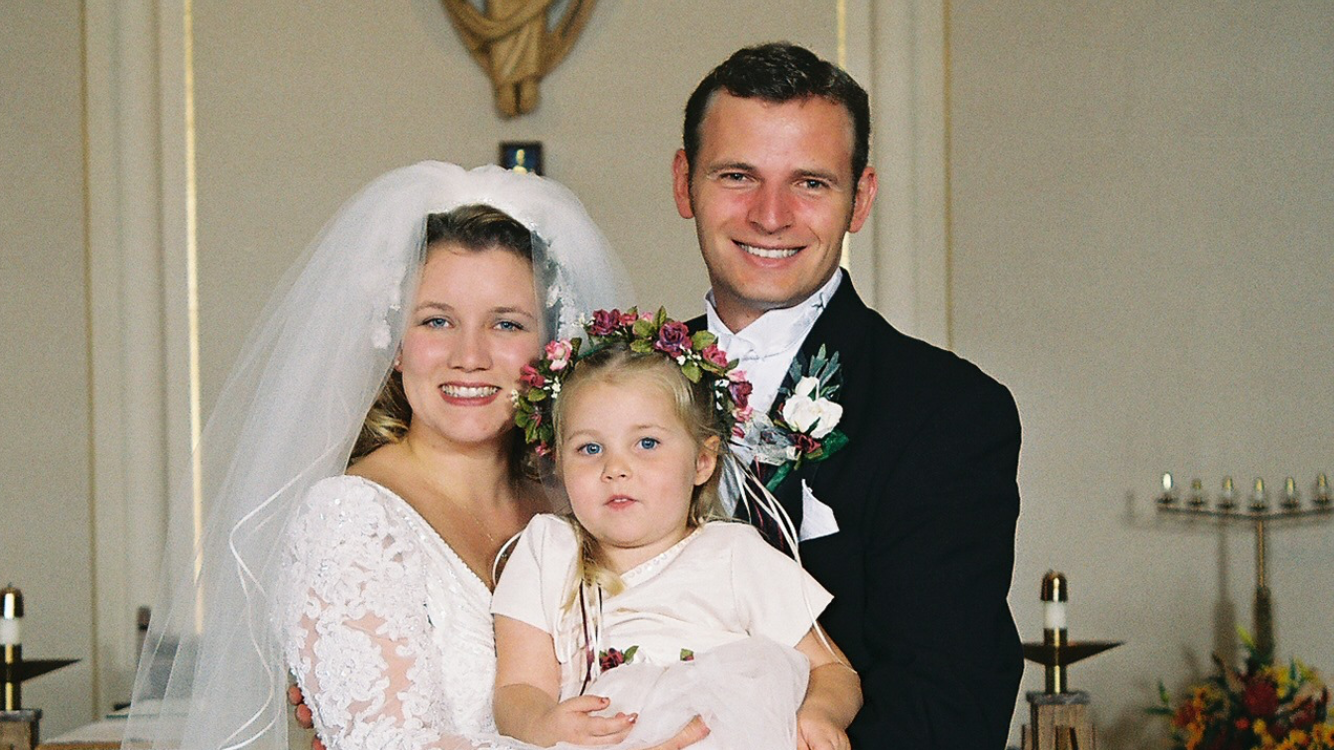
Two years later, they were married. After a long honeymoon in Europe, they came home and found out Carla was pregnant with their first child.
During her pregnancy with their first child together, John adopted Emylia—something that speaks not just to commitment, but to the kind of man he is.
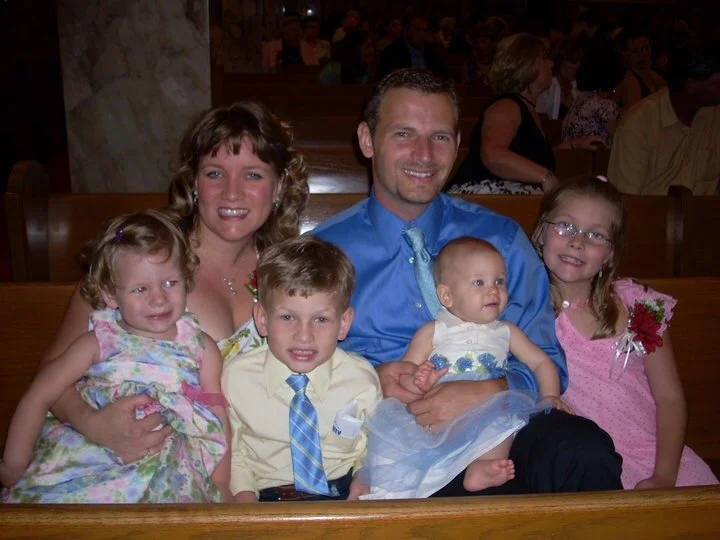
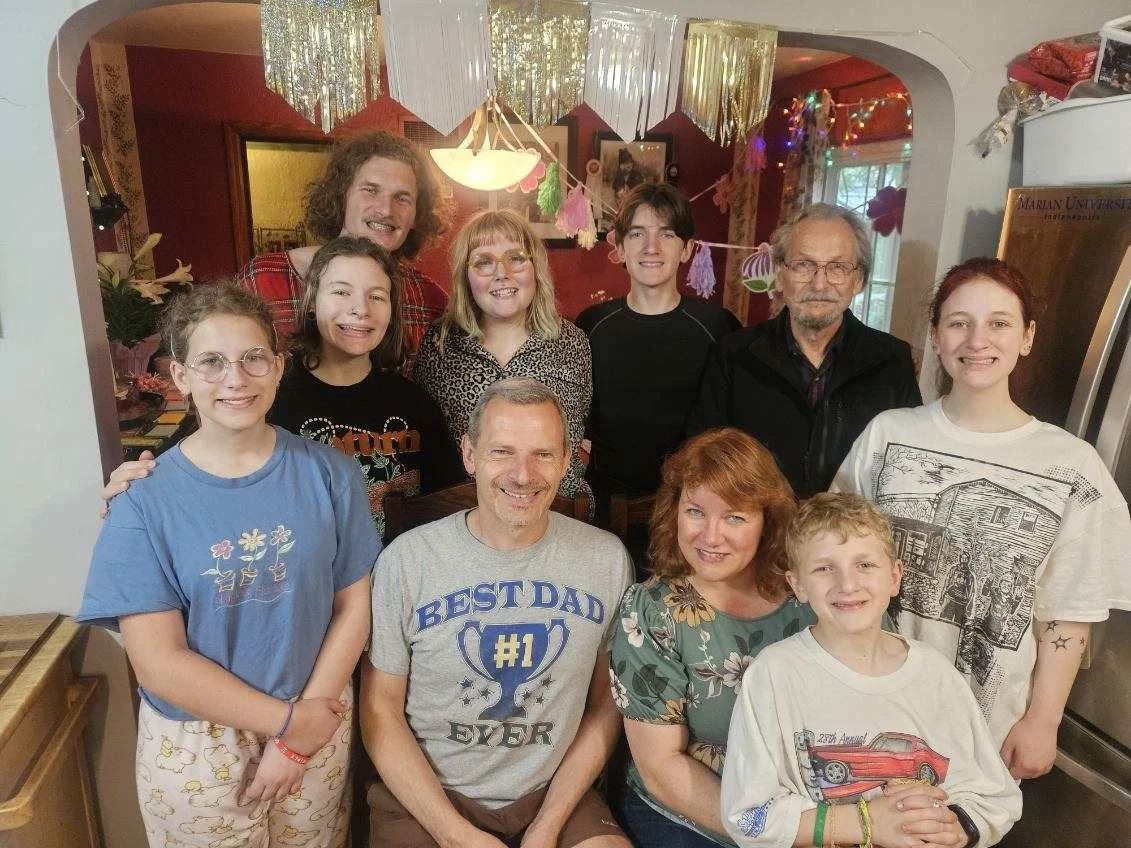
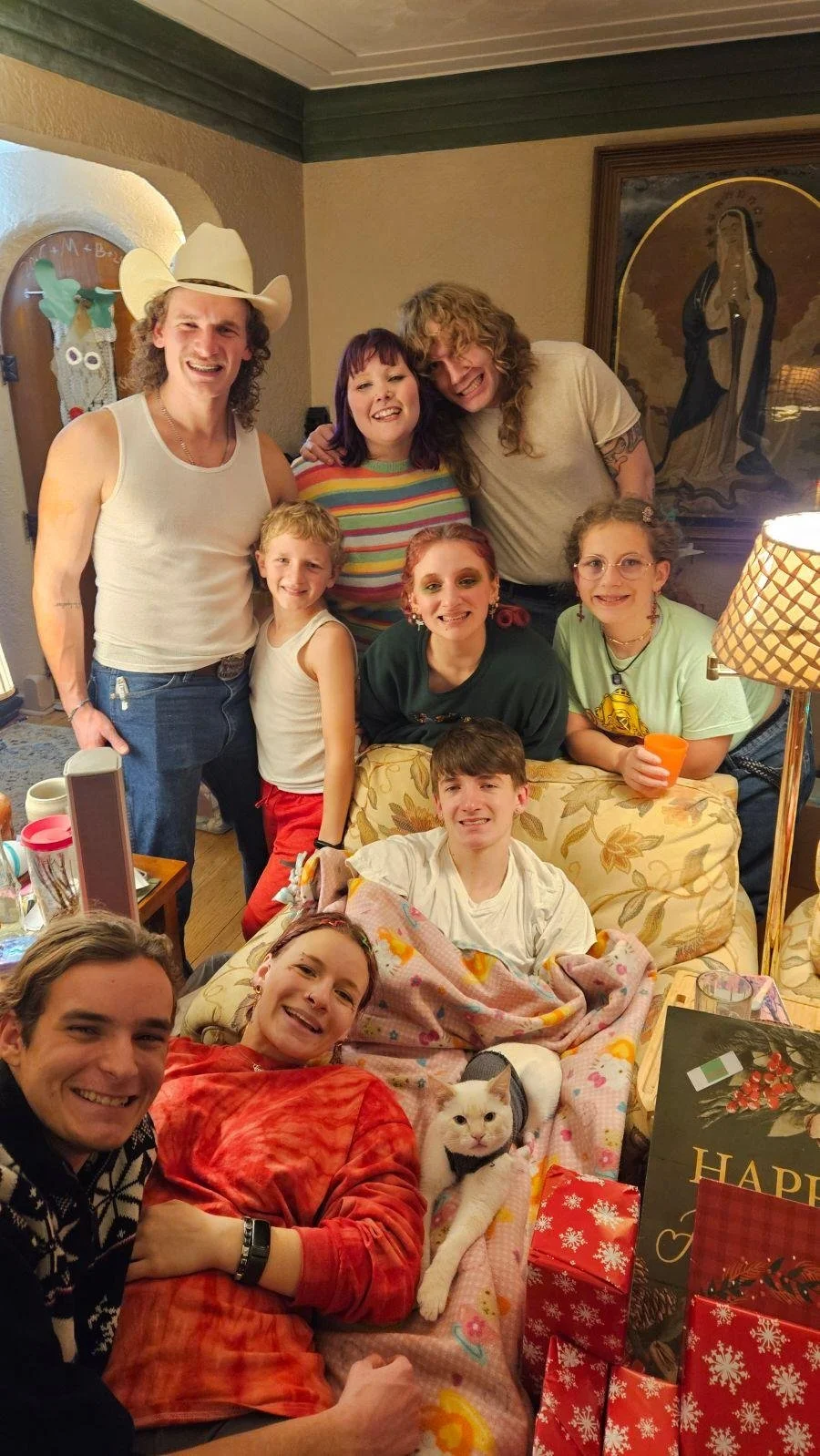
Together they built a family that eventually grew to seven children. Their life became full in every sense of the word—pregnancies, babies, routines, work, school, logistics, family meals, and the constant motion of a busy household.
But Carla does not describe those years as chaotic in a way that erased her. She describes them as defining. For a long stretch of life, motherhood was the primary shape of her days.

“I felt very defined by my motherhood.”
That is not always a statement of loss. Sometimes it is simply the truth. She was raising children, supporting a household, working, and moving from one chapter of family life to the next. There was meaning in that, even if it left little room to ask bigger questions about who she might become outside of it.
She speaks with deep pride about each of her children—not just in what they’ve accomplished, but in who they are as people. She values the way they show up for one another, the relationships they’ve built as siblings, and the sense of connection that runs through their family dynamic. For Carla, success isn’t measured in titles or milestones—it’s reflected in the character and closeness of her children.
✨A Bigger Definition of Family
Carla’s story of motherhood doesn’t exist in isolation. Her mother and father were her support system.
Before John, Carla’s relationship with Emylia’s father had ended during her pregnancy due to his substance abuse challenges. It was part of her early story—one that shaped her understanding of love, loss, and what she ultimately wanted for her life.
But it didn’t define the outcome.
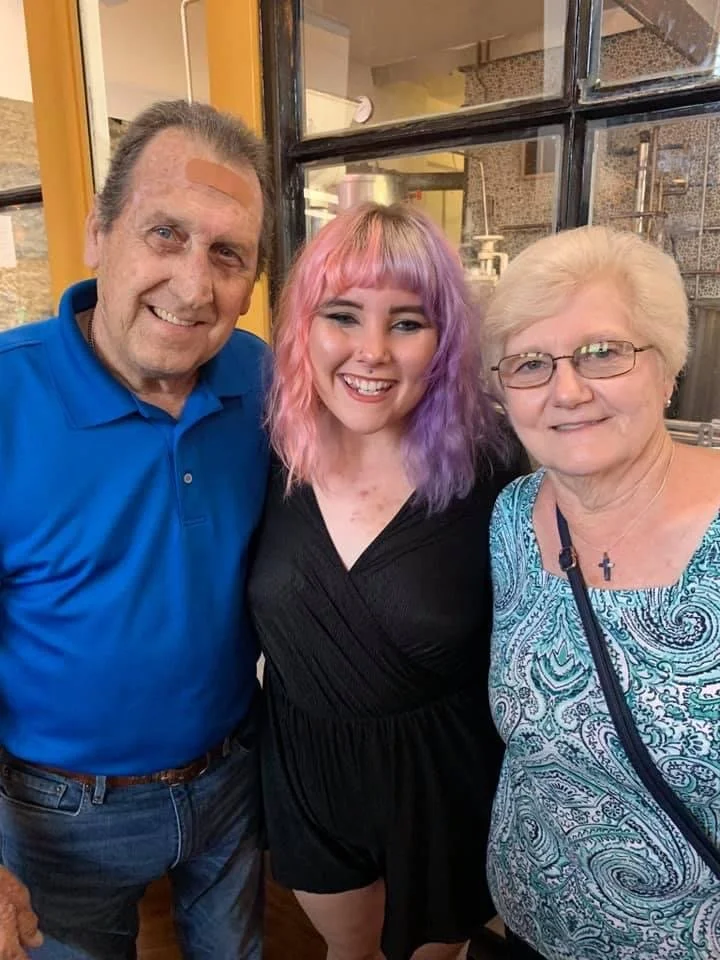
In addition, Emylia’s paternal grandparents remained part of her life, maintaining a relationship not only with Emylia, but with Carla and the entire family.
It’s a detail that speaks to something deeper—maturity, respect, and the understanding that family can expand beyond traditional boundaries.
✨The Shift After 40
For Carla, midlife did not arrive as a crisis. It arrived more like a turning point.
After the birth of her youngest son, Christian, something changed. He completed their family. The years of pregnancy and breastfeeding that had shaped so much of her adult life were over. That closing of one season made room for another.
“After I gave birth to him, it was kind of a renaissance for me.”
That word—renaissance—captures something important. Carla did not become a new person. She became more fully herself.
This was also a season marked by real difficulty. She lost her mother. She navigated hard family realities. She was balancing graduate school, work, marriage, and a large family. It was not a neat or easy period of reinvention. It was layered, demanding, and deeply human.
And still, something was opening.
She began to feel that she was no longer only defined by what she gave to everyone else. She could begin asking what was still unfolding in her.
✨A Dream, a Degree, and a Deeper Purpose
Although Carla had always imagined graduate school might be part of her future, she had not yet landed on the path. Then she had a dream—one that clarified what she was meant to do next.
In it, she saw herself supporting families in a deeper way, not only through child development, but through the emotional and relational struggles that so often sit underneath behavior.
She started graduate school at 36 and completed the process over about eight years, including post-graduate hours and national exams required for licensure. It was a long road, but one she pursued with intention and conviction.
Today, as a licensed clinical professional counselor working within early intervention, she helps families understand behavior, regulate stress, and strengthen their own ability to support their children.
The shift brought together everything she had already spent years doing instinctively: observing, connecting, guiding, encouraging, and helping families move from overwhelm toward confidence.
“This finally fits me like a glove.”
There is something powerful about hearing a woman say that in midlife. Not that she is finished growing. Not that everything is easy. But that she knows, with a level of clarity that only time can bring, that she is where she is supposed to be.
✨Parenting with Intention
Carla’s parenting style reflects both where she came from and what she learned along the way.
She values independence—something instilled in her by her own mother.
Her children don’t have phones until they are 16. She believes in connection over convenience, in real-life interaction over constant digital exposure.
She has also lived both versions of motherhood:
the younger, more reactive version
the older, more grounded, more patient version
At 50, she still has a 10-year-old at home.
While many of her peers are entering empty-nest life, Carla is still actively parenting. It’s a different season—longer, extended, and in many ways, richer with perspective.
✨Marriage, Faith, and What Holds
Throughout every stage of Carla’s story, there is another steady thread: her marriage.
In a life marked by movement, responsibility, and constant demands, John’s consistency has been a source of stability. He is not the opposite of her growth. He is part of what supported it.
“John is my anchor.”
One of the most interesting parallels in Carla’s life is this:
Both she and John built careers rooted in service.
They are not chasing status. They are not chasing excess.


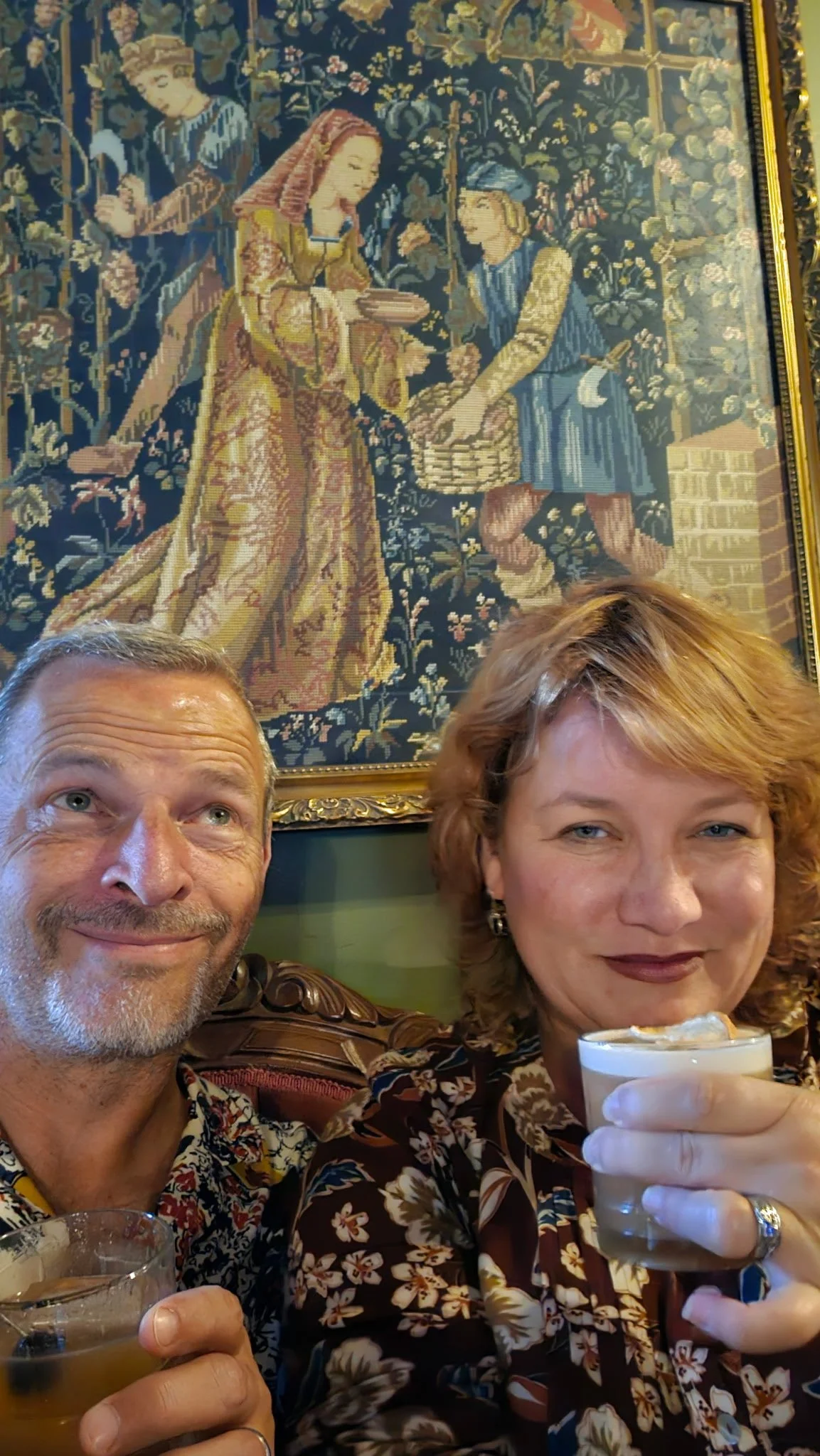
Carla also speaks openly about faith—not as an accessory to her life, but as part of how she understands it. In recent years, that faith has deepened. She sees meaning more clearly now. She talks about the Holy Spirit not as an abstract concept, but as something she has watched move through real decisions, relationships, and moments of redirection.
There is a groundedness in the way she speaks about faith. It is not performative. It is woven into the way she understands work, motherhood, marriage, and purpose.
✨What Midlife Has Given Her
There is a kind of confidence that does not come from accomplishment alone. It comes from living enough life to recognize your own design.
That is what stands out most in Carla now.
She is still raising children. She is still giving to her community. She still has responsibilities, schedules, and a household that is far from quiet. But she is no longer looking at life from the same vantage point she had at 22, or even 36.
She knows what matters to her. She knows the work that feels meaningful. She knows the kind of family culture she values. She knows that relationships need tending. She knows that growth can happen long after the world expects women to have everything figured out.
And perhaps most importantly, she knows that fulfillment does not always arrive early.
Sometimes it is built slowly, through service, through grief, through discipline, through love, through staying, and through choosing to keep becoming.
“I feel like I’m really the person now that God designed me to be.”
✨GlowInto Reflection
Carla’s story is a reminder that many women do not arrive at themselves all at once.
They build a life before they fully understand it. They give to others while still learning their own shape. They move through motherhood, marriage, work, loss, faith, and reinvention not as separate chapters, but as one connected unfolding.
Sometimes it is about finally seeing the pattern in everything you have already lived—and realizing it was leading somewhere meaningful all along.
What Carla shows so beautifully is that in midlife she is still creating a life, not stopping.