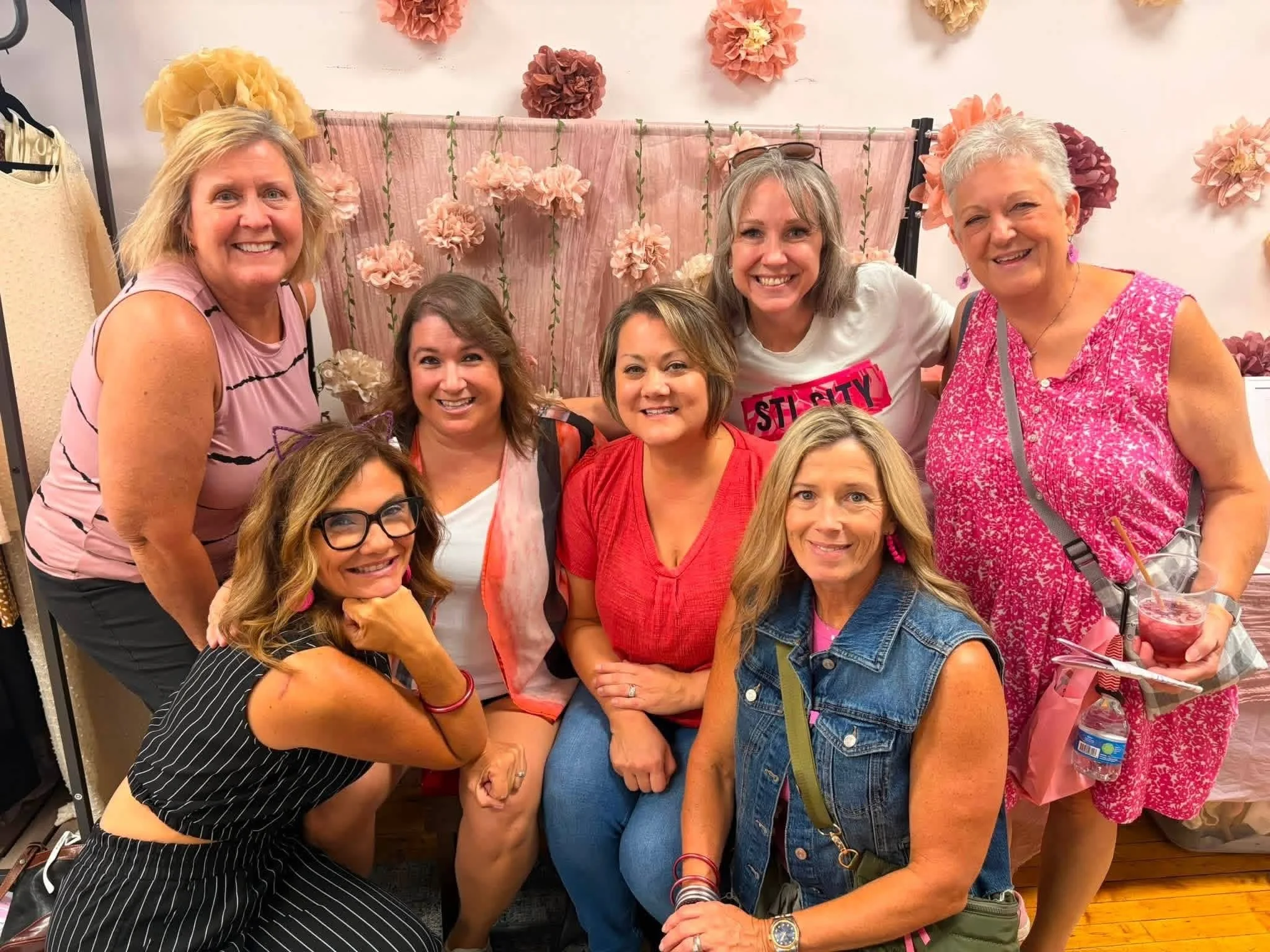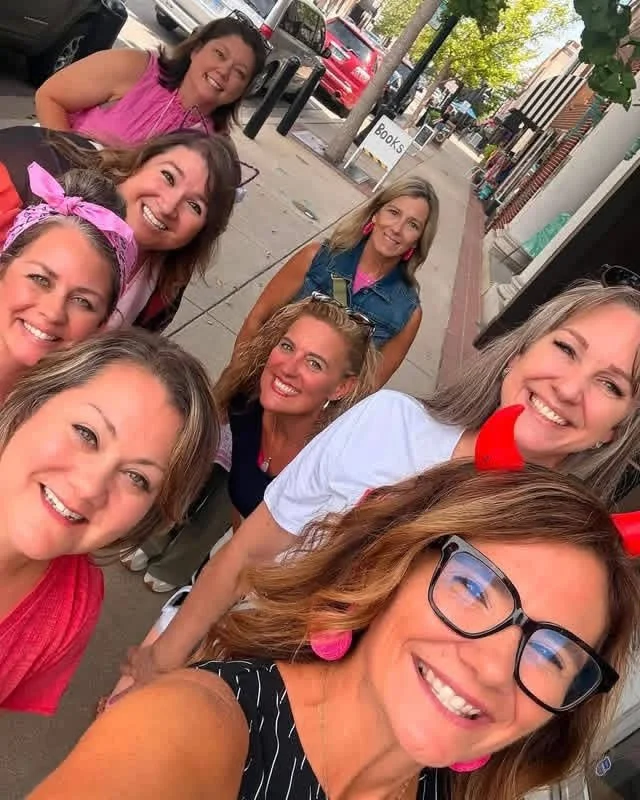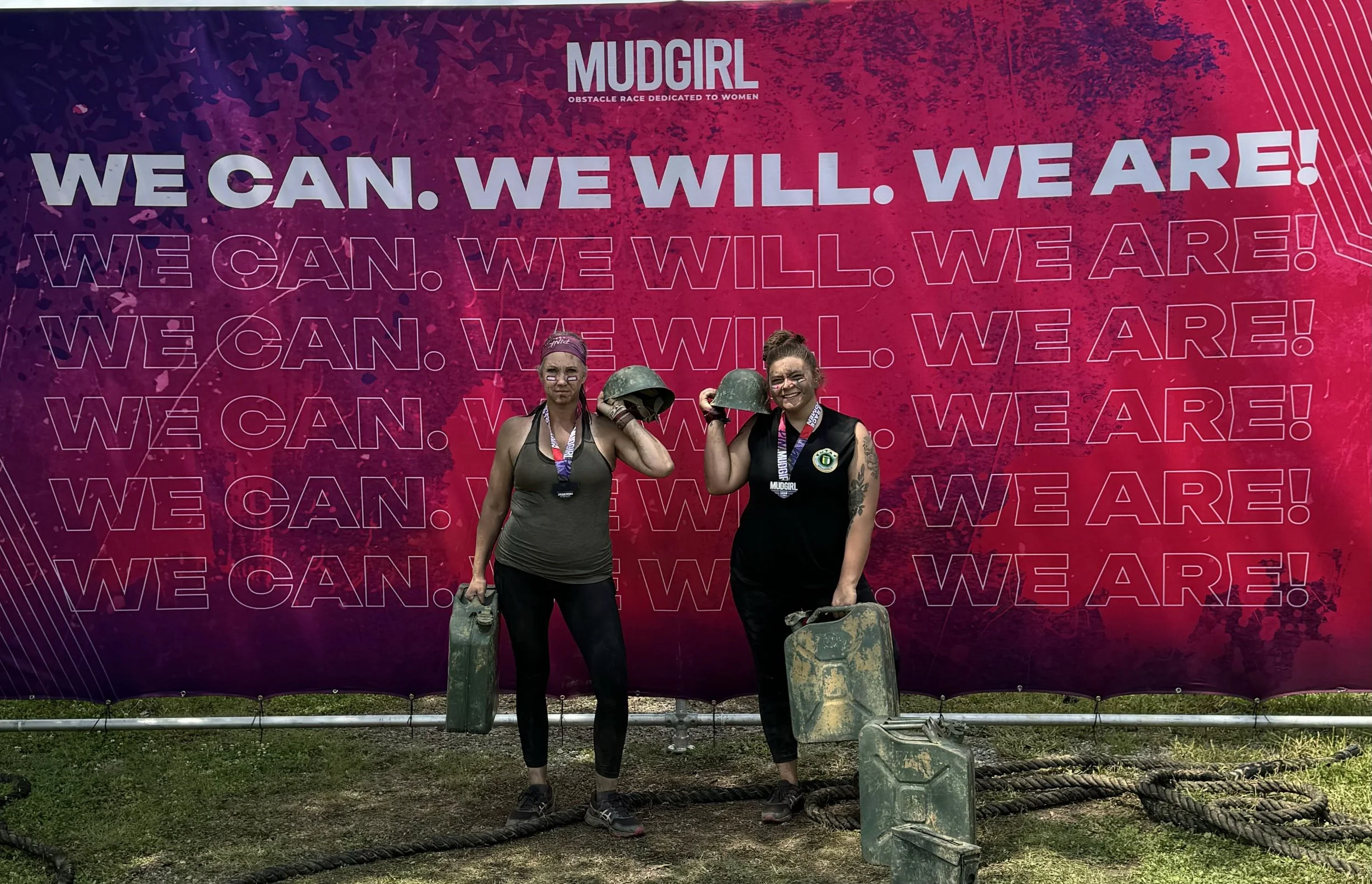
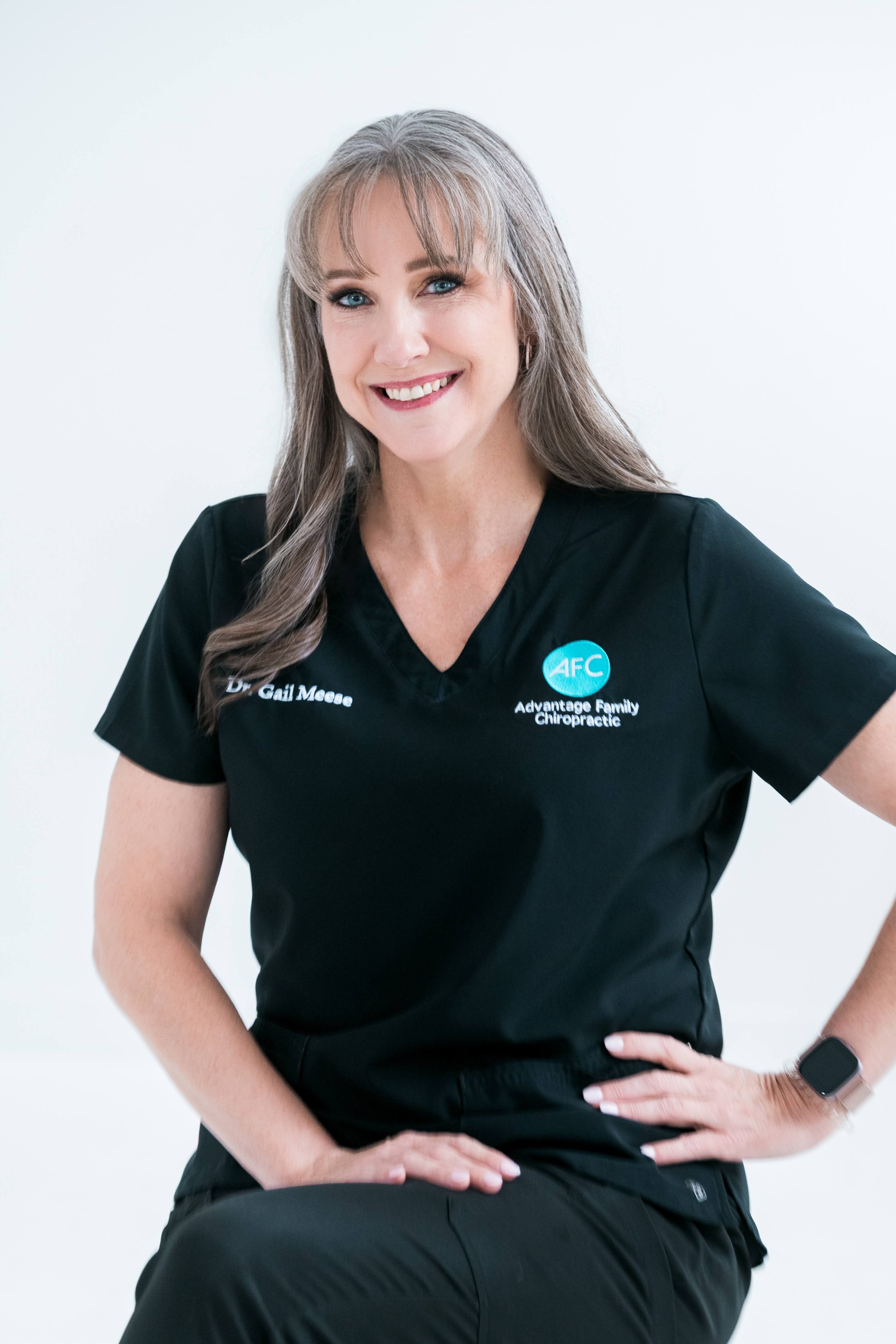
Dr. Gail Meese opened Advantage Family Chiropractic at 30 and built a practice that helps people stay mobile enough to do the things they love. Now, in her 50s, she’s thinking about how to keep doing the work she loves while making more time for the rest of her life.
When I asked Dr. Gail Meese when she first felt like an adult, I offered her two possibilities. Was it when she opened her chiropractic practice at 30? Or was it when she became a mother at 17?
“Honestly?” she said. “I think it might have been after I lost my dad.”
Later, after we’d moved on to other things, Gail came back to the question herself. She’d already been accountable for another person at 17. She’d worked, gone to school, and built a business. She could make a case for any of those years. And still, losing her dad felt different.
“I think it’s always evolving,” she said.
I’d gone looking for a turning point. What stayed with me was how willing Gail was to sit with the question, even after she’d given me an answer.
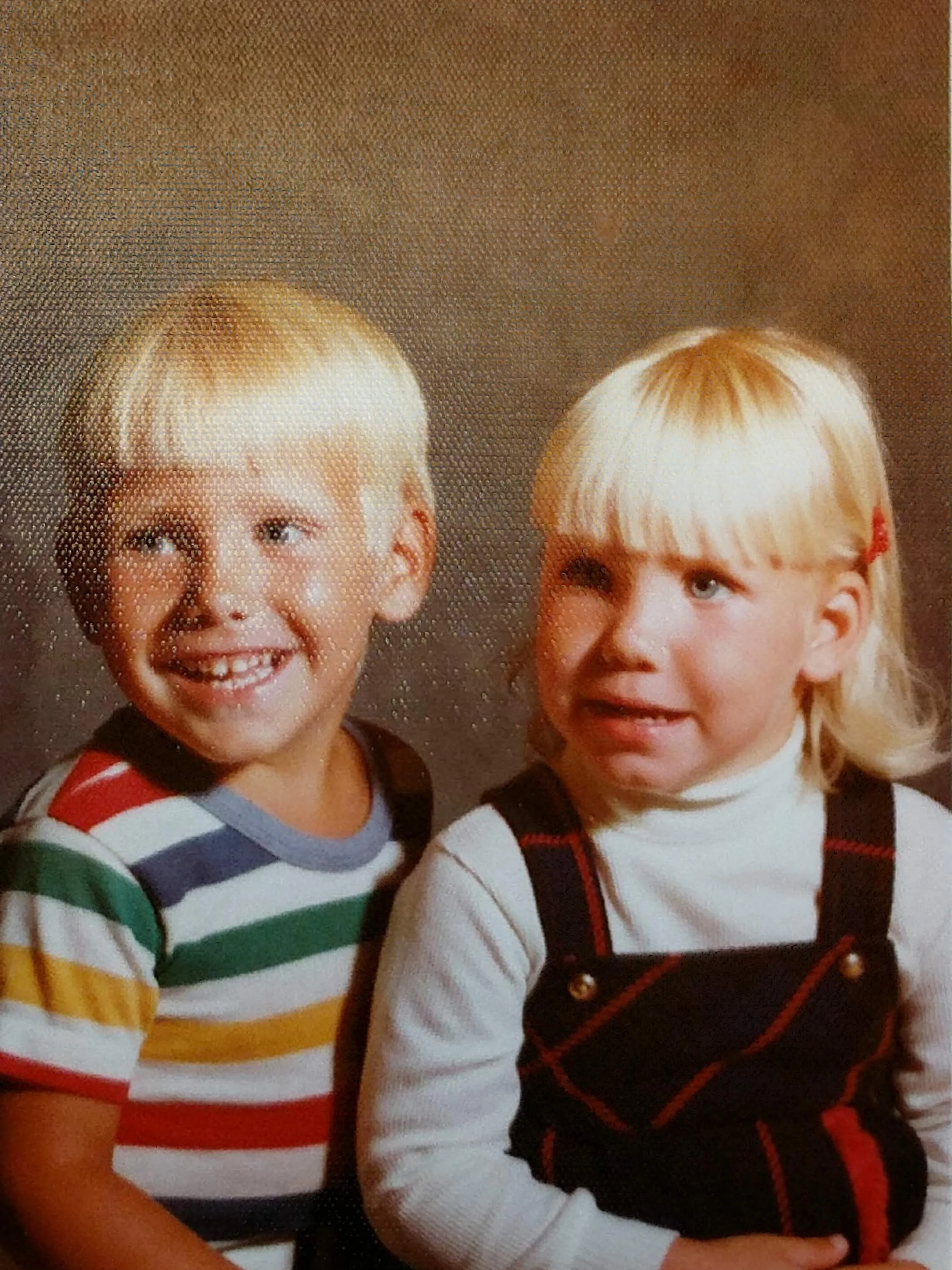
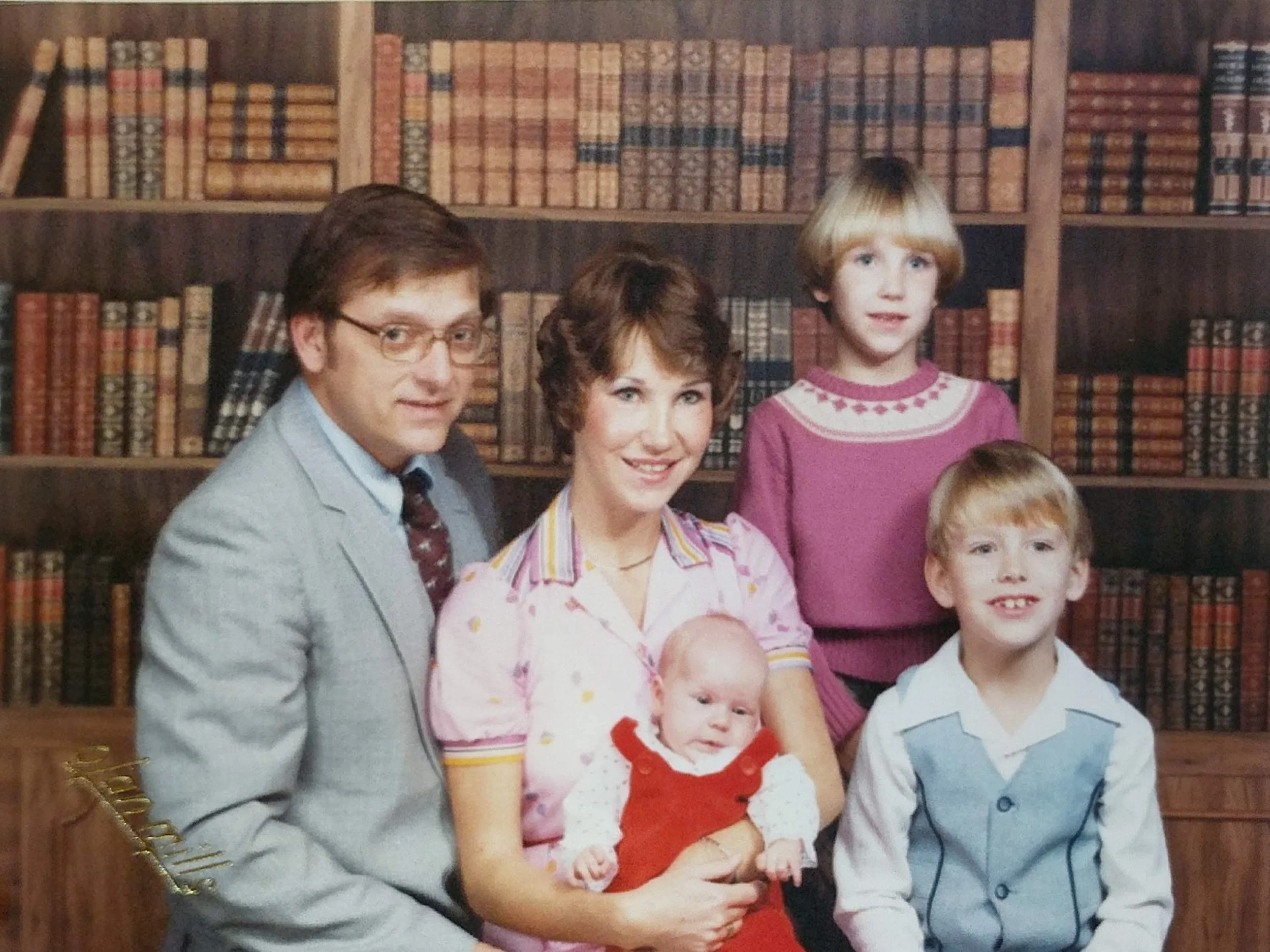
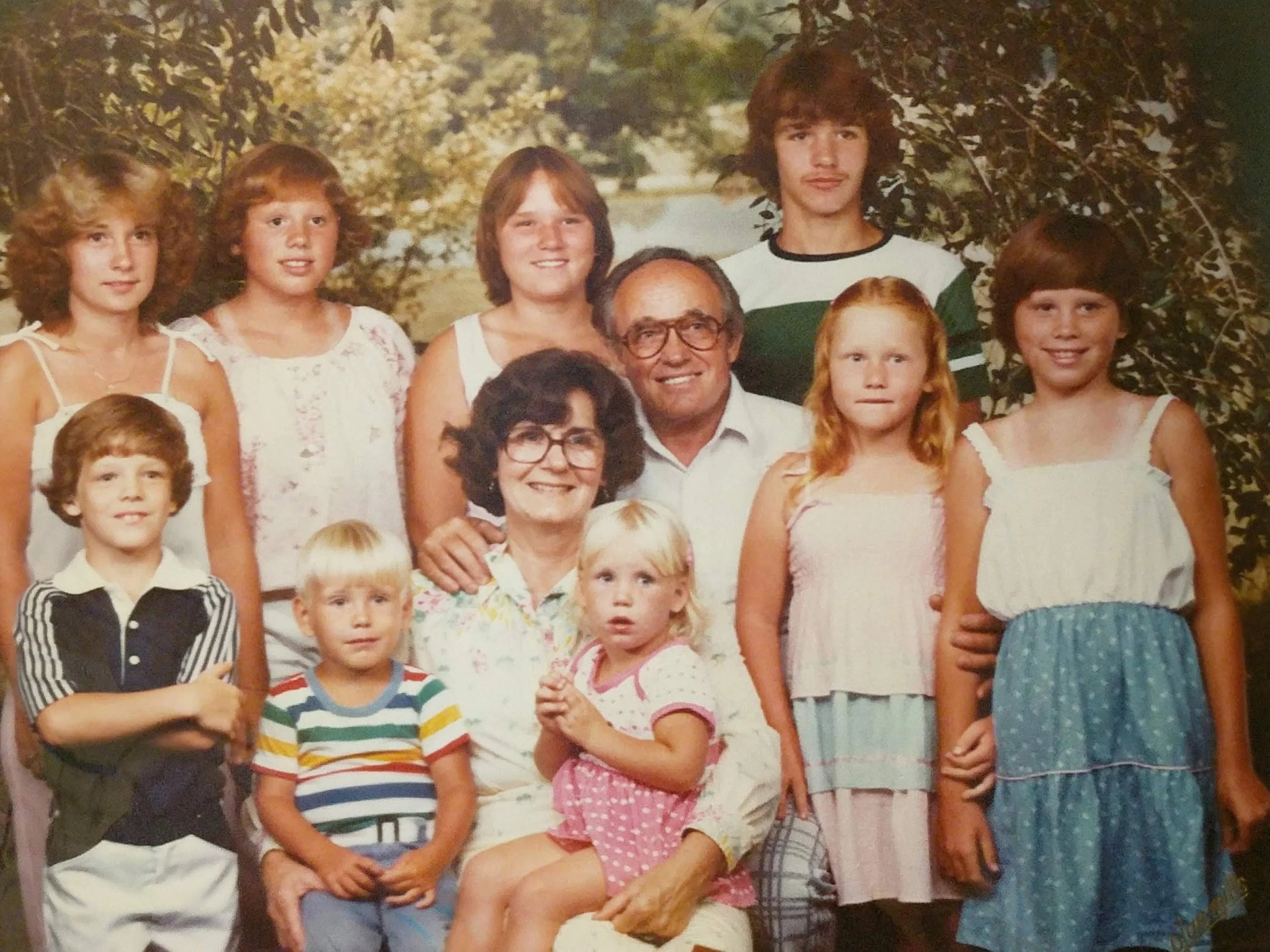
The girl who wanted a horse
Gail’s father worked in power plant construction, and his job moved the family every four or five years. Gail learned how to walk into a room full of strangers and make friends. She also learned to hold back a little. Another move was always possible.
Her family settled in Colorado when she was in fourth grade. There, Gail had friends with horses, and she spent as much time at their houses as she could. She used to search the classifieds for horses for sale. Her father, who knew how badly she wanted to be around them, called a local Arabian breeding farm and asked if they’d put her to work.
Gail cleaned stalls and exercised horses. She thought she was doing it for free until the farm paid her before she left for Scotland that summer. The money was a surprise. Getting to spend her days around horses was what she’d come for.
She’d wanted to be a doctor since she was little, back when that meant becoming a veterinarian. As she remembers it, the injured animals she tried to nurse back to health had a pretty poor survival rate. The idea of becoming a doctor stuck anyway.
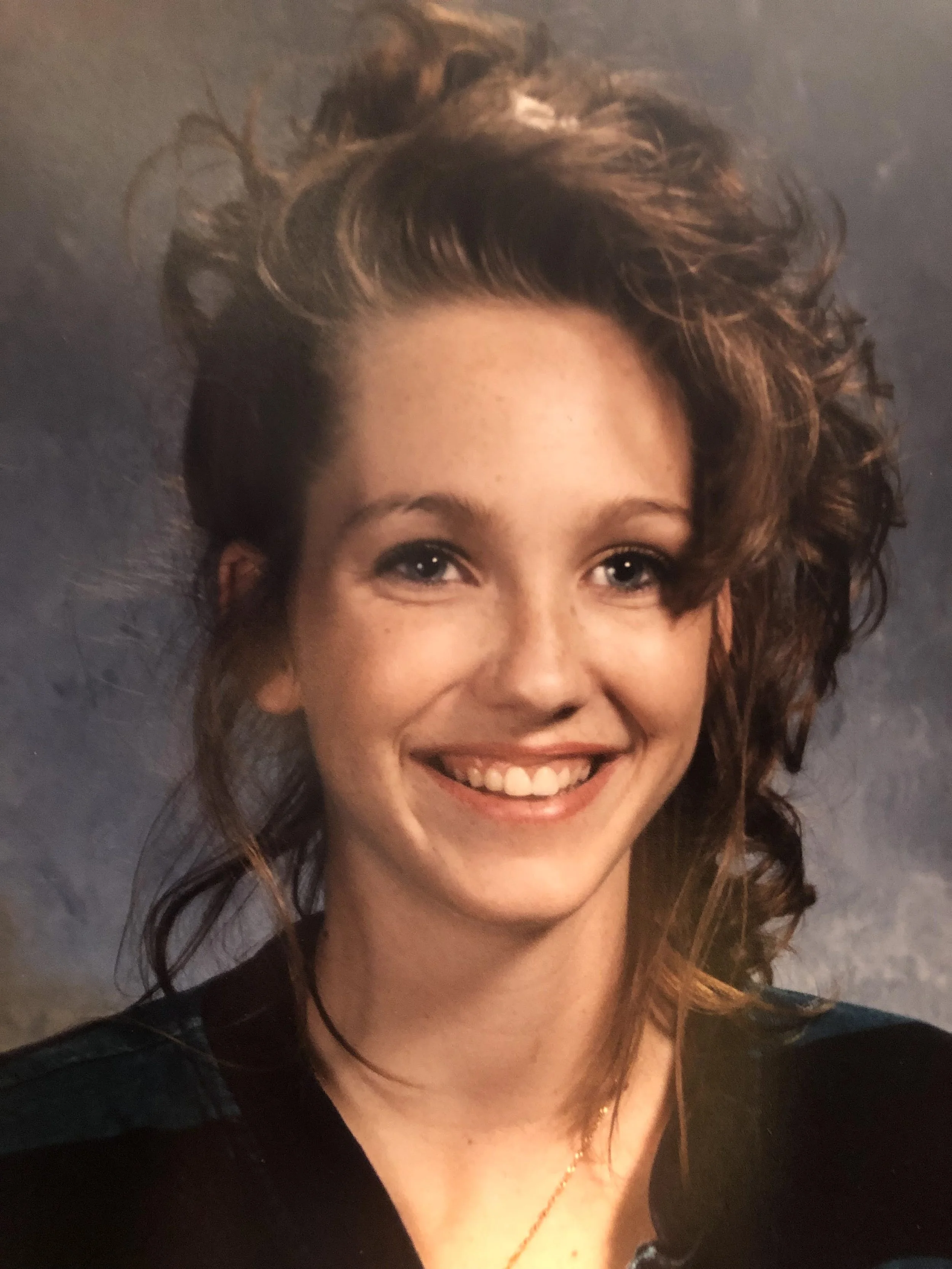
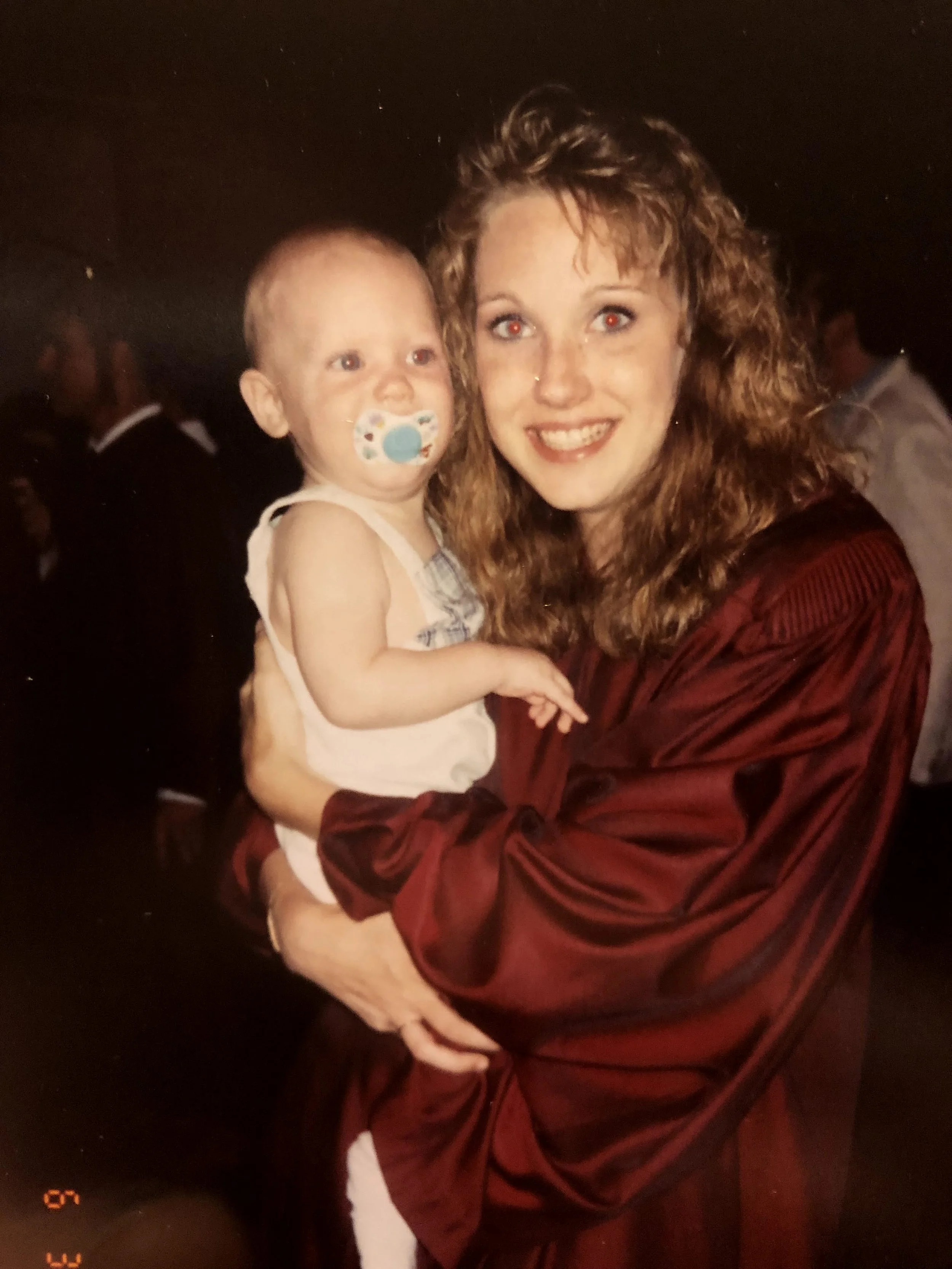
Two first days of school
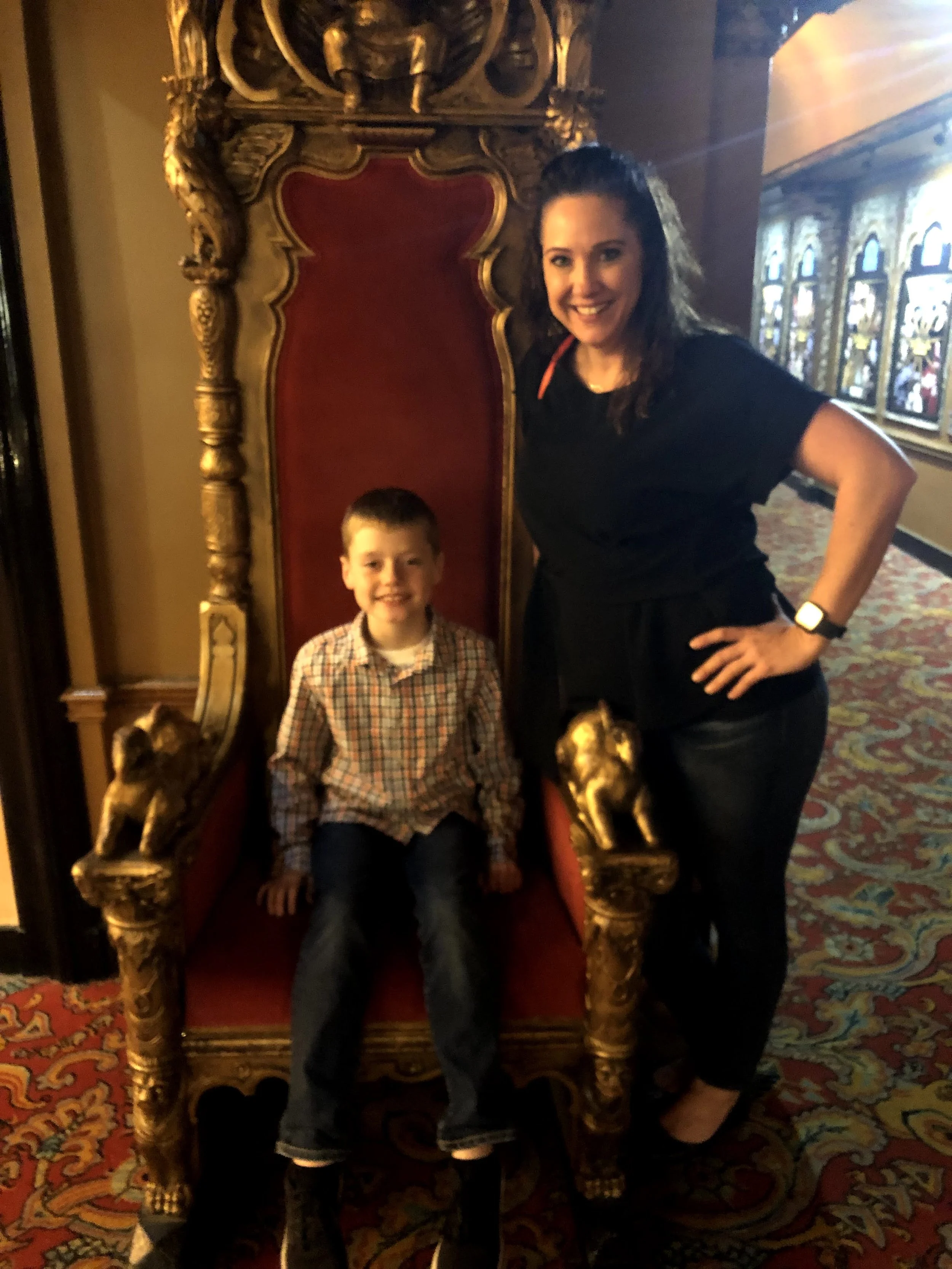
Gail got pregnant during her junior year of high school. When she told her parents, her father acknowledged how hard the decision would be and told her that he and her mother would support her in whatever she chose.
After her son was born, her parents moved to Alabama. Gail stayed behind in Colorado at first. The living arrangement there wasn’t working, and she wanted to finish school. She called her parents and asked them to come get her and her baby.
In Alabama, she was the new girl with a baby. When she graduated, her son, Bryan, was nine months old.
“My son and I, we grew up together,” she told me.
My mom married at 18 and had me at 19. She’s told me that in some ways, the two of us grew up together, too. I’d always heard that as her daughter. Hearing Gail say it, I thought about what those years must have been like for my mom, raising me while she was still figuring out so much for herself.
For a while, college seemed out of reach. Gail needed a paycheck, and she took as many hours as she could get at Kroger, working in the meat and seafood departments before becoming a seafood manager in Huntsville. When she eventually went back to school in Illinois, she and Bryan had the same first day. He started kindergarten. She started community college.
Gail waited tables and tended bar while she took classes. She considered radiology, physical therapy, and optometry. She later had her daughter, Bailey, who is eight and a half years younger than Bryan. Gail sometimes worked two or three jobs while going to school, and she and the kids lived with her parents. When she talks about finishing her education, she’s quick to give her parents credit for helping raise Bryan and Bailey.
The profession she thought she knew
Gail was working with an optometrist, Dr. Karen Wright, when she made a crack about chiropractors over lunch. Wright told her she ought to learn something about the profession before making up her mind. Gail could see that the opinion she’d delivered with such confidence came from what she’d heard growing up.
By the time she sat down for chiropractic school orientation, she’d chosen the field and still had never had an adjustment. When the instructor asked who in the room could say that, Gail remembers being the only one in a class of 75 to raise her hand.
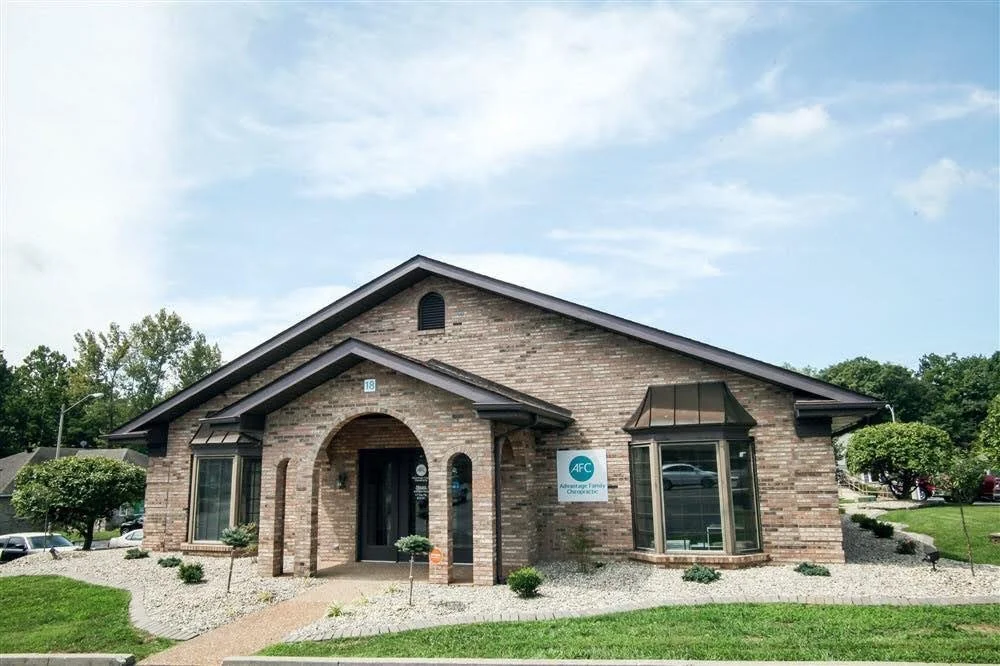
In November 2006, she opened Advantage Family Chiropractic. She’d set herself a goal of becoming a doctor by 30. She made it with weeks to spare.
The quiet after
Gail jokes that she’s the person you call when you need something done. I thought about that when she told me how quiet it was after her dad died. For years, she’d known where she was needed.
When her mom was sick, Gail cut back to three days a week at the clinic and spent much of the rest of the week at her parents’ house. Their relationship had been difficult. Gail’s mom spoke proudly of her to other people, and Gail wished she could have heard some of that pride directly.
After her mom died, Gail kept checking in on her dad. He was also her best friend, the person she called first with news. Once, he asked why she didn’t find someone to take care of her.
“You didn’t raise me to be taken care of,” she told him.
Gail was 40 when her dad died suddenly. That day, her son, Bryan, was at the house with him. He called Gail and told her his grandfather was pacing and had pain shooting into his groin. Gail got in the car and headed over.
She was stuck in traffic, waiting to turn left onto Green Mount, when Bryan called again. “Mom, he’s throwing up.” She knew she needed to get to her dad, and she could still remember exactly where she was waiting for traffic to move.
When Gail got to the house, she tried to resuscitate him. At the hospital, she was the one who asked the medical team to stop.
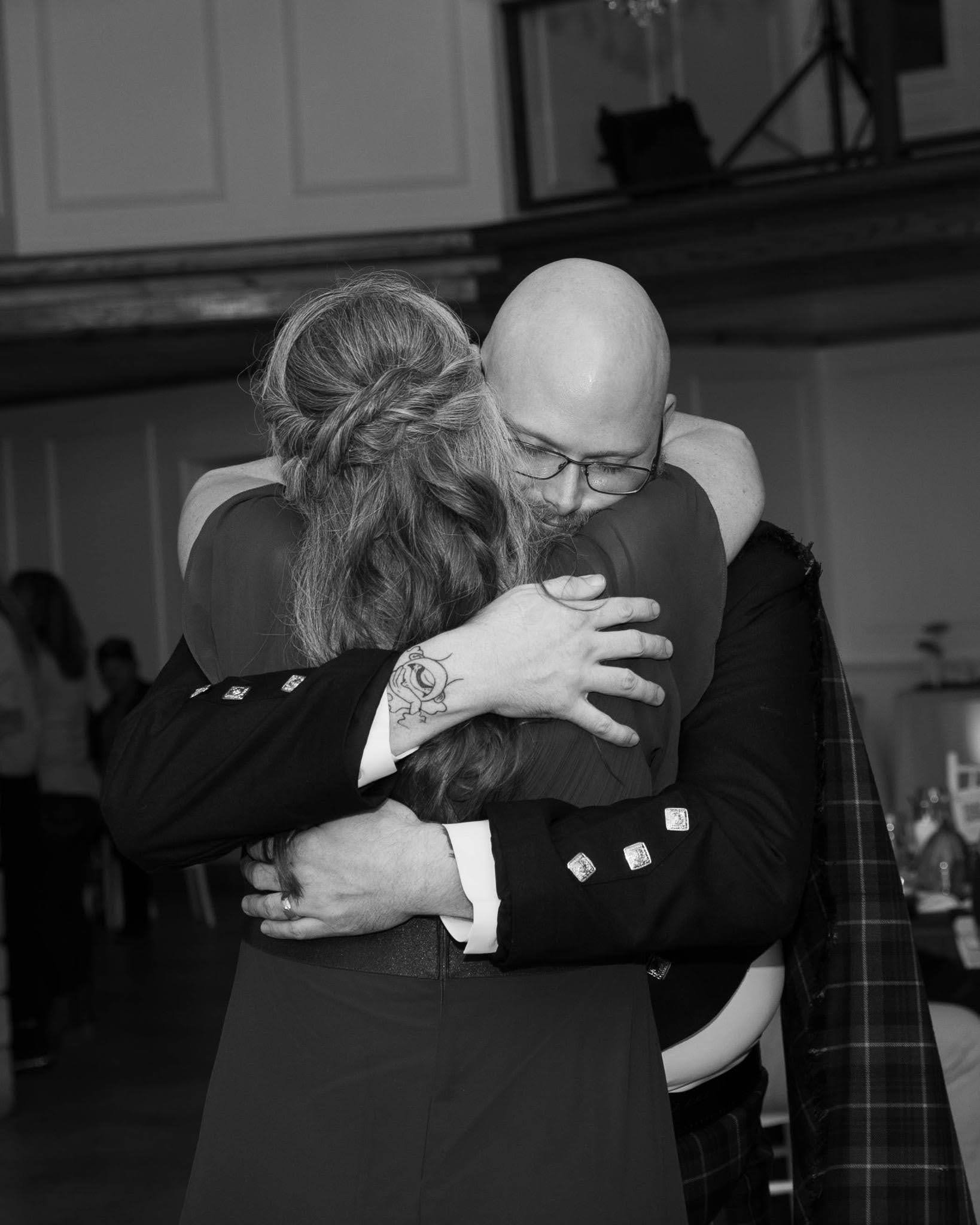
I told her the way she remembered that day made it sound like it had happened last week. Listening to Gail, I thought about the grief we carry when someone we love dies. It changes over time, but we still carry it with us.
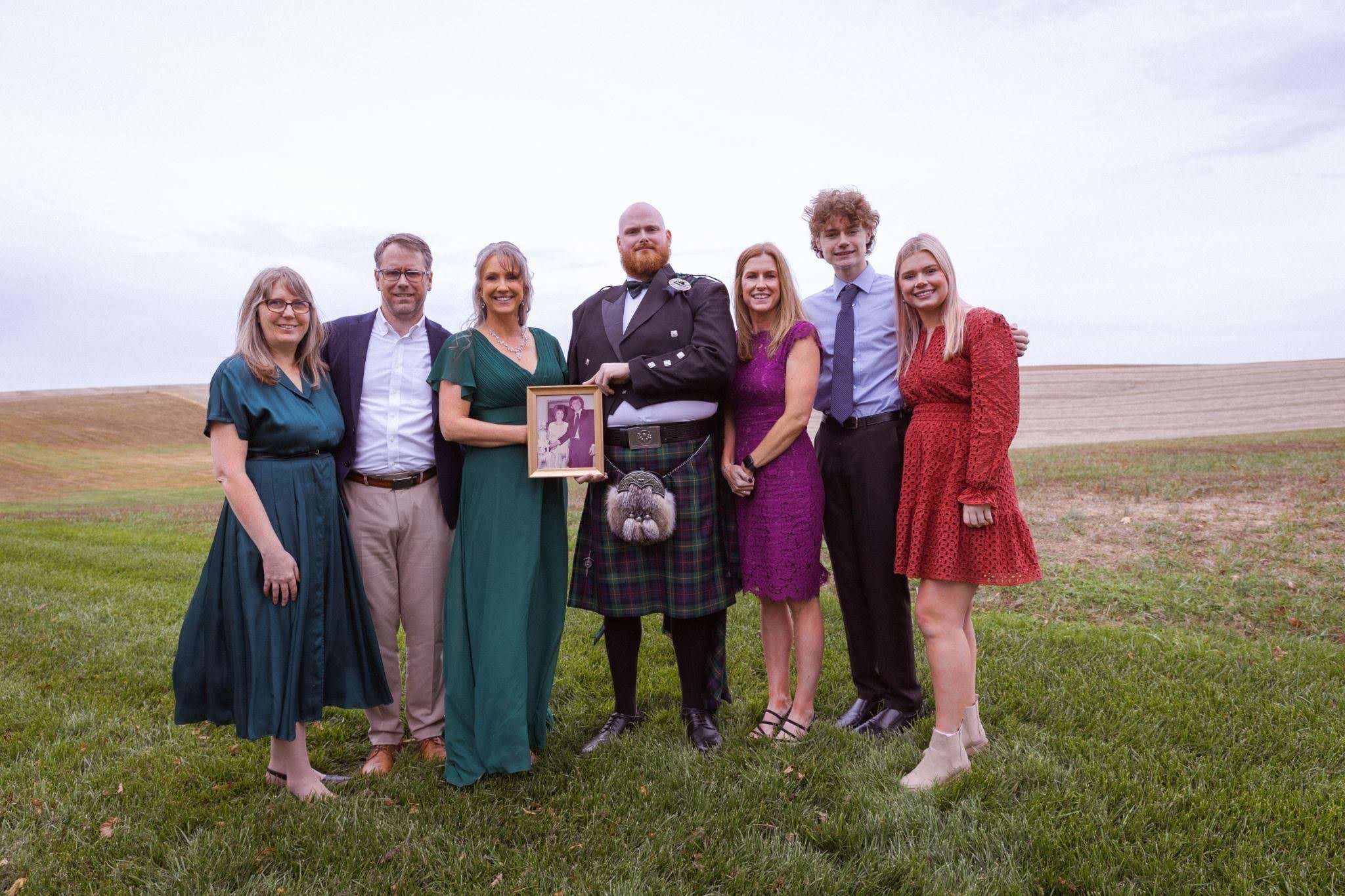
What Gail learned along the way
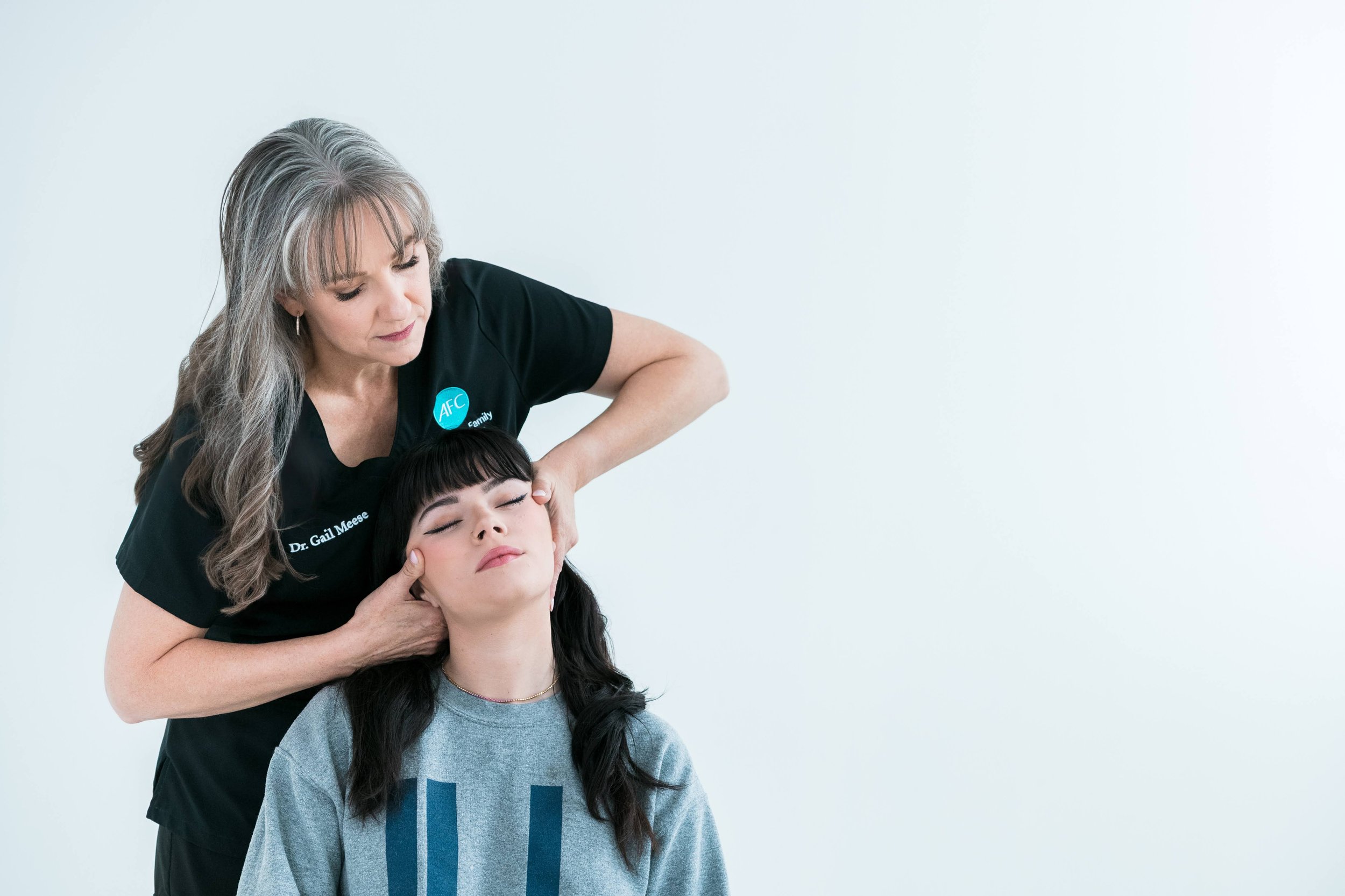
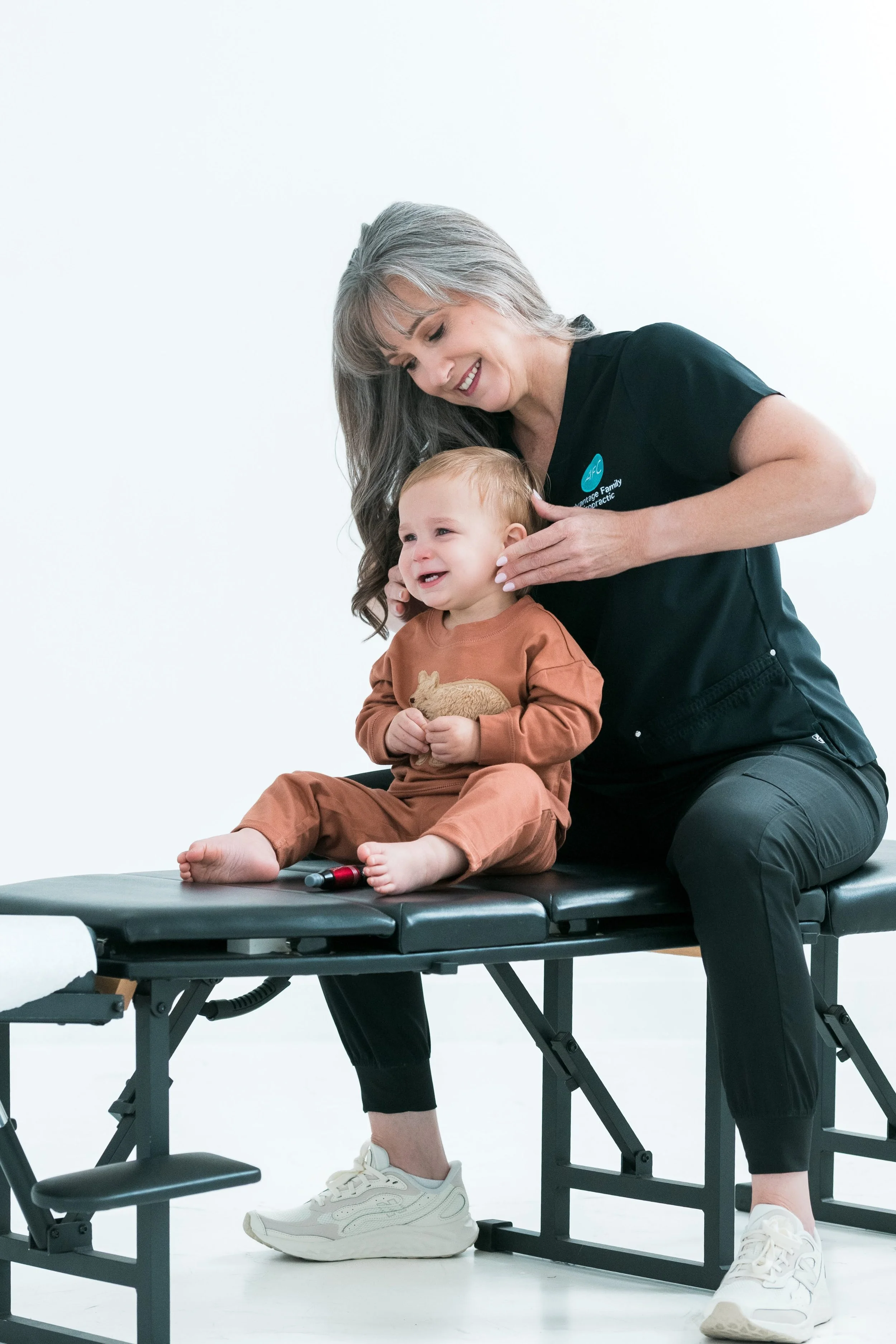
Years into running her practice, Gail found herself asking people to reconsider what they came to her office to talk about. She calls it a shift “from pain management to mobility management.” I liked how practical she made that distinction. Pain might be what gets someone in the door. Gail also wants to know what they’d like to be able to do in their everyday life.
When I asked what her patients had taught her that she couldn’t have learned in chiropractic school, Gail thought about what had changed in her over 20 years of practice. Working with patients had given her faith in her ability to change people’s lives, as she put it, “with only my hands and my heart.”
In her 40s, a business coach gave Gail an exercise she still uses. When a problem comes up, come up with five to ten possible solutions. I liked that she had a number. Getting to five takes more thought than going with the first answer that comes to mind. It reminded me of the way she’d answered my question about adulthood. Even when she had an answer, she was willing to think about it again.
When I asked what advice she’d give her younger self, she had three words ready. “Trust your gut.”


Living in decades
After her father died, an uncle told Gail to think about her life in decades. Each decade, he said, had something to teach her and something she could do with it.
She asked which decade had been his favorite. He was 72 and picked his 70’s. His children had their own lives, and he felt a kind of freedom he’d never had before. He was already living the years he liked best.
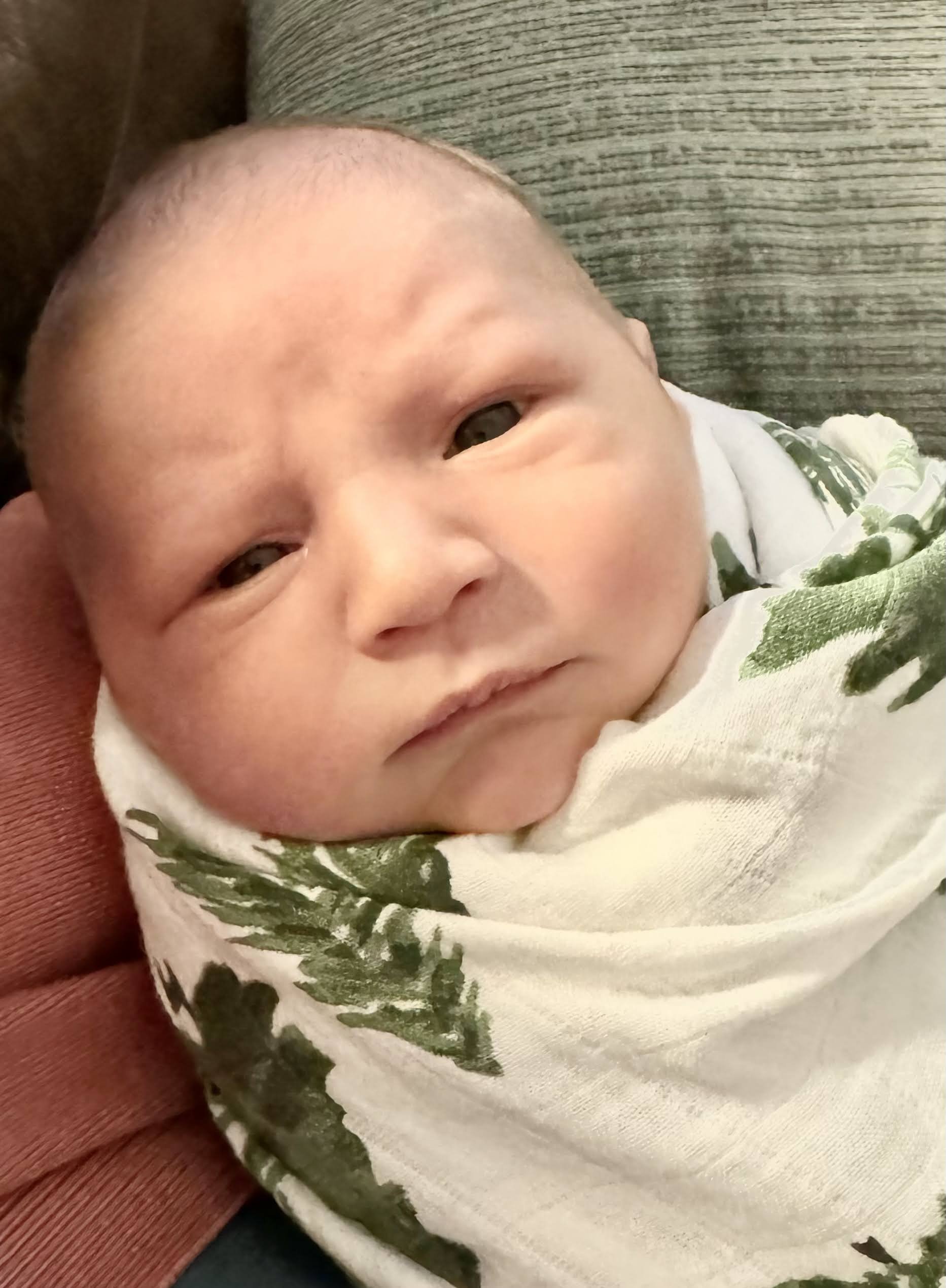
Gail thinks of her 40s as the years she found herself. In her 50’s, she’s asking what she wants to make more time for. Saturday nights often belong to her grandson, Finlay, Bailey’s little boy. I could hear how proud she was when she told me about spotting that hint of red hair the day he was born. Now he often spends the night at her house. “He brings me so much joy,” she told me.
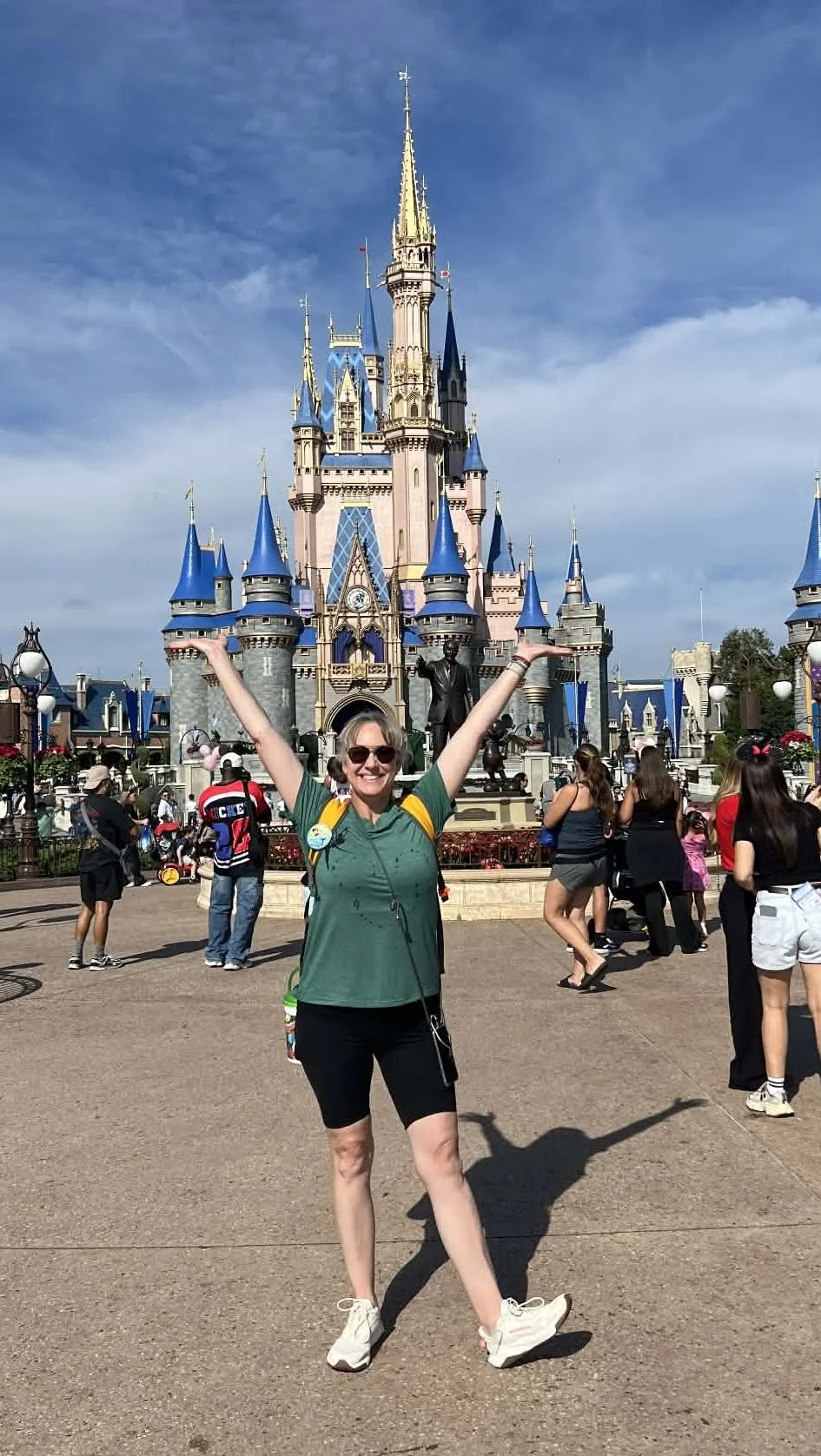
She enjoys going to a movie by herself, and she wants to travel internationally on her own. At 60, she’d like to step back from full-time practice.
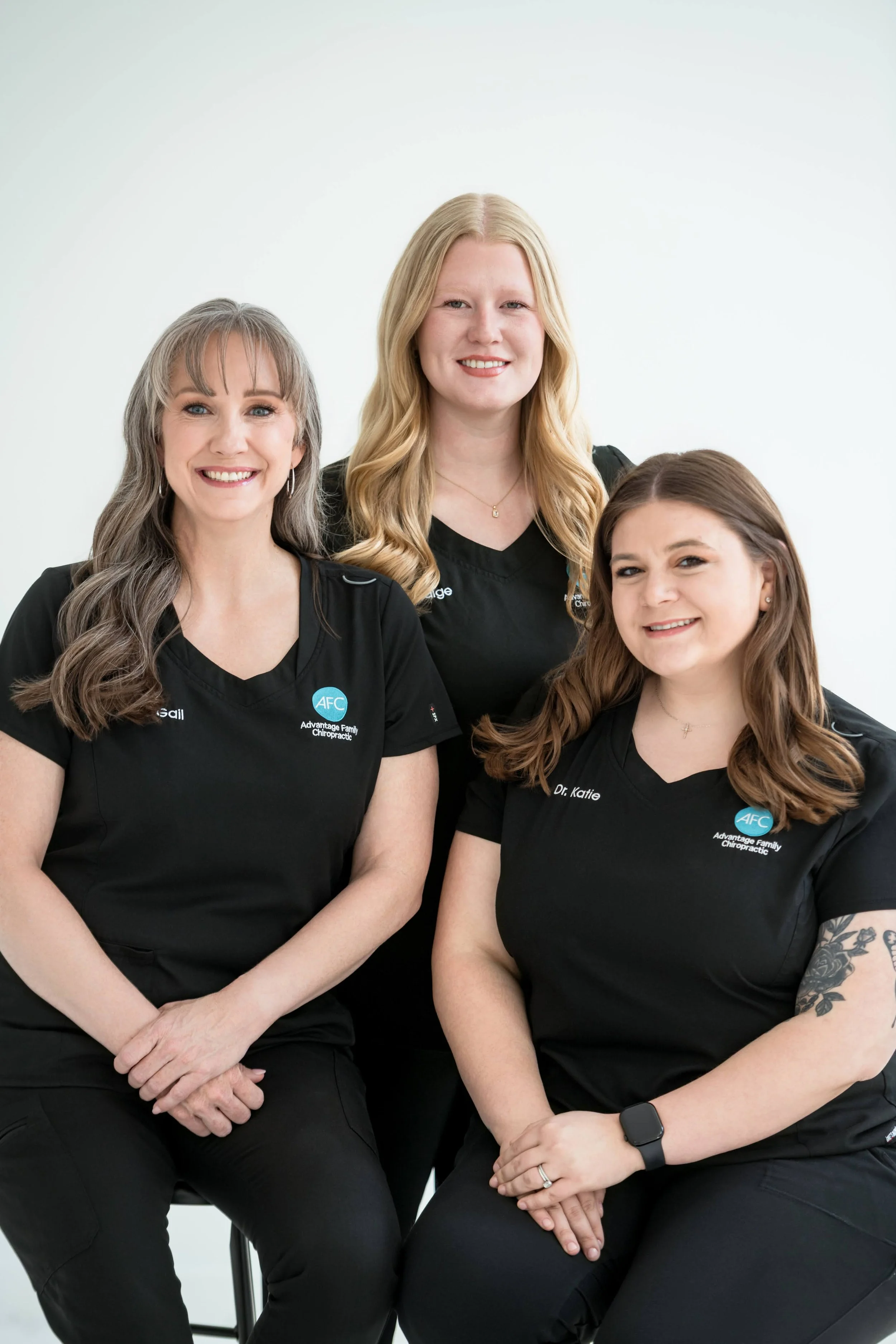
When I asked what she’d learned to hand off as the practice grew, Gail said the hardest part was learning to trust her team to do the jobs she’d hired them to do. As they took on more of the tasks , she could spend more of her time with patients. She can already picture how her role might change again. In about ten years, she hopes Dr. Katie might own the practice and Gail could stay on as an associate.
I started GlowInto because I wanted to hear how women got where they are and what they want to do next. I’ve always been fascinated by how women build their lives after 40, in years we often talk about as a time to slow down. For some women, that means changing careers. Gail got me thinking about what it looks like to keep doing work you love and make more room for the rest of your life.
For years, there was a shift to work, a class to get to, or somebody waiting for Gail. Now she can picture herself in Europe with the keys to a rental car and the whole day ahead of her. She can decide where to go when she gets there.
Read more about Advantage Family Chiropractic and what Dr.Gail Meese offers in the GlowInto Business Feature: If You Rest, You Rust: Why Mobility Matters for Women Over 40