New to You: Why Resale Deserves a Place in Your Closet
I love beautiful clothes. I love discovering a great new piece, putting together an outfit that just works, and finding that one thing that makes everything already hanging in your closet feel a little more interesting.
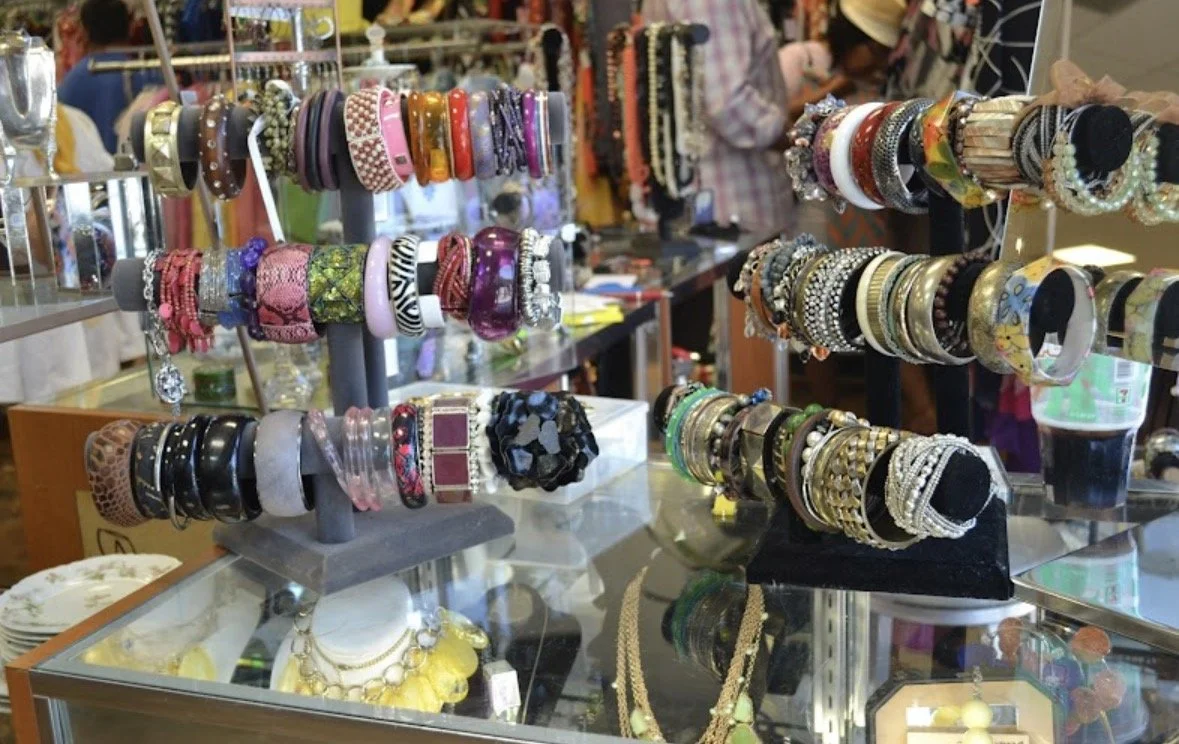
But I also firmly believe that great style does not require everything in your closet to be brand new.
In fact, some of my favorite pieces had a life before they ever made it to me.
Resale, vintage, consignment, and even a really good clothing swap have become an important part of how I think about style, both personally and in my work with clients. Sustainable fashion is not about never buying anything new. It is about being more thoughtful about what we buy, what we keep, and what happens to our clothing when we are finished with it.
And sometimes, it is simply the smarter way to shop.
If you have experienced significant weight loss, changed careers, retired, or entered a season of life where your old wardrobe no longer feels quite like you, replacing everything at full retail can get expensive very quickly. Resale gives you an opportunity to rebuild thoughtfully without spending a small fortune figuring out what works for you now.
It is also a wonderful way to buy better quality. That blazer, designer handbag, or beautifully made dress you might hesitate to purchase at full price can suddenly become much more reasonable when someone else has already loved it first.
And I will admit, finding an incredible piece for a fraction of its original price produces its own very specific kind of joy.
If it happens to be vintage and no one else in the room is wearing it? Even better.
There is another reason all of this matters, and it is much bigger than finding a bargain.
The amount of clothing being produced and discarded around the world is staggering. According to the United Nations Environment Program (UNEP), approximately 92 million tonnes of textile waste are generated globally every year, the equivalent of a garbage truck full of clothing being sent to a landfill or incinerated every single second. The fashion and textile sector also uses an estimated 215 trillion liters of water each year, contributes 2 to 8 percent of global greenhouse gas emissions, and only about 8 percent of textile fibers in 2023 came from recycled sources.
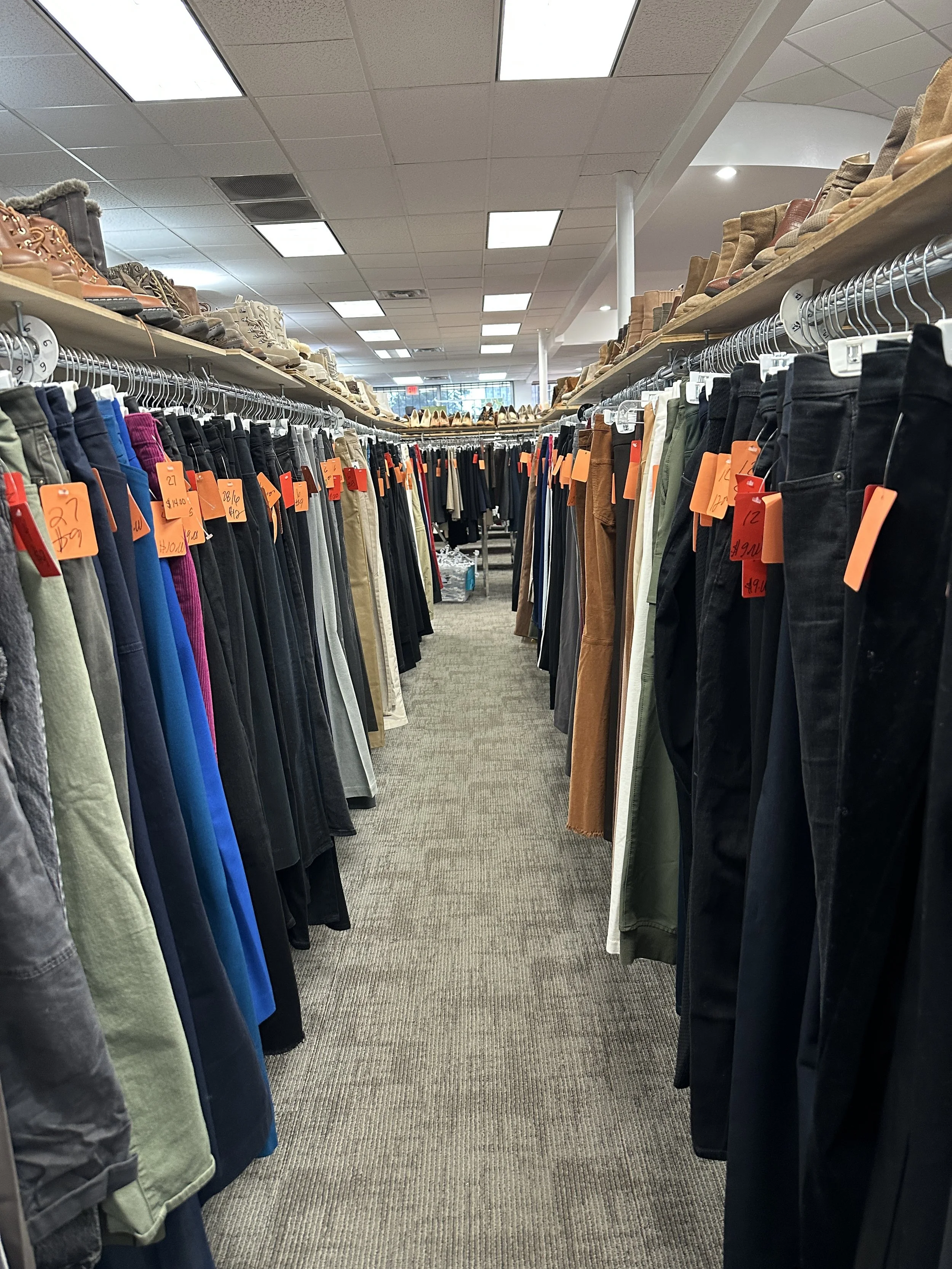
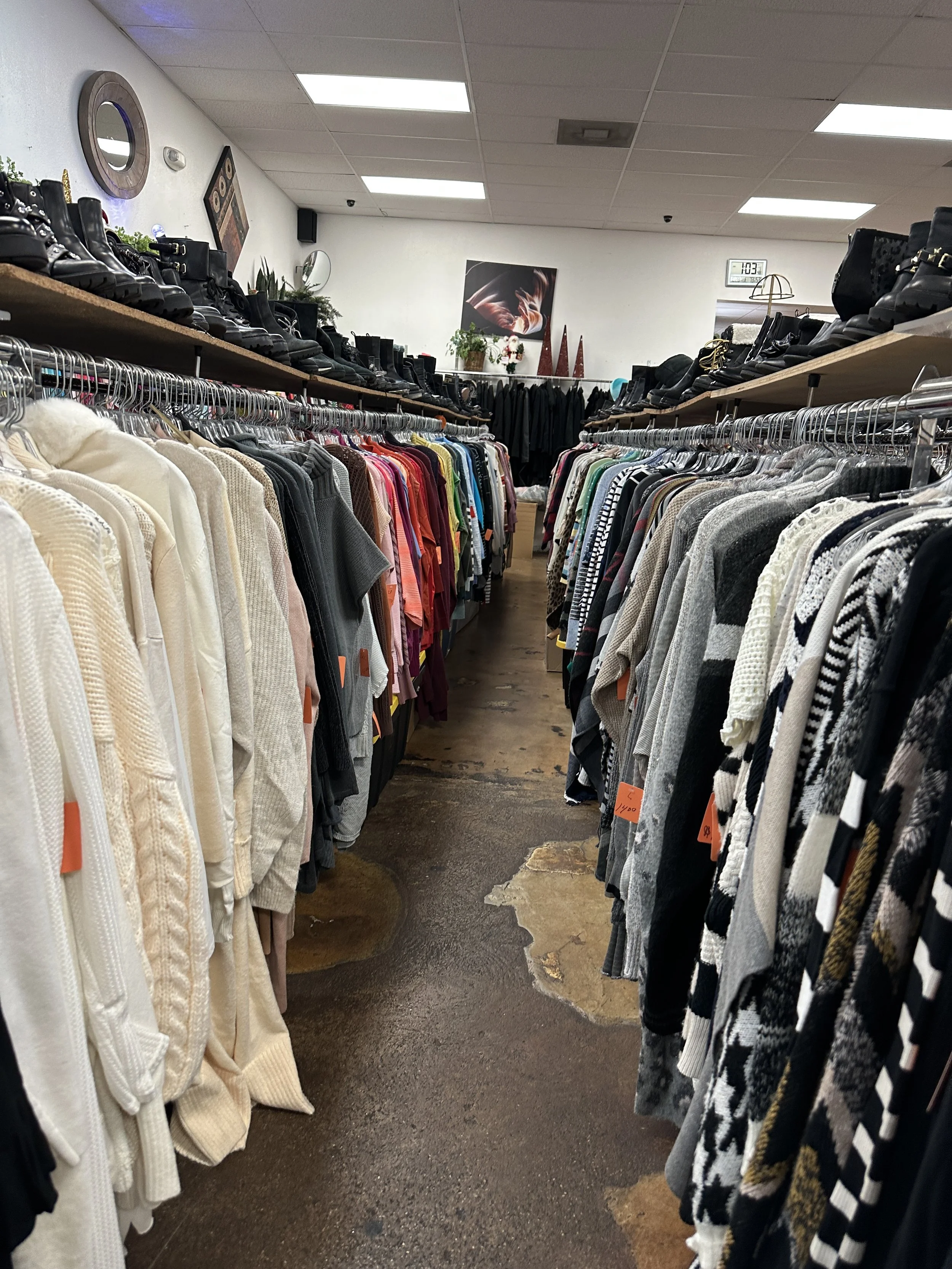
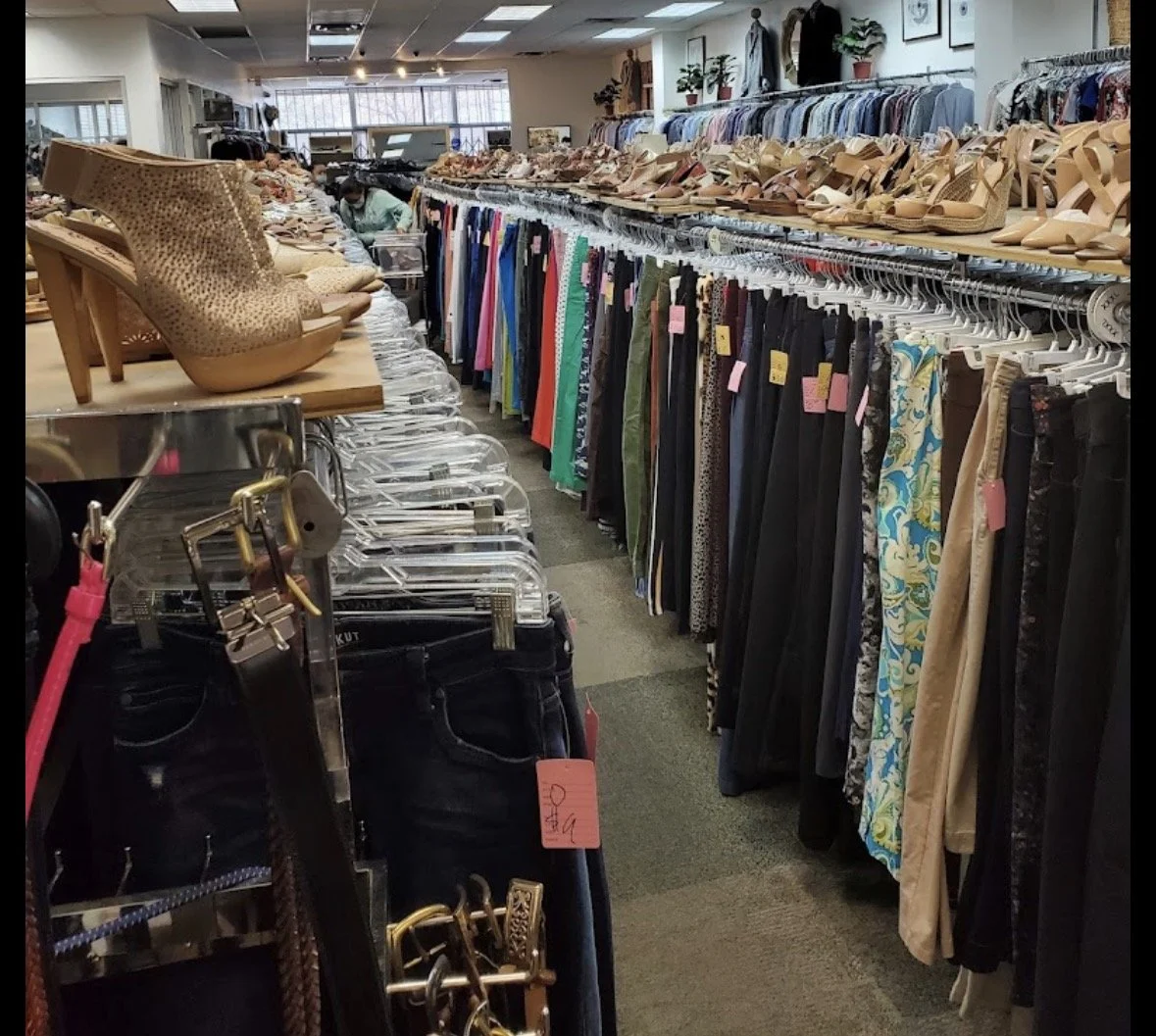
Those are enormous numbers, but they make the case for something remarkably simple: we need to keep our clothes in use longer.
Fast fashion has also changed the way we think about clothing. When a top costs less than lunch and another trend is only a click away, clothing can begin to feel disposable. The result is a cycle of buying more, wearing pieces for less time, and replacing them quickly. In fact, clothing production doubled between 2000 and 2015, while the amount of time garments were actually used decreased by 36 percent.
And the true cost of an inexpensive garment is not always reflected on its price tag. Behind that price can be enormous demands on water and natural resources, pollution from production, and broader environmental and social consequences throughout the global garment supply chain. Sustainable fashion asks us to think a little differently. Not How much can I get for my money? but How much value will I actually get from what I buy?
Sometimes spending $40 on a beautifully made resale piece you will wear for years is a much better bargain than spending $15 three different times on something you never really loved in the first place.
The good news is that making a difference does not require completely changing the way you dress.
Wear what you own longer. Repair the button. Have the trousers hemmed. Tailor the jacket that is almost perfect. Shop your own closet before deciding you need something new. And when you do need something, consider resale before automatically heading to traditional retail. UNEP specifically recommends reuse, repair, buying secondhand, and keeping clothing in use longer as ways consumers can help reduce fashion's environmental footprint.
The same thoughtfulness applies when it is time to let something go.
I see this often during closet edits. We find beautiful pieces that simply no longer fit the client's body, lifestyle, or personal style. Keeping them shoved into the back of the closet is not helping anyone, and neither is throwing them away.
That is where giving clothing another life becomes pretty wonderful.
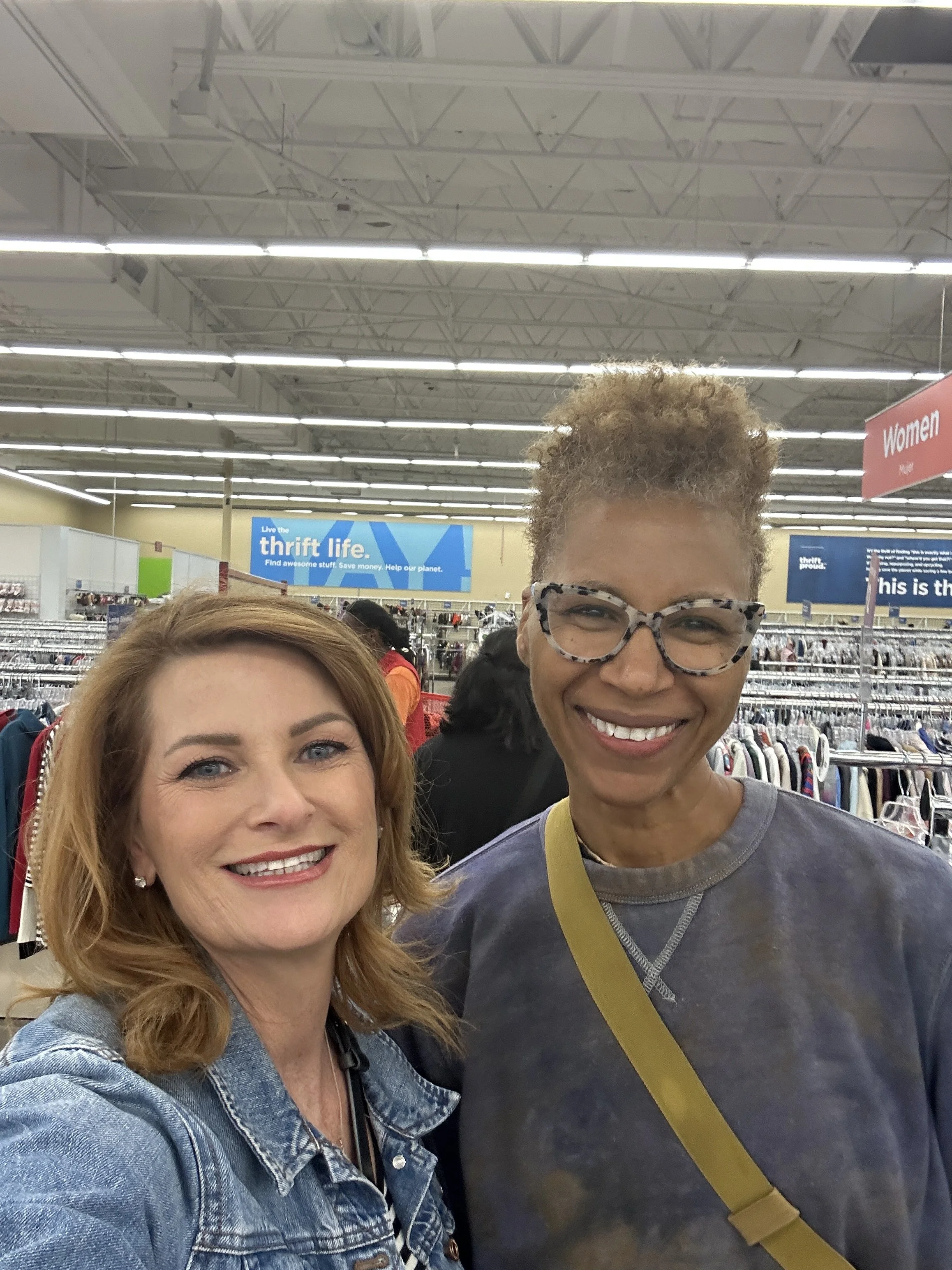
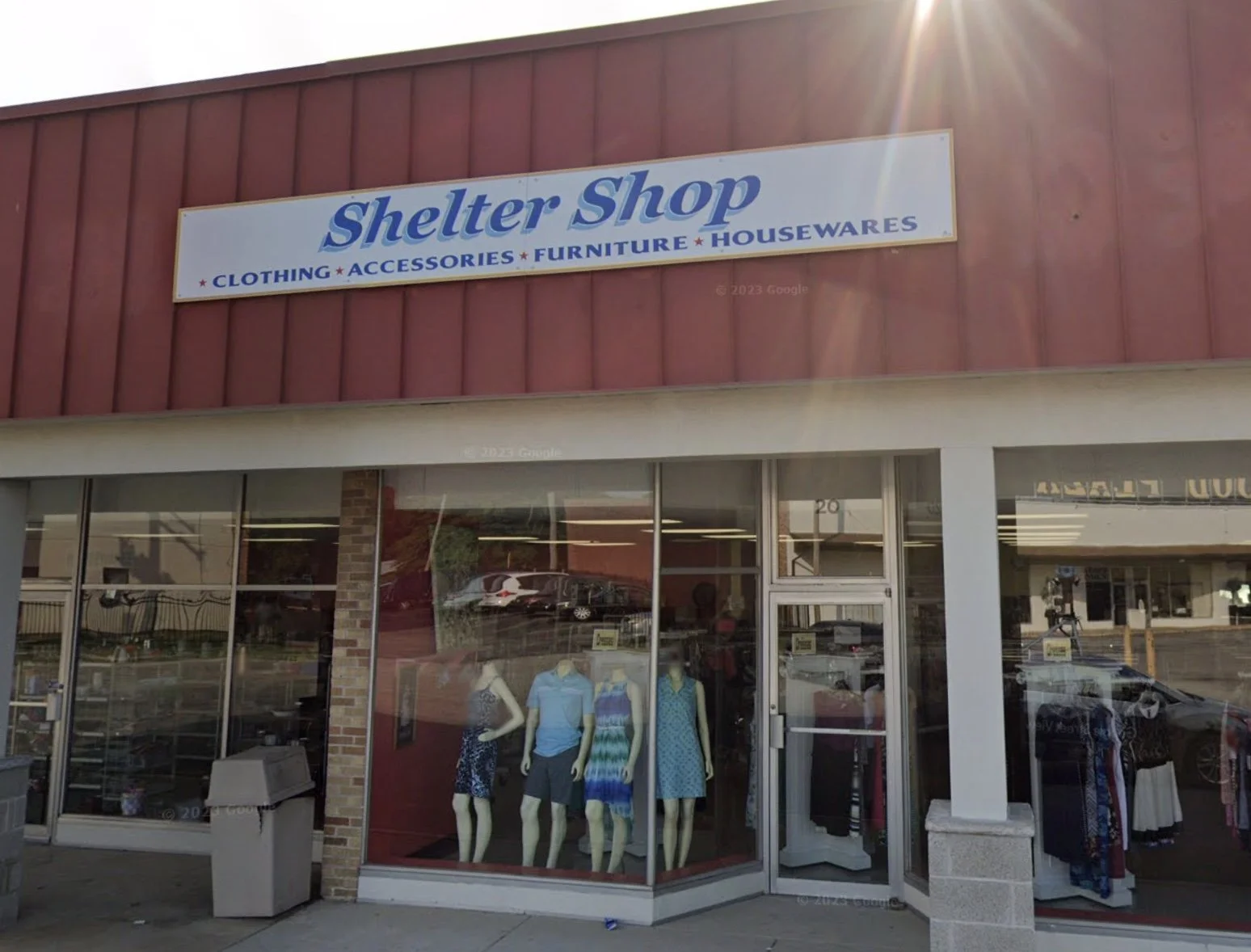
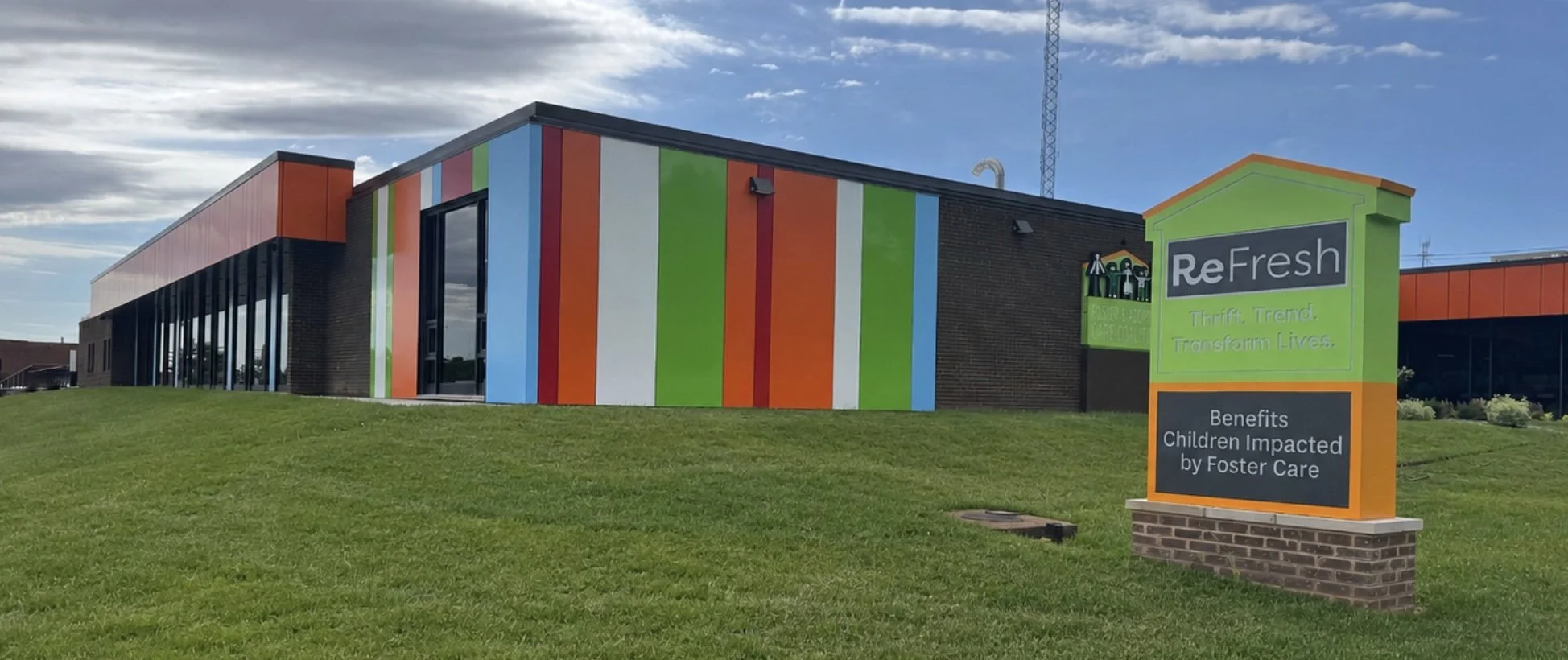
Locally, we also have opportunities to make that closet cleanout mean something more. The Shelter Shop in Belleville supports the work of the Violence Prevention Center of Southwestern Illinois, serving individuals and families impacted by domestic violence. Across the river, ReFresh in St. Louis is a nonprofit resale store operated by the Foster & Adoptive Care Coalition, with sales supporting programs for children and youth impacted by foster care.
Suddenly, the dress you no longer wear may become someone else's perfect find. The blazer that no longer fits your life may help someone build a wardrobe for a new job. And in some cases, the pieces you release can help support important work happening right in our own community.
Sustainable style is not about perfection. You do not have to swear off new clothes, wear the same sweater for twenty years, or feel guilty because a beautiful new handbag followed you home.
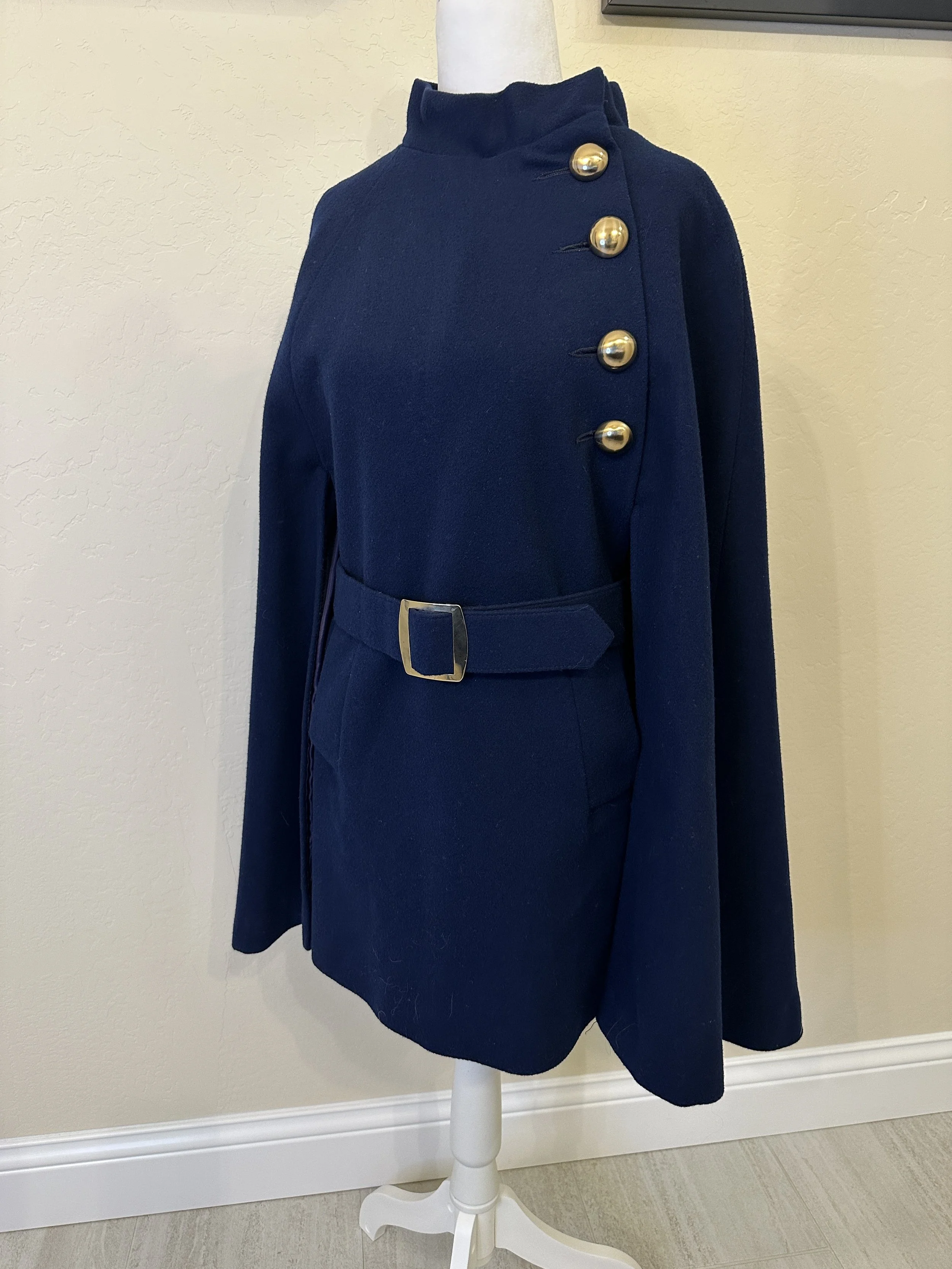
It is about intention.
Buy new when you find something you truly love and will actually wear. Invest in quality when it makes sense. Mix those pieces with vintage, consignment, and resale. Take care of what you already own. And when something has finished its chapter in your closet, give it the chance to begin another one.
Because sometimes the best thing you can add to your wardrobe is not something new at all.